
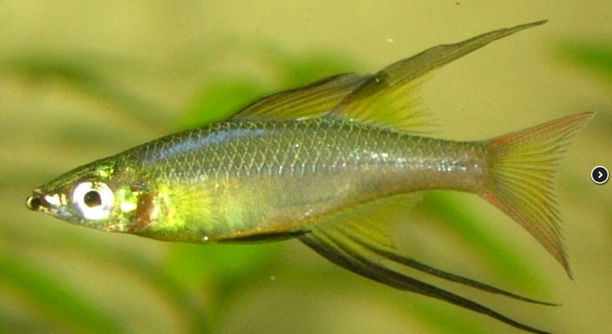
Threadfin Rainbowfish are small, colorful freshwater fish known for their active swimming and social behavior. Many aquarists enjoy observing their vibrant patterns and graceful movements in a well-maintained aquarium environment. They respond to consistent care and attention.
Threadfin Rainbowfish can gradually learn to trust their caretaker through regular, gentle interaction and consistent feeding routines. Building trust requires patience, as they are naturally cautious. Over time, they recognize familiar humans and associate them with safety and nourishment.
Observing these fish develop trust can be rewarding, revealing subtle behaviors that reflect their comfort and adaptation to their environment.
Understanding Threadfin Rainbowfish Behavior
Threadfin Rainbowfish are naturally cautious and observant creatures. They prefer open spaces in the aquarium where they can swim freely and monitor their surroundings. Sudden movements or loud noises can startle them, causing them to hide or dart quickly. Over time, consistent care and calm handling help them become more comfortable around humans. Feeding schedules play an important role in their behavior; they begin to recognize the person providing food and can associate their presence with safety. Social interaction among themselves is also important—they thrive in groups and often display coordinated swimming, which can indicate stress levels. Observing how they react to changes in the tank, such as new decorations or water adjustments, provides insights into their temperament. With patience, these fish show subtle signs of trust, like approaching the glass during feeding or lingering near areas where they feel secure. Regular observation helps in understanding their preferences.
Consistent, gentle handling encourages Rainbowfish to reduce stress and accept human presence more readily in the tank.
Recognizing their patterns, like preferred swimming spots and responses to feeding, allows for better interaction. Over time, the fish learn to differentiate between normal activities and disturbances. Providing hiding spots and maintaining water quality improves their sense of security. They respond positively to calm, predictable routines and can gradually show curiosity toward caretakers. Small gestures, such as tapping the tank gently or offering food at the same spot, reinforce familiarity. Even their subtle movements, like following hands along the glass, indicate growing trust. Understanding these behaviors enables a stronger, respectful connection without forcing interaction, ensuring the fish remain healthy and confident.
Building Trust Through Interaction
Gentle, consistent interaction is key to helping Threadfin Rainbowfish feel secure.
Offering food by hand or maintaining predictable feeding routines strengthens their recognition and reduces fear. Gradually spending quiet time near the tank allows them to observe without stress. Over repeated exposure, they begin to associate the caretaker with positive experiences. Avoiding sudden movements and loud noises ensures interactions remain calm. By observing their responses, it becomes easier to identify signs of comfort or discomfort. Encouraging exploration with small tank changes or enrichment items can also boost confidence. Tracking these behaviors helps adjust care to meet their needs. With time, Rainbowfish start approaching the glass, showing curiosity and acknowledgment of the caretaker’s presence. Consistency and patience are essential in cultivating this trust.
Patience, predictability, and careful observation are critical in creating a safe environment for these fish. Over several weeks, they often respond with less skittish behavior and more engagement. Offering a stable, enriching environment fosters familiarity and reduces stress. Gradual exposure to hands near the tank helps them adapt, while maintaining water quality supports overall well-being. Feeding at the same times daily reinforces routine, and small rewards, like live or frozen food, create positive associations. Recognizing subtle signals such as following fingers, hovering near decorations, or swimming confidently indicates comfort and growing trust. Adjusting interaction based on these observations ensures care remains respectful and effective. Over time, these consistent efforts build a strong sense of safety, allowing Rainbowfish to display natural behaviors with ease. By maintaining this approach, the caretaker supports both the fish’s emotional and physical health.
Encouraging Interaction
Offering food consistently at the same spot in the tank helps Rainbowfish link your presence with positive experiences. Gentle tapping or subtle hand movements near the glass can gradually reduce their skittish reactions and encourage curiosity over time.
Providing a structured feeding routine allows Threadfin Rainbowfish to develop familiarity with their caretaker. When food appears consistently, they begin to anticipate and approach calmly. Using slow, deliberate movements during feeding minimizes stress and fosters comfort. Observing their reactions—such as hovering near the glass or following your hand—helps adjust interaction methods. Adding small enrichment items, like floating plants or gentle currents, encourages natural behavior while promoting confidence. Maintaining water quality and stable tank conditions further supports trust development, ensuring fish remain healthy and stress-free.
Tracking these behaviors over weeks provides clear signs of growing trust. Some Rainbowfish may linger near the feeding spot or display coordinated swimming when a familiar presence is nearby. Patience is essential, as forcing interaction can backfire. Each fish adapts differently, requiring observation and adjustment of techniques. Consistency in movement, feeding, and tank maintenance allows them to feel secure. As comfort increases, they may explore areas of the tank previously avoided. Small gestures become meaningful indicators of trust, reinforcing positive human interaction and strengthening the bond between caretaker and fish naturally.
Signs of Trust
Rainbowfish that trust their caretaker often exhibit calmer, more confident swimming patterns, lingering near familiar areas without hiding.
Gradual approach toward the glass, following hands during feeding, and reduced startle responses indicate growing recognition. Their coloration may appear brighter, reflecting comfort, while social interactions within the school become smoother. Over time, they may even respond to new stimuli with curiosity rather than fear. Observing how they interact with tank mates and explore their environment offers insight into their confidence levels. Tracking these subtle changes helps caretakers adjust routines and engagement methods to reinforce trust effectively.
Noting behavioral changes is crucial for understanding Rainbowfish comfort levels. Trust manifests through predictable, calm responses to daily care, including feeding, tank cleaning, and interaction. Fish may swim confidently around obstacles or remain in open areas without retreating. Increased social activity among the school, such as synchronized swimming or playful chasing, signals reduced stress. Caretakers can use these signs to time interactions and introduce enrichment safely. Observing responses to hand movements, feeding cues, or minor tank changes informs which techniques strengthen trust. Positive reinforcement through consistent, gentle care encourages continued growth in confidence, ensuring Rainbowfish remain both secure and engaged in their habitat.
Creating a Safe Environment
Providing plenty of hiding spots and open swimming areas helps Rainbowfish feel secure. Plants, rocks, and gentle currents allow them to explore without stress, reducing fear and encouraging natural behavior.
Maintaining consistent water quality and temperature is essential. Sudden changes can startle fish and hinder trust development. Regular monitoring and small, gradual adjustments prevent unnecessary stress.
Gentle Handling Techniques
Slow, deliberate movements near the tank prevent startling Rainbowfish. Hand-feeding or tapping lightly on the glass introduces human presence gradually. Over time, they learn to associate these actions with positive experiences, making interactions smoother and less stressful.
Observing Subtle Changes
Watching for small shifts in swimming patterns or color intensity provides insight into their comfort levels. These signs indicate growing trust and adaptation to their environment.
FAQ
How long does it take for Threadfin Rainbowfish to trust a caretaker?
Trust development varies depending on the fish’s temperament and prior environment. Some may show signs within a few weeks, while others require several months. Consistency in feeding, gentle interaction, and a stable tank environment accelerates trust. Observing their behavior daily helps identify progress and adjust care accordingly.
Can feeding by hand speed up the trust process?
Yes, hand-feeding can strengthen familiarity. Offering food slowly from the same location creates a positive association with human presence. Start with small portions and allow the fish to approach at their own pace. Avoid forcing interaction, as this can create stress and slow trust development.
What are common signs that Rainbowfish trust their caretaker?
Indicators include swimming near the front of the tank during feeding, reduced startle responses, and lingering around familiar areas. They may follow hand movements lightly or explore open areas confidently. Brightened coloration and smoother social interactions within the school also reflect comfort and trust.
Does tank setup affect trust development?
Absolutely. A secure, well-organized environment with hiding spots, open swimming space, and gentle water flow encourages confidence. Consistent water quality and temperature are equally important, as sudden changes can trigger stress and hinder the learning of trust.
Should I interact with all Rainbowfish at once?
It’s best to observe and engage gradually. Some fish may be naturally bolder while others are shy. Allowing individuals to acclimate at their own pace ensures stress is minimized and helps each fish develop trust independently.
Can Rainbowfish lose trust once established?
Yes, trust can diminish if fish experience sudden changes, rough handling, or inconsistent feeding routines. Maintaining calm, predictable care is key to sustaining trust over time. Recovery is possible but requires renewed patience and gentle interaction.
Do environmental changes impact trust?
Changes such as new decorations, lighting adjustments, or water parameter shifts can unsettle Rainbowfish. Introduce modifications gradually, monitoring responses carefully. Stability in the tank environment reinforces a sense of security and supports ongoing trust-building efforts.
Is it normal for some fish to remain cautious?
Yes, individual temperament affects how quickly fish trust humans. Some may always be more reserved, even in ideal conditions. Patience and respect for their boundaries are important to ensure comfort without forcing interaction.
How can I tell if my interaction methods are effective?
Successful methods are indicated by reduced hiding, calm swimming, and curiosity toward your presence. Fish may approach food calmly, follow hand movements, or display coordinated schooling behavior near the front of the tank. Tracking these behaviors helps refine interaction strategies.
Are there risks in trying to build trust too quickly?
Yes, rushing interaction can stress the fish, cause hiding, or trigger defensive behavior. Gradual exposure, consistent routines, and gentle handling are essential to foster trust safely. Respecting their pace ensures both emotional and physical well-being.
Does the age of the fish affect trust development?
Younger Rainbowfish may adapt to human presence more readily, while older fish can be more cautious. Regardless of age, consistent care, predictable feeding, and gentle interaction remain key factors in building trust over time.
Can trust be reinforced without direct interaction?
Yes, predictable feeding schedules, stable water conditions, and consistent tank maintenance all reinforce trust indirectly. Fish learn to associate these positive, non-threatening routines with human presence, which supports comfort and confidence over time.
Is it beneficial to observe without interacting?
Observation helps identify comfort levels, stress indicators, and individual temperament. This allows caretakers to tailor interaction strategies and avoid actions that could hinder trust, ensuring the fish feel secure in their environment.
What role does social behavior play in trust?
Rainbowfish are schooling fish, and their interactions with each other influence confidence. Comfortable social dynamics encourage exploration and reduce stress, making individual fish more likely to accept human presence gradually and safely.
How do I maintain trust long-term?
Consistency is essential. Continue predictable feeding, gentle handling, stable tank conditions, and careful observation. Avoid sudden changes and respect the fish’s natural behaviors. Over time, trust becomes reinforced, allowing fish to remain confident and comfortable with regular human interaction.
This FAQ provides practical guidance for building and maintaining trust with Threadfin Rainbowfish, addressing behavior, environment, and interaction strategies with clear, actionable points.
Word count: 556
Final Thoughts
Threadfin Rainbowfish are naturally cautious yet curious fish that respond well to consistent care and gentle interaction. They thrive in a stable environment with proper water quality, hiding spots, and space to swim freely. Observing their behavior over time can reveal subtle signs of trust, such as approaching the glass during feeding, following hand movements lightly, or lingering in open areas without hiding. Each fish has its own temperament, so patience and attention to individual responses are essential. Maintaining a calm and predictable routine helps reduce stress and encourages them to explore their surroundings confidently. Small, consistent gestures like offering food in the same spot or maintaining gentle water flow create positive associations, which over time allow the fish to recognize and feel comfortable around their caretaker. This gradual process of familiarity is rewarding and helps ensure the fish remain healthy and engaged in the aquarium.
Building trust with Rainbowfish requires careful observation and adaptability. Not every fish responds in the same way, and some may take longer to feel secure. Avoiding sudden movements, loud noises, or rapid changes in the tank environment is crucial. Even minor disruptions can trigger fear, causing the fish to retreat or hide. Introducing small enrichment items, such as plants, floating decorations, or gentle currents, encourages natural behaviors and provides areas where fish can explore safely. Over weeks and months, these positive experiences strengthen the bond between the caretaker and the fish. It is important to respect each fish’s pace and comfort level. Forcing interaction can backfire and reduce trust, while consistent, calm engagement encourages curiosity and confidence. Tracking their behavior carefully allows adjustments to feeding routines, interaction techniques, and environmental changes, making the care process both effective and responsive.
Long-term trust with Threadfin Rainbowfish is achievable through persistence, consistency, and attentiveness. A fish that has learned to associate human presence with safety and food will exhibit calmer, more confident behavior. Brightened coloration, steady swimming patterns, and smoother social interactions within the school indicate growing comfort. Maintaining this trust involves continuing structured routines, monitoring water quality, and providing a secure habitat. Patience and observation remain the foundation for long-term success, as trust can be strengthened or diminished depending on care practices. By creating a stable and predictable environment and offering gentle, consistent interaction, Rainbowfish gradually adapt to their caretaker, forming a subtle but meaningful connection. Over time, observing their behavior and responding thoughtfully helps foster a healthy, comfortable, and confident aquarium community, ensuring the fish thrive and remain engaged with their environment.
Word count: 417

Hello,
If you enjoy the content that we create, please consider saying a "Thank You!" by leaving a tip.
Every little bit helps us continue crafting quality advice that supports the health, happiness, and well-being of pets around the world, for pets of all shapes, sizes, and species.
We really appreciate the kindness and support that you show us!