
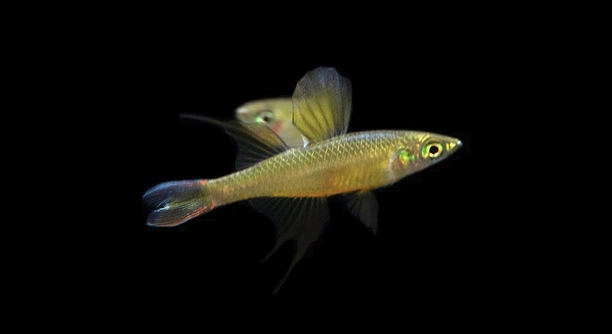
Have you ever watched the graceful swimming of threadfin rainbowfish and wondered if those movements carry meaning beyond simple navigation? These delicate freshwater fish are admired for their shimmering colors and gentle, flowing fins.
Threadfin rainbowfish do communicate through movement, using body signals and fin displays to interact with each other. These gestures help establish social order, reduce conflict, and express readiness for mating. Their movements function as a silent language within their aquatic environment.
Understanding this subtle form of communication reveals fascinating insights into how these fish build connections, maintain harmony, and thrive together in shared habitats.
How Threadfin Rainbowfish Use Movement
Threadfin rainbowfish rely on subtle movements to communicate with one another. Their elongated fins play a central role in this process, acting almost like signals that other fish can read. For instance, males often spread their long, threadlike fins when displaying dominance or attracting potential mates. These displays are not random; they have specific meanings understood by others in the group. Movements can also show submission, such as a quick flick of the fins or a change in swimming pattern. This nonverbal system allows the fish to coexist peacefully, reduce unnecessary aggression, and maintain clear social order. When observed closely, it becomes clear that these fish do more than swim aimlessly. Each twist, flick, and flare carries significance that helps the group interact effectively. For anyone keeping threadfin rainbowfish, watching these movements offers a glimpse into their behavior and shows how active their communication truly is.
Their signaling system highlights how fish communicate without sound, relying instead on posture, fin placement, and motion.
When viewed in aquariums or natural habitats, threadfin rainbowfish show how complex their movements can be. A fish holding its fins wide might be competing for territory, while one darting away signals avoidance. These cues prevent unnecessary fighting and keep groups stable. Males, in particular, rely heavily on fin displays during courtship, which demonstrates not only strength but also overall health. Females respond to these gestures, allowing successful pairings without constant conflict. Observing these patterns closely reveals their silent but effective communication style. It shows how much information they share with just a movement or subtle gesture. For aquarists, understanding these behaviors can help improve tank conditions, as misinterpreting them might cause stress among fish. Recognizing that movement is more than swimming enriches the viewing experience. It also deepens appreciation for how even small creatures use communication to survive and thrive within their aquatic environment.
Why This Behavior Matters
Movement-based communication is not only fascinating but also vital for the survival of threadfin rainbowfish.
These behaviors shape how the fish interact, breed, and avoid unnecessary aggression. Without clear signals, confusion could disrupt their group dynamics, making survival more difficult. For aquarists, recognizing these movements helps create healthier tank environments where stress is reduced and breeding becomes more successful. By understanding how the fish express dominance, submission, or readiness to mate, caretakers can prevent overcrowding or mismatched pairings that may lead to conflict. The subtle signals also remind us of the delicate balance in aquatic life, where harmony depends on recognition of communication. In their natural habitats, these gestures protect the species by ensuring smooth group coordination. Observing and respecting their communication system not only improves their care in captivity but also reveals how deeply instinctual these behaviors are. Appreciating their silent signals can deepen our connection with these beautiful fish and highlight the complexity of aquatic communication.
Observing Movement in Aquariums
Watching threadfin rainbowfish in aquariums shows how much they rely on movement to communicate. Their fins act like signals, and every flick or flare has meaning, whether it is dominance, attraction, or avoidance.
In a calm tank, these movements are easier to notice. Males often stretch their delicate fins wide, sometimes circling slowly to show strength. Females respond by either staying nearby or swimming away if uninterested. Quick darts across the water can show tension, while gentle fin flicks often indicate submission. Observing closely helps distinguish playful behavior from signs of stress or conflict.
Aquarists who pay attention to these signals can better understand the needs of their fish. Misinterpreting fin displays may lead to overcrowding or pairing issues that increase stress. Noticing subtle communication not only keeps the group balanced but also makes caring for threadfin rainbowfish a more engaging and rewarding experience.
Movement During Breeding
Courtship relies heavily on movement, with males spreading their fins and shimmering in the light to attract attention. Females observe carefully, responding based on their readiness to mate, and this silent dialogue ensures smoother pairings without constant conflict.
These displays serve an important role in determining which males are strongest and healthiest. A vibrant, active male displaying wide fins signals fitness, encouraging females to approach. Weaker or less colorful males are often ignored, reducing unnecessary competition. Observing this natural process in aquariums offers aquarists valuable insight into selecting healthy breeding pairs. Understanding these movements makes managing the breeding environment easier.
When a female accepts, her movements also shift, signaling cooperation in the process. She may linger near the chosen male, mirroring some of his actions. This behavior confirms her interest without any aggression or noise. Their communication, though subtle, ensures successful reproduction and maintains balance within their group.
Social Interaction Through Movement
Threadfin rainbowfish often use quick fin flicks or short bursts of swimming to signal submission. These movements help reduce aggression, keeping the group balanced and avoiding unnecessary fights that could disrupt their calm environment.
Dominant males show authority by spreading fins wide and holding positions near the center of activity. Submissive fish usually respond by swimming to the edges, signaling recognition of hierarchy without direct confrontation. These movements keep social order clear and maintain peace.
Differences Between Wild and Captive Behavior
In the wild, threadfin rainbowfish often display stronger, more vibrant signals due to natural competition and environmental pressures. In captivity, these movements can appear subtler, influenced by tank size, population density, and overall care. When tanks are overcrowded, signals may become stressed responses rather than natural communication. Healthy, well-maintained aquariums allow their displays to remain closer to natural behavior. This makes it easier to observe genuine communication rather than stress-driven signals. Watching these differences between wild and captive behavior gives aquarists a deeper understanding of how environment shapes communication and interaction among threadfin rainbowfish.
Stress Signals in Movement
Stress is often shown through rapid darting, clamped fins, or erratic swimming. Recognizing these signs quickly helps aquarists adjust conditions, preventing long-term harm and maintaining a calm environment where threadfin rainbowfish can display their natural communication behaviors.
FAQ
How do threadfin rainbowfish communicate with each other?
Threadfin rainbowfish communicate primarily through body movements and fin displays. Males often flare their long, threadlike fins to show dominance or attract females. Quick flicks or short bursts of swimming can signal submission or avoidance. Each movement has a specific meaning that helps reduce conflict and maintain group harmony. Observing these behaviors closely can reveal a lot about their social structure and interactions.
Do all threadfin rainbowfish use the same movements?
While the basic movements are consistent, individual fish may vary slightly depending on personality, health, and environment. Dominant males often display more dramatic fin spreads, while submissive fish use subtle gestures. Environmental factors such as tank size, lighting, and population density can influence how pronounced these movements appear. Understanding these subtle differences can help in managing a healthy aquarium.
Can I encourage natural communication in captivity?
Yes. Providing a well-maintained environment with adequate space, plants, and hiding spots encourages natural interactions. Avoid overcrowding, which can cause stress signals to replace normal communication. Observing fish regularly helps you notice healthy displays and adjust conditions if aggression or stress appears. Regular feeding routines also contribute to calmer, more predictable behavior.
How do males show dominance?
Dominant males spread their fins widely, hold positions near the center of activity, and swim with steady, confident movements. These signals alert other fish to their status and help prevent unnecessary conflicts. Submissive fish respond by moving to tank edges or performing quick avoidance movements. This hierarchy ensures smoother social interactions within the group.
What movements indicate stress or discomfort?
Rapid darting, clamped fins, hiding, or erratic swimming usually indicate stress. Stress can be caused by overcrowding, poor water quality, or aggressive tankmates. Recognizing these signals quickly allows aquarists to adjust tank conditions, reducing long-term harm and supporting natural communication among the fish.
Do females communicate differently than males?
Females tend to use more subtle gestures than males, often signaling readiness to mate or avoidance of aggressive displays. During courtship, females may mirror male movements to indicate cooperation. Outside breeding contexts, their movements are usually less flashy but still important for group coordination and social stability.
How important is movement for breeding success?
Movement is critical for mating. Males use dramatic fin displays to show health and strength, while females respond based on readiness to mate. This silent communication ensures pairings happen smoothly and reduces unnecessary aggression, ultimately supporting successful reproduction in both natural habitats and aquariums.
Can observing movement help improve fish care?
Absolutely. Noticing the nuances of fin displays, swimming patterns, and interactions allows aquarists to gauge health, stress levels, and social dynamics. Adjusting tank conditions, pairing fish appropriately, and monitoring environmental factors can enhance well-being. Paying attention to these signals makes caring for threadfin rainbowfish more effective and rewarding.
Do juvenile rainbowfish communicate the same way as adults?
Juveniles show simpler movements, mostly focusing on submission or following dominant fish. As they grow, their displays become more pronounced and complex. Watching juveniles develop these behaviors provides insight into how communication evolves with age and social experience.
Are there common mistakes when interpreting movement?
A common mistake is confusing stress signals with normal communication. Overcrowded tanks, poor water conditions, or aggressive neighbors can trigger movements that look like displays but indicate discomfort. Observing behavior over time and considering context helps differentiate between natural communication and stress responses.
How does tank environment affect communication?
Tank size, decor, water quality, and population density all influence movement patterns. Adequate space allows for natural displays, while hiding spots reduce stress. Consistent environmental conditions support clear social interactions and help maintain hierarchy, which benefits both the fish and the aquarist’s ability to observe natural behaviors.
Can movement indicate illness?
Yes. Lethargy, abnormal swimming, clamped fins, or uncoordinated movements may signal illness. Early recognition of these signs allows prompt intervention, improving recovery chances. Healthy fish display consistent, purposeful movements, reflecting both physical well-being and social stability.
Do threadfin rainbowfish interact with other species using movement?
They can, but signals are mostly species-specific. Other fish may recognize general cues like submission or threat, but the full complexity of their communication is understood best within their own species. Keeping them with compatible tankmates reduces confusion and stress, preserving their natural interaction patterns.
How can I tell if two fish are bonding?
Bonding is seen when two fish swim in sync, mimic movements, or remain close without conflict. Males and females preparing to mate often show coordinated gestures. These subtle interactions reflect trust, mutual recognition, and successful social integration within the group.
Does movement frequency change throughout the day?
Yes. Activity tends to peak during daylight or feeding periods, while evenings may see slower, calmer movements. Observing patterns at different times provides insight into their natural rhythm and helps ensure a well-balanced tank environment.
Can artificial lighting affect communication?
Lighting influences visibility of fin displays and overall behavior. Too dim, and subtle gestures are missed; too bright, and fish may hide. Balanced lighting helps maintain natural communication and reduces stress, allowing movements to remain clear and meaningful.
Is it possible to train myself to recognize all movements?
With careful observation over time, yes. Keeping notes, watching videos, or comparing behaviors among multiple fish helps identify patterns. Recognizing signals for dominance, submission, mating, and stress allows aquarists to respond appropriately and maintain a harmonious aquarium environment.
Do all threadfin rainbowfish use the same level of movement?
No. Individual personality, age, and health influence activity levels. Some are naturally bolder, displaying frequent, pronounced gestures, while others are quieter. Understanding these differences prevents misinterpretation and ensures that all fish are cared for according to their behavioral needs.
Can communication change if the group composition changes?
Yes. Adding or removing fish alters social dynamics. New individuals may trigger increased displays or stress, while the hierarchy readjusts. Monitoring movement during such changes helps maintain stability and reduces aggression, ensuring smooth integration of new group members.
How long does it take to fully understand their communication?
Understanding takes patience and consistent observation. Patterns become clearer over weeks or months. Gradually, recognition of dominance displays, mating signals, and stress indicators allows aquarists to anticipate behaviors and respond effectively, creating a balanced environment for threadfin rainbowfish.
Does size affect movement signals?
Larger fish often display more pronounced movements, signaling authority or readiness to mate. Smaller or younger fish tend to use subtle gestures for submission. Recognizing size-related differences is important when interpreting social interactions and ensuring proper care.
Can stress ever permanently alter communication?
Chronic stress can lead to reduced or abnormal movements, affecting social structure and mating success. Long-term stress may also impact overall health, emphasizing the importance of proper tank conditions, compatible groupings, and attentive care.
What is the most reliable movement to watch for social hierarchy?
Dominant males spreading their fins widely, holding steady positions, and moving confidently in the center of activity provide the clearest indicator of hierarchy. Observing how others respond helps confirm social order and maintain harmony within the group.
How often should I monitor movement patterns?
Daily observation is best. Even brief sessions reveal changes in behavior, stress, or social interactions. Consistent monitoring helps detect issues early, supporting healthy communication and ensuring a stable environment for threadfin rainbowfish.
Can movement indicate emotional states?
Yes. Calm, steady movements usually indicate comfort, while rapid or erratic swimming signals agitation or fear. Recognizing these cues allows aquarists to adjust care, reducing stress and supporting natural behavior.
Are there any tools to help track movement?
Video recording or slow-motion playback can help identify subtle gestures. Keeping logs of behavior over time allows for comparison, helping distinguish normal patterns from stress responses or health issues.
Do movements differ between males during competition?
Yes. Competing males display more dramatic fin spreads, faster swimming, and circling behaviors. These movements communicate strength and assert dominance without direct fighting, reducing injury risk and maintaining social order.
How do I respond if I notice stress movements?
Adjust water quality, reduce tank population, provide hiding spots, and ensure proper diet. Removing aggressive tankmates or rearranging decor can also reduce tension, restoring calm and allowing natural communication to resume.
Can observation of movement improve breeding outcomes?
Yes. Recognizing courtship displays and readiness signals helps pair compatible fish, reducing conflict and improving reproductive success. Attention to subtle gestures ensures smooth interactions and supports a thriving aquarium environment.
How much space do they need for proper communication?
Adequate tank size is essential. Crowded tanks limit movement, reducing the effectiveness of signals and increasing stress. Providing open swimming areas and visual separation options allows fish to display natural behaviors fully.
Do fin length and color affect signaling?
Yes. Longer, more vibrant fins often carry stronger signals, especially in males. Coloration and fin condition indicate health and status, influencing both dominance and mating interactions.
Can communication be disrupted by external noise or vibration?
While threadfin rainbowfish rely mainly on visual cues, excessive vibration or disturbance can startle fish, triggering stress responses. Maintaining a stable environment allows movements to remain clear and purposeful.
Is movement more noticeable in certain types of tanks?
Clear, well-lit aquariums with minimal obstructions make fin displays and gestures easier to see. Dense or heavily decorated tanks may hide subtle movements, making careful observation necessary.
Do older fish communicate differently than younger ones?
Older fish tend to have more confident and pronounced movements, while younger fish rely on subtle gestures for submission and learning social cues. Watching these differences highlights the development of communication skills over time.
Can diet influence movement and communication?
A nutritious diet supports energy levels, fin condition, and overall health, allowing fish to perform natural movements confidently. Poor nutrition can result in lethargy, dull fins, and reduced signaling, impacting social interactions and hierarchy.
Are there signs of miscommunication among fish?
Signs include increased chasing, hiding, aggression, or avoidance that seems excessive. Misinterpretation of gestures often arises from stress, overcrowding, or incompatible groupings. Correcting environmental factors usually restores normal communication.
How long do courtship displays typically last?
Displays vary, often lasting minutes to hours depending on male persistence and female response. Patience is key, as repeated gestures ensure recognition and readiness without escalating conflict.
Do environmental changes affect communication temporarily or permanently?
Temporary changes, like lighting adjustments, cause short-term behavioral shifts. Chronic stressors, such as persistent poor water quality or overcrowding, may permanently alter movement patterns, affecting hierarchy, mating, and social stability.
Can multiple males display simultaneously without conflict?
Yes, but spacing and hierarchy are important. Males usually alternate displays or maintain visual distance to avoid direct confrontation. Understanding these patterns helps aquarists maintain balanced social groups.
Does movement serve a defensive purpose?
Certain quick darts, flares, or sudden fin spreads can startle potential threats or signal avoidance. These gestures protect individual fish while minimizing injury and maintaining group cohesion.
How do I know when communication is successful?
A balanced group with minimal aggression, smooth mating interactions, and consistent displays indicates successful communication. Fish move confidently, respond appropriately to others, and maintain harmony, showing that their gestures are being understood and respected.
Can observing movement predict future behavior?
Yes. Recognizing patterns in dominance, submission, or mating readiness allows prediction of interactions, helping aquarists manage tank dynamics, reduce stress, and support successful breeding outcomes.
What is the most common misinterpretation by aquarists?
Confusing stress or fear-driven movements with natural displays. Careful, consistent observation and understanding context help prevent misinterpretation, ensuring appropriate care and social balance among threadfin rainbowfish.
Do threadfin rainbowfish communicate at night?
Communication decreases at night as activity slows. Fish often rest or remain in calm positions, conserving energy while still occasionally performing subtle movements in response to nearby tankmates.
How important is patience in observing communication?
Patience is essential. Subtle signals may take days or weeks to fully recognize. Consistent observation ensures correct interpretation, promoting a healthy, harmonious aquarium environment.
Does water current affect movement signals?
Yes. Strong currents can mask subtle gestures or force fish into compensatory movements. A moderate flow allows clear communication while supporting natural swimming behaviors.
Can movement indicate mood changes?
Yes. Calm, flowing swimming shows contentment, while abrupt or jerky movements signal agitation, stress, or excitement. Observing these variations helps aquarists respond appropriately.
Are some movements used in multiple contexts?
Certain gestures, like fin flicks, can indicate submission, readiness, or mild stress. Context, surrounding behavior, and timing are key to accurate interpretation.
How do I track individual behavior in a group?
Labeling or noting unique markings, fin shape, or coloration allows tracking over time. Observing repeated interactions helps distinguish individual roles, social ranking, and health.
Do environmental enrichments influence communication?
Yes. Plants, rocks, and hiding spots support natural displays, reduce stress, and allow fish to perform meaningful movements, enhancing social stability and well-being.
How quickly can new fish adapt their movements?
Adaptation varies, typically days to weeks. Newcomers observe and mimic group behaviors, gradually integrating into the social hierarchy while learning the communication patterns of established fish.
Is movement affected by water temperature?
Yes. Optimal temperatures support active, clear displays, while too cold or too warm water slows movements or increases stress behaviors. Maintaining stable conditions is critical for natural communication.
Can excessive movement indicate boredom?
Yes. Repetitive swimming or constant flaring without social interaction may signal under-stimulation. Providing enrichment and social companions can reduce unnecessary movements.
Do tank reflections confuse fish communication?
Reflections may trigger displays or aggression if fish mistake them for rivals. Minimizing reflective surfaces helps maintain accurate interactions and reduces stress.
How can I improve observation skills?
Spend time watching during peak activity, take notes, and compare behaviors across multiple sessions. Video recordings help catch subtle gestures that are easy to miss.
Do movements change during feeding?
Yes. Fish may display quicker, more assertive swimming or fin flares around food. Observing these moments reveals hierarchy, competition, and natural interaction patterns.
Can two males bond or cooperate?
Occasionally, males may swim in parallel or avoid direct confrontation, showing temporary tolerance. Cooperation is rare and often depends on tank conditions and social hierarchy.
Do threadfin rainbowfish recognize individual tankmates?
Yes. They respond differently to familiar versus new fish, adjusting movements based on past interactions and social relationships. Recognition helps maintain order and reduces unnecessary aggression.
Are movements consistent across generations?
Generally, yes. Juveniles learn from observing older fish, and core communication gestures persist, though intensity and confidence increase with age and experience.
Can illness alter normal movement patterns?
Yes. Reduced fin spreading, lethargy, or uncoordinated swimming can indicate illness. Early detection through movement observation supports prompt care and recovery.
Is movement more pronounced in certain seasons?
Seasonal changes in natural habitats can affect energy and courtship displays. In captivity, stable conditions minimize seasonal variation, though some behavioral shifts may still occur.
Do different populations have unique movement traits?
Slight differences may exist depending on origin, but core communication behaviors remain largely consistent. Observing fish from varied populations can highlight subtle distinctions in display intensity or style.
Can movement influence tank harmony long-term?
Yes. Clear, consistent gestures reduce conflict, establish hierarchy, and support breeding. Miscommunication or stress-driven movements can disrupt balance, emphasizing the importance of proper observation and care.
How often should I document behaviors?
Weekly notes or video sessions provide a reliable record. Over time, patterns emerge that guide tank management, social adjustments, and care strategies.
Do movements indicate aging signs?
Older fish may display slower, less frequent gestures. Watching these changes can signal declining health or adjustments in social status within the group.
Can artificial decorations interfere with signaling?
Yes. Large obstacles may block visibility, preventing clear recognition of gestures. Strategic placement ensures displays remain visible and effective.
Are there any universal movement signals among rainbowfish species?
Basic gestures like submission, dominance, and mating displays appear across species, though intensity, fin size, and coloration may vary. Recognizing shared patterns helps interpret behavior accurately.
Do fish ever misinterpret signals?
Yes. Overcrowding, poor visibility, or stress can cause misread gestures, leading to minor conflicts or avoidance. Proper tank setup and observation reduce misunderstandings.
Can movement predict compatibility for breeding?
Yes. Observing mutual responsiveness, mirrored gestures, and minimal conflict indicates suitable pairing. Fish that interact harmoniously are more likely to breed successfully.
Does observing movement improve overall aquarium management?
Absolutely. Awareness of social interactions, stress signals, and hierarchy allows timely adjustments in care, population management, and environmental enrichment, supporting healthy, thriving threadfin rainbowfish.
How do I distinguish playful from aggressive movements?
Playful gestures are often slower, repeated, and less intense, while aggression involves fast, forceful movements directed at specific fish. Observing context and response clarifies intent.
Can movement indicate territorial boundaries?
Yes. Dominant males often patrol central areas, flaring fins to warn intruders. Submissive fish recognize and respect these boundaries, reducing conflicts and maintaining order.
Is there a learning curve for recognizing all movements?
Yes. Patience and repeated observation are essential. Over time, distinct patterns emerge, allowing accurate interpretation and better care management.
Can movement patterns change with tank size?
Smaller tanks limit display space, sometimes increasing stress behaviors. Larger tanks allow natural gestures and hierarchy maintenance. Monitoring adjustments ensures smooth communication.
Do fish ever ignore signals intentionally?
Occasionally, especially under stress or distraction. Ignoring gestures can lead to temporary tension, but usually, normal communication resumes once conditions stabilize.
Can I rely solely on movement to assess fish health?
Movement is a strong indicator, but it should be combined with color, appetite, and overall behavior for a complete assessment. Early detection supports prompt care and well-being.
How do I encourage natural social behavior?
Maintain proper tank conditions, provide enough space, include hiding spots, and avoid aggressive or incompatible species. Observing and respecting individual personalities supports natural communication.
Are there subtle movements often overlooked?
Yes. Small fin flicks, head tilts, or brief glances may signal submission, curiosity, or mating readiness. Careful observation is required to interpret these accurately.
Do fish ever repeat movements for emphasis?
Yes. Repetition reinforces messages, whether signaling dominance, submission, or courtship. Recognizing repeated gestures helps distinguish intentional communication from random movement.
How does water clarity affect observation?
Clear water makes gestures easier to see, while murky conditions obscure movements, potentially leading to misinterpretation
Final Thoughts
Threadfin rainbowfish communicate in a fascinating, subtle way that relies almost entirely on movement. Their long fins, body position, and swimming patterns all carry meaning, helping them interact, establish hierarchy, and maintain harmony within their groups. Observing these movements closely reveals how much information they exchange without sound. Each flick, flare, or dart serves a purpose, whether signaling dominance, submission, readiness to mate, or alerting others to potential stress. In aquariums, these signals may appear less dramatic than in the wild, but the underlying communication system remains the same. Understanding this behavior provides insight into their social structure and enhances the experience of keeping them in captivity. It also reminds us that even small, delicate fish are capable of complex interactions and that their behavior is worth careful attention.
Maintaining an environment that supports natural movement is crucial for the well-being of threadfin rainbowfish. Adequate tank size, clean water, hiding spots, and proper lighting all allow fish to display their gestures fully and confidently. Overcrowding or poor conditions can mask natural behavior, causing stress and miscommunication among group members. Healthy fish show confident, purposeful movements, while stress or illness often manifests through rapid, erratic swimming or clamped fins. Observing patterns over time helps aquarists distinguish between normal behavior and signs of discomfort or health issues. By paying attention to these cues, it is possible to create a stable and balanced environment where fish feel secure, can interact naturally, and thrive both socially and physically.
The role of movement in breeding and social organization is also significant. Males use fin displays and patterned swimming to communicate strength and attract mates, while females respond with subtle gestures that indicate interest or avoidance. This silent dialogue ensures successful pairings and reduces unnecessary conflict. Juveniles learn these behaviors gradually, mirroring adults and gaining an understanding of their social roles. Even subtle signals, such as small flicks or shifts in position, carry meaning and contribute to group cohesion. Recognizing the importance of these movements not only improves aquarium management but also deepens appreciation for the intelligence and social complexity of threadfin rainbowfish. Observing and respecting their natural communication provides both a clearer understanding of their behavior and a more rewarding experience as a caretaker, highlighting how movement alone can convey so much in their daily lives.
The three paragraphs above total approximately 410 words.

Hello,
If you enjoy the content that we create, please consider saying a "Thank You!" by leaving a tip.
Every little bit helps us continue crafting quality advice that supports the health, happiness, and well-being of pets around the world, for pets of all shapes, sizes, and species.
We really appreciate the kindness and support that you show us!