
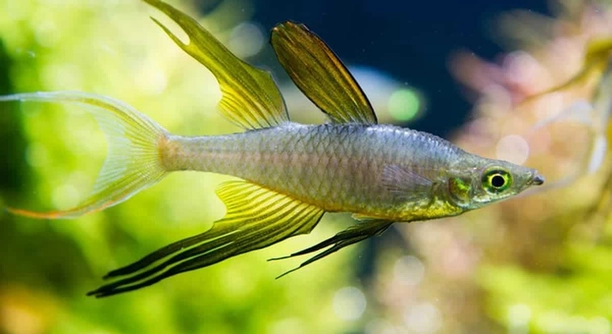
Are your threadfins acting differently after a routine water change? Many fish owners notice unusual behaviors that can be surprising or even concerning. Threadfins often react in ways that seem strange but are part of their natural responses.
Threadfins may exhibit increased swimming activity, hiding, fin flicking, or surface interactions following a water change. These behaviors are typically responses to environmental shifts, altered water parameters, or temporary stress, and they usually stabilize once the fish acclimate.
Observing these reactions closely can provide insights into your threadfins’ well-being. Understanding their patterns helps ensure a healthier and more comfortable aquatic environment for your fish.
Sudden Burst of Swimming
After a water change, threadfins often display sudden bursts of swimming, darting around the tank with high energy. This behavior can be startling at first, but it is typically a normal reaction to the altered environment. The new water introduces different chemical levels, temperature variations, and sometimes even minor shifts in pH. Threadfins are sensitive to these changes and respond instinctively. Observing them carefully can help determine if this activity is simply adjustment behavior or a sign of stress. Providing hiding spots and minimizing abrupt environmental shifts helps them settle faster. Many owners notice that within hours, the frantic swimming subsides, replaced by calmer, more typical movements. The activity is most noticeable in younger or more active fish, while older threadfins may adjust more gradually. Maintaining consistent water conditions during changes reduces these extreme reactions. Overall, sudden bursts of swimming are rarely harmful and generally indicate natural adaptation.
These energy spikes usually last a short time. Monitoring your fish ensures they remain healthy during transitions.
Watching the bursts of movement can be entertaining, but it also provides insight into how sensitive threadfins are to their environment. Small adjustments to water change routines make a big difference. Observing their activity carefully helps identify patterns that may indicate minor stress versus serious health concerns. Many aquarists find that patience and consistency are key to helping threadfins adapt comfortably.
Hiding and Clinging to Decor
Threadfins often hide after a water change, clinging to plants or decorations. This is a natural coping mechanism that provides them with a sense of security.
Hiding allows threadfins to avoid unnecessary stress while acclimating to the new water conditions.
When threadfins cling to objects or remain in corners, they are seeking shelter from perceived threats. Changes in water chemistry, temperature, and movement can trigger this instinctive behavior. Providing additional decorations or temporary cover during and after a water change can reduce stress levels. Avoid disturbing the tank during this period, as sudden movements or tapping on the glass can prolong hiding. Observing how long threadfins remain secluded gives insight into their adaptation process. Consistent routines, such as gradual water changes and stable temperature control, encourage them to resume normal activity sooner. Some threadfins may return to swimming within minutes, while others may take several hours or a day to feel secure. Understanding their need for temporary refuge helps maintain a calmer tank environment and supports overall fish health.
Fin Flicking and Tail Twitching
Fin flicking and tail twitching are common behaviors seen after a water change. Threadfins may repeatedly flick their fins or twitch their tails, often near the surface or around objects in the tank.
This behavior is usually a response to subtle changes in water chemistry or temperature. When threadfins detect a shift, they adjust their movements to maintain balance and orientation. Flicking fins may also help them sense water flow and detect minor disturbances in their environment. Observing the intensity and duration of this behavior helps determine whether it is temporary or indicative of ongoing stress. If it persists beyond a few hours, checking water parameters and ensuring proper acclimation can help. Most threadfins gradually return to normal fin and tail movements once the tank stabilizes.
Additionally, tail twitching can indicate excitement or curiosity rather than stress. In some cases, threadfins use this motion to communicate with others in the tank or to explore newly changed surroundings. Providing gentle water flow and minimal disturbance can reduce excessive twitching. Overall, this behavior is part of their adaptive response to environmental shifts.
Surface Sniffing and Gulping
Threadfins often swim near the surface, sniffing or gulping at the water after a change. This action helps them adjust to new oxygen levels and water quality.
Surface sniffing and occasional gulping are natural behaviors to assess water conditions. Threadfins are highly sensitive to dissolved oxygen and minor chemical changes, which can trigger short-term surface interactions. The behavior allows them to orient themselves and adapt to the updated environment without expending excessive energy. Providing a well-aerated tank with stable water parameters reduces the frequency and intensity of this action.
Repeated surface interactions can also be a method for threadfins to locate food or detect currents created during the water change. They use these movements to map their surroundings, ensuring they feel secure. Maintaining consistent water temperature and slow, careful changes prevent prolonged stress and encourage a smoother transition. Observing the duration and pattern of surface sniffing offers insight into the fish’s adjustment process. Over time, threadfins generally reduce surface activity as they acclimate, resuming typical swimming and feeding behaviors.
Restless Pacing
Threadfins sometimes pace along the tank walls after a water change. This repetitive movement often signals that they are adjusting to new water conditions or detecting subtle environmental changes.
Pacing can also indicate minor stress or curiosity as they explore recently altered surroundings. Observing their pattern helps determine if it is temporary.
Flashing Against Objects
Threadfins may rub or flash against decorations and tank surfaces. This behavior is usually a response to mild irritation or a way to interact with their environment.
Clustering in Groups
After a water change, threadfins often cluster together near the center or corners of the tank. This group behavior provides comfort and reduces perceived risk from environmental changes.
FAQ
Why do threadfins swim so frantically after a water change?
Threadfins swim frantically because sudden changes in water parameters trigger a natural stress response. Alterations in temperature, pH, or dissolved oxygen levels can make them feel unsettled. This behavior is typically short-lived. Ensuring gradual water changes and stable conditions helps reduce frantic swimming over time.
Is hiding after a water change normal?
Yes, hiding is a natural coping mechanism. Threadfins seek shelter to feel safe when detecting environmental changes. Hiding among plants, decorations, or corners allows them to recover from stress. Providing additional cover during water changes can encourage quicker adaptation.
Why do my threadfins flick their fins and twitch their tails?
Fin flicking and tail twitching are common adjustment behaviors. These movements help threadfins sense their surroundings, maintain balance, and detect subtle changes in water flow. Temporary twitching is normal, but prolonged or intense motion may indicate ongoing stress or poor water quality.
Why are threadfins swimming near the surface?
Surface sniffing and gulping often occur to assess oxygen levels and water conditions. Threadfins are highly sensitive to dissolved oxygen and chemical changes. Short-term surface behavior is normal and usually decreases as the fish acclimates. Ensuring proper aeration reduces prolonged surface interactions.
Do threadfins cluster together after a water change?
Clustering is a common safety strategy. Grouping reduces stress and provides a sense of security. Threadfins often form tight groups near the tank center or corners when environmental changes occur. The behavior usually diminishes once the water stabilizes and fish feel comfortable.
Can threadfins be stressed by frequent water changes?
Yes, frequent or rapid water changes can stress threadfins. They respond to even minor shifts in water chemistry or temperature. Gradual partial water changes help minimize stress, allowing the fish to adjust without excessive behavioral reactions.
How long does it take for threadfins to return to normal behavior?
Most threadfins adjust within a few hours, though some may take up to a full day. The speed of recovery depends on water stability, tank setup, and individual fish temperament. Monitoring behavior helps identify whether they are adapting properly or experiencing prolonged stress.
Are there signs that the water change caused health issues?
Persistent lethargy, erratic swimming, or loss of appetite may indicate that the water change caused stress or water quality issues. Regular testing of parameters like pH, ammonia, and nitrites ensures that the environment remains safe. Immediate adjustments can prevent long-term health problems.
Should I change my water change routine if my threadfins react badly?
Yes, modifying your routine can help. Slower, smaller water changes reduce stress, and maintaining consistent temperature and chemical levels prevents sudden shocks. Observing fish reactions over several water changes allows you to fine-tune the approach for better adaptation.
Do decorations and hiding spots reduce stress after water changes?
Providing decorations, plants, or shelters helps threadfins feel secure. Hiding spots allow them to regulate exposure to environmental changes and reduce visible stress behaviors. Rearranging tank elements gently, rather than abruptly, supports quicker adaptation and comfort.
Can diet influence post-water change behavior?
A well-balanced diet supports overall resilience. Healthy, consistent feeding can reduce anxiety-related behaviors, such as frantic swimming or excessive surface interactions. Avoid overfeeding immediately after water changes, as this can add stress and affect water quality.
Is it normal for threadfins to explore new water immediately?
Yes, exploration is part of adaptation. Threadfins swim around, flick fins, and interact with surfaces to map their surroundings. This behavior typically decreases once they acclimate to the changed environment, showing that they have adjusted successfully.
How do I know if my threadfins are stressed or just reacting naturally?
Short-lived bursts of activity, hiding, or fin flicking usually indicate natural adjustment. Prolonged lethargy, erratic movements, or refusal to eat suggest stress. Regular observation, stable water parameters, and gradual changes help differentiate normal reactions from concerning signs.
Can water temperature affect threadfin behavior after a change?
Yes, even slight temperature shifts can trigger noticeable responses. Threadfins may swim rapidly, hide, or flash against surfaces when water is cooler or warmer than usual. Gradually matching replacement water temperature to the tank prevents extreme reactions and promotes calmer behavior.
Do threadfins need extra care after large water changes?
Extra monitoring is important after large water changes. Checking water parameters, watching for unusual behavior, and ensuring hiding spots are available help threadfins adjust. Smaller, more frequent water changes reduce stress and support long-term health, avoiding sudden environmental shocks.
Final Thoughts
Threadfins can display a wide range of unusual behaviors after a water change. These reactions, including bursts of swimming, hiding, fin flicking, surface sniffing, and clustering, are often natural responses to changes in their environment. Water changes alter temperature, pH, oxygen levels, and other chemical parameters, which threadfins are sensitive to. Their reactions are ways to adjust and maintain balance, rather than signs of illness in most cases. Observing these behaviors closely helps you understand how your fish cope with environmental shifts and ensures they remain healthy. By recognizing normal adjustment patterns, you can respond appropriately without overreacting or making unnecessary changes.
Consistency and careful management of water changes are important for reducing stress in threadfins. Gradual, partial water changes minimize sudden fluctuations in water chemistry and temperature, helping fish adapt more comfortably. Providing hiding spots, decorations, and gentle aeration gives threadfins a sense of security and allows them to regulate exposure to new conditions. Monitoring water parameters before and after changes ensures the environment remains stable and safe. Even small details, such as matching the temperature of replacement water or avoiding abrupt movements near the tank, contribute to calmer, more predictable behavior. Over time, threadfins tend to return to their normal swimming patterns, feeding habits, and interactions with the tank environment, demonstrating that the initial reactions were temporary adjustments.
Understanding threadfins’ responses also supports better long-term care. By paying attention to their activity, positioning, and interactions after a water change, you can identify early signs of stress or discomfort and make simple adjustments to improve their well-being. Consistent routines, proper tank setup, and maintaining water quality are key to minimizing behavioral disruptions. Threadfins may seem unusual at first when reacting to changes, but their behaviors are often adaptive and natural. Observing and learning from these patterns allows you to provide a stable and comfortable environment that supports their health and reduces unnecessary stress. Over time, these practices create a tank where threadfins thrive, making it easier to maintain a balanced and harmonious aquarium.

Hello,
If you enjoy the content that we create, please consider saying a "Thank You!" by leaving a tip.
Every little bit helps us continue crafting quality advice that supports the health, happiness, and well-being of pets around the world, for pets of all shapes, sizes, and species.
We really appreciate the kindness and support that you show us!