
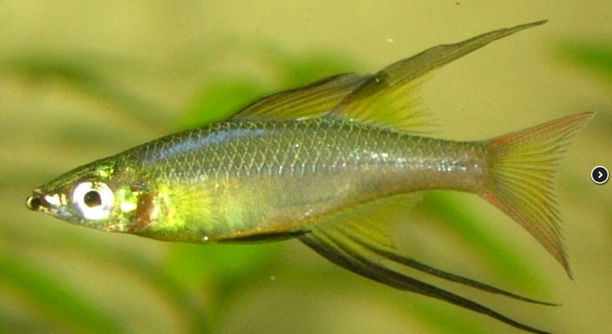
Have you ever added a new fish to your tank and noticed your threadfins acting differently? Threadfins are sensitive creatures, and introducing new tankmates can stir a range of noticeable behaviors in them. Their reactions often reveal comfort levels.
Threadfins exhibit several reactions when encountering new tankmates, including hiding, cautious swimming, flaring fins, gentle nudging, ignoring, following, and territorial displays. Each behavior reflects their adaptation process and helps assess compatibility within a shared aquarium environment.
Observing these behaviors early can prevent stress and maintain harmony in your aquarium. Each reaction provides insight into your threadfins’ comfort and social dynamics.
Hiding Behavior
When threadfins encounter a new tankmate, hiding is one of the first behaviors you might notice. They often retreat behind rocks, plants, or decorations to feel safe. This behavior indicates caution and allows them to observe the newcomer without direct contact. Hiding can last for several hours or even days, depending on the fish’s temperament and the tank environment. Some threadfins are naturally shy, so their hiding might seem more frequent. Providing ample hiding spaces reduces stress and helps them adjust gradually. Over time, as they feel more secure, they will emerge and interact more openly with the new tankmates. Observing where they choose to hide can give insight into their comfort level and preferred areas within the tank. Ensuring water quality, stable temperature, and minimal disturbances supports a faster adaptation. Monitoring this behavior helps prevent aggression or injury to both the threadfins and the new fish in the aquarium.
Hiding is a normal, protective response and usually decreases as threadfins acclimate to their new companions.
Noticing hiding early allows you to adjust tank layout and provide more secure areas. This reduces stress and supports smoother interactions with other fish. Keeping an eye on these behaviors helps maintain a balanced environment where threadfins can slowly explore their surroundings without fear, making them more confident over time.
Cautious Swimming
Threadfins often swim slowly or pause when a new tankmate enters. They circle the area while maintaining distance, carefully observing movements. This cautious swimming reflects their natural instinct to assess potential threats before fully engaging. Slow movements allow them to detect changes without attracting unnecessary attention. Even minor disturbances, such as tapping on the glass or water currents, can intensify this behavior. Over several days, threadfins gradually reduce distance as confidence grows. Tank size, number of hiding spots, and the temperament of both species influence how long cautious swimming persists. Observing patterns in swimming paths and reactions provides clues about social dynamics and compatibility. Providing a calm environment helps threadfins adjust without stress, and they often resume normal activity when they feel secure. Cautious swimming is an essential adaptation, enabling them to safely coexist with unfamiliar fish.
Cautious swimming helps threadfins evaluate new tankmates while reducing the risk of conflict or injury.
Watching these swimming behaviors over time helps you gauge compatibility. Noting areas where threadfins linger or avoid can guide tank arrangement. By keeping interactions minimal at first and ensuring clear escape routes, you allow threadfins to adapt naturally. Over weeks, they usually integrate more confidently, interacting freely without tension or fear. Adjusting lighting, adding gentle water flow, and maintaining a steady feeding schedule further supports their comfort. Gradual acclimation often results in peaceful coexistence, with threadfins establishing their preferred swimming patterns alongside new tankmates.
Flaring Fins
Threadfins often flare their fins when a new tankmate enters. This behavior shows alertness and a mild form of territorial display. It is a way to appear larger and signal boundaries without direct confrontation.
Flaring fins can indicate both curiosity and caution. When threadfins spread their fins, they are assessing the other fish while communicating their presence. This display helps prevent fights by establishing visual boundaries. The intensity and frequency of flaring vary depending on the size, species, and temperament of both the threadfins and the newcomer. Consistent flaring may suggest that the new tankmate is too close for comfort or that the threadfins need additional hiding spots. Monitoring fin displays can prevent misunderstandings and aggression. Providing ample space and decorations allows threadfins to feel secure and reduces constant displays. Over time, as they gain confidence, flaring generally decreases, and normal swimming resumes.
Flaring fins are a natural and temporary response to unfamiliar fish. Observing patterns helps adjust tank layout and prevent tension.
Even when flaring is frequent, it rarely leads to serious aggression if the tank is spacious and enriched. Threadfins use it to establish boundaries without contact, and over time, they learn the limits of the other fish. Maintaining stable water conditions and minimizing sudden disturbances reduces stress, helping threadfins lower their displays. Keeping an eye on which areas are repeatedly marked by flaring can guide rearranging decorations to create natural visual barriers. Gradual exposure to the new tankmate allows threadfins to feel less threatened, eventually interacting without flaring, which supports overall tank harmony.
Gentle Nudging
Threadfins sometimes gently nudge new tankmates with their noses or bodies. This behavior is exploratory and helps them understand who is sharing their space.
Gentle nudging serves as both communication and social testing. Threadfins use light physical contact to gauge reactions from other fish. The nudges are rarely aggressive and usually involve short, careful touches. Observing how the new tankmate responds provides insight into compatibility. Some fish tolerate nudges well, while others may retreat, which can influence future interactions. Nudging often increases during feeding times or when new decorations are introduced. It allows threadfins to assert presence subtly while maintaining a low level of stress. This behavior also encourages new fish to become familiar with the territory without provoking conflict. By noting patterns, you can predict potential clashes or areas where threadfins feel most comfortable.
Over repeated interactions, nudging helps threadfins establish social hierarchy and territory subtly. They rely on gentle nudges to test boundaries and build familiarity. This behavior is part of their cautious adaptation to new tankmates, allowing them to engage safely while maintaining personal space. Providing enough room and visual breaks reduces tension and encourages positive socialization. Gradually, threadfins become less frequent in nudging as comfort grows, and normal swimming patterns return. Recognizing these signs allows you to anticipate stress points and adjust the aquarium layout, fostering a calmer environment for all inhabitants.
Ignoring New Tankmates
Threadfins sometimes completely ignore new tankmates. They may swim past without reacting, showing calm acceptance or indifference to the newcomer’s presence.
Ignoring can be a sign of confidence or comfort in the current environment. Threadfins that ignore others often have established territories or feel secure with sufficient hiding spots.
Following Behavior
Some threadfins follow new tankmates around the tank. This behavior can show curiosity, social interest, or a mild attempt to monitor movements. Following is usually gentle and cautious, without aggression. Threadfins may trail the newcomer during feeding times or when exploring new areas, gradually learning patterns and behaviors. This action helps them assess safety and compatibility, allowing for more predictable interactions. Close observation of following behavior indicates how comfortable threadfins are with the new fish. It also provides hints about preferred swimming areas and social tendencies, which can help maintain harmony in the tank. Over time, following may lessen as threadfins gain confidence and feel secure.
Territorial Displays
Threadfins may show territorial displays when new tankmates enter certain areas. This behavior establishes boundaries and prevents potential conflicts.
FAQ
How long does it take for threadfins to adjust to new tankmates?
Adjustment time varies depending on the personality of the threadfins, the temperament of the new fish, and the tank environment. Some threadfins may adapt within a few hours, showing less hiding or flaring, while others take several days or even weeks. Ensuring plenty of hiding spaces and minimal disturbances helps shorten the adjustment period. Monitoring their reactions daily can indicate whether they are becoming comfortable or still stressed. Gradually, as threadfins feel secure, behaviors like cautious swimming or gentle nudging will reduce, and they will interact more naturally with other fish.
Can threadfins and aggressive fish live together?
Mixing threadfins with aggressive species is risky. Aggressive tankmates can cause stress, injury, or even death to threadfins. Observing early signs like flaring fins, constant hiding, or rapid swimming is essential. If aggressive behavior persists, consider separating the fish or using dividers. Threadfins thrive in calm, peaceful environments where social interactions remain predictable and non-threatening. Tank decorations and visual barriers can help reduce stress, but careful selection of compatible species is the best preventive measure.
Why do threadfins flare their fins so often?
Flaring fins is a natural behavior used to communicate boundaries, show alertness, and assess potential threats. Frequent flaring indicates the threadfins are cautious or unsure about the new tankmates. The behavior usually decreases as confidence grows and social hierarchies become clear. Providing enough space and hiding areas helps them feel secure and minimizes constant flaring. Observing where and when flaring occurs can also highlight areas of potential tension in the tank, allowing adjustments to decorations or layout to reduce stress.
Is nudging normal for threadfins?
Yes, gentle nudging is normal. Threadfins use it to explore surroundings and interact with new tankmates without aggression. This behavior helps them test reactions, establish boundaries, and gauge compatibility. Nudging often occurs near feeding spots or hiding areas and rarely escalates into conflict. Allowing enough space for free movement and providing escape routes reduces tension during these interactions.
Do threadfins ever ignore new tankmates completely?
Some threadfins choose to ignore newcomers, which can indicate confidence, comfort, or a strong sense of territory. Ignoring is not harmful and often signals that the fish feels secure. Over time, ignored fish may become curious and engage more, but threadfins who remain indifferent are usually well-adjusted.
How can I reduce stress when adding new fish?
Minimizing stress involves providing hiding spots, maintaining stable water parameters, and introducing tankmates gradually. Quarantining new fish before introduction helps prevent disease transmission and allows observation of behavior. Rearranging tank decorations slightly can make the environment feel new without being overwhelming. Regular feeding and gentle handling also support smoother social adaptation.
What does following behavior mean?
Following behavior usually shows curiosity, mild social interest, or monitoring of the new tankmate. Threadfins track movements to learn patterns and assess safety. This behavior is cautious and non-aggressive and generally reduces as familiarity and confidence increase. Following indicates engagement and a desire to understand surroundings while maintaining a safe distance.
When should I separate threadfins from new tankmates?
Separation is necessary if persistent aggression occurs, threadfins are constantly hiding, or signs of stress like rapid breathing, fin damage, or loss of appetite appear. Using tank dividers or moving one species temporarily can prevent injury. Observing interactions carefully during the first few days helps decide if separation is required.
Do territorial displays cause long-term stress?
Territorial displays are normal if occasional and confined to certain areas. Long-term stress arises if space is limited or multiple fish frequently contest territories. Ensuring enough swimming room and visual barriers prevents prolonged tension, allowing threadfins to coexist peacefully while maintaining natural behaviors.
How can I tell if my threadfins are adjusting well?
Signs of adjustment include reduced hiding, less flaring, more normal swimming, and occasional gentle interactions with tankmates. Appetite should remain consistent, and behaviors like nudging or following become calmer. Gradual integration without signs of constant stress shows that threadfins are adapting successfully.
Threadfins are sensitive fish, and their reactions to new tankmates are normal and informative. Observing behaviors like hiding, cautious swimming, flaring fins, nudging, following, ignoring, or territorial displays helps understand how comfortable they feel. Each response provides insight into their temperament, social habits, and stress levels. Some threadfins take longer to adjust than others, depending on the personality of both the threadfins and the new fish, as well as tank size and layout. By paying attention to these reactions, you can make small adjustments in the aquarium environment to reduce stress, create safe spaces, and ensure the fish coexist peacefully. Patterns like frequent hiding or persistent flaring are important signals that may require attention, such as adding decorations, rearranging the tank, or temporarily separating fish. Observing these behaviors over time helps maintain a calm and balanced aquarium.
Introducing new fish always requires patience and careful monitoring. Threadfins rely on visual cues and subtle interactions to feel secure, and they may initially respond with caution or avoidance. Gentle nudges, following, or ignoring new tankmates are all ways they explore their environment without risk. Over time, as they become familiar with their companions, these behaviors usually decrease and more normal interactions take place. Providing plenty of hiding spots and areas to retreat is essential, as it allows threadfins to control their exposure and avoid unnecessary stress. Maintaining stable water conditions, appropriate feeding schedules, and a consistent environment also plays a crucial role in their comfort. Observing the fish daily allows you to see gradual improvements, ensuring their adjustment is proceeding smoothly and preventing small issues from becoming bigger problems.
Ultimately, understanding threadfins’ reactions helps create a healthier, more harmonious aquarium. Their behaviors are natural ways of communicating boundaries, testing new tankmates, and establishing comfort zones. Every tank is unique, and the combination of fish personalities, tank layout, and environmental conditions influences how quickly and smoothly threadfins adapt. Being attentive, patient, and proactive in providing space, enrichment, and stable conditions ensures that threadfins and new fish coexist peacefully. Over time, with careful observation and adjustments, threadfins become more confident, engage more freely with their tankmates, and contribute to a balanced aquarium environment. Recognizing their behaviors, responding appropriately, and allowing them to acclimate at their own pace leads to a healthier, less stressful experience for all fish involved.

Hello,
If you enjoy the content that we create, please consider saying a "Thank You!" by leaving a tip.
Every little bit helps us continue crafting quality advice that supports the health, happiness, and well-being of pets around the world, for pets of all shapes, sizes, and species.
We really appreciate the kindness and support that you show us!