
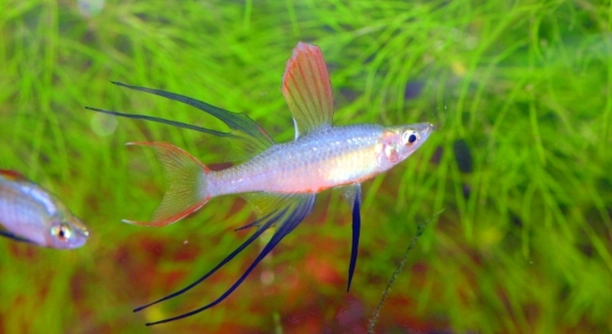
Do you ever notice your Threadfin Rainbowfish moving in patterns throughout the day? Observing these small, colorful fish can be relaxing, and over time you might start recognizing habits that suggest a natural daily rhythm in their behavior.
Threadfin Rainbowfish exhibit consistent patterns of activity influenced by light cycles and feeding times. These fish are diurnal, becoming more active during daylight hours, while resting at night, indicating that their behavior follows a predictable daily routine.
Understanding their daily rhythm helps ensure optimal care and a healthy environment for your fish, making it easier to maintain their well-being and natural behavior.
Daily Activity Patterns of Threadfin Rainbowfish
Threadfin Rainbowfish are active during the day and tend to rest at night, reflecting a clear diurnal pattern. In the morning, they often swim in small groups near the water surface, exploring and foraging for food. Midday typically brings calmer behavior, with fish resting among plants or hiding near tank structures. As evening approaches, they become more active again, often chasing each other in playful displays or following feeding routines. Their activity is influenced by lighting, tank setup, and consistent feeding times. Changes in these factors can alter their behavior, making it essential to maintain a stable environment. Observing these patterns closely allows you to recognize signs of stress or illness early. Maintaining predictable lighting cycles and feeding schedules supports their natural routine. By ensuring a consistent environment, you help your Threadfin Rainbowfish feel secure, active, and healthy throughout the day, which contributes to their overall longevity and well-being.
Recognizing these patterns is essential for monitoring health and creating a stress-free environment for your fish.
Consistency in care helps Threadfin Rainbowfish thrive, balancing activity, feeding, and rest within their daily schedule. Maintaining this routine ensures a vibrant and healthy aquarium.
Feeding and Behavior Interaction
Threadfin Rainbowfish respond strongly to feeding schedules, which influence their daily behavior.
Feeding at consistent times encourages predictable activity, reducing stress and supporting natural rhythms.
Feeding interactions can provide insight into their preferences and energy levels. These fish often become more active and visible when feeding time approaches, swimming near the surface or gathering in groups. Observing how they react can guide portion sizes and feeding frequency. Overfeeding or irregular schedules can lead to lethargy or stress, disrupting their normal activity. By noting the times and ways they respond, you can adjust their environment for optimal health. Feeding also provides mental stimulation, preventing boredom and promoting natural foraging behavior. Their response to food reflects overall well-being, making it a key aspect of monitoring daily routines. Creating a structured feeding plan supports their diurnal activity and helps maintain a stable, healthy tank environment where Threadfin Rainbowfish can flourish naturally.
Light and Environmental Influence
Light cycles play a major role in regulating Threadfin Rainbowfish activity. Consistent daylight and nighttime periods help them maintain a predictable routine. Sudden changes in light can cause stress and irregular behavior, making it important to provide stable lighting conditions.
Proper tank lighting encourages natural swimming patterns and feeding behaviors. Threadfin Rainbowfish are sensitive to abrupt light changes, which may lead to hiding or erratic swimming. Using a timer to simulate natural day and night cycles helps them adapt and stay active at appropriate times. Plants and decorations also influence movement, providing shelter and areas to explore. Maintaining consistent environmental cues allows these fish to thrive, supporting both physical and mental health. Monitoring their response to light changes ensures the aquarium remains a safe and comfortable space.
Temperature and water quality further affect daily activity patterns. Even minor fluctuations can alter swimming, feeding, and resting behaviors. Keeping water stable and clean supports a consistent routine. Threadfin Rainbowfish prefer slightly warm, well-oxygenated water, which keeps them energetic during the day. Observing changes in behavior in response to environmental shifts helps identify potential issues early. Providing stable conditions encourages predictable activity, reduces stress, and maintains overall health, ensuring the fish follow a reliable daily rhythm that reflects their natural habits in the wild.
Social Dynamics and Routine
Threadfin Rainbowfish establish routines within their groups, often swimming in coordinated patterns. Group behavior influences activity, feeding, and resting times, reinforcing daily structure.
Social interaction affects both movement and feeding efficiency. Fish in larger groups display more consistent activity, often following leaders or mimicking swimming patterns. Solitary or isolated fish may show irregular behavior and reduced activity. Dominance hierarchies also form, influencing access to food and preferred swimming zones. Observing social cues, such as chasing, schooling, and resting locations, provides insight into their daily rhythm. Ensuring a compatible group and adequate space helps maintain predictable routines, minimizes stress, and promotes natural social behaviors. Group dynamics are integral to maintaining the stability of Threadfin Rainbowfish daily schedules.
Balanced social structures improve health and behavior consistency. Proper group sizes prevent stress, encourage feeding, and maintain predictable activity. Environmental enrichment, such as plants and hiding spots, supports positive interactions. Threadfin Rainbowfish use social cues to signal feeding times and rest periods, which reinforces their daily routine. Careful observation of group behavior allows for adjustments to tank setup, ensuring all fish have access to food and safe areas. Managing social dynamics in the tank supports natural patterns, helping these fish remain active, healthy, and confident in their environment. Stable social conditions directly contribute to a predictable daily rhythm and overall well-being.
Feeding Timing and Consistency
Threadfin Rainbowfish respond best to regular feeding schedules. Predictable meal times encourage active swimming and foraging, reinforcing their daily routine.
Irregular feeding can lead to stress, lethargy, or aggression within the group. Consistency helps maintain energy levels and supports overall health, keeping their behavior stable and predictable.
Morning vs. Evening Activity
Morning hours often see the most activity, with fish exploring the tank and searching for food. Evening activity is calmer, with swimming focused on interaction within the group and settling into resting areas. Feeding schedules and light cycles influence these differences in activity levels.
Observing Stress Indicators
Changes in routine, erratic swimming, or hiding may indicate stress. Monitoring behavior closely helps identify environmental or social issues.
FAQ
Do Threadfin Rainbowfish need a strict feeding schedule?
Yes, maintaining a consistent feeding schedule helps Threadfin Rainbowfish stay active and healthy. These fish quickly adapt to predictable meal times, which encourages regular swimming, foraging, and social interaction. Irregular feeding can cause stress, reduced activity, or even aggression within the group. Using automatic feeders or setting fixed times daily can reinforce their natural routine. Observing how they respond to food allows you to adjust portions or timing for optimal well-being. A stable feeding routine also supports their energy levels and overall behavior consistency, keeping the aquarium environment calm and predictable.
How important is tank lighting for their daily routine?
Lighting plays a crucial role in regulating activity patterns. Threadfin Rainbowfish are diurnal and rely on light cues to determine active and resting periods. Sudden or inconsistent lighting can cause stress or irregular swimming behavior. A consistent light schedule, ideally simulating natural day and night cycles, helps maintain predictable activity and feeding times. Using a timer ensures stability, preventing abrupt changes that may confuse the fish. Light intensity should mimic natural conditions, with enough brightness for swimming and feeding but also areas of shade or shelter. This balance supports natural rhythms and overall health.
Do social interactions affect their daily behavior?
Yes, Threadfin Rainbowfish are social and often follow group patterns in swimming and feeding. Fish in larger, compatible groups display more consistent activity than solitary individuals. Dominance hierarchies can form, affecting access to food and resting spots. Observing social behavior helps ensure all fish thrive. Providing adequate space, hiding spots, and a balanced group reduces stress, encourages natural movement, and maintains predictable routines. Social interaction also promotes mental stimulation and healthy energy levels, reinforcing their daily patterns of activity and rest.
Can environmental changes disrupt their routine?
Environmental stability is essential. Sudden temperature shifts, poor water quality, or abrupt rearrangement of tank décor can disrupt activity and feeding patterns. Threadfin Rainbowfish respond best to calm, predictable surroundings. Regular maintenance, stable temperature, and clean water prevent stress and erratic behavior. Plants and decorations provide shelter and exploration areas, supporting natural daily rhythms. Monitoring their response to any changes allows early detection of issues, helping maintain consistent behavior. Stable conditions reduce stress, promote healthy activity, and support the fish’s natural diurnal routine.
How do I know if my fish are stressed?
Stress can appear as erratic swimming, hiding, or decreased activity. Skipping meals or avoiding group interaction are also indicators. Observing these behaviors early helps identify issues related to lighting, feeding, social dynamics, or water conditions. Maintaining a predictable environment and consistent routines reduces stress, ensuring that the fish remain active and healthy.
Do feeding and activity patterns change with age?
Yes, younger Threadfin Rainbowfish are generally more active and curious, exploring the tank and interacting frequently with others. Older fish may show calmer behavior, spending more time resting or hiding in shaded areas. Adjusting feeding and observation practices according to age helps maintain a stable routine and ensures each fish receives proper nutrition. Consistent schedules continue to be important, even as activity levels shift, to support overall health.
Is tank size important for their routine?
Tank size directly impacts swimming patterns and social behavior. A larger tank allows free movement, encourages natural schooling behavior, and prevents dominance conflicts. Overcrowded or small tanks increase stress, disrupt feeding routines, and reduce activity. Providing adequate space for exploration, hiding, and social interaction supports daily rhythms and overall health.
Do seasonal changes affect their daily behavior?
Threadfin Rainbowfish are sensitive to seasonal shifts in light and temperature, even in indoor tanks. Maintaining consistent conditions, including stable lighting and temperature, helps prevent irregular activity or stress. Seasonal adjustments in feeding may be necessary to align with changes in metabolism and energy needs. Ensuring a predictable environment throughout the year supports their natural daily routine and overall well-being.
Can supplements or vitamins affect their routine?
Providing occasional supplements, like vitamins or specialized feeds, can support health but should not replace a consistent diet. Sudden dietary changes can disrupt feeding behavior and daily activity. Introducing supplements gradually and consistently ensures that fish continue to follow normal patterns while receiving nutritional benefits. Regular observation helps gauge the impact of any additions on swimming and social activity.
How long does it take for their routine to stabilize?
Threadfin Rainbowfish usually establish a consistent routine within a few weeks if provided with stable environmental conditions, regular feeding, and a compatible group. Observing their response to light, feeding, and social cues allows adjustments to optimize their behavior. Patience and consistency are key, as sudden changes can reset or disrupt the routine. Once stabilized, their predictable activity and feeding patterns make it easier to monitor health and provide proper care.
This FAQ section provides guidance for maintaining predictable daily routines, understanding behavior, and ensuring the overall well-being of Threadfin Rainbowfish in a home aquarium.
Final Thoughts
Threadfin Rainbowfish are fascinating creatures that thrive in predictable and stable environments. Observing their behavior over time reveals clear patterns in activity, feeding, and rest. These fish are naturally diurnal, becoming active during daylight hours and resting at night. Maintaining consistent lighting, feeding schedules, and water conditions is essential to support these natural routines. When their environment is stable, they display healthy activity, explore the tank, and interact with their group. Sudden changes in light, temperature, or tank setup can disrupt their patterns, causing stress or irregular behavior. By carefully monitoring environmental factors, it is possible to create a space that allows Threadfin Rainbowfish to follow their natural rhythm comfortably. Small adjustments, such as using a timer for lights or feeding at the same times each day, can make a significant difference in maintaining a calm and active tank. Consistency is the key to helping these fish feel secure and thrive in a home aquarium.
Social interaction is another critical factor in their daily routine. Threadfin Rainbowfish are naturally schooling fish and rely on group behavior to establish patterns of movement and feeding. When kept in a compatible group, they show more predictable swimming patterns and active engagement with one another. Dominance hierarchies can form, which influence where they swim, rest, and how they access food. Providing adequate space, hiding spots, and structured feeding routines ensures that all fish have opportunities to engage comfortably without stress. Observing social behavior closely allows adjustments to group size or tank layout when necessary. By paying attention to how fish interact, it is possible to maintain predictable routines that reflect their natural behavior. Ensuring that they have both open swimming areas and places to retreat helps balance activity with rest, supporting overall well-being.
Finally, feeding and environmental stability play a large role in supporting a reliable routine. Consistent feeding times encourage active foraging and reduce stress, while high-quality food ensures proper nutrition and energy. Clean water, stable temperature, and well-placed decorations further contribute to a calm, predictable environment. Even minor disruptions in feeding schedules or environmental conditions can lead to changes in activity, hiding, or lethargy. By observing their daily patterns and making small adjustments to support natural behavior, Threadfin Rainbowfish remain healthy, active, and social. Maintaining these routines requires attention and patience, but the benefits are clear. A well-maintained environment allows these fish to flourish, providing both visual enjoyment and the satisfaction of knowing they are living in conditions that respect their natural habits and rhythms.

Hello,
If you enjoy the content that we create, please consider saying a "Thank You!" by leaving a tip.
Every little bit helps us continue crafting quality advice that supports the health, happiness, and well-being of pets around the world, for pets of all shapes, sizes, and species.
We really appreciate the kindness and support that you show us!