
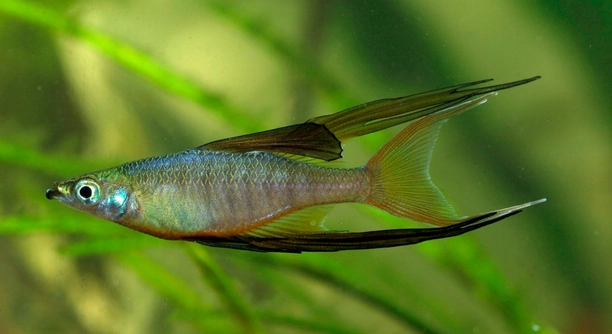
Are your threadfin rainbowfish showing unusual behavior or appearing restless in the tank? High temperatures can cause discomfort and stress for these delicate fish, affecting their health and overall well-being in ways that are easy to miss.
Threadfin rainbowfish are sensitive to elevated water temperatures. Signs of overheating include increased respiration, lethargy, clamped fins, faded coloration, erratic swimming, reduced appetite, and staying near cooler areas. Monitoring water temperature and adjusting heating is essential for their health.
Recognizing these signs early can prevent serious health problems and keep your fish thriving in a stable environment. Proper care ensures they remain vibrant and active.
Increased Gasping at the Surface
When threadfin rainbowfish are too hot, they often swim near the water’s surface and appear to gasp for air. This behavior occurs because warmer water holds less oxygen, making it harder for the fish to breathe. You may notice your fish lingering at the top of the tank, opening and closing their mouths more frequently than usual. In some cases, they may even hover near filters or areas where water movement increases oxygenation. Continuous observation is important, as prolonged exposure to high temperatures can lead to severe stress, weakening the immune system. Ensuring the tank is properly aerated and monitoring water temperature regularly can prevent these signs from escalating. It’s easy to underestimate how small changes in temperature affect your fish, but even a few degrees above their preferred range can cause noticeable discomfort. Adjusting the heater or adding cooling measures quickly can make a significant difference.
Gasping at the surface is a clear indicator of oxygen stress caused by high water temperatures, requiring immediate intervention.
Keeping the water within the ideal temperature range not only improves oxygen levels but also reduces stress-related behaviors. A well-oxygenated tank promotes healthy activity and feeding habits. Observing your fish closely and making adjustments can restore balance, keeping your rainbowfish active and comfortable. Small interventions, like improving water circulation or lowering temperature gradually, ensure your fish recover without added stress. Consistency is key, as sudden changes can create additional strain. Over time, maintaining a stable environment supports long-term health and vibrant coloration, making your tank a stable home where your fish thrive naturally.
Faded or Dull Colors
High temperatures can directly impact the pigmentation of threadfin rainbowfish, causing their colors to appear dull or faded. This change happens because heat stress affects their metabolism and overall health. When stressed, the fish may lose the bright shades that usually define their appearance. It’s important to monitor their color daily, as subtle changes can indicate rising stress levels before other symptoms appear. Adjusting water conditions and ensuring a proper diet can help mitigate fading.
Fading colors are a sign of heat stress that should not be ignored.
Prolonged exposure to elevated water temperatures can weaken the immune system, making your rainbowfish more vulnerable to disease. Faded colors often appear alongside lethargy, reduced appetite, and clamped fins. Immediate steps, such as reducing the water temperature gradually, improving aeration, and checking water quality, can prevent further health decline. Providing shaded areas or floating plants helps your fish feel secure and reduces direct exposure to heat. Additionally, a nutrient-rich diet supports recovery and helps restore natural coloration. By observing color changes and responding promptly, you maintain both the appearance and health of your threadfin rainbowfish, ensuring they remain vibrant and active over time.
Lethargy and Reduced Activity
High water temperatures can make threadfin rainbowfish unusually inactive. They may linger in one spot, swim slowly, or avoid exploring the tank, showing a clear drop in normal energy levels.
Prolonged heat exposure disrupts metabolism, causing fatigue and low energy. Your fish might stop interacting with tank mates or feeding as actively, which can weaken them further. Even minor increases in temperature above their ideal range can trigger this behavior. Monitoring activity levels is important because lethargy often appears before more severe health issues. Gradually lowering the water temperature and improving aeration can help restore their natural energy.
Lethargy also affects social behavior, making fish more prone to stress-related conflicts. Maintaining consistent temperature and providing shaded areas or plants encourages natural movement. Regular feeding schedules and monitoring response to food can indicate whether your rainbowfish are recovering. Small adjustments in tank care can have a significant impact on regaining their vitality and preventing long-term stress effects.
Clamped Fins
Threadfin rainbowfish often clamp their fins when experiencing heat stress, keeping them close to their body instead of spreading naturally. This behavior indicates discomfort and stress from the tank environment.
Clamped fins reduce swimming efficiency and can signal early stages of illness if heat persists. Prolonged stress weakens immune function, leaving fish more vulnerable to infections. Observing fin posture regularly provides insight into their well-being and highlights the need for prompt temperature adjustments. Gradual cooling and enhanced aeration can relieve stress and restore normal fin movement.
Maintaining a comfortable water temperature, consistent water quality, and proper nutrition supports recovery from clamped fins. Providing hiding spots or floating plants can make fish feel secure, reducing stress levels. Monitoring fin condition along with activity, color, and feeding habits ensures that your threadfin rainbowfish regain normal behavior and remain healthy in their aquatic environment.
Erratic Swimming
Threadfin rainbowfish may swim unpredictably when the water is too warm. They can dart suddenly, circle aimlessly, or bump into tank decorations, showing clear signs of stress.
Erratic swimming often occurs because high temperatures disrupt normal metabolism and oxygen levels. This behavior indicates discomfort and can lead to injury if not addressed promptly.
Reduced Appetite
High temperatures can cause your rainbowfish to eat less or ignore food entirely. Loss of appetite is a common stress response.
Prolonged reduced feeding can weaken their immune system and affect growth. Gradually lowering water temperature and ensuring optimal water quality can help restore normal eating patterns.
Staying Near Cooler Areas
Your fish may spend most of their time near the filter or shaded spots, avoiding warmer sections of the tank. This behavior is a clear sign of heat stress.
FAQ
Why are my threadfin rainbowfish gasping at the surface?
Gasping at the surface is often caused by low oxygen levels in the water, which happens when the temperature is too high. Warmer water holds less oxygen, making it harder for your fish to breathe. Improving aeration, reducing the heater, or adding water movement can help your fish feel more comfortable. Regular observation is key because persistent gasping can lead to severe stress and health issues.
What should I do if my rainbowfish’s colors are fading?
Faded colors are a sign of stress, often due to high water temperatures or poor water quality. Ensuring proper temperature, feeding a nutritious diet, and providing shaded areas can help restore their natural coloration. Quick intervention is important because prolonged stress can affect their immune system and overall health.
Why are my rainbowfish lethargic?
Lethargy is common when the tank is too warm. Heat slows their metabolism, making them less active and less likely to explore. Gradually lowering the water temperature, maintaining consistent water conditions, and monitoring their feeding can help restore energy levels. Small changes in tank care make a noticeable difference.
What does clamped fins indicate?
Clamped fins mean your fish is stressed, usually from high heat. The fins stay close to the body instead of spreading naturally. This behavior reduces swimming efficiency and can make them more vulnerable to disease. Gradual cooling, proper aeration, and providing hiding spots help your fish feel safe and recover.
Why is my fish swimming erratically?
Erratic swimming is another sign of heat stress. Fish may dart, spin, or bump into objects due to disrupted metabolism or low oxygen levels. This behavior can lead to injury if not addressed. Ensuring stable water temperature, good oxygenation, and a calm environment encourages normal swimming patterns.
Why has my rainbowfish stopped eating?
Loss of appetite is a common response to heat stress. When the water is too warm, their metabolism slows, and they may ignore food. Gradually lowering temperature and maintaining optimal water quality can encourage feeding again. Tracking feeding behavior helps you notice recovery or ongoing issues early.
Is it normal for my fish to stay near cooler areas?
Yes, this is a natural reaction to high temperatures. Fish seek cooler zones like shaded spots or areas near filters. This behavior signals stress and discomfort. Adjusting tank temperature and adding plants or hiding spots helps them regulate their body temperature safely.
How can I prevent heat stress in the future?
Regularly monitor your tank’s temperature with a reliable thermometer. Avoid placing the tank in direct sunlight, maintain proper aeration, and provide plants or decorations for shaded areas. Consistent water changes and feeding routines also support overall health, reducing the likelihood of stress from heat.
Can heat stress cause long-term health problems?
Yes, prolonged exposure to high temperatures weakens the immune system, reduces appetite, causes lethargy, and can lead to disease. Immediate action to restore safe water conditions and monitor behavior is essential to prevent lasting damage. Consistent care ensures your rainbowfish stay healthy and vibrant.
How quickly should I act if I notice heat stress signs?
Act immediately. Even small temperature increases can cause rapid stress in threadfin rainbowfish. Gradually lower the water temperature, improve aeration, and observe your fish closely. Early intervention prevents serious health issues and helps your fish recover quickly.
Final Thoughts
Threadfin rainbowfish are beautiful and lively fish, but they are very sensitive to water temperature. Keeping the tank within their ideal range is essential for their health and comfort. High temperatures can cause a range of issues, from gasping at the surface and clamped fins to faded colors and reduced activity. Each sign is a way your fish shows that something in their environment is not right. Observing their behavior closely and responding promptly can prevent these problems from becoming serious. Small adjustments, like regulating the heater, improving aeration, and adding shaded areas, can make a significant difference in their overall well-being. Consistent care is more effective than occasional fixes, as it ensures your fish remain active, colorful, and healthy over time.
It is important to remember that stress from high temperatures does not just affect behavior. Over time, prolonged exposure can weaken the immune system, making your rainbowfish more prone to disease. This is why noticing early signs, such as erratic swimming, staying near cooler spots, or loss of appetite, is critical. By monitoring the tank temperature regularly and maintaining consistent water quality, you reduce stress and support natural behaviors like feeding, exploring, and interacting with other fish. Simple measures like adding floating plants or increasing water movement can help your fish regulate their comfort level without introducing sudden changes that might cause more stress. A stable environment creates a safe and healthy space where your fish can thrive.
Caring for threadfin rainbowfish requires attention and patience, but the effort is rewarding. Seeing them display bright colors, swim actively, and respond naturally to their surroundings reflects the care invested in their environment. Understanding their needs, particularly regarding temperature, helps prevent common health issues and enhances their quality of life. While these fish are delicate, maintaining proper tank conditions, monitoring behavior, and responding to stress signals ensures they stay healthy and vibrant. Regular observation, small interventions, and a thoughtful approach to tank management provide a reliable way to protect your rainbowfish. Over time, these practices help maintain not only their physical health but also the natural energy and coloration that make them such engaging and beautiful aquarium inhabitants.

Hello,
If you enjoy the content that we create, please consider saying a "Thank You!" by leaving a tip.
Every little bit helps us continue crafting quality advice that supports the health, happiness, and well-being of pets around the world, for pets of all shapes, sizes, and species.
We really appreciate the kindness and support that you show us!