
Paragraph 1:
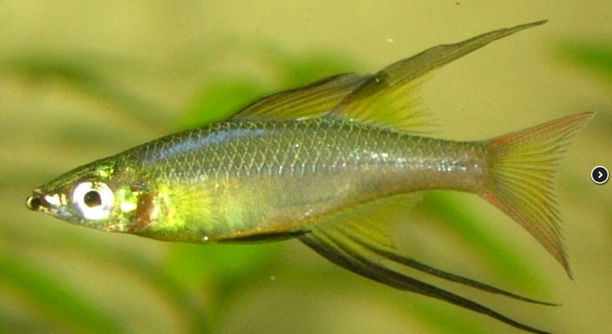
Threadfin rainbowfish are lively, colorful fish that brighten any home aquarium. Observing them during feeding can be enjoyable, but their movements may sometimes seem slow or uncoordinated, leaving owners wondering how to encourage more natural activity patterns.
Paragraph 2 (bolded):
Improving threadfin rainbowfish movement during feeding involves providing a varied diet, maintaining optimal water conditions, and ensuring sufficient space and hiding spots. These measures stimulate natural swimming behavior, promote activity, and enhance overall health in captive environments.
Paragraph 3:
Learning simple strategies to encourage their activity can make feeding time more engaging. Small adjustments in care routines often lead to noticeable improvements in their behavior.
Understanding Threadfin Rainbowfish Behavior
Threadfin rainbowfish are naturally active and curious. Their movements during feeding can vary based on water temperature, tank size, and diet. Observing them closely reveals that they often swim in schools, darting quickly when food is introduced. Overcrowded tanks can limit their movement and make them hesitant to approach food. It’s important to provide ample space and hiding spots so each fish feels secure. They respond well to gentle currents and areas of the tank where water flows steadily, which encourages swimming. Sudden changes in lighting or decorations can stress them, causing sluggish movements. Feeding at consistent times helps them anticipate food, which often leads to more lively swimming. Additionally, offering a mix of flake, frozen, and live foods triggers natural hunting behaviors. Regular observation lets you notice shifts in activity, helping you make small adjustments to diet or environment. Over time, these efforts result in more active and healthier fish, making feeding sessions more enjoyable for both you and the fish.
Providing variety in diet and stable tank conditions usually encourages fish to move more confidently and consistently during feeding.
Water quality, including pH levels and cleanliness, also plays a key role. Fish in poorly maintained tanks may appear lethargic. Regular water changes and careful monitoring of ammonia, nitrite, and nitrate levels can prevent stress. Proper lighting and temperature regulation mimic natural habitats, making fish more comfortable. Adding floating plants or decorations creates zones for exploration, which stimulates activity. Even small adjustments, like changing feeding spots or introducing new food textures, can make a noticeable difference. Observing their interactions during feeding reveals preferences and helps in planning a more engaging environment. Over time, these changes improve both physical fitness and natural behavior, making your aquarium a livelier space.
Optimizing Feeding Techniques
Feeding small amounts multiple times a day keeps fish active and reduces waste.
Using slow-release feeding or varying food types encourages them to move more and explore the tank. Rotating live foods with flakes or frozen options stimulates their natural instincts. Positioning food at different levels of the tank prevents fish from lingering in one spot. Some owners find that feeding near plants or decorations triggers darting and chasing behavior, which is closer to how they hunt in the wild. Timing feedings around lighting changes can also increase activity. Observing reactions allows small tweaks for better results.
Offering high-quality, nutrient-rich foods ensures that energy levels remain consistent throughout the day. Overfeeding can make fish sluggish, while underfeeding reduces interest in swimming. Balanced diets with protein, vitamins, and occasional live foods support health and natural behavior. Watching how fish respond to different feeding techniques helps identify the most stimulating routine. Adjusting water flow slightly during feeding can encourage movement and reduce competition among fish. Consistent practice of these methods over weeks gradually improves activity patterns. In addition to feeding strategies, maintaining a clean, spacious tank with proper temperature and lighting reinforces positive behavior. Combining environmental care with thoughtful feeding keeps threadfin rainbowfish lively, healthy, and engaged during each session, making your aquarium feel more dynamic.
Enhancing Tank Environment
Adding plants and decorations creates hiding spots that encourage natural movement and exploration. Fish swim more actively when they have areas to investigate or retreat to, reducing stress and improving feeding behavior overall.
Proper placement of decorations is key. Open swimming areas should balance with plants and ornaments so fish can move freely. Floating plants help diffuse light and create shaded zones, which makes fish more comfortable. Rocks and driftwood provide vertical space, encouraging climbing and darting behaviors during feeding. Even small additions, like a few plants or a gentle current, can make a significant difference. Observing how fish interact with these elements allows gradual adjustment, promoting healthier activity patterns without overcrowding the tank or limiting swimming space.
Maintaining cleanliness around decorations is important. Algae buildup or debris can discourage movement and make fish hesitant to explore certain areas. Regularly checking water flow ensures that currents remain gentle, preventing stress while encouraging exercise. By carefully arranging decorations and providing open swimming paths, threadfin rainbowfish will display more lively feeding behavior. Over time, this environment supports overall health and natural instincts, allowing fish to thrive and respond actively whenever food is introduced.
Feeding Schedule Strategies
Consistent feeding times help fish anticipate food, leading to more energetic movements during feeding sessions.
Feeding multiple small portions throughout the day keeps energy levels stable and prevents sluggishness. Observing fish responses to timing can help fine-tune the schedule. Some fish may respond better to morning feedings, while others become more active in the evening. Rotating food types at these times—flakes, frozen, or live foods—maintains interest and stimulates natural hunting behavior. Adjusting the pace and frequency of feedings gradually encourages sustained movement rather than short bursts. Keeping a predictable routine allows fish to form habits that enhance activity.
Combining feeding schedules with environmental cues increases effectiveness. Slightly varying the location of food or introducing it near plants promotes darting and exploration. Ensuring consistent water temperature and quality during feeding times further supports energy and activity. Tracking how fish respond over weeks provides insight into optimal portions, timing, and food types. This approach prevents boredom and lethargy, while reinforcing natural behavior. By integrating structured schedules with environmental stimulation, threadfin rainbowfish maintain a more dynamic and healthy presence in the aquarium, making feeding times both lively and beneficial.
Water Flow and Circulation
Gentle water currents encourage threadfin rainbowfish to swim more actively during feeding. Proper flow helps distribute food evenly, preventing competition and ensuring all fish get access.
Positioning filters and pumps to create light movement without strong turbulence allows fish to exercise naturally. Observing their swimming patterns helps identify the best setup for consistent activity.
Tank Size Considerations
Providing ample swimming space directly impacts movement. Smaller tanks limit activity and can make fish appear sluggish or hesitant during feeding. Larger tanks support natural schooling behavior and reduce stress. Adequate vertical and horizontal space allows fish to explore, chase food, and interact freely, enhancing feeding dynamics.
Observation and Adjustment
Careful observation lets you notice subtle changes in behavior. Tracking activity patterns during feeding helps identify needs and fine-tune care routines.
Light and Temperature
Proper lighting and stable temperature improve overall energy and responsiveness. Threadfin rainbowfish are more active under consistent, moderate conditions that mimic their natural environment.
FAQ
How often should I feed my threadfin rainbowfish?
Feeding small portions two to three times a day is ideal. This keeps energy levels stable and encourages movement. Avoid large single feedings, which can make them sluggish and reduce activity. Consistent timing helps fish anticipate food and increases their natural swimming behavior.
What types of food are best for promoting active swimming?
A mix of flake, frozen, and live foods is most effective. Flakes provide daily nutrition, frozen foods add variety, and live foods trigger natural hunting instincts. Rotating food types keeps fish engaged and encourages darting, chasing, and exploring during feeding sessions.
Can tank decorations affect feeding behavior?
Yes, decorations like plants, driftwood, and rocks create hiding spots and exploration areas. Fish move more actively when they can navigate around obstacles. Open swimming spaces combined with shaded or covered zones promote natural movement and reduce stress during feeding.
Does water quality influence their activity?
Absolutely. Poor water quality can make fish lethargic. Regular monitoring of ammonia, nitrite, and nitrate levels, along with weekly water changes, keeps fish healthy. Clean water and stable pH levels support consistent activity and encourage more lively feeding behavior.
How does tank size impact movement during feeding?
Smaller tanks restrict swimming and reduce activity. Larger tanks allow fish to school naturally and explore. Adequate vertical and horizontal space promotes chasing, darting, and interaction. Providing both open swimming areas and hiding zones balances comfort with activity.
Should I adjust lighting for feeding times?
Moderate, consistent lighting encourages activity. Sudden changes in light can stress fish, causing sluggish movements. Using lighting that mimics natural conditions helps fish feel secure and improves responsiveness when food is introduced.
Does water flow make a difference?
Gentle currents stimulate swimming and help distribute food evenly. Position filters and pumps to avoid strong turbulence. Light movement encourages exercise without causing stress, supporting natural behaviors during feeding.
Can temperature changes affect feeding activity?
Yes, stable water temperature is essential. Sudden drops or rises can make fish lethargic. Maintaining temperature appropriate for threadfin rainbowfish keeps energy levels consistent, making them more responsive and lively during feeding sessions.
How can I tell if my feeding strategy is effective?
Observe fish during meals. Active swimming, chasing food, and exploration are signs of a successful strategy. Lethargy, hiding, or lack of interest indicates adjustments in diet, timing, or environment are needed. Track responses and tweak routines gradually.
Is it important to monitor fish interactions during feeding?
Yes, watching how fish interact helps prevent competition or stress. Ensuring all fish get access to food and adjusting portion sizes or distribution areas promotes healthy movement. Monitoring interactions also reveals preferences and activity patterns.
Can adjusting food placement improve movement?
Yes, offering food at different levels or near decorations encourages darting and exploring. Changing locations gradually stimulates natural foraging behavior and prevents fish from becoming stationary, promoting overall activity during feeding.
Are there long-term benefits to improving movement during feeding?
Consistently encouraging activity strengthens muscles, supports healthy metabolism, and reduces stress. Active fish display natural behaviors more reliably, maintain better overall health, and enhance the visual appeal of the aquarium.
How long does it take to see improvements in activity?
With consistent care, changes can be noticed within a few weeks. Small adjustments in feeding, environment, and monitoring gradually result in more lively and responsive behavior, making each feeding session more dynamic.
Can overcrowding affect feeding movement?
Yes, overcrowding limits swimming space, increases stress, and reduces activity. Ensuring appropriate stocking levels allows fish to swim freely, explore the tank, and engage fully during feeding, supporting healthier and more natural movement.
Does water chemistry influence responsiveness to feeding?
Stable water chemistry is crucial. Imbalances in pH, hardness, or mineral content can reduce energy and slow movements. Regular testing and adjustments maintain optimal conditions, encouraging active swimming and natural responses during feeding sessions.
Should I provide hiding spots specifically for feeding?
Hiding spots help fish feel safe and reduce stress, which promotes more confident movement during feeding. Placing food near these areas can encourage darting, exploration, and engagement with the environment, enhancing natural behaviors.
Can changing food types too often stress the fish?
Frequent sudden changes can cause hesitation. Gradual introduction of new foods encourages curiosity without overwhelming the fish. Rotating textures and types slowly supports consistent activity while maintaining nutrition.
How important is consistency in all aspects of care for feeding activity?
Consistency in feeding times, food types, water quality, temperature, and lighting ensures predictable conditions. Predictability reduces stress and encourages routine activity during feeding. Threadfin rainbowfish respond best to steady care combined with occasional environmental stimulation.
Do all fish respond the same way to feeding improvements?
Individual fish have slightly different behaviors and preferences. Some may be naturally more active, while others need gradual encouragement. Observing each fish helps tailor feeding strategies to maximize movement and responsiveness across the group.
Can exercise outside feeding times improve feeding activity?
Yes, general activity in the tank maintains energy and promotes natural behavior. Providing space, gentle currents, and interactive elements encourages movement, which carries over into more lively feeding sessions and overall health.
Is live food necessary for stimulating movement?
Live food is not strictly necessary but highly effective. It triggers hunting instincts, promotes darting and chasing, and adds variety. Combining live food with flakes or frozen options provides both nutrition and behavioral stimulation.
How do I prevent sluggish behavior over time?
Maintain consistent feeding, clean water, appropriate tank size, gentle currents, and environmental enrichment. Regular observation and small adjustments ensure fish remain active. Avoid overfeeding or sudden changes that can reduce energy and responsiveness.
Can subtle changes in water temperature or lighting improve activity?
Yes, slight adjustments can enhance natural behavior. Avoid extreme fluctuations. Small, consistent shifts timed with feeding can stimulate movement, encouraging exploration and more responsive feeding behavior without causing stress.
What are the signs that my rainbowfish are healthy and active during feeding?
Lively swimming, coordinated school movements, chasing food, and exploring the tank are positive signs. Fish should appear curious, responsive, and energetic. Any prolonged lethargy, hiding, or lack of interest indicates a need to review diet, environment, or care routines.
Are there ways to encourage shy or timid fish to move during feeding?
Introduce food gradually near hiding spots and observe reactions. Using smaller portions, gentle currents, and rotating locations can coax shy fish into activity. Ensuring a stress-free environment with ample space and security promotes confident movement.
Can overfeeding affect natural movement?
Yes, overfeeding can make fish sluggish and reduce swimming activity. Stick to recommended portions, provide multiple small feedings, and monitor behavior to maintain healthy energy levels and consistent movement during feeding sessions.
How do I balance feeding for multiple fish in one tank?
Distribute food evenly across the tank to prevent competition. Observe feeding behavior to ensure all fish get access. Combining small portions, multiple locations, and rotating food types helps maintain activity and reduces stress among tank mates.
Does introducing new tank mates affect feeding activity?
Yes, new fish can increase stress or competition temporarily. Introduce slowly, monitor behavior, and maintain sufficient space. Over time, fish adapt, and feeding activity returns to normal or improves as the group becomes comfortable.
Can water hardness influence energy and movement?
Yes, water that is too soft or too hard can affect metabolism and activity. Maintaining recommended hardness levels for threadfin rainbowfish ensures energy efficiency, supporting lively swimming and consistent engagement during feeding.
Is it necessary to vary feeding height or location?
Yes, varying placement encourages darting, exploration, and interaction with the environment. Feeding at different levels and areas promotes natural foraging behavior and keeps fish active throughout the feeding session.
Do seasonal changes affect feeding activity?
Mild seasonal changes in temperature or light can influence energy levels. Maintaining stable conditions minimizes the impact, keeping fish active year-round. Adjust feeding times and routines as necessary to match their energy cycles and behavior patterns.
How important is observation for long-term activity improvements?
Observation is critical. Regularly watching how fish move, interact, and respond to feeding allows adjustments to diet, environment, and care routines. Small changes based on observation result in healthier, more active fish over time.
Can sudden tank changes impact feeding behavior?
Yes, sudden changes in water, decorations, or lighting can stress fish and reduce movement. Gradual adjustments help them adapt, maintaining active and natural feeding behavior without causing lethargy or hiding.
Is social interaction among fish important for feeding movement?
Yes, schooling and interaction encourage movement. Fish swim more actively when they feel part of a group. Adequate space and compatible tank mates enhance social behaviors, making feeding sessions lively and engaging.
How can I track improvements in activity over time?
Take notes or record short observations during feeding sessions. Track swimming patterns, darting frequency, and interactions. Comparing changes over weeks shows the effectiveness of feeding strategies, environmental adjustments, and overall care practices.
Can feeding with a target, like a floating stick or spot, improve movement?
Yes, offering food in specific areas encourages chasing, darting, and exploration. It adds variety, stimulates hunting instincts, and promotes more natural, active feeding behaviors across the tank.
Are there foods to avoid that reduce activity?
Low-quality, overly processed, or stale foods can reduce energy and interest. Stick to high-quality flakes, frozen, or live foods. Fresh, nutrient-rich options encourage movement, responsiveness, and healthier feeding behaviors.
Does water clarity affect feeding behavior?
Yes, murky or dirty water can reduce visibility and make fish hesitant. Clean, clear water ensures they can see food, interact naturally, and maintain active swimming during feeding sessions.
Can pairing certain foods with temperature adjustments boost activity?
Yes, slightly warmer water during feedings can stimulate metabolism and movement, especially when introducing live or frozen foods. Maintain safe, gradual adjustments to avoid stress while enhancing activity levels.
How do I balance feeding strategies with environmental enrichment?
Combining consistent feeding routines, varied foods, proper tank setup, gentle currents, and hiding spots promotes active swimming and natural behavior. Environmental enrichment complements feeding, ensuring fish stay engaged, energetic, and healthy throughout the day.
What is the main takeaway for maintaining active threadfin rainbowfish?
Consistency in diet, feeding routines, tank conditions, water quality, and observation promotes natural movement. Thoughtful adjustments, environmental enrichment, and attention to individual fish behavior support active, healthy, and responsive fish during all feeding sessions.
How long should I expect to maintain these practices for optimal results?
These strategies require ongoing attention. Continuous care, monitoring, and gradual adjustments ensure long-term activity and health. Active feeding behavior improves over weeks and can be sustained indefinitely with consistent, mindful care.
Can I combine multiple strategies at once?
Yes, integrating diet variety, tank setup, feeding schedules, and environmental enrichment is most effective. Coordinated care maximizes movement, reduces stress, and encourages natural feeding behaviors for all threadfin rainbowfish in the tank.
Do shy fish need separate strategies?
Yes, shy or timid fish benefit from gradual food introduction, safe hiding spots, and gentle currents. Observing and adjusting strategies individually ensures all fish engage actively without stress or competition.
How does exercise outside feeding times help?
Providing space and gentle currents encourages swimming between feedings. Active fish maintain muscle tone and energy, making them more responsive and lively during actual feeding sessions.
Are supplements necessary to improve activity?
Not always, but occasional vitamin or protein-rich supplements can enhance energy and responsiveness. Focus on high-quality, balanced diets first, using supplements only as needed for extra stimulation or nutrition.
Can tankmates influence feeding activity positively?
Yes, compatible tankmates encourage schooling and chasing, increasing overall activity. Avoid aggressive or overly dominant species, as they can reduce movement and create stress, negatively affecting feeding behavior.
Should I document feeding sessions?
Yes, notes or brief recordings help track changes in movement, diet response, and behavior. Documentation allows precise adjustments, ensuring long-term success in maintaining active and healthy fish.
How often should I reassess my strategies?
Reassess every few weeks or whenever noticeable changes occur. Monitoring allows gradual improvements, ensuring fish remain active, healthy, and engaged during feeding sessions.
Can feeding techniques reduce stress?
Yes, consistent schedules, gentle currents, appropriate tank space, and gradual introduction of food and environmental changes reduce stress and encourage natural, active behavior during feeding.
Is patience important when implementing changes?
Yes, gradual adjustments and careful observation prevent stress. Patience allows fish to adapt naturally, leading to consistent improvements in activity and engagement over time.
How do I know if my fish are enjoying feeding sessions?
Signs include lively swimming, coordinated schooling, chasing food, exploring the tank, and responsiveness to new foods. Positive behavior indicates engagement and comfort within the environment.
Can seasonal light changes improve behavior?
Subtle, consistent light variations mimicking natural cycles can boost activity. Avoid sudden shifts, which may stress fish and reduce feeding responsiveness.
Should I rotate feeding locations?
Yes, rotating placement encourages exploration and prevents stationary behavior. Feeding near plants, rocks, or open areas promotes darting, chasing, and more natural swimming patterns.
How can I ensure all fish benefit from feeding improvements?
Observe individual behavior, adjust portion sizes, and provide multiple feeding points. This ensures shy or less competitive fish remain active and receive nutrition without stress or overcrowding.
Can subtle environmental adjustments enhance energy?
Yes, minor changes like gentle currents, rearranged decorations, or added plants stimulate exploration and improve overall activity during feeding.
What role does social hierarchy play in feeding activity?
Dominant fish may eat first, discouraging others. Multiple feeding points and sufficient space prevent stress and ensure all fish stay active during feeding.
Are there warning signs that strategies need adjustment?
Yes, lethargy, hiding, reduced chasing, or irregular schooling indicate adjustments in feeding, tank conditions, or environmental enrichment are necessary. Prompt response maintains activity and health.
Do temperature, light, and flow work best together?
Yes, stable temperature, consistent moderate lighting, and gentle water flow create conditions that encourage active swimming and natural feeding behavior for threadfin rainbowfish.
How important is variety in long-term feeding strategies?
Variety maintains interest and stimulation. Rotating food types, feeding locations, and environmental cues prevents boredom and encourages consistent activity across all fish.
Can adding live food occasionally improve overall health?
Yes, live food stimulates hunting instincts, enhances activity, and provides balanced nutrition, complementing flakes or frozen options to maintain energy and natural behavior.
Should I combine multiple behavioral strategies at once?
Yes, integrating diet, environment, water quality, and observation produces the most noticeable improvements. Coordinated care maximizes movement and ensures consistent, healthy activity during feeding.
Is there a risk of overstimulation?
Minimal if changes are gradual. Sudden or extreme adjustments in food, lighting, or currents can stress fish. Gradual integration keeps activity natural and healthy.
Do all interventions show results immediately?
No, results are gradual. Consistency over weeks produces steady improvements in swimming activity, responsiveness, and natural behavior during feeding sessions.
How do I maintain improvements long-term?
Ongoing attention to feeding routines, diet variety, tank environment, and observation is essential. Gradual adjustments and consistent care sustain active and healthy behavior indefinitely.
What is the key to active, healthy threadfin rainbowfish?
Balanced diet, proper tank setup, gentle water flow, consistent feeding schedules, environmental enrichment, and careful observation combine to support natural movement and engagement during feeding.
How can I adjust for individual fish needs?
Observe each fish, note preferences, and provide adjustments in food placement, portion, and environmental features. Tailored care ensures all fish stay active and healthy.
Does fish age affect movement during feeding?
Older fish may move more slowly but still benefit from consistent care, proper diet, and environmental enrichment. Adjust feeding portions and locations to match energy levels.
Can subtle changes in environment encourage exploration?
Yes, adding new decorations, rearranging plants, or adjusting water flow gradually promotes curiosity and activity without stress.
How do I prevent boredom in the tank?
Rotate food types, feeding locations, and environmental features. Gentle currents and interaction zones maintain engagement, stimulating natural swimming and hunting behaviors.
Is it worth tracking long-term trends?
Yes, tracking movement, feeding responses, and interactions over time reveals effective strategies and supports adjustments to maintain consistent activity and health.
How can I encourage timid fish without stressing others?
Provide separate feeding spots, use gentle currents, and introduce new foods gradually. Observation ensures shy fish gain confidence without disrupting more active tank mates.
Are there quick ways to improve feeding movement?
Small changes like repositioning food, introducing live foods, or adding a gentle current can stimulate activity immediately, though long-term improvements require consistency and observation.
What’s the best approach to combine diet, environment, and observation?
Integrate varied, high-quality food, proper tank setup, gentle water flow, and careful monitoring. Adjust strategies based on individual fish behavior to maximize natural movement and responsiveness.
How do I know if my care methods are effective?
Active swimming, chasing food, exploring the tank, and responsive behavior indicate success. Regular observation and adjustments maintain healthy activity.
Is there a final tip for long-term success?
Patience, consistency, and careful observation are key. Gradual improvements in feeding, environment, and routine create sustained activity and healthier, more responsive threadfin rainbowfish.
How often should I re-evaluate tank conditions?
Every few weeks or after noticing behavioral changes. Consistent monitoring ensures that water quality, temperature, and environment remain optimal for active feeding behavior.
Can minor stressors affect movement during feeding?
Yes, sudden noise, vibrations, or handling can reduce activity. Minimizing disturbances encourages confident swimming and natural behavior during feeding sessions.
How do I maintain balance between stimulation and comfort?
Provide enough environmental enrichment to encourage movement while maintaining secure areas for resting. Gentle currents, hiding spots, and gradual changes support active, stress-free feeding.
Is it necessary to make all changes at once?
No, gradual integration is more effective. Step-by-step adjustments allow fish to adapt naturally, maintaining energy, reducing stress, and encouraging consistent activity.
How can I encourage fish to explore new areas of the tank?
Place food near new decorations, rearrange existing plants, or add gentle currents. Fish gradually explore unfamiliar zones, increasing activity and natural feeding behavior.
Do lighting cycles influence feeding response?
Consistent daily light cycles mimic natural conditions, encouraging predictable activity. Sudden shifts should be avoided, but gradual changes can stimulate movement and engagement during feeding.
Can live plants improve feeding activity?
Yes, floating or rooted plants provide shaded zones and obstacles, stimulating exploration and darting behavior, making feeding more engaging and natural.
**How important is water temperature consistency
Final Thoughts
Threadfin rainbowfish are lively, delicate fish that respond well to thoughtful care. Encouraging active movement during feeding not only improves their health but also makes observing them more enjoyable. Small, consistent adjustments in diet, tank environment, and feeding routines can have a big impact over time. Feeding multiple small portions throughout the day helps maintain energy levels and stimulates natural swimming behavior. Rotating food types—flakes, frozen, and live options—keeps them interested and triggers instincts like chasing and exploring. These behaviors are part of their natural patterns and help prevent lethargy or stress that can occur in a confined aquarium setting.
Tank setup plays a key role in supporting active feeding. Providing a balance between open swimming spaces and areas with plants, rocks, or driftwood encourages exploration and hiding. Gentle currents help distribute food and promote exercise without causing stress. Proper lighting, water temperature, and water quality also contribute to energy and responsiveness. Consistency in these factors reduces hesitation during feeding and allows fish to develop predictable habits. Overcrowding should be avoided, as it limits movement and can increase stress, which affects both behavior and overall health. Observing fish regularly is important to understand their individual preferences and interactions. This lets you make small adjustments, such as relocating decorations or repositioning food, which can significantly improve activity during feeding sessions.
Maintaining these practices over time ensures threadfin rainbowfish remain healthy and active. Monitoring water chemistry, keeping tanks clean, and adjusting environmental factors gradually help fish adapt without stress. Encouraging movement during feeding has long-term benefits, including improved muscle tone, stronger immune systems, and more natural behavior. Even shy or timid fish can become more confident with careful attention and consistent care. By combining balanced feeding strategies, environmental enrichment, and ongoing observation, you create an aquarium where fish thrive. Paying attention to small details in care routines produces a healthier, more dynamic aquatic environment, making feeding times both engaging and beneficial for the fish.

Hello,
If you enjoy the content that we create, please consider saying a "Thank You!" by leaving a tip.
Every little bit helps us continue crafting quality advice that supports the health, happiness, and well-being of pets around the world, for pets of all shapes, sizes, and species.
We really appreciate the kindness and support that you show us!