
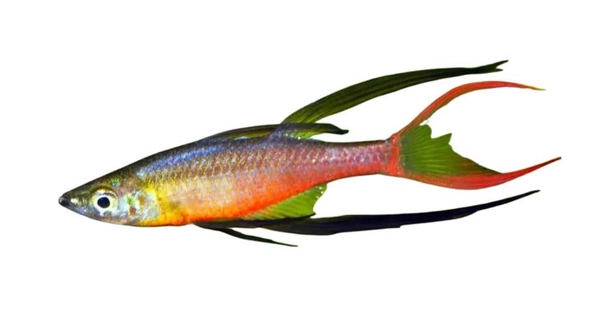
Do you ever notice how some aquarium fish seem to explore every corner of their tank while others stick to one spot? Threadfin rainbowfish are known for their active behavior and striking colors in freshwater setups. Their constant movement makes them engaging and lively pets to watch, adding dynamic energy to home aquariums and creating a more natural environment for observation.
Threadfin rainbowfish may avoid filter bubbles due to their agile swimming patterns and natural preference for open, low-turbulence water. Their morphology and behavior reduce the likelihood of interacting with surface bubbles, allowing them to maintain consistent feeding and social routines.
Observing these fish in their tank environment can reveal subtle patterns that affect both their comfort and overall well-being. Understanding these behaviors helps create a healthier, more balanced habitat for your rainbowfish companions.
Swimming Patterns and Bubble Avoidance
Threadfin rainbowfish are naturally active swimmers, often gliding in groups near the middle and top layers of the tank. They avoid stagnant areas where bubbles accumulate, preferring clear swimming paths. Their slender bodies and forked tails allow them to maneuver quickly, making sudden changes in direction effortless. This constant movement reduces the likelihood of encountering filter bubbles, which can collect near filters or corners. Observing them, you notice they rarely linger under air stones or turbulent areas, instead opting for calm zones with moderate flow. The fish often respond to sudden water disturbances by darting away, showing a natural sensitivity to bubbles and surface motion. Their social behavior also plays a role; when one fish moves away from bubbles, others follow, maintaining group cohesion. Tank design can influence this behavior, as decorations, plants, and open swimming space allow them to choose paths away from bubbles. Providing enough vertical and horizontal swimming room helps them maintain comfort while minimizing surface interactions.
This active swimming pattern directly contributes to their avoidance of filter bubbles. Their natural movement and sensitivity to water flow allow them to navigate around areas with turbulence, maintaining stable and stress-free conditions in the aquarium.
Understanding their swimming habits can improve tank management. Positioning filters strategically, maintaining gentle currents, and adding floating plants or mid-level cover can give rainbowfish options to avoid bubbles. Adjusting air stone output or filter flow ensures fish can explore freely without constant surface disturbance. Over time, noticing patterns in their preferred swimming zones helps identify stress points or areas they naturally avoid. Proper tank setup balances aesthetics, water movement, and the fish’s comfort, creating an environment where they thrive. Observing these subtle behaviors makes it easier to anticipate how changes to tank layout or equipment might affect daily activity. For aquarists, maintaining a low-turbulence zone encourages natural schooling and feeding behaviors, reducing stress and promoting overall health. It’s a practical approach that enhances both the fish’s well-being and the enjoyment of watching them interact naturally within the tank space.
Tank Setup and Environmental Influence
Positioning decorations and plants carefully can help rainbowfish avoid bubbles while swimming freely. Proper layout creates calmer zones.
A well-planned tank setup considers both water flow and space. Open areas allow fish to glide without encountering constant turbulence. Mid-level plants, driftwood, or rocks provide gentle barriers that naturally redirect swimming paths, preventing prolonged contact with surface bubbles. Air stones or strong filters placed in corners rather than central swimming zones reduce bubble accumulation in high-traffic areas. Observing how rainbowfish move in response to these features helps refine tank design. Adjusting equipment output, such as filter flow or air pump speed, allows customization based on the fish’s behavior. When rainbowfish have multiple options to navigate, they feel more secure and maintain normal social interactions. Tank setup also affects feeding; calm areas allow for easy access to food without competition or stress from water movement. Overall, creating a balanced environment with thoughtful flow management and strategically placed decor supports healthy, active rainbowfish that interact naturally while minimizing unnecessary exposure to bubbles.
Diet and Feeding Behavior
Threadfin rainbowfish often feed near the middle of the tank, avoiding surface bubbles while foraging. Their small mouths allow them to pick at tiny flakes, pellets, or live foods without needing to interact with turbulent water.
Their feeding patterns are influenced by both diet type and tank conditions. Floating flakes can create surface disturbance, so rainbowfish often adjust by swimming slightly below, ensuring they can feed efficiently without struggling against bubbles. They also exhibit schooling behavior, which helps them stay coordinated while feeding. Live foods like brine shrimp or daphnia naturally sink or hover, allowing fish to feed calmly in low-turbulence zones. Observing their response to different foods can help aquarists adjust feeding locations and strategies. This ensures every fish has access to nutrients while minimizing stress caused by surface activity. Feeding in calmer areas also reduces the risk of uneaten food accumulating near filters, maintaining cleaner water and better overall health.
Feeding behavior also links to their daily activity cycles. Rainbowfish often start in calm mid-water zones in the morning and gradually move to slightly higher levels as they become more active. Consistent feeding routines help maintain their natural rhythm, reducing unnecessary movement near air stones or high-bubble zones. By placing food strategically and monitoring their preferred swimming areas, aquarists can promote effective feeding and ensure rainbowfish stay healthy while avoiding surface bubbles. Observing these subtle behaviors also helps refine tank maintenance practices, improving water quality and the overall comfort of the fish.
Social Behavior and Group Dynamics
Threadfin rainbowfish move in coordinated groups, often following the lead of more confident individuals to avoid turbulent zones. Schooling reduces stress and improves survival instincts.
Social dynamics influence bubble avoidance. When one fish moves away from surface disturbances, others follow, creating a chain reaction that maintains cohesion. Dominant fish usually choose paths through calmer areas, and the group adapts quickly. This behavior ensures that even less agile or younger fish can navigate the tank safely without repeatedly encountering bubbles. Schooling also allows fish to forage together in low-turbulence zones, making feeding more efficient and reducing competition. By observing their interactions, it becomes clear that group behavior minimizes unnecessary exposure to stressful areas, supporting overall health and stability in the aquarium environment.
Water Flow Preferences
Threadfin rainbowfish prefer moderate, steady water flow, avoiding areas with strong currents or surface turbulence. Calm zones allow them to swim freely without constant disruption.
They naturally select mid-level and open swimming areas where bubbles from filters or air stones are minimal. This preference supports consistent activity, feeding, and social interactions.
Stress Response to Turbulence
Excessive bubbles or strong water currents can cause stress in rainbowfish, leading to erratic swimming or hiding. Minimizing surface turbulence helps maintain calm behavior and normal routines.
Tank Placement Strategies
Placing filters and air stones strategically reduces bubble accumulation in central swimming zones. Adjusting equipment flow allows rainbowfish to navigate comfortably while maintaining group cohesion.
Observation and Adjustment
Regularly monitoring fish behavior in response to tank conditions helps identify high-bubble areas. Minor adjustments can improve comfort, feeding, and social interactions without drastic changes.
FAQ
Why do Threadfin rainbowfish avoid filter bubbles?
Threadfin rainbowfish naturally swim in open water away from turbulent areas. Their agile bodies and schooling behavior help them navigate around surface bubbles. Strong currents or clusters of bubbles can stress them, so they instinctively choose calmer zones for feeding and socializing.
How can I adjust my tank to reduce bubble exposure?
Position filters and air stones in corners or behind decorations rather than in central swimming areas. Reducing air pump output or using diffusers to soften bubbles creates calmer zones. Adding mid-level plants or floating cover provides alternative paths for fish to swim without encountering turbulence.
Do all rainbowfish avoid bubbles equally?
While most Threadfin rainbowfish display this behavior, some individuals are bolder or more agile, occasionally exploring areas with light surface disturbance. However, generally, the group follows calmer zones, and dominant fish lead the way, helping maintain school cohesion and reducing unnecessary stress.
Can bubble exposure affect feeding habits?
Yes, high bubble concentrations can interfere with feeding. Fish often swim slightly lower to avoid surface bubbles while eating, especially with floating flakes. Live or sinking foods are less impacted, allowing fish to feed calmly in mid-water zones without disruption. Strategic feeding placement improves nutrition and reduces competition.
Does tank size influence bubble avoidance?
Larger tanks offer more swimming space and options to avoid bubbles, while smaller tanks may force fish closer to filters or air stones. Open areas, gentle currents, and vertical space help rainbowfish maintain normal activity patterns without constant exposure to turbulent water.
How do social dynamics impact bubble avoidance?
Schooling behavior plays a big role. When one fish moves away from bubbles, others follow. Dominant individuals often choose calmer paths, and the group adapts, helping even younger or less agile fish avoid stressful zones. Cohesion ensures feeding, swimming, and social interactions occur in low-turbulence areas.
Can decorations help rainbowfish avoid bubbles?
Yes. Driftwood, plants, and rocks can redirect swimming paths away from bubble-rich areas. Floating or mid-level plants create shaded zones where fish can rest or feed comfortably. Proper placement of decor helps fish feel secure while minimizing unnecessary exposure to turbulent water.
Does water flow adjustment reduce stress?
Moderate and steady water flow is ideal. Strong currents near filters or air stones create surface bubbles that can stress rainbowfish. Adjusting filter output or redirecting water flow allows them to swim naturally, maintain normal schooling, and reduce erratic movements caused by turbulence.
Are there signs that rainbowfish are stressed by bubbles?
Signs include erratic swimming, sudden darting, hiding, or avoiding certain areas of the tank. Fish may also show reduced feeding or altered social interactions. Observing these behaviors helps identify high-bubble zones and prompts adjustments to tank setup or equipment placement.
How often should tank conditions be checked for bubble impact?
Regular monitoring is important. Observing fish daily helps spot areas with excessive turbulence or stress indicators. Minor adjustments, like repositioning filters or trimming plants, can improve comfort. Consistent observation ensures rainbowfish maintain healthy activity patterns and overall well-being in the aquarium.
Does temperature or water quality affect bubble avoidance?
While primarily influenced by swimming behavior and tank layout, extreme temperatures or poor water quality can amplify stress responses. Healthy, well-maintained water supports normal behavior, making rainbowfish more capable of avoiding bubbles and maintaining group cohesion.
Can other species in the tank influence bubble avoidance?
Yes, active or larger tank mates can create additional water movement. Rainbowfish adjust their paths to avoid bubbles while schooling. Selecting compatible species and monitoring interactions ensures minimal stress and allows rainbowfish to maintain preferred swimming zones.
Are there tools to reduce bubble formation?
Diffusers, sponge filters, and gentle air pumps can minimize bubble intensity. Positioning equipment strategically and reducing unnecessary turbulence ensures rainbowfish can explore mid-water areas comfortably, maintaining feeding, swimming, and social behaviors without interference.
Does the type of filter matter for bubble avoidance?
Filters that produce strong surface agitation can increase bubble formation, while canister filters or those with spray bars reduce turbulence. Choosing equipment that balances water flow and aeration helps maintain calm zones for rainbowfish to swim and feed naturally.
How do I know if my adjustments are effective?
Observe fish behavior over several days. Reduced darting, normal schooling patterns, and consistent feeding indicate successful adjustments. Fish should confidently explore mid-level swimming zones without avoiding particular areas, showing comfort and reduced stress from bubbles.
Can bubble exposure affect long-term health?
Persistent exposure to high turbulence or bubbles can increase stress, reduce feeding efficiency, and affect social behavior. Maintaining calm swimming zones supports long-term health, encourages natural behavior, and ensures rainbowfish remain active, colorful, and socially engaged in the tank environment.
Is it necessary to completely eliminate bubbles?
No. Some bubbles are natural and can help with aeration and water circulation. The goal is to minimize concentrated turbulence in high-traffic swimming zones, allowing rainbowfish to avoid stressful areas while still benefiting from proper oxygenation and flow.
How can I balance bubble reduction with proper aeration?
Use diffusers, gentle flow settings, and strategic placement of equipment. Floating plants or decorations can break surface agitation while maintaining oxygen levels. The balance ensures healthy water conditions without creating zones that rainbowfish feel forced to avoid due to bubbles.
Do juvenile rainbowfish behave differently around bubbles?
Younger fish may be more cautious or reactive to surface turbulence. They often follow older, dominant fish when avoiding bubbles. Providing open swimming space and calm mid-level zones helps juveniles acclimate, feed, and learn safe swimming patterns without stress.
How often should I change feeding routines to accommodate bubble avoidance?
Consistent feeding in calm zones is most effective. Occasional variation, like changing feeding height or location slightly, can keep fish engaged but should avoid forcing them into high-bubble areas. Predictable, low-turbulence feeding routines support health and normal behavior.
Can tank mates unintentionally increase bubble exposure?
Yes. Active species or those that create splashes may push bubbles into mid-water zones. Observing fish interactions and adjusting tank layout or decor helps rainbowfish maintain safe paths, reducing unnecessary stress while promoting natural schooling and feeding behavior.
Does lighting affect bubble interaction?
Indirectly. Bright lighting can encourage activity near the surface, increasing encounters with bubbles. Moderate lighting and providing shaded mid-level zones allow rainbowfish to explore without excessive surface exposure, maintaining comfort and natural behavior patterns.
Are there any signs of long-term stress from bubble exposure?
Chronic exposure may lead to faded colors, reduced appetite, less schooling cohesion, and increased hiding. Adjusting tank flow, bubble placement, and providing calm zones helps reverse these signs and restores natural behavior over time.
Can I use observations to predict future bubble avoidance behavior?
Yes. Tracking swimming patterns, preferred zones, and feeding behavior helps anticipate areas to minimize turbulence. Proactive tank adjustments ensure rainbowfish continue to thrive while avoiding high-bubble zones and maintaining normal social and feeding routines.
Final Thoughts
Threadfin rainbowfish are naturally active and social fish, which makes them interesting to watch in a home aquarium. Their behavior is strongly influenced by their environment, including water flow, tank layout, and the presence of bubbles. These fish instinctively avoid areas with surface turbulence because such conditions can be stressful and interfere with their normal swimming and feeding patterns. Observing them carefully can provide insights into how small adjustments in tank setup can improve their overall comfort. By giving them calm zones and open swimming space, aquarists can create a balanced environment where rainbowfish are free to explore, feed, and interact without constant interference from bubbles or strong currents. This attention to detail not only improves the fish’s well-being but also makes caring for them more enjoyable and predictable.
Providing a tank that supports bubble avoidance does not require major changes or expensive equipment. Simple steps like repositioning air stones, reducing filter flow intensity, or adding mid-level plants and decorations can make a noticeable difference. Threadfin rainbowfish respond well to these adjustments because they are naturally agile and adaptable. When given the option to move around turbulent areas, they maintain normal schooling behavior and feeding routines. Fish that feel safe and comfortable in their environment are less likely to show stress behaviors such as darting, hiding, or reduced appetite. This means that small, thoughtful changes in tank design can have a significant impact on their health and longevity. Watching the fish gradually adjust and thrive in these calmer zones is a rewarding experience, reinforcing the importance of observing and responding to their natural tendencies.
It is also important to remember that bubble avoidance is just one aspect of caring for Threadfin rainbowfish. Water quality, diet, tank size, and social groupings all play equally important roles in maintaining a healthy aquarium. Understanding how these factors interact helps aquarists make better decisions and anticipate problems before they affect the fish. Regular observation and small adjustments are key to creating a stable and comfortable environment. Over time, rainbowfish will display consistent patterns of swimming, feeding, and social interaction that reflect a healthy tank. Paying attention to these subtle behaviors ensures that the fish are not only avoiding stress from bubbles but also enjoying a habitat that supports their natural instincts. In the end, focusing on their comfort and environmental needs makes maintaining a thriving rainbowfish tank a more manageable and enjoyable process.

Hello,
If you enjoy the content that we create, please consider saying a "Thank You!" by leaving a tip.
Every little bit helps us continue crafting quality advice that supports the health, happiness, and well-being of pets around the world, for pets of all shapes, sizes, and species.
We really appreciate the kindness and support that you show us!