
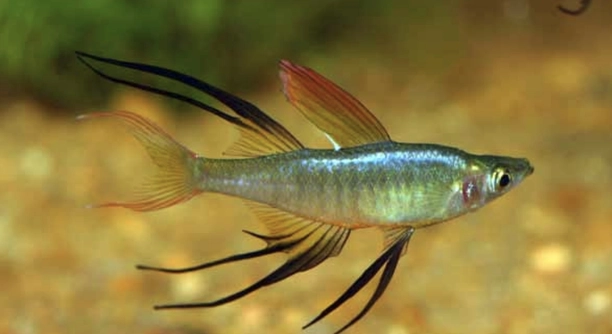
Have you ever brought home a new Threadfin Rainbowfish and felt unsure about the best way to introduce them to your tank? These delicate fish can be sensitive to sudden changes, making proper acclimation important.
Threadfin Rainbowfish should be acclimated with lights off to minimize stress and prevent sudden exposure to bright lighting. Keeping the environment dim allows the fish to adjust gradually to water parameters and reduces the risk of shock or erratic behavior.
Understanding how lighting affects these fish can improve their transition and overall well-being. This guide will help you create a calm and safe environment for your new aquatic companions.
Why Acclimating with Lights Off Helps
Acclimating Threadfin Rainbowfish with lights off gives them a calmer environment to adjust to new water conditions. Bright lights can stress them, especially after transportation. When they arrive, their colors may look dull, and they may hide or swim erratically. Turning off the lights reduces visual stress, allowing them to explore their new surroundings more comfortably. Gentle movement of water and maintaining a stable temperature also help. Gradually reintroducing light over a few hours prevents shock and supports their natural adjustment. Fish are sensitive to changes, and a quiet, dim environment ensures they can start feeding and swimming normally. Watching them settle calmly can be satisfying and reassures you that the acclimation is working. Using a floating bag or drip acclimation method with lights off creates a smooth transition. This practice is simple yet effective, reducing the risk of illness caused by stress.
Acclimating in the dark also helps them stay calm and reduces sudden panic.
With lights off, fish take their time to explore. They adapt better to temperature, pH, and hardness changes without becoming overwhelmed. Over time, they regain bright colors, swim actively, and begin eating normally. A quiet, controlled environment helps establish comfort and promotes long-term health.
Step-by-Step Acclimation Process
Start by turning off the tank lights before introducing the fish.
Place the fish in a floating bag or container, allowing it to adjust to the water temperature. Slowly add small amounts of tank water to the bag every 10–15 minutes. This method ensures gradual acclimation to pH and hardness differences. Monitor the fish closely for signs of stress, like rapid gill movement or frantic swimming. Keep the surrounding environment quiet, avoiding tapping or sudden movements. After about an hour, the fish should begin exploring calmly. Slowly remove a portion of the bag water before gently releasing the fish into the tank. Turning the lights back on gradually over 30–60 minutes allows the fish to adjust visually. This careful method reduces the chance of shock and helps them settle into their new home with minimal risk. Regular observation for the next day ensures they are eating and swimming normally, confirming the success of the process.
Common Mistakes During Acclimation
Adding too much tank water too quickly can stress Threadfin Rainbowfish. Sudden changes in temperature or pH often lead to erratic swimming and hiding. Avoid tapping the tank or startling the fish during acclimation.
Rushing the acclimation process is one of the most frequent issues. Some people release the fish immediately into the tank after a brief temperature adjustment, ignoring pH and hardness differences. Threadfin Rainbowfish are sensitive to these factors, and a sudden shift can weaken their immune system, making them more prone to disease. Even small disturbances, like sudden bright light or loud noise, can trigger stress responses. Gradual introduction using drip acclimation or slow water mixing allows the fish to adjust naturally. Monitoring their behavior during this period is essential. Fish that swim calmly and explore the tank indicate that acclimation is proceeding correctly.
Another mistake is turning the lights back on too fast. Sudden brightness can cause shock, leading the fish to dart or hide. Maintaining dim lighting for a while helps them regain confidence and begin feeding normally, supporting a smoother transition to the new tank environment.
Observing Behavior During Acclimation
Watch for consistent swimming patterns and normal gill movement as indicators of comfort.
Threadfin Rainbowfish may initially hide or hover near the tank bottom. Gradually, they begin exploring open areas, adjusting to both light and water parameters. Pay attention to their appetite; even small nibbles indicate growing confidence. Stress signs include clamped fins, rapid breathing, or staying in one spot for long periods. If these behaviors persist, consider checking water quality and temperature stability. Consistent observation allows timely adjustments, ensuring the fish adapts safely. Tracking these behaviors over the first several hours is key to long-term health.
Small changes in environment can impact their behavior noticeably. Keeping the tank calm, monitoring for stress signs, and adjusting acclimation techniques when necessary helps maintain the fish’s health. By observing closely, you can catch early signs of discomfort or illness before they worsen, ensuring the fish settles in successfully. Temperature swings, water quality, and light intensity all play roles in their comfort, so careful management during the first hours and days is critical. Consistent monitoring allows for smooth adaptation and a stable start in the new tank.
Ideal Tank Conditions
Maintaining stable water temperature and pH is essential for Threadfin Rainbowfish. Sudden fluctuations can stress them. A dimly lit, calm tank environment helps during acclimation and encourages normal swimming and feeding behavior.
Soft filtration and gentle water flow prevent strong currents that may overwhelm these delicate fish.
Feeding After Acclimation
Offer small portions of high-quality flake or micro-pellets initially. Feeding multiple times in small amounts helps stimulate appetite and prevents uneaten food from fouling the water. Monitor their eating closely during the first few days. Adjust portions gradually as they settle and show consistent feeding behavior.
Light Adjustment Tips
After acclimation, increase lighting gradually over several hours. This helps prevent sudden stress and allows the fish to adapt visually.
FAQ
How long should Threadfin Rainbowfish be acclimated with lights off?
Threadfin Rainbowfish should generally be acclimated for about one to two hours with lights off. This period allows them to adjust to temperature, pH, and hardness differences without added stress from bright lighting. Some fish may need a bit longer depending on their previous environment.
Can acclimation be done with lights on?
While it is possible, it is not recommended. Bright light can startle the fish and increase stress levels. They may swim frantically, hide, or refuse to eat. Keeping lights off or dimmed ensures a calmer transition and helps prevent shock or erratic behavior.
Should I use a drip acclimation method?
Yes, a drip acclimation method is highly effective. Slowly adding tank water to the bag over 60–90 minutes allows fish to gradually adjust to new water parameters. This method reduces stress and supports the fish’s immune system, helping prevent illness during the early days in a new tank.
How do I know if my fish is stressed during acclimation?
Stress signs include clamped fins, rapid gill movement, hiding, or darting around the tank. If these behaviors persist after the initial acclimation, check water parameters for temperature, pH, or hardness issues. Persistent stress may indicate a need to adjust the acclimation method or environment.
When should lights be turned back on?
Lights should be gradually reintroduced after the fish shows calm behavior and begins exploring the tank, usually within one to two hours. Turning lights on slowly over 30–60 minutes prevents shock and allows the fish to adapt visually. A gradual approach helps them start feeding normally.
What water conditions are best during acclimation?
Stable temperature, pH, and hardness are key. Avoid sudden changes, as Threadfin Rainbowfish are sensitive to fluctuations. Soft filtration and gentle water flow reduce stress. Checking water quality before acclimation ensures the fish can adjust safely without being exposed to poor conditions.
Is it normal for fish to hide at first?
Yes, hiding is a common initial behavior. Fish may take time to explore and feel secure in their new tank. Keeping the lights off or dimmed, providing hiding spots, and minimizing disturbances encourages them to emerge gradually without increasing stress.
How often should I feed after acclimation?
Feed small amounts multiple times a day during the first few days. This helps stimulate appetite and prevents uneaten food from polluting the water. As the fish adjust and feed consistently, reduce feeding frequency and adjust portion sizes to match their consumption.
Can I acclimate multiple fish together?
Yes, but monitor them closely. Acclimating several fish in one bag or container can reduce stress if they are calm, but overcrowding may cause competition or panic. Ensure water volume and temperature remain stable, and observe their behavior for signs of stress or aggression.
What should I do if fish refuse to eat after acclimation?
If they refuse food for more than a day, check water parameters and tank conditions. Sometimes fish need extra time to settle. Offering a variety of high-quality foods and feeding in small portions may encourage eating. Avoid overfeeding, as leftover food can degrade water quality.
Can lights-off acclimation prevent illness?
While it does not guarantee immunity, it significantly reduces stress, which is a major factor in illness. Stress weakens the immune system, making fish more prone to disease. Calm, dim environments during acclimation support long-term health and reduce the likelihood of infection or other health issues.
Is it necessary to acclimate every new fish with lights off?
For Threadfin Rainbowfish, yes, it is highly recommended. Their sensitivity to sudden environmental changes makes lights-off acclimation the safest approach. While some fish species tolerate quicker transitions, taking extra care with this species ensures a smoother adjustment and healthier start in the tank.
This FAQ provides practical, step-by-step guidance for successful acclimation, covering water conditions, feeding, stress management, and environmental control to help Threadfin Rainbowfish adjust safely to their new home.
Word count: 507
Final Thoughts
Acclimating Threadfin Rainbowfish properly is one of the most important steps when introducing them to a new tank. These fish are sensitive to sudden changes in their environment, including temperature, pH, water hardness, and lighting. Rushing the process or exposing them to bright lights too soon can cause unnecessary stress, which may lead to illness or erratic behavior. Taking time to acclimate them slowly, preferably with the lights off, gives the fish a chance to adjust gradually. Using techniques such as drip acclimation or floating the bag in the tank helps them adapt to water differences safely. Keeping a calm and quiet environment during this period supports their natural behaviors, allowing them to explore, feed, and settle more comfortably.
It is also important to monitor the fish closely during the first hours and days after introduction. Signs of stress, such as clamped fins, rapid gill movement, hiding, or refusing to eat, indicate that adjustments may be needed. Maintaining stable water conditions and a gentle water flow helps reduce stress. Providing hiding spots or plants in the tank gives the fish areas where they feel secure while adjusting. Gradually reintroducing light after the fish show calm behavior helps them adapt visually without sudden shock. Feeding small amounts multiple times a day encourages appetite and prevents leftover food from degrading water quality. Observing their behavior during this time gives insight into how well they are acclimating and whether additional adjustments are necessary.
Finally, patience is key when caring for Threadfin Rainbowfish. While it may seem like a small step, acclimating with lights off has a significant impact on their health and well-being. A careful and controlled introduction supports long-term stability, bright coloration, and active swimming. Following proper acclimation techniques reduces stress, strengthens their immune system, and encourages natural behaviors in the new tank. Every fish adapts at its own pace, and giving them time and a calm environment pays off with healthier, happier fish. Consistency in water quality, gradual lighting adjustments, and close observation during the initial period set the stage for a successful transition. By taking these steps seriously, the Threadfin Rainbowfish can thrive in its new home and provide a beautiful, lively addition to your tank.
Word count: 407

Hello,
If you enjoy the content that we create, please consider saying a "Thank You!" by leaving a tip.
Every little bit helps us continue crafting quality advice that supports the health, happiness, and well-being of pets around the world, for pets of all shapes, sizes, and species.
We really appreciate the kindness and support that you show us!