
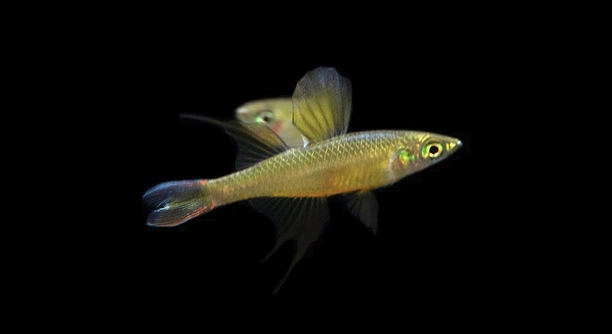
Do you ever notice threadfins lingering around floating plants in ponds and aquariums? These fish often seem to prefer staying close to these plants rather than swimming in open water, creating a calm and steady presence.
Threadfins tend to hover near floating plants due to shelter, food availability, reduced predation risk, water flow moderation, social interaction, temperature preference, and spawning behavior. These factors collectively influence their spatial distribution in aquatic habitats.
Understanding why threadfins favor these areas can improve tank setup, feeding strategies, and overall care for these graceful fish in home aquariums.
Shelter Among Floating Plants
Threadfins often stay near floating plants because these plants provide essential shelter. The plants create a protective canopy over the water, reducing exposure to predators. Young threadfins especially benefit from this, as they are more vulnerable. Even adult fish use this cover to rest and conserve energy during the day. Floating plants also reduce the intensity of sunlight reaching the water, which can prevent overheating and stress. In addition to hiding from predators, the plants help create a sense of security. Threadfins can remain calm and exhibit natural behaviors without feeling threatened. This protective environment is crucial for maintaining their health. Over time, threadfins learn to associate floating plants with safety. In a tank or pond setting, mimicking these natural conditions improves their well-being and encourages natural movement patterns. The presence of floating plants ultimately supports both survival and comfort. Observing their behavior in these sheltered areas is both relaxing and informative.
The shelter provided by floating plants allows threadfins to feel safe while exploring and feeding. It creates a stable, secure environment that reduces stress levels naturally.
Floating plants not only protect threadfins but also help them conserve energy. With reduced exposure to predators, fish can focus on feeding efficiently and interacting socially. This habitat encourages natural schooling behavior, and the shaded areas help regulate temperature, making it easier for threadfins to maintain proper body function. Additionally, the plants support a micro-ecosystem that can improve water quality, providing an indirect benefit to the fish. Regular observation of these areas shows that threadfins consistently choose spots with ample coverage. Over time, this behavior becomes part of their routine, highlighting the importance of a well-planted environment. Providing sufficient floating plants in a home aquarium or pond ensures that threadfins can exhibit these natural behaviors consistently, contributing to both their physical health and overall well-being.
Food Sources Near Floating Plants
Floating plants attract small insects, larvae, and microorganisms that threadfins feed on. These areas act as convenient feeding grounds, supplying a steady source of nutrition without the need to swim long distances.
The abundance of food near floating plants supports growth and energy levels. Threadfins take advantage of this natural resource, reducing effort while maximizing intake.
Threadfins are naturally drawn to areas where food is readily available. Floating plants serve as a base for tiny organisms that thrive in their shade and roots. These organisms include small crustaceans, insect larvae, and algae, all of which are part of a threadfin’s diet. By hovering near these plants, threadfins can feed consistently without expending unnecessary energy searching open water. This feeding behavior also helps maintain social groups, as multiple fish can gather in one area without competition becoming aggressive. In tanks or ponds, providing floating plants encourages natural feeding patterns, reduces stress, and promotes overall health. Caretakers can observe their fish taking advantage of these microhabitats, which demonstrates the importance of balancing plant coverage and water space for a thriving aquatic environment.
Reduced Predation Risk
Floating plants offer threadfins protection from larger fish and birds. By staying near the plants, they reduce their visibility and exposure, lowering the chance of being attacked or chased. This behavior is instinctive and consistent across various habitats.
The shaded areas created by floating plants obscure threadfins from predators both above and below the water surface. Predatory fish have difficulty spotting them, while birds scanning from above see less movement. This natural camouflage allows threadfins to feed, rest, and swim with minimal threat. Young threadfins are especially reliant on these protective areas. The plants also create complex water currents that make rapid attacks harder, providing an extra layer of safety. Maintaining floating plants in a pond or aquarium helps sustain these protective benefits, contributing to overall fish health and reducing stress.
Threadfins tend to hover in clusters near floating plants, benefiting from group vigilance. Multiple fish together can alert each other to danger while remaining partially hidden. This social aspect enhances survival, as the combined awareness of several fish increases reaction times. The plants’ roots and leaves provide additional escape routes and cover during sudden disturbances. This behavior shows that the presence of floating plants is more than decorative; it is crucial for natural survival instincts. In a controlled environment, ensuring adequate plant density replicates these conditions, helping threadfins feel secure and promoting calmer, more natural behaviors within the group.
Water Flow Moderation
Floating plants slow water currents, creating calmer zones where threadfins can hover without expending extra energy. These zones are particularly valuable in ponds and tanks with uneven circulation, providing rest areas.
By reducing strong currents, floating plants allow threadfins to conserve energy and maintain position easily. Fish avoid being pushed around by water movement, which supports feeding and resting patterns.
Threadfins naturally prefer areas with moderate or slow water flow, as strong currents can increase stress and energy expenditure. Floating plants act as natural flow regulators, dissipating energy from moving water and creating calmer pockets. In these areas, threadfins can hover steadily, feed efficiently, and interact socially without constant adjustment to water pressure. In addition, calmer water supports better oxygen distribution and reduces the risk of injury from sudden surges or collisions. Providing floating plants in aquariums or ponds mimics these natural conditions, ensuring threadfins remain healthy, relaxed, and able to exhibit natural behaviors consistently.
Social Interaction
Threadfins often gather near floating plants to interact with each other. These areas provide space for schooling, communication, and cooperative behavior without interference from predators or strong currents.
Being close to others reduces stress and reinforces social bonds. Fish benefit from coordinated movement and shared vigilance while hovering near the plants.
Temperature Preference
Floating plants create shaded areas that help moderate water temperature. Threadfins prefer these cooler zones, especially during warm periods, as they reduce overheating and support stable metabolism.
Spawning Behavior
Threadfins often choose areas near floating plants for spawning. The roots and leaves provide protection for eggs and fry, increasing survival rates and supporting natural reproductive behavior.
Why do threadfins prefer floating plants over open water?
Threadfins favor floating plants because these areas offer protection, food, and calm water conditions. The plants provide natural cover from predators and reduce exposure to sunlight. Additionally, small insects and microorganisms gather near the plants, offering an easy food source. Hovering near these plants minimizes energy use and stress while supporting natural behaviors.
Are floating plants necessary in home aquariums for threadfins?
While not strictly necessary, floating plants greatly improve the well-being of threadfins in captivity. They mimic natural habitats, provide shelter, regulate water flow, and create microhabitats for feeding. Without these plants, fish may become stressed, expend more energy swimming, and show less natural social behavior. Adding plants can significantly enhance health and activity levels.
How do floating plants affect water quality for threadfins?
Floating plants help maintain water quality by absorbing excess nutrients and reducing algae growth. Their roots provide surfaces for beneficial microorganisms to thrive, which can help break down waste. The plants also reduce direct sunlight, which limits rapid temperature shifts and algae blooms. Overall, these factors create a more stable and healthier environment for threadfins.
Can too many floating plants harm threadfins?
Yes, excessive plant coverage can reduce oxygen levels and limit swimming space. Dense mats may block light, affecting both fish and other aquatic organisms. Overcrowded areas can lead to stress or aggressive behavior if fish feel confined. It’s important to balance plant coverage to provide shelter while leaving open water for movement and feeding.
Do threadfins eat floating plants?
Threadfins generally do not eat floating plants. Their diet mainly consists of small insects, larvae, and microorganisms that live around the plants. However, plants occasionally may get nibbled if fish mistake roots or leaves for food. This behavior is minimal and does not harm the plants significantly.
How often should floating plants be maintained in aquariums?
Regular maintenance is necessary to prevent decay and overcrowding. Dead or decaying leaves should be removed promptly. Some plants may need trimming to prevent excessive shading and to maintain water circulation. Weekly observation ensures that plants remain healthy and continue to provide the benefits threadfins rely on for shelter, feeding, and water regulation.
Do threadfins prefer certain types of floating plants?
Threadfins show a preference for plants with dense roots and leaves, such as water lettuce or duckweed, which provide better cover and food accumulation. Fine, delicate plants may not offer as much protection or foraging opportunities. Selecting the right species improves fish comfort, encourages natural behavior, and supports both feeding and social interaction.
How do floating plants influence threadfin breeding?
Floating plants create safe zones for spawning by offering protection for eggs and fry. The roots and leaves act as a natural barrier against predators and strong currents. Fish are more likely to breed successfully when they feel secure, and the presence of plants promotes natural reproductive behaviors, increasing survival rates for offspring.
Can threadfins survive without floating plants?
Threadfins can survive without floating plants, but their health and behavior may be affected. Lack of shelter increases stress, reduces feeding efficiency, and may result in lower activity levels. Fish may become more exposed to environmental fluctuations and potential threats. Providing plants creates a safer and more natural environment, enhancing overall well-being.
How should floating plants be arranged in a tank for threadfins?
Floating plants should be distributed to create shaded areas and open swimming zones. Clusters of plants can offer shelter, while open spaces allow for natural movement and feeding. Avoid overcrowding, and ensure adequate water circulation. Strategic placement helps threadfins feel secure, reduces stress, and promotes healthy social interaction within the group.
Do threadfins interact with floating plants at night?
Yes, threadfins often use floating plants at night for resting and protection. The shaded areas provide a sense of security, reducing movement and conserving energy. Fish may remain near roots or leaves to stay hidden from potential nocturnal predators, maintaining natural circadian behaviors and overall health.
Can floating plants prevent disease in threadfins?
Indirectly, yes. By stabilizing water conditions, reducing stress, and supporting beneficial microorganisms, floating plants can lower the risk of disease. Fish in calm, sheltered areas are less prone to injury and immune suppression caused by environmental stressors. Healthy plants contribute to a cleaner, safer habitat that supports overall fish health.
How do floating plants affect social behavior in threadfins?
Floating plants provide gathering spots that encourage schooling, coordinated swimming, and cooperative vigilance. Fish can interact safely in these sheltered zones without being exposed to predators. The plants create a natural setting for group behaviors, helping reinforce social bonds, reduce stress, and support natural communication among threadfins.
Are there any risks to threadfins from floating plants?
Potential risks include overcrowding, low oxygen levels, and decaying plant matter contaminating water. Too many plants may limit swimming space or block feeding areas. Regular monitoring and maintenance reduce these risks, ensuring that floating plants remain a beneficial part of the environment rather than a hazard to threadfin health.
Do floating plants help threadfins during extreme weather conditions in outdoor ponds?
Yes, floating plants provide shelter from harsh sunlight, wind, and temperature fluctuations. They create shaded zones that help regulate water temperature and reduce stress during heat or sudden cold. Plants also offer cover during heavy rain or strong currents, giving fish a stable and safer area to hover.
How can I encourage threadfins to use floating plants more?
Position plants strategically near feeding areas or resting zones. Ensure the plants are healthy, dense, and suitable for the species. Avoid overcrowding while leaving open water for movement. Observing natural behavior and adjusting plant placement can encourage threadfins to hover near these areas consistently, promoting security and well-being.
Do threadfins leave floating plants if there is enough open water?
Threadfins may explore open water, but they often return to plants for shelter, food, and social interaction. Even when conditions are safe, the benefits of cover and microhabitats make floating plants a preferred location. They provide comfort and consistency that open water alone cannot fully replicate.
Can floating plants be combined with other types of aquatic vegetation?
Yes, combining floating plants with submerged or marginal plants creates a more diverse habitat. This arrangement provides additional shelter, feeding zones, and natural water flow moderation. A varied plant setup supports threadfins’ natural behaviors, enhances oxygenation, and maintains a balanced ecosystem for both fish and aquatic life.
How do floating plants impact feeding behavior?
Floating plants attract insects and microorganisms, providing a natural food source. Threadfins hover near these areas to feed efficiently without expending excess energy. The plants’ roots create microhabitats where food accumulates, allowing fish to forage consistently while maintaining shelter and social interaction within their group.
What maintenance tips ensure floating plants remain beneficial for threadfins?
Regular trimming, removal of decaying leaves, and monitoring plant density are essential. Ensure plants do not block too much light or restrict swimming space. Healthy, balanced coverage maintains oxygen levels, promotes natural fish behavior, and reduces stress. Consistent care helps threadfins enjoy the full benefits of floating plants.
Do threadfins use floating plants for resting as well as feeding?
Yes, threadfins often hover near floating plants to rest. The plants’ shade and shelter provide a calm environment that reduces stress, conserves energy, and allows fish to pause between feeding or social interactions. Resting near plants supports overall health and natural behavior patterns.
How long do threadfins typically stay near floating plants each day?
The duration varies based on feeding, social interactions, and environmental conditions. Many threadfins spend a significant portion of daylight hours hovering near plants for protection and feeding. Nighttime resting also often occurs in these areas, highlighting the importance of floating plants throughout the day and night.
Are there any specific signs that threadfins benefit from floating plants?
Signs include calmer behavior, consistent schooling, reduced stress, active feeding, and natural resting patterns. Fish often return to the same plants repeatedly, indicating comfort. Healthy growth, vibrant colors, and normal social interaction also suggest that floating plants are positively impacting their environment.
How do floating plants influence breeding success over time?
Providing safe, sheltered zones for eggs and fry increases survival rates. Fish exhibit more natural reproductive behaviors, and the protection from predators and currents enhances overall breeding success. Over time, a well-planted habitat supports multiple generations, demonstrating the long-term value of floating plants in reproduction.
Can floating plants be used in combination with artificial structures for threadfins?
Yes, combining natural floating plants with artificial shelters like floating logs or platforms can enhance habitat complexity. This approach provides additional cover, feeding opportunities, and resting areas. Artificial structures complement the benefits of plants, ensuring threadfins have multiple safe zones and varied microhabitats.
Do threadfins interact differently with various floating plant species?
Threadfins tend to favor plants with dense roots and broad leaves, which offer better protection and food accumulation. Delicate or sparse plants may be used less frequently. Observing preferences can guide plant selection to optimize both security and foraging opportunities for threadfins.
Can floating plants improve the overall ecosystem for threadfins?
Yes, floating plants contribute to oxygenation, waste absorption, temperature regulation, and microhabitat creation. They support both fish and beneficial microorganisms, stabilizing the aquatic environment. This leads to healthier, more active threadfins and a balanced ecosystem that enhances long-term well-being and natural behavior.
Do threadfins ever avoid floating plants?
Threadfins may temporarily leave floating plants if food is abundant elsewhere, if plants are overcrowded, or if water quality declines. However, they typically return to plants for safety, feeding, and social interaction, showing that these areas remain a preferred habitat under normal conditions.
How can I tell if I have too few floating plants for threadfins?
Signs include increased stress, more erratic swimming, reduced resting behavior, and lower feeding efficiency. Fish may crowd remaining plants or appear hesitant in open water. Adding additional floating plants creates more shelter, feeding zones, and calm areas, supporting natural behavior and overall well-being.
Can floating plants affect water chemistry in ways beneficial to threadfins?
Yes, floating plants absorb excess nutrients, reduce algae growth, and stabilize pH levels. Their roots provide surfaces for beneficial bacteria that help process waste. Together, these factors create a more stable and healthy environment, supporting threadfins’ growth, feeding, and overall health.
Are there any seasonal considerations for floating plants with threadfins in outdoor ponds?
Seasonal changes affect sunlight, temperature, and plant growth. Threadfins rely on floating plants more during hot periods for shade and in early spring for shelter and feeding. Regular monitoring and adjustment of plant coverage throughout the seasons ensures continuous protection and benefits for the fish.
How can I encourage natural behavior in threadfins using floating plants?
Provide adequate coverage, maintain healthy plants, ensure open water for swimming, and observe interactions. Strategically placed plants support shelter, feeding, resting, social behavior, and reproduction, allowing threadfins to express their natural instincts consistently.
Do floating plants influence stress levels in threadfins?
Yes, by offering shelter, food, and calm water zones, floating plants reduce stress. Fish feel secure, expend less energy, and maintain regular feeding and resting patterns. Lower stress supports overall health, natural behavior, and resilience against environmental changes or minor disturbances.
Are there specific plant care routines that optimize benefits for threadfins?
Trimming, removing decaying leaves, controlling plant density, and monitoring water conditions are key. Healthy, well-maintained floating plants provide optimal shelter, food accumulation, and resting zones. Consistent care ensures threadfins can fully utilize the advantages these plants offer for survival, behavior, and well-being.
Can floating plants help newly introduced threadfins adapt faster?
Yes, new fish feel safer near floating plants, reducing stress from the new environment. Shelter allows them to observe surroundings, feed efficiently, and integrate socially with existing fish, supporting a smoother adjustment and promoting healthy behavior patterns from the start.
Do floating plants affect the aggression levels of threadfins?
By providing shelter and spaced areas for resting and feeding, floating plants can reduce aggression. Fish have more territories and feel secure, which decreases competition and stress-related behaviors, leading to a calmer and more harmonious aquatic environment.
Are there signs that floating plants are not benefiting threadfins as intended?
Signs include overcrowding, persistent stress, skipped feeding, or unusual hiding behavior. Poor plant health or water blockage may limit benefits. Observing these indicators allows adjustments to plant quantity, placement, or maintenance to restore the intended protective and supportive environment.
How do floating plants impact oxygen levels in water for threadfins?
Floating plants contribute to oxygenation indirectly by supporting photosynthesis during daylight and providing surfaces for beneficial bacteria. However, excessive coverage can reduce gas exchange at the surface. Balanced plant density ensures stable oxygen levels while maintaining shelter and feeding benefits.
Can threadfins use floating plants for exploration and play?
Yes, fish often hover among roots and leaves, investigating microhabitats, feeding on organisms, and interacting socially. Floating plants create stimulating areas that encourage natural curiosity, movement, and engagement without risking exposure to predators or strong currents.
Do floating plants require supplemental lighting in aquariums for threadfins?
Some species may benefit from moderate lighting to support growth and photosynthesis. Proper light levels ensure healthy plant development, which in turn maintains shelter, food availability, and water quality for threadfins. Avoid excessive light that can promote algae overgrowth or stress fish.
How can I measure the effectiveness of floating plants for threadfins?
Observe fish behavior, health, feeding efficiency, and social interactions. Healthy, active, calm fish that use plants consistently indicate effectiveness. Monitoring water quality, oxygen levels, and plant condition ensures that the environment remains beneficial for both fish and plants.
Do floating plants affect the lifespan of threadfins?
Indirectly, yes. By reducing stress, providing shelter, supporting feeding, and maintaining water quality, floating plants contribute to overall health and resilience. Fish in well-planted environments often show better growth, behavior, and longevity compared with those in barren or poorly structured habitats.
Can floating plants be used in combination with filtration systems for threadfins?
Yes, plants complement filtration by reducing nutrient load, controlling algae, and supporting beneficial bacteria. Combined with proper filtration, floating plants create a more stable, healthy environment, allowing threadfins to thrive with reduced stress and improved water quality.
Are there specific signs that threadfins prefer one floating plant type over another?
Fish may spend more time hovering near certain plants, feed around specific roots, or rest under particular leaves. Observing repeated behavior indicates preference. Selecting plants that match these preferences enhances comfort, feeding efficiency, and overall well-being for threadfins.
Do floating plants influence how threadfins interact with other species in the tank?
Yes, plants provide safe zones that reduce stress during interspecies interaction. Fish can establish territories, avoid conflict, and share resources. This contributes to balanced behavior, calmer social interaction, and a healthier ecosystem for all tank inhabitants.
Can floating plants help prevent overfeeding in threadfins?
Indirectly, yes. By attracting natural food like insects and microorganisms, plants reduce reliance on supplemental feeding. Fish can forage naturally, consuming smaller amounts over time instead of overeating, which supports proper digestion and healthier growth.
How do seasonal changes in sunlight affect floating plants and threadfins?
Seasonal sunlight shifts affect plant growth, shading, and water temperature. Threadfins adjust by using shaded areas during high light intensity or seeking shelter when plants thin out. Monitoring plant coverage and adjusting placement ensures consistent protection, feeding opportunities, and comfort year-round.
Are there any long-term benefits of floating plants for threadfins?
Long-term benefits include improved survival, natural behavior expression, reduced stress, enhanced feeding efficiency, successful breeding, and healthier growth. Floating plants create a stable environment that supports overall physical and behavioral development, contributing to stronger, calmer, and more resilient fish over time.
Do floating plants affect water clarity for threadfins?
Floating plants can reduce turbidity by limiting algae growth and stabilizing sediment. Clear water improves fish visibility, feeding efficiency, and comfort. Balanced plant coverage maintains optimal clarity while providing shelter and promoting a healthy environment for threadfins.
Can floating plants help with disease prevention in outdoor ponds?
Yes, by moderating temperature, providing shade, and supporting beneficial bacteria, floating plants reduce stress and the likelihood of infections. Healthier, less stressed fish are more resilient to pathogens, making plants an indirect but valuable part of disease prevention.
Do threadfins ever ignore floating plants entirely?
Occasionally, if alternative shelter, food, or social zones are available, threadfins may temporarily ignore floating plants. However, they typically return, as the benefits of protection, feeding, and calm water consistently outweigh other options.
How should I combine floating plants with feeding schedules for threadfins?
Place supplemental food near plant zones to encourage natural foraging. Fish can feed while using shelter, balancing energy conservation and nutrition. This approach reinforces natural behavior, reduces stress, and integrates plant benefits with routine care practices.
Are there behavioral signs that threadfins are stressed due to poor plant coverage?
Signs include erratic swimming, clustering in minimal cover, hiding excessively, reduced feeding, or increased aggression. Improving plant density and placement restores comfort, encourages natural behavior, and reduces stress-related activity patterns.
Do floating plants affect the way threadfins interact with tank decorations?
Yes, fish use plants as reference points for movement and resting while exploring decorations. Plants provide safe zones near artificial structures, allowing threadfins to navigate and interact with their environment confidently, supporting natural exploration and comfort.
Can floating plants reduce aggression between threadfins and other fish?
By providing multiple shaded and sheltered areas, plants reduce competition for space and resources. Fish establish territories without confrontation, resulting in calmer interactions and lower aggression levels across species sharing the habitat.
Do floating plants provide any benefits during transport or relocation of threadfins?
Yes, including floating plants in transport containers offers cover and reduces stress. Fish feel secure, energy expenditure is minimized, and the risk of injury is lower during relocation. Plants mimic familiar shelter and create a safer, calmer environment during transition.
Can floating plants help with acclimating new threadfins to a tank?
Yes, floating plants give new fish hiding spots and shaded zones, allowing them to explore gradually. This reduces stress, encourages feeding, and supports social integration with existing fish, promoting smoother acclimation to the environment.
Do threadfins prefer certain plant densities?
Moderate density is preferred. Sparse coverage offers little protection, while excessive coverage restricts movement. Balanced plant density allows shelter, feeding, and social interaction, ensuring threadfins can hover safely and exhibit natural behaviors consistently.
How do floating plants support juvenile threadfins differently than adults?
Juveniles rely heavily on plants for protection from predators and stronger currents. They use dense roots for hiding while feeding on smaller organisms. Adults
Floating plants play a significant role in the daily lives of threadfins, offering more than just aesthetic appeal in a pond or aquarium. These plants provide essential shelter, helping fish feel secure while resting, feeding, or socializing. The shade created by floating plants reduces stress caused by bright light or open water exposure. By offering protection from predators and strong currents, plants allow threadfins to maintain their natural behaviors with minimal risk. Over time, fish develop a clear preference for these areas, often returning to the same spots repeatedly. This behavior demonstrates how integral floating plants are to creating a comfortable and supportive environment for threadfins. In addition to shelter, the structure of floating plants creates microhabitats that support the growth of small organisms, which threadfins feed on regularly. Roots and leaves provide surfaces for larvae, insects, and microorganisms to thrive, making it easier for fish to access food without expending excessive energy.
The benefits of floating plants extend beyond immediate protection and feeding. These plants help moderate water flow, creating calmer zones where threadfins can hover with minimal effort. This is particularly valuable in aquariums or ponds with uneven circulation, where strong currents can stress fish or reduce feeding efficiency. Calmer water also allows for more natural social interactions, as threadfins can form schools or hover in groups without constantly adjusting to moving water. Temperature regulation is another key factor, as floating plants shade the water and prevent overheating during warm periods. By stabilizing environmental conditions, floating plants contribute to the overall health of threadfins. Maintaining these plants in controlled environments, such as aquariums, requires regular care, including trimming, removing decaying leaves, and monitoring density to prevent overcrowding. Proper maintenance ensures that threadfins continue to benefit from shelter, food accumulation, and calm zones without facing reduced oxygen levels or restricted swimming space.
Floating plants also have a strong influence on breeding and long-term survival. Threadfins often use these areas for spawning, as the roots and leaves protect eggs and fry from predators and strong currents. This encourages natural reproductive behavior and increases the survival rate of offspring. Over time, a well-planted environment supports multiple generations of healthy fish, demonstrating the long-term advantages of providing adequate floating plant coverage. In addition, these plants indirectly improve water quality by absorbing excess nutrients and creating surfaces for beneficial bacteria, which further supports fish health. The combination of protection, food access, stable water conditions, and natural breeding opportunities highlights how floating plants contribute to both the immediate and long-term well-being of threadfins. By understanding and replicating these natural conditions, caretakers can ensure that threadfins exhibit natural behaviors, remain calm, and thrive in captivity, ultimately leading to a healthier, more balanced, and sustainable aquatic environment.

Hello,
If you enjoy the content that we create, please consider saying a "Thank You!" by leaving a tip.
Every little bit helps us continue crafting quality advice that supports the health, happiness, and well-being of pets around the world, for pets of all shapes, sizes, and species.
We really appreciate the kindness and support that you show us!