
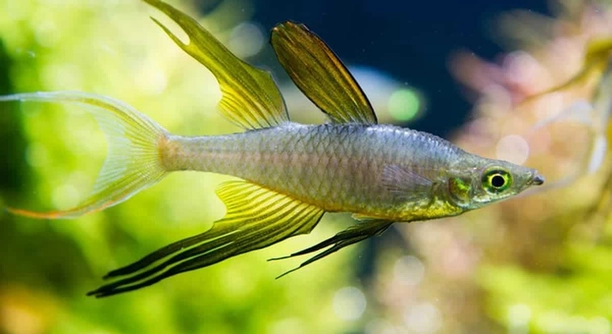
Have you ever watched your threadfin rainbowfish and wondered if they interact with certain plants more than others in their tank? Their delicate movements and vibrant colors often make these small fish a fascinating presence in aquariums.
Threadfin rainbowfish may show a preference for certain plants, but they do not aggressively compete over them. Instead, they benefit from the availability of lush vegetation, using plants mainly for shelter, security, and enhancing their overall comfort within the aquarium.
Learning about these subtle preferences can help you provide the right plants and maintain a balanced, stress-free habitat for your rainbowfish.
Plant Preferences in Threadfin Rainbowfish
Threadfin rainbowfish are gentle schooling fish that thrive in planted aquariums, and while they may not fight over plants, they often show subtle preferences. They are naturally drawn to fine-leaved or soft-stemmed plants such as Cabomba, Hornwort, or Java Moss. These plants provide a safe environment where the fish can rest and feel secure. Aquariums with denser vegetation allow them to swim more confidently, reducing stress and encouraging brighter displays of their delicate fins. Observing their interactions with plants shows how these fish rely on vegetation not for food, but for comfort and survival within their aquatic space.
They often spend time weaving through the leaves, using plants as cover to reduce stress. This behavior helps them feel protected, especially when kept with other fish in a shared aquarium space.
Providing the right plants encourages their natural instincts, supports healthier behavior, and makes your aquarium more visually appealing.
Do They Compete Over Plants?
Threadfin rainbowfish do not display aggressive competition over plants. Instead, they simply choose their preferred spots, often sharing them peacefully with others in the school.
Competition for plants among threadfin rainbowfish is rare because of their gentle temperament and schooling nature. Unlike territorial fish, they prioritize safety in numbers and rarely defend specific areas. When given enough space and plant variety, they spread out naturally and often share the same spots without conflict. Plants like Java Moss or Water Sprite create multiple hiding places, making it easier for all fish to feel secure. Limited plants may increase mild crowding, but aggression is still unusual. Ensuring a planted aquarium with several options supports both their health and social behavior. Observing how these fish interact with plants highlights their peaceful approach, where comfort and shelter matter more than dominance.
Ideal Plants for Their Habitat
Threadfin rainbowfish are more relaxed when kept with plants that match their delicate nature. Fine-leaved options such as Cabomba, Hornwort, or Java Moss give them comfort, shelter, and a sense of safety in their environment.
These plants create shaded areas that allow threadfin rainbowfish to move with ease and confidence. Java Moss provides hiding spaces, while Hornwort offers gentle cover that reduces stress. Cabomba’s fine leaves encourage natural swimming patterns, making the fish appear more graceful. A mix of these plants ensures a balanced environment that supports their wellbeing and keeps the aquarium looking vibrant and natural.
It is also important to consider plant growth. Fast-growing plants like Water Sprite help maintain water quality by absorbing excess nutrients. This keeps the tank cleaner and supports a stable habitat. Combining these plants with slower-growing ones ensures your threadfin rainbowfish have reliable cover, reduced stress, and consistent access to comfortable spaces.
How Plants Influence Behavior
Plants influence threadfin rainbowfish by shaping their daily activity and movement. Heavily planted aquariums encourage them to explore, while open spaces without cover can make them appear shy, stressed, or less active in their swimming behavior.
The balance between open swimming space and dense vegetation is key for healthy behavior. With plants, rainbowfish show more vibrant colors, interact more freely, and stay calmer in the presence of other tankmates. Dense vegetation reduces stress while also giving them quiet areas to retreat. Without suitable plants, they may display duller colors, spend more time hiding, or appear less confident in their movements. Adding carefully chosen plants supports their wellbeing and creates an environment where they can thrive naturally, showing both beauty and healthy behavior.
Balancing Plants and Swimming Space
Too many plants can limit swimming areas, making threadfin rainbowfish feel crowded. It’s best to create a balance between dense vegetation and open zones, ensuring they have both shelter and enough space to display their graceful swimming.
Strategic planting with background and midground vegetation keeps the central space open. This approach allows the fish to move freely while still having hiding spots nearby. A thoughtful layout encourages natural behavior, prevents stress, and supports a healthier balance in the aquarium environment.
The Role of Plants in Breeding
Plants play a central role in breeding for threadfin rainbowfish. Fine-leaved plants such as Java Moss or dense Water Sprite provide surfaces for egg-laying, while also offering protection for the eggs. Without plants, eggs become more vulnerable and may not survive. A planted setup improves the chances of successful breeding.
Stress Reduction Through Vegetation
Dense plant cover reduces stress by giving threadfin rainbowfish areas to retreat when startled. These safe spots allow them to regain confidence and resume normal activity more quickly.
FAQ
Do threadfin rainbowfish eat plants in the aquarium?
Threadfin rainbowfish do not actively eat or damage live plants. They may nibble on soft surfaces, but this behavior is typically aimed at algae or microorganisms rather than the plants themselves. Aquatic vegetation remains safe with them.
Can threadfin rainbowfish live in a tank without plants?
They can survive in a bare aquarium, but they thrive in a planted setup. Without plants, they often appear stressed, less colorful, and shy. Plants create shelter, reduce stress, and encourage natural movement, making the tank healthier and more balanced.
How many plants should I add for threadfin rainbowfish?
The number depends on your tank size. For a small group in a 20-gallon aquarium, include several clusters of fine-leaved plants like Cabomba, Hornwort, and Java Moss. Balance is key, leaving open space for swimming while ensuring shaded, covered areas.
Do threadfin rainbowfish compete with each other over plants?
No, they do not compete aggressively. They may favor the same plant at times, but they share peacefully. These fish value safety in groups and are non-territorial, so their behavior around plants reflects comfort and social balance rather than competition.
Which plants are best for breeding threadfin rainbowfish?
Fine-leaved plants such as Java Moss, Cabomba, and Water Sprite work best. These plants allow the adhesive eggs to stick safely while also offering protection. A dense planting increases the chances of successful hatching and protects eggs from being eaten.
Do plants affect the colors of threadfin rainbowfish?
Yes, plants help highlight their natural beauty. In planted tanks, rainbowfish often show brighter fins and bolder movements because they feel secure. A lack of plants can make them appear duller, with muted colors, due to stress and reduced confidence.
How do plants influence threadfin rainbowfish behavior?
Plants encourage activity, exploration, and calmness. Fish swim through leaves, hide when startled, and rest within shaded areas. Without plants, they may become timid, spend more time near the bottom, or avoid open spaces altogether. Vegetation encourages healthier, more natural interactions.
What plant care tips help maintain a healthy tank for threadfin rainbowfish?
Choose plants that thrive in moderate lighting, such as Java Moss, Anubias, or Water Sprite. Regular trimming prevents overgrowth, keeping swimming areas open. Using nutrient-rich substrates or liquid fertilizers supports healthy growth. Consistent care keeps plants vibrant and the aquarium balanced.
Do threadfin rainbowfish need floating plants?
Floating plants like Water Lettuce or Frogbit are beneficial, as they create shaded areas and soften light entering the tank. These conditions make threadfin rainbowfish feel more secure. However, avoid letting floating plants cover the entire surface, as it reduces oxygen exchange.
Can threadfin rainbowfish be kept with other plant-loving species?
Yes, they can be housed with species like tetras, rasboras, and peaceful dwarf cichlids. Since threadfin rainbowfish don’t damage plants, they coexist well in heavily planted setups. Ensuring all species share similar water requirements maintains harmony and plant health in the aquarium.
Do live plants improve water quality for threadfin rainbowfish?
Live plants play an important role in keeping water clean. They absorb excess nutrients, help control algae growth, and provide oxygen during the day. A planted tank remains more stable, supporting the health and wellbeing of threadfin rainbowfish over the long term.
What lighting works best for both plants and threadfin rainbowfish?
Moderate lighting is ideal, as it supports plant growth without stressing the fish. Threadfin rainbowfish prefer softer, diffused light, which can be achieved with floating plants or adjustable LED fixtures. Balanced lighting ensures healthy plants and comfortable conditions for the fish.
Are artificial plants a good option for threadfin rainbowfish?
Artificial plants can be used, but they do not provide the same benefits as live plants. While they create hiding spots, they do not improve water quality or offer natural surfaces for egg-laying. Live plants always create a healthier and more natural environment.
Do threadfin rainbowfish sleep in plants?
They do not sleep like humans, but they rest in calm, shaded areas during the night. Plants provide perfect cover for this resting behavior, allowing them to stay secure and motionless until they resume swimming during daylight hours.
Final Thoughts
Threadfin rainbowfish are peaceful, graceful, and highly adaptable when kept in the right environment. Plants play an important role in their wellbeing, offering shelter, reducing stress, and creating spaces where they feel secure. While they do not aggressively compete for plants, their behavior shows that vegetation matters deeply to their comfort and natural habits. By observing how they interact with different types of plants, it becomes clear that these fish thrive when aquariums are balanced with both open water for swimming and dense vegetation for cover. This balance is what allows them to display their delicate fins and subtle colors most beautifully.
Live plants also contribute to more than just the comfort of threadfin rainbowfish. They improve the overall health of the aquarium by stabilizing water quality, reducing excess nutrients, and controlling algae. For fish as sensitive and gentle as threadfins, these factors make a noticeable difference in their daily behavior. A well-planted tank creates a more natural environment, encouraging schooling behavior and peaceful interactions. Fine-leaved species like Cabomba, Hornwort, and Java Moss are particularly valuable, not only for shelter but also for breeding. Their presence ensures that eggs are protected and increases the likelihood of successful hatching. These connections between plants and fish behavior highlight how thoughtful aquascaping supports long-term health and happiness.
Creating a habitat for threadfin rainbowfish is not about adding as many plants as possible, but rather about building a carefully balanced space that considers their needs. Too many plants can limit swimming, while too few leave them feeling exposed and stressed. When the right mix is achieved, the result is a thriving aquarium where fish move freely, show vibrant colors, and remain calm even in the presence of other species. Watching them weave gently through vegetation while staying close to their group is a reminder of how important their surroundings are. For aquarists, providing the right plants is one of the simplest ways to ensure these fish remain healthy and active. With patience and the right choices, threadfin rainbowfish will reward you with beauty, peaceful behavior, and a strong sense of harmony within their aquatic home.

Hello,
If you enjoy the content that we create, please consider saying a "Thank You!" by leaving a tip.
Every little bit helps us continue crafting quality advice that supports the health, happiness, and well-being of pets around the world, for pets of all shapes, sizes, and species.
We really appreciate the kindness and support that you show us!