
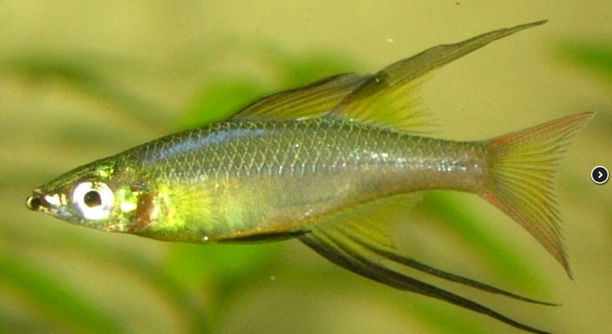
Threadfin Rainbowfish are lively, colorful freshwater fish that bring charm to any aquarium. They are sensitive to their environment, and small changes can affect their comfort and behavior. Maintaining a balanced tank is essential for their well-being.
Certain filter settings can create excessive current, noise, or water flow inconsistencies that disturb Threadfin Rainbowfish. Filters that are too strong, poorly positioned, or produce irregular water movement may stress the fish and affect their normal activity.
Properly understanding filter impacts is important for maintaining a peaceful aquarium. Small adjustments can make a noticeable difference in keeping Threadfin Rainbowfish calm and healthy.
Excessive Water Flow
Threadfin Rainbowfish thrive in gently flowing water, and strong currents can overwhelm them. High-powered filters often create turbulent areas that tire the fish quickly. Observing your tank, you might notice fish struggling to swim or hiding constantly. Adjusting the filter output or redirecting the flow can help. Using sponge attachments or flow diffusers softens the current, allowing the fish to swim naturally. Placement matters too—positioning the filter where it disperses water along the tank wall reduces direct force on the fish. Regular maintenance ensures debris doesn’t block the flow unevenly, which could create sudden strong surges. A calm and consistent flow mimics their natural habitat, helping reduce stress and supporting regular feeding behavior. By paying attention to how your Rainbowfish react, you can create a more comfortable environment that encourages healthy activity and reduces signs of distress. Over time, these adjustments improve overall tank harmony and fish vitality, making their colors more vivid.
High water flow can make Rainbowfish stressed, fatigued, and prone to illness. Gentle currents are better for their comfort.
Managing water movement carefully ensures fish swim freely without struggling. Using diffusers or adjusting filter output creates stability, supporting natural behavior and tank health.
Noisy Filters
Noise from the filter can startle Rainbowfish, especially in smaller tanks. Constant vibrations and humming may cause fish to hide or avoid areas near the equipment. Choosing quieter models or using sound-dampening materials helps reduce disturbances.
Filters producing persistent noise or vibration disrupt feeding, reduce swimming activity, and increase stress. Fish may retreat to corners, avoid interaction, or show decreased appetite. Over time, this can weaken immunity and affect overall health. Selecting filters designed for silent operation and securing loose parts minimizes the impact. Subtle changes, such as placing the filter on a soft mat or adjusting the intake, further reduces sound transmission. Observing fish behavior after adjustments ensures the environment remains comfortable. A calm aquarium encourages active schooling and natural behaviors, making them more vibrant and visible. Maintaining a quiet environment supports long-term well-being and prevents stress-related illnesses. Regular monitoring allows you to notice early signs of discomfort, ensuring timely intervention. Choosing the right filter and setup can make a noticeable difference in their daily life.
Incorrect Filter Placement
Placing the filter too close to hiding spots or swimming areas can disturb Threadfin Rainbowfish. Improper placement may create uneven water flow, making the fish avoid certain sections of the tank. Proper positioning ensures a balanced environment for swimming and resting.
Filters should be placed where water circulates evenly without creating strong currents in corners or near decorations. Avoid positioning the intake directly in heavily populated areas, as it can pull debris and small objects, startling the fish. Adjusting the filter’s height and angle can also help reduce turbulence, making movement smoother. Observing fish reactions over several days is crucial to identify areas they avoid due to uncomfortable flow. Over time, this ensures all parts of the tank are usable and comfortable, encouraging natural swimming and social behavior.
Even with careful flow adjustments, filters can disturb fish if placed incorrectly. Ensure the filter is positioned to distribute water gently, allowing free movement and minimal stress.
Dirty or Clogged Filters
Filters that are clogged or dirty reduce water quality and create inconsistent flow, affecting fish comfort. Routine cleaning is essential to maintain clear, oxygen-rich water for Threadfin Rainbowfish.
Neglecting filter maintenance leads to uneven filtration, allowing debris and waste to accumulate. This can create pockets of stagnant water where oxygen levels drop, making it harder for fish to swim freely. Dirty filters may also produce irregular currents, increasing stress. Using a consistent cleaning schedule and checking filter media ensures proper function. Replacing worn parts prevents sudden flow changes, and observing fish behavior after maintenance confirms the environment is balanced. Clear water promotes healthy feeding and reduces disease risk.
Regularly maintaining filters preserves tank stability and water quality. Clean, functional filters allow Rainbowfish to remain active and healthy, avoiding stress and lethargy caused by dirty, uneven filtration.
Overly Strong Suction
Excessive suction from the filter can pull small fish or debris too forcefully, causing Threadfin Rainbowfish to become anxious. Reducing intake strength helps maintain a safer, calmer environment for swimming.
Strong suction may trap fish near the intake or push them into decorations. Adjusting the filter’s intake with guards or repositioning it prevents unnecessary stress and keeps swimming areas accessible.
Inconsistent Water Flow
Irregular water flow confuses Rainbowfish, making it hard for them to swim steadily. Uneven currents can create turbulent zones that tire fish quickly. Consistent flow patterns help maintain their energy levels and natural swimming behavior.
Over-Filtered Water
Excessive filtration removes beneficial microfauna and disrupts nutrient balance. Threadfin Rainbowfish rely on a stable environment, and over-filtering can reduce natural microorganisms, affecting overall tank health and fish vitality.
FAQ
How do I know if my Threadfin Rainbowfish is stressed by the filter?
Signs of stress include hiding frequently, erratic swimming, or reduced appetite. Fish may avoid areas near the filter or display faded colors. Observing behavior over several days helps identify patterns, indicating whether filter adjustments are needed for comfort and normal activity.
Can lowering the filter output solve flow-related problems?
Yes. Reducing the flow allows Threadfin Rainbowfish to swim more naturally without being pushed or forced into corners. Many filters have adjustable settings, so testing lower speeds and observing fish response ensures the water movement remains gentle and consistent.
Are sponge or pre-filter attachments necessary?
Using sponge guards or pre-filters softens intake suction and reduces debris disturbance. These attachments protect small fish from being pulled into the filter and create a more stable flow, making the tank safer and more comfortable for Threadfin Rainbowfish.
How often should I clean the filter?
Cleaning schedules depend on tank size, fish population, and debris levels. Typically, thorough cleaning every two to four weeks is sufficient. Rinsing media in tank water preserves beneficial bacteria while maintaining effective filtration and consistent flow for the fish.
Can filter noise disturb Threadfin Rainbowfish?
Yes. Constant vibration or humming may startle fish and cause them to hide or avoid certain areas. Using quieter models or adding sound-dampening mats reduces noise, helping Rainbowfish stay active and calm throughout the day.
Does filter placement affect water quality?
Absolutely. Improper placement can create stagnant zones or uneven currents, limiting oxygen distribution and filtration efficiency. Positioning the filter to circulate water evenly ensures consistent oxygen levels, proper waste removal, and a healthier environment for the fish.
What happens if a filter is too strong?
Excessive flow can fatigue Rainbowfish, push them into decorations, or restrict swimming. Constant stress from strong currents may lower immunity and reduce feeding efficiency. Adjusting flow or using flow diffusers prevents these issues and supports natural behavior.
Is over-filtering harmful?
Yes. Excessive filtration can remove beneficial microorganisms and alter nutrient balance, impacting the tank ecosystem. Maintaining moderate filtration preserves natural microfauna while keeping water clear and safe for Threadfin Rainbowfish.
Should I observe fish after changing the filter?
Always. Fish behavior indicates whether adjustments are effective. Watching for normal swimming, feeding, and interaction helps confirm that the environment is comfortable and the filter settings are appropriate.
Can multiple filters in one tank cause problems?
They can, if flows overlap or create turbulence. Coordinating filter positions and adjusting outputs prevents strong currents or dead zones, ensuring a calm and stable habitat for Threadfin Rainbowfish to swim freely and comfortably.
Are all filters suitable for small Threadfin Rainbowfish tanks?
Not necessarily. Small tanks require filters that produce gentle, even flow without excessive suction. Choosing models with adjustable output and quiet operation ensures a healthy, stress-free environment for the fish.
How do I maintain balanced filtration without disturbing the fish?
Regular cleaning, proper placement, gentle flow, and monitoring fish behavior all contribute to balanced filtration. Combining these practices maintains water quality, reduces stress, and creates a peaceful tank environment suitable for Threadfin Rainbowfish.
Can filter-related stress affect fish coloration?
Yes. Stressed Rainbowfish often display dull or faded colors. Reducing excessive flow, noise, and uneven currents helps restore natural vibrancy and indicates improved comfort and well-being.
Is it necessary to change filter types for Threadfin Rainbowfish?
Not always. Existing filters can work well if adjusted for gentle flow, noise reduction, and proper placement. Additions like sponge guards or diffusers enhance comfort without replacing the filter entirely.
What are quick fixes for common filter issues?
Lowering flow, repositioning the intake, adding guards, and cleaning media regularly are effective solutions. Observing fish reactions ensures these adjustments reduce stress and improve swimming behavior.
How long does it take for fish to adjust after filter changes?
Adjustment time varies but usually ranges from a few hours to several days. Monitoring behavior and feeding patterns confirms when the Rainbowfish are comfortable and stress-free in their modified environment.
Can poor filter settings lead to illness?
Yes. Stress from strong currents, noise, or poor water quality weakens immunity, making fish more susceptible to disease. Maintaining proper flow, clean water, and consistent conditions supports health and longevity.
Are there signs that a filter needs replacement?
Decreased performance, unusual noise, leaks, or excessive vibration indicate a filter may need replacement. Upgrading ensures stable flow, proper filtration, and minimal stress for Threadfin Rainbowfish.
Is it possible to completely prevent filter stress?
While some minor disturbances may occur, careful flow adjustment, proper placement, noise reduction, and regular maintenance minimize stress, creating an environment where Threadfin Rainbowfish can thrive consistently.
Can observing other tank inhabitants help gauge filter impact?
Yes. Other fish reactions to flow, noise, or suction can reveal problematic areas. Ensuring all tank inhabitants are comfortable helps maintain balanced water movement and overall harmony in the aquarium.
Does filter type matter for breeding Rainbowfish?
It does. Gentle, stable flow supports spawning and fry survival. Excessive currents or turbulence can hinder reproduction, making filter adjustments crucial during breeding periods.
How do I balance filtration with oxygenation?
Filters that provide moderate flow, combined with surface agitation, promote oxygen exchange without stressing fish. Observing behavior and using aeration devices as needed ensures adequate oxygen while maintaining a calm environment.
Can improper filter maintenance cause sudden fish deaths?
Neglecting cleaning or ignoring flow issues can rapidly degrade water quality, increase stress, and lead to fatal conditions. Regular upkeep and monitoring prevent such outcomes and safeguard Threadfin Rainbowfish health.
Are there alternative filtration methods for sensitive tanks?
Yes. Sponge filters, canister filters with adjustable flow, or combination systems provide effective filtration while minimizing stress. Choosing the right setup depends on tank size, fish number, and comfort priorities.
How frequently should I test water after adjusting the filter?
Testing within 24–48 hours ensures proper oxygen levels, pH stability, and ammonia/nitrite concentrations. Regular checks confirm the filter maintains a balanced environment suitable for Rainbowfish.
Can filter stress be reversed?
Yes. Adjusting flow, placement, noise, and cleaning frequency typically restores comfort. Fish usually regain normal behavior and coloration once conditions stabilize.
Does water temperature interact with filter effects?
Temperature affects metabolism and swimming energy. Strong currents in warmer water can overwork Rainbowfish, while cooler water may reduce activity. Ensuring moderate flow complements appropriate temperature for optimal comfort.
Is there a way to make any filter safer for Rainbowfish?
Yes. Combining low flow, sponge guards, quiet operation, and proper placement creates a stable, secure environment. Observing fish ensures these adjustments effectively reduce stress while maintaining water quality.
How can I tell if my adjustments are effective?
Look for active swimming, schooling, normal feeding, bright coloration, and minimal hiding. These behaviors indicate the filter is no longer disturbing Threadfin Rainbowfish and the tank is balanced.
Final Thoughts
Threadfin Rainbowfish are delicate and lively fish that require careful attention to their environment. Filters play an important role in maintaining water quality, but they can also be a source of stress if not set up correctly. Understanding how different filter settings affect your fish is essential for their health and comfort. Strong currents, uneven flow, or excessive suction can tire the fish and make them avoid certain areas of the tank. Noise from the filter or improper placement can also disrupt normal behavior. Taking time to observe how the fish interact with their surroundings helps identify issues before they become serious problems. Small adjustments, such as reducing flow, using diffusers, or repositioning the intake, can make a significant difference. Ensuring the tank remains calm and stable allows the fish to swim freely, feed properly, and display natural schooling behavior.
Maintaining clean and properly functioning filters is equally important. Clogged or dirty filters can lead to inconsistent water flow and poor water quality, which negatively impacts the health of Threadfin Rainbowfish. Regular cleaning and media replacement preserve the effectiveness of the filtration system while preventing sudden changes in water conditions. Using sponge guards or pre-filters can protect smaller fish from strong suction, making the tank safer and reducing unnecessary stress. Quiet filter operation and careful positioning further improve the comfort of the fish. Observing their behavior after any adjustments is key to ensuring the environment remains stable. Healthy, vibrant fish are a clear sign that filter settings and tank conditions are appropriate. Paying attention to these details can prevent stress-related illnesses, maintain coloration, and encourage active swimming and feeding habits, creating a more enjoyable and balanced aquarium.
Taking care of Threadfin Rainbowfish requires consistent attention to both water quality and the subtle effects of filtration. Each adjustment, from flow rate to placement and noise reduction, contributes to a more comfortable habitat. Over-filtering can remove beneficial microfauna, while under-filtering or clogged systems may compromise water clarity and oxygen levels. Balancing filtration ensures the tank supports the natural behavior and health of the fish. Understanding these factors and making careful, incremental changes allows the fish to thrive. A well-maintained aquarium encourages natural movement, reduces stress, and supports overall vitality. By prioritizing both comfort and water quality, you create a stable and healthy environment that helps Threadfin Rainbowfish live longer, more active, and more vibrant lives. Consistent observation and care are the most effective ways to ensure the fish remain content and the aquarium remains balanced over time.

Hello,
If you enjoy the content that we create, please consider saying a "Thank You!" by leaving a tip.
Every little bit helps us continue crafting quality advice that supports the health, happiness, and well-being of pets around the world, for pets of all shapes, sizes, and species.
We really appreciate the kindness and support that you show us!