
Paragraph 1:
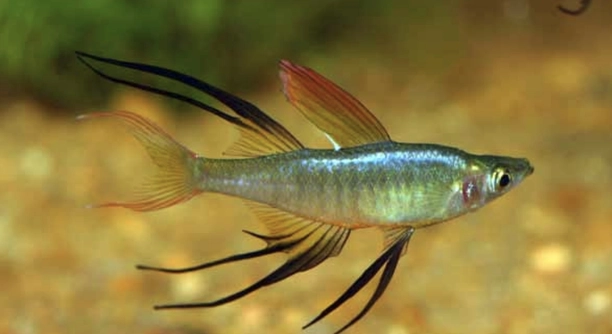
Do you ever notice your Threadfin Rainbowfish swimming more actively in some parts of the tank than others? Observing their movements can give you clues about how comfortable they are with their environment and water flow.
Paragraph 2 (bold):
The ideal current speed for Threadfin Rainbowfish is moderate, allowing them to swim steadily without exhaustion. Maintaining a gentle, consistent flow mimics their natural habitat, supports proper oxygenation, and encourages healthy activity while minimizing stress and injury.
Paragraph 3:
Understanding the right water flow helps ensure your rainbowfish remain healthy and vibrant. The following guidance will make setting up their tank easier and more effective.
Understanding Threadfin Rainbowfish Behavior
Threadfin Rainbowfish are naturally active swimmers that prefer areas with gentle to moderate currents. In the wild, they navigate streams and slow-flowing rivers, constantly moving but never fighting strong flows. In captivity, observing their swimming patterns helps determine if the current is suitable. Too fast, and they may tire quickly; too slow, and they may become lethargic or hide more frequently. These fish also rely on water flow for proper oxygen circulation and waste movement, which supports overall tank health. Providing hiding spots, plants, and open swimming areas creates a balanced environment that mirrors their natural habitats. Maintaining consistent water conditions, including pH and temperature, further supports their comfort and reduces stress. Small adjustments in flow speed can make a noticeable difference in their activity and color vibrancy. Regular observation ensures your rainbowfish thrive while enjoying a safe and stimulating tank setup that fits their natural behavior.
Monitoring their swimming patterns helps maintain a comfortable current, reducing stress and promoting consistent health in your fish.
By paying attention to the direction, speed, and turbulence of water, you can fine-tune your tank to match their needs. Proper placement of filters and decorations allows fish to rest while also enjoying gentle currents. Observation over time shows how changes affect their behavior and overall well-being. Consistent feeding schedules, paired with stable water flow, encourage natural activity and vibrant colors. Adjusting the flow in small increments helps avoid sudden stress or exhaustion. Creating areas with slightly varied currents gives the fish choice, mimicking natural conditions. This balance improves their immune response and encourages natural schooling behavior. Regular maintenance of the tank, including cleaning filters and monitoring water quality, ensures the current remains effective and safe. Incorporating plants or rocks strategically reduces strong turbulence while keeping oxygen levels adequate. Understanding these subtle details enhances the fish’s daily comfort and contributes to a healthier, longer life in your care.
Setting the Ideal Current
Ideal current for Threadfin Rainbowfish is gentle yet consistent, allowing swimming without overexertion while circulating oxygen efficiently throughout the tank.
Achieving the right flow starts with selecting the proper filter output. Adjusting the direction of water discharge helps prevent strong turbulence, and placing plants or decorations strategically provides natural breaks. A combination of surface movement and gentle mid-tank flow creates a balanced environment that matches their natural habitat. Observing fish behavior over time reveals whether the current is too strong or weak. Proper flow supports feeding, reduces stress, and encourages natural swimming patterns. Consistency is key—abrupt changes in speed or direction can harm both behavior and health. Small tanks may require lower flow rates, while larger tanks can handle slightly higher speeds without overwhelming the fish. Using adjustable pumps allows fine-tuning of conditions as the fish grow. Maintaining equipment ensures the current remains stable, supporting long-term well-being. By creating an environment with thoughtful flow, you provide a tank where Threadfin Rainbowfish can thrive, displaying natural activity and vibrant colors without strain.
Adjusting Tank Flow for Comfort
Small changes in flow can make a big difference in how Threadfin Rainbowfish behave. Redirecting currents around plants or decorations helps them swim naturally without stress. Observing them daily shows if adjustments are needed to keep swimming comfortable and safe.
Even minor tweaks in filter output or pump placement can change the tank’s dynamics. Threadfin Rainbowfish prefer areas where they can swim freely but also have spots to rest. Using rocks, plants, or driftwood to create natural barriers helps break strong currents while maintaining movement. Watching their behavior over several days shows if the adjustments are effective, helping prevent fatigue or hiding. Regularly checking water speed ensures oxygen remains consistent throughout the tank, supporting both their activity and health.
Balancing flow isn’t just about speed—it’s about direction and consistency. Gentle circulation promotes schooling behavior, encourages feeding, and enhances natural color. Sudden changes can create stress, so gradual adjustments work best. Placement of equipment, combined with strategic decoration, allows multiple swimming zones. This approach replicates natural conditions, keeping the fish active yet calm. Monitoring behavior daily ensures they remain comfortable while benefiting from the current’s stimulation. Over time, small adjustments lead to a tank environment that supports vitality and longevity.
Tools and Techniques to Measure Current
Measuring current helps provide Threadfin Rainbowfish the optimal swimming conditions. Simple tools like flow meters or floating indicators make tracking water movement easy. Consistent measurement ensures the tank remains balanced.
Flow meters give precise readings of water speed, making it easier to adjust pumps and filters effectively. Floating objects, like small leaves or cork pieces, visually show how water moves in different areas of the tank. Combining these methods allows both quantitative and observational monitoring. Adjustments can then be made gradually to maintain gentle, steady currents that suit the fish. Understanding the flow in every section prevents areas of stagnation or excessive turbulence. Regularly checking readings after maintenance ensures the environment remains consistent. Proper measurement also aids in optimizing oxygen distribution and overall tank health, creating a more comfortable and stable habitat for your rainbowfish.
Common Mistakes to Avoid
Strong currents can tire Threadfin Rainbowfish quickly, causing stress or hiding. Overcrowding the tank worsens this problem, making flow adjustments less effective.
Placing decorations without considering water direction can create dead zones where debris collects. These areas reduce oxygen circulation, affecting fish health. Careful placement ensures proper flow and comfort.
Using Plants to Regulate Flow
Live or artificial plants help break up strong currents while providing resting spots for Threadfin Rainbowfish. They guide water around the tank naturally, creating calmer swimming zones. Strategic placement encourages fish to explore the tank without exhausting themselves.
Plants also improve water quality by absorbing nitrates and producing oxygen. They soften abrupt flows near filters or pumps, allowing fish to move freely. Observing behavior near plant clusters shows whether currents are comfortable. Adjusting density or arrangement gradually fine-tunes the environment. Both floating and rooted plants can be used to create varied flow areas. This combination promotes natural movement, reduces stress, and enhances the tank’s visual appeal. Over time, well-placed plants balance water circulation with areas of calm, supporting healthy, active Threadfin Rainbowfish.
Monitoring Long-Term Effects
Consistent observation of behavior and health helps track the success of current adjustments. Fish should swim actively without showing signs of fatigue or stress.
FAQ
What is the best current speed for Threadfin Rainbowfish?
The best current speed is moderate, allowing the fish to swim actively without fatigue. Gentle to steady flow replicates their natural environment and supports oxygenation. Too strong a current can tire them, while stagnant water reduces activity and can cause hiding or stress. Adjustments should be gradual.
How can I tell if the current is too strong?
Signs include fish struggling to swim, hiding frequently, or appearing exhausted. Constant swimming against the flow without resting or being pushed into tank decorations indicates the current is excessive. Observing behavior over several days is the most reliable way to assess comfort.
Can Threadfin Rainbowfish live in slow-moving water?
Yes, they can survive, but slow-moving water may reduce activity levels and affect health. Without adequate flow, oxygen distribution is limited, and waste can accumulate. Creating gentle currents with pumps or filter adjustments ensures they stay active and healthy.
Do decorations affect water flow?
Absolutely. Rocks, plants, and driftwood can redirect water and create calmer zones. Proper placement prevents strong turbulence and allows areas for rest. Observing how fish move around decorations helps fine-tune the tank setup to balance activity and relaxation.
Should I use a flow meter?
Flow meters are helpful but not required. Simple observation can often indicate if the flow is appropriate. Floating objects or leaves can visually show water movement. Combining visual cues with occasional measurements ensures consistent and safe currents.
How often should I adjust the current?
Adjustments should be occasional and gradual. Frequent changes can stress the fish. Monitor behavior first, then modify filter output or pump direction slightly if needed. Small tweaks over time maintain comfort without disrupting their daily routine.
Can current speed affect feeding?
Yes, strong currents can push food away, making feeding difficult. Gentle, consistent flow helps food remain accessible and encourages natural foraging behavior. Observation during feeding times is important to ensure all fish get enough nutrition.
Do Threadfin Rainbowfish need different currents in small vs. large tanks?
Smaller tanks usually require slower flow to avoid overwhelming the fish. Larger tanks can handle slightly stronger currents, but the key is to maintain gentle, steady movement. Adjusting equipment based on tank size ensures even distribution and comfort for all fish.
Will changes in temperature affect water flow needs?
Temperature changes can slightly alter water density and movement, but the main concern is fish comfort. Maintaining stable temperature alongside proper flow ensures energy is spent swimming comfortably rather than compensating for environmental stress.
How do I balance strong filtration with gentle currents?
Use spray bars, diffusers, or directional nozzles to break strong flow into gentle streams. This keeps oxygen levels high without exhausting fish. Combining mechanical filtration with thoughtful flow control creates a stable environment that supports health and activity.
Can multiple fish affect current requirements?
Yes, larger groups may increase turbulence as they swim together. Observing schooling behavior helps determine if adjustments are needed. Strategic tank design and equipment placement maintain comfortable currents for all individuals.
Are artificial plants as effective as live plants in regulating flow?
Artificial plants can help break currents and create resting areas but do not contribute to oxygenation or nitrate absorption. A combination of both types can optimize water flow while supporting environmental health.
How long does it take for fish to adapt to a new current?
Typically, fish adjust within a few days to a week. Sudden, strong changes can cause stress. Gradual adjustments, paired with observation, ensure they adapt comfortably without impacting activity or health.
What are the long-term benefits of maintaining ideal current?
Proper currents support swimming behavior, reduce stress, improve coloration, and encourage natural feeding habits. Over time, fish show better immune function, longer lifespan, and more vibrant activity patterns. Regular monitoring keeps the tank conditions optimal.
Is it necessary to change current for breeding purposes?
Yes, slightly stronger currents can simulate natural conditions that encourage spawning, while calmer areas provide safety for fry. Observing fish behavior helps fine-tune flow for successful breeding.
How can I prevent stagnant zones in the tank?
Positioning equipment and decorations thoughtfully ensures water reaches all areas. Occasional testing with floating indicators or flow meters helps detect stagnant spots. Even gentle circulation prevents debris buildup and supports oxygen distribution.
Can currents reduce algae growth?
Indirectly, yes. Proper water movement discourages debris accumulation, which can fuel algae. Balanced currents, combined with regular cleaning, help maintain a healthier tank environment.
Should I adjust flow differently for day and night?
Some keepers slightly reduce flow at night to mimic natural calmer periods. This can help fish rest without completely stopping circulation. Maintaining some movement ensures oxygen levels remain adequate overnight.
Does water hardness or salinity affect current preferences?
Minor differences in water chemistry do not directly impact flow preferences, but stable conditions support overall health. Fish are more responsive to current changes when their environment remains consistent and comfortable.
How often should I monitor water flow?
Check currents during routine maintenance and after equipment adjustments. Frequent observation in the first few weeks of tank setup is crucial. Once stable, periodic monitoring ensures ongoing comfort without overcomplicating daily care.
Are there signs that currents are benefiting the fish?
Active swimming, vibrant coloration, regular schooling, and healthy appetite indicate currents are appropriate. Fish that move naturally without exhaustion show that flow matches their needs. Observing these signs helps confirm that tank adjustments are successful.
Can other fish species affect Threadfin Rainbowfish current needs?
Yes, aggressive or strong-swimming species may change water dynamics. Ensure compatible species share space to prevent turbulence that overwhelms Threadfin Rainbowfish. Adjust flow and tank layout accordingly.
Do filters alone create adequate currents?
Filters contribute but may need directional control to create uniform flow. Combining filter output with pump adjustments or flow diffusers provides more consistent movement throughout the tank.
Is it necessary to document flow adjustments?
Keeping notes of adjustments and observed behavior helps track trends over time. Documentation allows you to replicate successful setups and quickly address issues if stress or fatigue appears.
Can currents impact water temperature distribution?
Yes, proper flow ensures even heat distribution. Poor circulation can create hotspots or cooler areas, stressing fish. Balanced currents maintain uniform conditions throughout the tank.
How do I know when adjustments are too frequent?
Frequent changes that cause visible stress, hiding, or erratic swimming indicate adjustments are excessive. Gradual modifications with careful observation prevent disruption to natural behavior and health.
What role do pumps play in creating ideal currents?
Pumps help direct water to desired zones, supporting even flow. Adjustable pumps allow fine-tuning without changing filter strength, giving fish a comfortable environment while maintaining proper oxygenation and circulation.
Can Threadfin Rainbowfish adapt to a wider range of currents over time?
They may tolerate minor variations with gradual exposure, but extremes still cause stress. Consistency is preferred, with slight changes made to accommodate growth, new tankmates, or environmental adjustments.
How important is schooling behavior in determining current needs?
Schooling reflects comfort. Fish that swim together naturally in moderate currents show the flow is suitable. Dispersed or hiding behavior indicates adjustments are necessary to maintain ideal conditions.
Are there any tools to visualize water flow more easily?
Yes, floating leaves, small cork pieces, or flow meters show patterns. Observing fish interactions with these indicators helps identify dead zones or strong turbulence, allowing targeted adjustments.
How can I combine filtration and decoration to optimize flow?
Use filters for consistent circulation, while decorations like plants and rocks break strong currents. This balance creates resting areas, promotes natural movement, and maintains oxygen distribution. Regular observation ensures adjustments are effective for all fish.
What is the easiest way to maintain gentle, consistent flow?
Adjust filter output, position equipment strategically, and add plants or driftwood to redirect water. Observe behavior and fine-tune gradually. Consistency, combined with monitoring, ensures comfortable swimming conditions without exhausting the fish.
Can flow adjustments impact breeding success?
Yes, appropriate currents encourage natural spawning behavior. Calm zones allow fry to develop safely. Gradual changes tailored to breeding periods improve the likelihood of successful reproduction while maintaining overall tank health.
How do I balance multiple factors, like flow, temperature, and tank size?
Start with moderate current appropriate for tank size, ensure temperature stability, and provide hiding spaces. Observe behavior and adjust equipment placement gradually. Balancing these factors creates an environment where fish thrive naturally and healthily.
What should I avoid when managing tank currents?
Avoid sudden changes, overcrowding, and strong turbulence near resting areas. Monitor fish behavior, maintain stable conditions, and gradually implement adjustments. Thoughtful management keeps Threadfin Rainbowfish active, healthy, and comfortable.
How can I tell if adjustments are working?
Improved swimming activity, calmer schooling, better feeding, and vibrant colors indicate successful adjustments. Consistent monitoring allows fine-tuning for long-term comfort and optimal tank conditions.
Can currents influence aggression or territorial behavior?
Yes, strong or uneven flow can stress fish, increasing territorial disputes. Gentle, uniform currents reduce conflict and promote harmonious schooling behavior, improving overall tank stability.
Are there signs of overcompensation in current adjustments?
Excessive use of pumps, strong filter output, or too many obstacles can create turbulence. Fish showing fatigue, hiding, or erratic swimming are signals that adjustments have gone too far.
Is it necessary to adapt current for different life stages?
Juveniles may prefer calmer areas, while adults tolerate moderate currents. Gradual adjustment as fish grow ensures comfort and encourages healthy development.
Do seasonal changes affect current needs?
Minor temperature shifts can slightly affect flow perception, but overall, maintaining moderate, consistent current is most important. Observing fish behavior throughout the year ensures conditions remain optimal.
How long should I monitor after changes?
At least several days to a week is recommended. Fish behavior and feeding patterns indicate whether adjustments are suitable. Gradual monitoring ensures safe adaptation without stress.
Can adjusting the current improve coloration?
Yes, consistent moderate flow promotes healthy activity and reduces stress, which enhances natural coloration. Vibrant colors are often a sign of comfort and proper tank conditions.
What is the simplest method to ensure ideal flow?
Combine gentle filter output, strategic decoration, and observation. Gradual adjustments, monitoring behavior, and maintaining equipment stability create a balanced environment that supports the fish’s health and activity.
How often should I revisit flow settings?
Periodically, especially after adding fish, changing equipment, or modifying decorations. Regular checks prevent stagnant zones, strong turbulence, or uneven oxygenation, maintaining ideal conditions consistently.
Are there risks in ignoring current adjustments?
Yes, ignoring flow needs can cause stress, fatigue, hiding, poor coloration, and health issues. Proper management ensures Threadfin Rainbowfish thrive and display natural behaviors in a safe environment.
Can multiple small pumps work better than one large one?
Yes, multiple small pumps allow more precise control over water movement, reducing turbulence and creating varied zones for rest and activity. This can mimic natural conditions more effectively.
Do surface currents matter as much as mid-tank flow?
Yes, surface movement affects oxygenation and debris circulation. Gentle surface flow complements mid-tank currents, maintaining overall balance and supporting healthy swimming patterns.
How do I know if my fish are too stressed from flow?
Signs include hiding, erratic swimming, loss of appetite, or fading colors. Adjust flow gradually and monitor recovery to ensure they return to normal behavior.
Is it necessary to combine observation with tools for best results?
Yes, visual observation paired with simple tools like floating indicators or flow meters gives a complete understanding of current patterns, ensuring adjustments are effective and safe.
How can I maintain a balance between flow and tank aesthetics?
Use decorations and plants strategically to manage flow while creating natural-looking zones. This maintains comfort for fish without compromising visual appeal, keeping the tank both healthy and attractive.
Can current adjustments affect long-term growth?
Proper current promotes exercise, feeding efficiency, and overall health, contributing to better growth and development over time. Consistency is key to long-term benefits.
How do I ensure new fish adapt to existing currents?
Introduce them gradually, observe behavior, and provide calm areas initially. Over time, they will adjust to moderate currents without stress or fatigue.
Do water changes affect current needs?
Yes, water changes can temporarily alter flow patterns. Monitor after changes to ensure currents remain gentle, consistent, and comfortable for the fish.
Is there a universal current setting for all Threadfin Rainbowfish tanks?
No, settings depend on tank size, number of fish, equipment, and decoration layout. Observing fish behavior is the most reliable method to determine ideal flow.
Can currents reduce disease risk?
Indirectly, yes. Proper flow improves oxygen distribution, reduces stagnant debris, and supports overall health, lowering the likelihood of stress-related illness.
Are floating plants better than rooted plants for flow management?
Floating plants mainly calm surface currents, while rooted plants affect mid-tank flow. Combining both types gives more control over overall water movement.
What adjustments are necessary when introducing breeding tanks?
Slightly stronger currents can simulate natural conditions, while calm zones protect fry. Observation and gradual tuning help maintain suitable flow for reproduction and safety.
How do I know when to stop adjusting currents?
When fish swim naturally, feed well, show vibrant colors, and display schooling behavior without stress, the flow is likely optimal. Further changes should be minimal.
Can tank shape affect current distribution?
Yes, long or narrow tanks may produce uneven flow. Adjusting equipment placement and decorations ensures uniform currents throughout the tank, supporting healthy swimming conditions.
What role does consistent maintenance play in flow stability?
Regular cleaning of filters and pumps prevents blockages and maintains gentle, steady flow. Consistency reduces sudden changes that could stress Threadfin Rainbowfish.
Can currents influence aggression between species?
Yes, uneven or strong currents can stress fish, leading to increased competition or aggression. Balanced flow reduces conflict and supports harmonious cohabitation.
Are there visual signs that flow is well-adjusted?
Active schooling, calm resting areas, evenly distributed swimming, and regular feeding indicate the tank has suitable, well-balanced currents.
Does flow impact territorial behavior?
Moderate currents reduce territorial disputes by providing sufficient space and comfortable swimming conditions. Too strong or uneven flow may trigger aggressive defense behaviors.
Can automated systems maintain ideal currents?
Yes, adjustable pumps or smart controllers allow consistent monitoring and fine-tuning, keeping flow steady and reducing manual intervention.
How do I combine multiple factors like lighting and flow?
Ensure lighting does not create excessive surface agitation, which can increase turbulence. Coordinating flow, temperature, and lighting maintains a stable and comfortable environment.
What is the impact of ignoring small turbulence areas?
Even small turbulence can stress fish over time. Monitoring and minor adjustments prevent chronic fatigue and behavioral issues, ensuring a healthier tank environment.
How can I ensure currents suit both adults and juveniles?
Provide zones with slightly varied flow. Juveniles can use calmer areas, adults can enjoy moderate currents. Observation ensures both thrive without stress.
Are there seasonal adjustments needed for currents?
Minor tweaks may be needed if temperature or tank density changes seasonally. Overall, maintaining moderate, consistent flow is most important.
Can high currents affect coloration long-term?
Yes, chronic stress from strong currents can dull colors. Moderate, consistent flow supports natural vibrancy and overall health.
Should flow adjustments consider tank decoration changes?
Absolutely. Adding or moving decorations changes water paths, requiring observation and minor adjustments to maintain balanced currents.
Is gradual change always better than sudden adjustment?
Yes, sudden shifts can stress fish. Gradual modifications allow adaptation while preventing fatigue or hiding behavior.
Can current adjustments improve appetite?
Yes, comfortable flow encourages natural foraging and efficient feeding, supporting consistent appetite and healthy growth.
Are there tools for continuous monitoring of flow?
Some pumps and sensors provide real-time flow data, helping maintain consistent conditions without constant manual checks.
How often should I review flow after setup?
Daily observation during the first few weeks, then periodically during routine maintenance ensures conditions remain suitable.
Can currents influence mating behavior?
Moderate currents can trigger natural spawning instincts, while calm zones protect eggs and fry, supporting successful reproduction.
Are there risks of overcomplicating flow adjustments?
Yes, too many changes or excessive equipment can create turbulence or stress. Simple, thoughtful adjustments are usually sufficient.
Can adjusting currents affect algae growth indirectly?
Yes, improved circulation reduces stagnant debris that supports algae, complementing regular cleaning for a healthier tank.
How do I balance flow and oxygenation?
Proper current ensures water moves across surfaces and throughout the tank, supporting oxygen levels while keeping fish comfortable.
What is the best method to test new flow adjustments?
Use small floating objects and observe fish for several days. Gradual changes and consistent observation ensure safe adaptation.
Are there signs that fish prefer calmer zones?
Fish resting or swimming slowly near plants or decorations indicate areas where flow is more comfortable. Adjustments can mimic these conditions throughout the tank.
Do juveniles react differently to currents than adults?
Yes, juveniles often prefer calmer areas to conserve energy, while adults tolerate moderate flow. Providing varied zones ensures both age groups thrive.
Can adjusting flow impact filter efficiency?
Yes, improper flow can reduce circulation to certain areas, affecting filtration. Adjustments should balance comfort and efficient water movement.
How do I maintain comfort during equipment upgrades?
Introduce new pumps or filters gradually, monitor behavior, and make minor flow adjustments to prevent sudden stress or turbulence.
Does tank location affect current needs?
Minimal impact from room placement exists, but ensure equipment output is directed properly. Walls or furniture may influence flow patterns slightly.
Can currents influence schooling patterns long-term?
Yes, moderate, consistent flow encourages natural schooling. Strong or uneven currents can disrupt coordination and increase stress.
Are there common mistakes beginners make with currents?
Yes, common errors include overestimating flow, ignoring decorations, and making sudden adjustments. Observing behavior and gradual tuning avoids these issues.
How do I know when currents are perfect?
Active swimming, resting appropriately, vibrant colors, and smooth schooling indicate currents are well-adjusted and suitable for the tank.
Can current adjustments reduce aggression in mixed species tanks?
Yes, gentle, uniform flow reduces stress, promoting harmony between species. Areas with slightly varied currents allow fish to avoid conflicts naturally.
How does tank size influence flow management?
Larger tanks require careful equipment placement to ensure even flow, while smaller tanks need lower output to prevent overexertion. Observation helps fine-tune adjustments.
What is the easiest way to maintain ideal flow long-term?
Set moderate, consistent currents, observe behavior regularly, and adjust equipment gradually. Thoughtful layout with plants and decorations ensures stability and comfort.
Can currents affect disease resistance?
Yes, proper flow supports healthy activity, reduces stress, and maintains oxygenation, all contributing to stronger immune function
Threadfin Rainbowfish thrive in environments that mimic their natural habitats, and water current is a key part of creating a healthy tank. Moderate, consistent flow allows them to swim actively without tiring, supporting both physical and mental well-being. Fish that experience the right current show vibrant colors, natural schooling behavior, and regular feeding habits. In contrast, tanks with too strong or too weak flow can lead to stress, fatigue, or hiding. Proper flow helps distribute oxygen evenly, move nutrients, and reduce the accumulation of debris, all of which are essential for the overall health of the aquarium. Observing the fish daily is the best way to determine whether the current is suitable, as their behavior directly reflects their comfort. Gradual adjustments, careful placement of decorations, and consideration of tank size all work together to create the optimal flow for these active swimmers.
Using tools like flow meters or visual indicators can help maintain consistency, but simple observation is often enough for most aquarists. Floating leaves, small cork pieces, or even watching the fish themselves can show how water moves in different areas of the tank. Decorations and plants play a dual role in this process, breaking strong currents while providing resting and hiding spots. Both live and artificial plants contribute to creating a comfortable environment, with live plants also improving oxygenation and water quality. Strategic placement of filters and pumps allows for uniform water movement, preventing stagnant zones and ensuring that all parts of the tank remain safe and comfortable. Over time, fine-tuning these elements creates an environment where Threadfin Rainbowfish can display natural activity patterns, remain healthy, and live longer. The key is consistency, patience, and careful observation, which together ensure the fish remain stress-free and active.
Long-term maintenance of proper water flow also supports the tank’s ecosystem as a whole. Regular monitoring prevents issues before they become serious, such as oxygen depletion or excessive debris buildup. Adjustments should always be gradual to avoid shocking the fish or altering their behavior abruptly. When the current is well-balanced, Threadfin Rainbowfish are more likely to feed efficiently, school naturally, and even exhibit breeding behaviors in the right conditions. Additionally, the right flow reduces aggression in mixed-species tanks and keeps juvenile and adult fish comfortable in the same environment. By focusing on gentle, steady currents and observing how the fish interact with their surroundings, aquarists can create a tank that supports health, activity, and long-term vitality. Every detail, from the placement of a plant to the output of a pump, contributes to a safe and comfortable habitat. With careful attention and consistent monitoring, Threadfin Rainbowfish will thrive, providing both beauty and activity in your aquarium.

Hello,
If you enjoy the content that we create, please consider saying a "Thank You!" by leaving a tip.
Every little bit helps us continue crafting quality advice that supports the health, happiness, and well-being of pets around the world, for pets of all shapes, sizes, and species.
We really appreciate the kindness and support that you show us!