
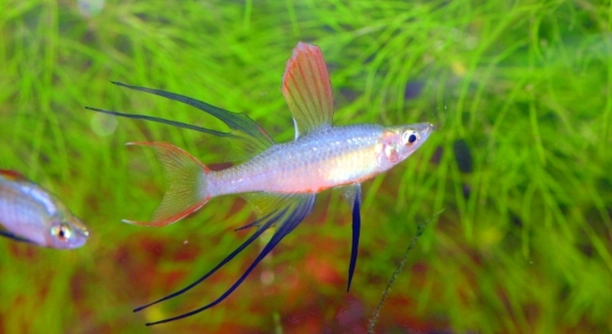
Are your threadfin rainbowfish showing signs of illness and need extra care? Setting up a hospital tank can make a significant difference in their recovery. Proper preparation ensures a safe and stress-free environment for healing.
To prepare a hospital tank for a sick threadfin rainbowfish, start with a clean, appropriately sized tank, maintain stable water parameters, provide gentle filtration, remove any decorations that may cause stress, and ensure the water temperature matches their natural habitat.
Understanding these steps will help your fish recover more quickly. Proper tank setup creates a controlled space that supports their health and comfort.
Choosing the Right Tank for Quarantine
Selecting a proper hospital tank is essential for the recovery of your threadfin rainbowfish. A tank between 10 to 20 gallons works best for a single fish or small group. Smaller tanks are easier to manage, allowing you to monitor water parameters closely and provide targeted care. It’s important to choose a tank with a secure lid to prevent jumping, as sick fish may become more restless. Avoid using tanks that previously held other fish unless they are thoroughly sanitized to prevent cross-contamination. Consider using a bare-bottom tank to make cleaning easier and reduce the risk of harmful bacteria building up in substrate. Gentle filtration is key to maintain water quality without stressing the fish, and an adjustable heater ensures a stable temperature. Providing hiding spots with smooth surfaces helps the fish feel secure without risking injury. Every choice you make affects how well your fish can recover in this controlled environment.
A bare-bottom tank simplifies maintenance and reduces stress, giving your rainbowfish a cleaner space to heal effectively.
Monitoring water parameters, using gentle filtration, and maintaining temperature stability are crucial. Minimal decorations prevent injuries while offering the fish a secure area. Consistent care improves recovery and reduces risks of secondary infections.
Preparing Water Conditions
Water quality is the most critical factor for a sick threadfin rainbowfish. Using dechlorinated, fresh water and adjusting the pH and temperature to match their natural environment helps reduce stress. Frequent small water changes are better than large infrequent ones to maintain stability. Monitor ammonia, nitrite, and nitrate levels daily, as imbalances can worsen illness or delay recovery. Adding a small amount of aquarium salt can help with certain infections and reduce osmotic stress, but it should be used carefully depending on the fish’s condition. Using a sponge filter or a filter with a gentle flow prevents strong currents, which can tire out weakened fish. Oxygen levels must remain high, so consider adding an air stone if needed. Avoid overcrowding the hospital tank, as stress can lead to slower recovery or secondary health issues. Proper water conditions create a controlled environment that supports healing and helps prevent further complications, ensuring your fish has the best chance to regain strength.
Testing water daily, controlling flow, and adjusting pH consistently helps protect your fish. Maintaining ideal conditions is essential for recovery and overall well-being.
Adding Hiding Spots
Hiding spots reduce stress and give your rainbowfish a place to rest. Use smooth decorations or PVC tubes to avoid injuries. Keep the tank simple to maintain cleanliness and allow easy observation of your fish’s condition.
Providing a few well-placed hiding spots allows the fish to feel secure without overcrowding the tank. Avoid sharp rocks or rough surfaces, as sick fish are more prone to injury. Plants can be added, but choose hardy varieties or artificial options that are easy to clean. The goal is to create a calm environment that encourages the fish to rest and recover while still allowing you to monitor them closely for changes in behavior or signs of improvement.
Hiding areas should be positioned carefully to prevent blocking water flow or access to food. Multiple spots can reduce territorial stress if keeping more than one fish. Observe your fish to ensure they are using these areas comfortably and adjust placement if necessary. A well-organized tank supports recovery while minimizing stress.
Feeding and Medication
Feed your rainbowfish small amounts of high-quality food to prevent overfeeding and maintain water quality. Focus on easily digestible options that encourage eating without upsetting their system.
When medication is needed, follow dosage instructions carefully and avoid combining treatments unless advised. Quarantine tanks make it easier to administer treatments without affecting other fish. Monitor the fish closely for reactions to medications and adjust feeding routines to match their energy levels. Keep a log of treatment days and any observed changes to track progress effectively. Balancing nutrition with treatment helps speed recovery while minimizing stress or complications.
Adjust feeding frequency based on activity and appetite, providing small portions multiple times per day. Remove uneaten food promptly to maintain clean water. Monitor behavior and physical condition daily to assess the effectiveness of both diet and treatment. Consistent care ensures the fish receives adequate nutrition while responding well to any medications.
Maintaining Water Quality
Regular water testing prevents harmful buildups of ammonia, nitrite, and nitrate. Keep levels stable to avoid stressing your rainbowfish. Frequent small water changes are more effective than infrequent large changes for maintaining a healthy environment.
Using a sponge filter or gentle flow ensures circulation without causing exhaustion. Oxygen levels must remain high, and water temperature should stay consistent. Proper filtration and monitoring reduce the risk of secondary infections while promoting recovery.
Monitoring Behavior
Track swimming patterns, appetite, and interactions with hiding spots. Changes can indicate improvement or worsening of health.
Observing your rainbowfish closely allows for timely adjustments in care. Note any signs of lethargy, rapid breathing, or unusual color changes. This information guides feeding, medication, and water management. Accurate monitoring supports faster recovery and prevents complications.
Cleaning the Tank
Remove uneaten food and debris daily. Keeping the tank clean reduces bacteria and stress on your sick fish.
FAQ
How often should I change the water in a hospital tank?
Water changes should be small but frequent, ideally 20–25% every day or every other day. This maintains stable water parameters while removing waste and uneaten food. Large changes can shock a sick threadfin rainbowfish, slowing recovery and increasing stress.
What temperature is best for a sick threadfin rainbowfish?
Maintain the water between 24°C and 28°C (75°F–82°F). Use a reliable heater and thermometer to keep fluctuations minimal. Sudden temperature shifts can weaken the immune system and worsen illness. Adjust gradually if treating a specific infection requiring slightly higher temperatures.
Should I use medication preventively?
Avoid preventive medication unless recommended by a veterinarian. Using antibiotics or chemicals unnecessarily can harm the fish or disrupt beneficial bacteria. Only treat confirmed infections and follow dosage instructions carefully.
Can I use gravel or substrate in the hospital tank?
A bare-bottom tank is preferred. Substrate traps waste and makes cleaning harder, increasing the risk of secondary infections. Smooth decorations or PVC tubes are safer and easier to disinfect.
How can I tell if my rainbowfish is stressed?
Signs of stress include clamped fins, rapid breathing, hiding constantly, or erratic swimming. Monitoring behavior daily helps detect early issues. Adjust hiding spots, flow, or lighting if you notice prolonged stress.
Is feeding necessary during illness?
Yes, but feed small amounts of easily digestible food. Sick fish may eat less, so avoid overfeeding, which can pollute water. If the fish refuses food for more than a couple of days, consult a vet for guidance.
Can I keep more than one fish in a hospital tank?
Only if they are all sick and compatible. Overcrowding increases stress and the risk of spreading disease. Provide enough hiding spots and space for each fish to reduce aggression.
How long should a fish stay in a hospital tank?
The duration depends on the illness. Typically, a fish remains in quarantine until it shows normal behavior, consistent appetite, and healthy coloration. Some infections may require one to two weeks, while others need longer observation.
Should I add plants or decorations?
Add only smooth, easy-to-clean items. Live plants can help water quality but may harbor pathogens. Artificial plants or PVC tubes provide hiding spots without complicating cleaning routines.
How do I prevent secondary infections?
Maintain clean water, stable parameters, and minimal stress. Remove uneaten food promptly, avoid overcrowding, and monitor behavior closely. Timely medication for the primary illness reduces the risk of additional infections.
Can I use salt in the hospital tank?
A small amount of aquarium salt can help with certain infections or osmotic stress, but it must be used carefully. Avoid salt if your fish is sensitive or if medication interacts with it.
How do I monitor recovery effectively?
Track swimming activity, coloration, appetite, and interactions with hiding spots. Keep a log of feeding, medication, and water changes. Consistent observation allows early adjustments to care routines and ensures the fish is responding well.
What should I do if the fish stops eating?
Try offering high-quality, easy-to-digest foods in small amounts multiple times a day. If appetite doesn’t improve within 48–72 hours, consult a veterinarian for advice. Dehydration and weakened immunity can become serious quickly.
Is it necessary to clean the filter during treatment?
Clean the filter gently to remove debris without disturbing beneficial bacteria completely. Avoid deep cleaning during active medication treatment unless specified, as it can reduce effectiveness and water quality.
Can stress prolong illness?
Yes. Stress weakens the immune system, slows recovery, and increases vulnerability to secondary infections. Maintaining hiding spots, stable water parameters, and a calm environment reduces stress and improves healing.
This FAQ provides clear guidance for preparing and maintaining a hospital tank for a sick threadfin rainbowfish, addressing common concerns with practical solutions for optimal care.
Final Thoughts
Caring for a sick threadfin rainbowfish requires attention, patience, and consistency. Setting up a proper hospital tank is the foundation of recovery. A clean, appropriately sized tank with stable water conditions allows the fish to rest and regain strength. Using gentle filtration, monitoring temperature, and providing hiding spots helps reduce stress. Every detail, from water changes to decorations, contributes to creating a safe environment that supports healing. While it may feel like extra work, these steps significantly improve the chances of recovery and prevent complications from secondary infections. By focusing on the basics, you provide the essential care your fish needs without overcomplicating the process.
Feeding and treatment routines also play an important role in recovery. Sick rainbowfish may have reduced appetite, so small, frequent meals of easily digestible food are ideal. Avoid overfeeding to maintain water quality and minimize stress. Medication, when needed, should be administered carefully according to instructions. Observing your fish closely allows you to notice subtle changes in behavior or appearance, which can indicate improvement or signal problems. Maintaining detailed records of feeding, water changes, and medication can be helpful for monitoring progress. Consistency in these routines ensures the fish receives proper nutrition and treatment while keeping the tank clean and safe.
Recovery requires time and patience. Even after improvement, it is important to continue monitoring your fish for any signs of relapse. Returning the fish to a main tank should only happen once it shows consistent health, normal swimming, and appetite. Keeping a hospital tank prepared and understanding the basic needs of your rainbowfish can make future care easier and less stressful. Every careful step you take—from preparing the tank to monitoring daily—helps your fish regain health and reduces the risk of further illness. By staying attentive and organized, you create the best environment for your fish to heal fully and thrive again in its home tank.

Hello,
If you enjoy the content that we create, please consider saying a "Thank You!" by leaving a tip.
Every little bit helps us continue crafting quality advice that supports the health, happiness, and well-being of pets around the world, for pets of all shapes, sizes, and species.
We really appreciate the kindness and support that you show us!