
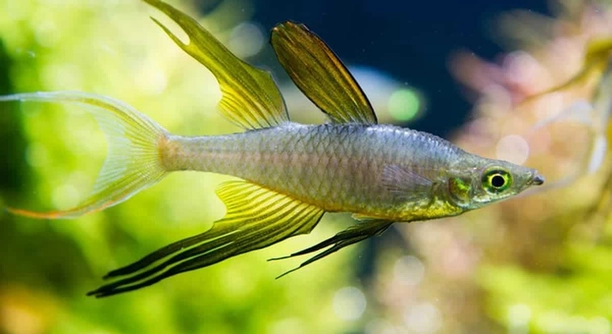
Do you ever notice a threadfin swimming alone, separate from the group, moving differently or lingering in corners of the tank? These small behaviors may signal discomfort or changes in social dynamics within the aquatic environment.
A threadfin that refuses to swim with its group often experiences stress, illness, or environmental dissatisfaction. Addressing water quality, social interactions, and diet are essential measures to encourage reintegration and maintain overall fish health.
Recognizing these signs early allows you to make targeted adjustments, helping your threadfin feel safe and more likely to rejoin its companions.
Observe Behavior Closely
When a threadfin refuses to swim with the group, the first step is careful observation. Note when and where it separates, how often it pauses, and whether it displays unusual movements. Some threadfins may linger near the bottom or hide behind decorations, while others may hover at the surface, showing signs of stress. Observing these patterns helps identify triggers that may affect its behavior, such as aggressive tankmates, sudden changes in lighting, or inconsistent feeding times. Consistent observation over several days allows you to detect small changes in posture, fin position, or gill movement, which could indicate illness or discomfort. Keeping a simple log of behavior and environment can guide adjustments. Environmental factors like water temperature, oxygen levels, and pH can also influence social behavior, so monitoring these is important. Understanding the threadfin’s habits provides a clearer picture of its needs. Early intervention based on observation increases the likelihood of resolving social isolation efficiently.
Detailed observation is crucial to determine whether separation is temporary or a sign of deeper issues.
Tracking patterns over time helps identify triggers, guiding necessary changes in tank setup, diet, and social dynamics to encourage group interaction.
Adjust the Environment
Environmental conditions play a major role in a threadfin’s willingness to join its group. Proper water temperature, cleanliness, and oxygenation directly impact comfort levels and behavior. Decorations and hiding spots can reduce stress, giving fish safe areas to retreat while maintaining group cohesion. Even small changes, like rearranging plants or rocks, can encourage exploration and social interaction. In some cases, separating aggressive tankmates or providing visual barriers helps the isolated threadfin feel secure. Adjustments should be gradual to avoid additional stress. Consistent monitoring of water chemistry ensures that pH, ammonia, nitrite, and nitrate levels remain within safe ranges, supporting health and social behavior. Lighting schedules can also influence activity, with consistent day-night cycles encouraging normal movement and group swimming. By carefully controlling the environment, you reduce the factors that may cause avoidance behavior. A stable and comfortable tank increases the likelihood of the threadfin reintegrating naturally with its group.
Proper environmental adjustments provide a supportive space for your threadfin.
Creating a calm, well-maintained tank ensures that stressors are minimized, and fish have both safety and space to rejoin the group. Gradual rearrangements and consistent water monitoring help maintain balance, while observing interactions helps confirm improvements. Environmental management is a practical step that directly influences social behavior and overall health. A combination of appropriate lighting, hiding spaces, and regular cleaning contributes to a more harmonious tank, reducing isolation and promoting interaction.
Review Diet and Feeding
A threadfin that isolates itself may be experiencing dietary issues. Ensuring a balanced, nutritious diet supports energy, immunity, and overall health, which can influence social behavior.
Providing a mix of high-quality pellets, live food, and occasional treats keeps nutrition varied. Overfeeding or underfeeding can lead to lethargy, aggression, or stress. Observe whether the isolated threadfin is eating normally. Adjust portions to maintain consistent feeding times, and remove uneaten food promptly to prevent water contamination. Supplements like vitamins or spirulina can enhance vitality, supporting both health and activity levels. A healthy diet directly encourages the fish to swim with its group naturally.
Feeding adjustments also help reduce competition among tankmates, preventing bullying or dominance behavior. When the threadfin feels nourished and confident, it is more likely to reintegrate and interact.
Monitor Social Dynamics
Aggression or dominance within the group can cause a threadfin to swim alone. Identify patterns of bullying or territorial behavior that may push the fish away.
Separating aggressive fish temporarily or introducing visual barriers can reduce stress while promoting safer interactions. Observe how each fish responds to feeding times, swimming paths, and proximity to hiding spots. Gradual reintroduction after adjustments encourages the isolated threadfin to regain confidence. Sometimes, rearranging decorations or adding new plants can diffuse territorial conflicts, giving the fish more freedom to explore without confrontation. Understanding hierarchy and movement patterns is essential for fostering harmonious social behavior.
A proactive approach ensures the threadfin is not excluded due to aggression. By managing group dynamics, you create an environment where the fish feels safe to rejoin. Continuous monitoring of interactions, combined with environmental and dietary adjustments, helps maintain stability. Over time, this approach encourages natural swimming patterns, reducing stress and promoting cohesion. Recognizing subtle cues and adjusting accordingly strengthens social bonds, allowing all fish to coexist comfortably.
Check for Illness
A threadfin may isolate itself due to sickness. Look for signs like clamped fins, unusual swimming, or changes in appetite. Early detection prevents worsening conditions.
Quarantining the affected fish can protect the group. Observing behavior and physical symptoms helps determine if treatment is necessary, ensuring recovery and safety for all tankmates.
Maintain Water Quality
Consistent water quality is crucial for a threadfin’s health. Regular testing of ammonia, nitrite, nitrate, and pH levels prevents stress and disease. Perform partial water changes weekly to remove waste and toxins, maintaining a stable environment. Clean filters and monitor temperature to keep conditions optimal.
Encourage Gentle Interaction
Gradually reintroducing the threadfin near group members can reduce fear. Observe reactions closely to ensure no aggressive behavior occurs.
FAQ
Why is my threadfin swimming alone while the others stay together?
A threadfin may isolate itself due to stress, illness, or environmental discomfort. Changes in tankmates, water quality, or temperature can make a fish feel unsafe. Monitoring behavior and checking water parameters can help identify the source of isolation. Early observation prevents long-term issues.
Could diet affect a threadfin’s willingness to swim with the group?
Yes, a poor or inconsistent diet can reduce energy levels and increase stress, causing isolation. Providing a balanced mix of high-quality pellets, live food, and occasional supplements supports vitality and encourages normal social behavior. Feeding routines should be consistent to reduce competition and tension.
How do I know if the threadfin is sick?
Look for clamped fins, sluggish movement, pale coloration, labored breathing, or a loss of appetite. These signs indicate illness or stress. Quarantining the affected fish and checking water parameters is critical. Prompt treatment or consultation with a specialist can prevent the illness from spreading to other tankmates.
Can aggressive tankmates cause isolation?
Yes. Dominant or territorial fish may intimidate a threadfin, forcing it to swim alone. Observing interactions, temporarily separating aggressive individuals, and rearranging tank decorations can reduce stress. Gradual reintroduction and monitoring interactions can restore harmony and allow the threadfin to reintegrate safely.
Does water quality influence social behavior?
Absolutely. High ammonia, nitrite, nitrate levels, or sudden pH and temperature changes can cause stress, leading to social withdrawal. Regular testing, partial water changes, and maintaining stable conditions encourage active swimming and group cohesion. Clean filters and proper aeration are also essential.
How long does it take for a threadfin to rejoin the group?
The timeline varies depending on the cause of isolation. Environmental adjustments may show results in a few days, while illness or stress-related cases might take weeks. Continuous observation, proper care, and maintaining stability increase the likelihood of faster reintegration.
Should I quarantine my threadfin if it isolates?
Quarantining is recommended if illness is suspected. Separating the fish prevents potential disease spread and allows close monitoring. For behavioral causes, gradual reintroduction into a stable environment may be more effective than isolation, combined with environmental adjustments and dietary support.
Do hiding spots help reintegration?
Yes. Providing plants, rocks, or decorations gives the threadfin safe areas to retreat while reducing stress. This encourages exploration and interaction with the group at its own pace. A well-arranged tank minimizes territorial conflicts and promotes confidence in social behavior.
Can lighting affect swimming behavior?
Consistent day-night lighting cycles influence activity and social interactions. Sudden changes or overly bright lighting can stress a threadfin, leading to isolation. Using moderate, stable lighting helps the fish maintain normal swimming patterns and reduces anxiety.
Is it normal for a threadfin to be alone sometimes?
Occasional solitary behavior can be natural, especially if the fish is resting or exploring. Persistent isolation, however, usually indicates a problem. Monitoring for changes in appetite, swimming, and interaction helps distinguish normal behavior from stress or illness.
How can I safely encourage interaction?
Gradually position the threadfin near the group during feeding or while rearranging decorations. Avoid forcing contact. Positive reinforcement, such as food rewards and gentle environmental adjustments, supports confidence and reduces fear. Continuous observation ensures that interactions remain stress-free and harmonious.
What preventive measures help avoid future isolation?
Maintaining clean water, balanced nutrition, proper tankmates, and consistent environmental conditions prevents stress-related isolation. Regular observation, timely intervention for illness, and careful management of social dynamics support a healthy, active group of threadfins over time.
This FAQ provides practical guidance on causes, observation, and solutions for a threadfin that refuses to swim with its group. By addressing environmental, dietary, and social factors, you can promote healthier interactions and reduce long-term isolation.
Final Thoughts
A threadfin refusing to swim with its group can be concerning, but it is often a sign that something in its environment or routine needs attention. Isolated behavior is usually not random and can indicate stress, illness, or discomfort caused by water conditions, diet, or social interactions. By observing your fish closely and noting patterns in behavior, you can identify the underlying cause more effectively. Small changes, such as adjusting water quality, rearranging tank decorations, or monitoring feeding routines, can make a significant difference in helping the threadfin feel safe and confident. Consistent observation over several days allows you to track progress and understand which adjustments are effective. It is also important to maintain a calm and stable environment, as sudden changes in lighting, temperature, or tank layout can increase stress and worsen isolation. Understanding the threadfin’s habits and preferences helps you create an environment that promotes natural swimming and interaction with the group.
Diet and nutrition play a key role in encouraging social behavior. A threadfin that is not receiving adequate nutrition may become lethargic, weak, or more susceptible to illness, all of which can lead to isolation. Ensuring a varied and balanced diet supports energy levels and overall health, making the fish more likely to swim with others. Observing feeding behavior is also important; overfeeding can cause water quality issues, while underfeeding can increase competition and stress among tankmates. Providing high-quality pellets, live or frozen food, and occasional supplements helps maintain vitality. Gradual adjustments in diet and careful observation of the fish’s response can improve both health and social behavior. Additionally, monitoring interactions among tankmates ensures that aggressive behavior does not prevent the threadfin from rejoining the group. Rearranging hiding spots or temporarily separating dominant fish may be necessary to create a safer environment. By combining proper nutrition with careful management of social dynamics, the threadfin is more likely to feel confident and participate fully with its group.
Maintaining proper water quality and environmental stability is equally important. Regular testing of ammonia, nitrite, nitrate, pH levels, and temperature helps prevent stress and supports healthy behavior. Partial water changes and filter maintenance ensure a clean and safe environment, while consistent lighting schedules promote normal activity patterns. Hiding spots and decorations give the fish areas to retreat, which reduces stress and encourages gradual reintegration. Monitoring the threadfin’s behavior over time, combined with careful adjustments to diet, social dynamics, and environmental conditions, provides the best chance of resolving isolation. Patience and attention to detail are key; improvements may take days or even weeks, depending on the cause. Ultimately, understanding the needs of your threadfin and responding proactively helps create a harmonious tank where all fish can thrive. Consistent care and observation ensure the threadfin regains confidence, health, and natural social behavior, allowing it to rejoin the group safely and comfortably.
Word count: 404

Hello,
If you enjoy the content that we create, please consider saying a "Thank You!" by leaving a tip.
Every little bit helps us continue crafting quality advice that supports the health, happiness, and well-being of pets around the world, for pets of all shapes, sizes, and species.
We really appreciate the kindness and support that you show us!