
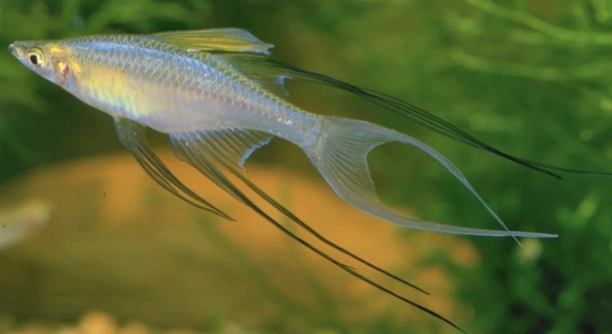
Threadfins are fascinating fish known for their delicate, elongated bodies and silvery appearance. Observing their behavior at night can reveal interesting patterns, especially regarding how they rest and interact within their environment. Their nighttime habits are worth exploring.
Threadfins generally prefer to spread out rather than sleep together at night. This behavior reduces competition for oxygen and minimizes the risk of predation. Individual spacing allows them to maintain alertness while conserving energy efficiently during rest periods.
Understanding where and how threadfins rest can help in both natural observation and aquarium care. These insights provide a clearer view of their nighttime habits and overall behavior.
Nighttime Habits of Threadfins
Threadfins display unique patterns when night falls. Unlike many schooling fish, they do not huddle together but instead find separate resting spots. This behavior helps them avoid predators and reduces stress. Their slender bodies and long fins allow them to settle in narrow spaces between rocks or shallow areas. Some may hover close to the surface, while others prefer slightly deeper waters. Observing threadfins in their natural habitat reveals subtle movements, even while resting. These movements are often related to keeping balance or monitoring the environment. Threadfins rely on their lateral line system to detect vibrations and potential threats nearby. At night, this system becomes especially important since visibility is low. Light changes in their surroundings, such as moonlight or artificial lights, can influence where they choose to rest. Proper understanding of these patterns helps in aquarium setups or conservation efforts, ensuring their resting areas feel secure and mimic natural conditions.
Spreading out at night allows threadfins to conserve energy while remaining alert to potential threats. It is a strategy for survival.
When setting up an aquarium or observing these fish in natural waters, it is important to provide multiple resting areas. Rocks, ledges, and shallow zones help threadfins feel safe. Overcrowding can lead to stress and poor health. Proper spacing encourages natural behavior and reduces competition for oxygen and food. Monitoring their nighttime activity offers insights into their comfort levels and overall wellbeing.
Social Behavior and Safety
Threadfins are not aggressive but value personal space, especially at night.
They rely on distance between individuals to reduce stress and avoid conflicts. In groups, each fish selects a preferred resting spot, often maintaining a few body lengths from neighbors. Predatory fish are more likely to target clustered individuals, so spacing provides an extra layer of protection. Their alertness is heightened during darkness, using both touch and subtle movements to sense nearby threats. Environmental factors, like water temperature and current, influence where threadfins position themselves. In natural habitats, they often choose areas with moderate currents that provide oxygen without excessive energy expenditure. Observing these patterns can inform care strategies in captivity. Providing varied depths and hiding spots in aquariums allows threadfins to replicate these natural choices. Understanding their social spacing highlights how environmental design affects their stress levels, rest quality, and overall health. Proper attention to these details ensures that threadfins remain active, healthy, and less prone to disease.
Resting Locations and Preferences
Threadfins choose resting spots based on safety and comfort. They prefer shallow areas with cover or gentle currents, which allow them to remain alert without expending too much energy.
In natural habitats, threadfins often rest near submerged rocks, coral edges, or sandy patches. These locations offer protection from predators while allowing quick access to open water if needed. They may also use floating debris or vegetation as temporary cover. Nighttime movement is minimal, and each fish maintains a preferred distance from others, ensuring personal space. Observing their choices shows that they prioritize both safety and energy conservation, highlighting their adaptive behavior in various environments.
In aquariums, replicating these conditions is important. Providing varied depths, hiding spots, and calm zones encourages natural resting habits. Threadfins adjust quickly to these setups, showing reduced stress and more consistent nighttime activity. Even slight changes in water flow or placement of obstacles can affect their chosen resting areas. Maintaining stable conditions ensures they remain healthy and display behaviors similar to those seen in the wild. Proper observation allows you to see how individual fish respond differently to the same environment, reflecting their unique preferences.
Group Dynamics During Rest
Threadfins maintain spacing to minimize conflicts and ensure safety at night. Each fish selects a spot that allows enough room from neighbors.
Spacing is crucial in reducing competition for oxygen and preventing accidental bumping that could trigger stress. Even in small groups, threadfins spread out along the same area, often aligned with currents or terrain features. They rarely overlap in resting zones unless space is extremely limited. This careful spacing ensures each fish can monitor surroundings and respond quickly if a threat appears. In natural settings, some may hover near others for quick communication but still maintain a safe distance.
In captivity, understanding group dynamics helps improve care. Overcrowding can cause stress, reduce resting quality, and lead to health issues. Providing multiple areas for rest ensures that each fish can claim a spot suited to its size and temperament. Observing their interactions highlights subtle cues like fin flicks or shifts in position, which indicate comfort or agitation. Adjusting tank layout to match these natural preferences encourages healthier social behavior and more natural activity patterns. Consistent spacing supports both physical health and mental well-being, demonstrating the importance of environmental design in keeping threadfins.
Nighttime Feeding Behavior
Threadfins rarely feed during the night, focusing instead on conserving energy. Their metabolism slows, and movements are minimal to stay safe.
Some fish may make short foraging movements if food is abundant, but this is uncommon. Nighttime is primarily a period of rest and observation of surroundings.
Environmental Influence on Rest
Water temperature, current, and light levels directly impact where threadfins choose to rest. Cooler or calmer areas are preferred, as they require less effort to maintain position and reduce stress. Proper environmental conditions ensure threadfins can rest naturally and maintain healthy behavior patterns.
Interaction with Other Species
Threadfins maintain distance from other fish species while resting. They avoid areas crowded with aggressive or larger fish to prevent stress and potential threats.
FAQ
Do threadfins need a lot of space to sleep?
Yes, threadfins require enough space to rest comfortably without touching neighbors. Crowding can stress them and disrupt natural resting behaviors. In the wild, each fish selects a spot that allows personal space while maintaining access to water currents and shelter. Proper spacing in aquariums supports their health and natural nighttime habits.
Can threadfins sleep near other fish species?
Threadfins are cautious around other species, especially aggressive or larger fish. They maintain distance to avoid stress or accidental injury. In mixed tanks, providing separate resting zones and hiding spots ensures that threadfins can rest without interference. This helps reduce anxiety and preserves their natural behavior patterns.
Do threadfins move a lot at night?
Movement is minimal at night. Most threadfins stay in one spot, occasionally adjusting fins or position to maintain balance. Any movement usually relates to sensing nearby threats or responding to small changes in water flow. Nighttime is primarily a resting period where conserving energy is essential.
How do light levels affect threadfins’ sleep?
Threadfins are sensitive to light changes. Bright artificial lights or sudden flashes can startle them, causing unnecessary movement or stress. Dim lighting or natural moonlight conditions help them rest calmly. In aquariums, using a low-light setting at night replicates natural conditions and encourages proper rest patterns.
Do threadfins huddle together for warmth?
No, threadfins do not huddle. Unlike some schooling fish, they rely on spacing rather than clustering. Their slender bodies allow efficient heat regulation individually, and spreading out reduces the risk of predation while maintaining awareness of surroundings.
Can water current impact where they sleep?
Yes, water current affects resting locations. Threadfins prefer gentle currents that provide oxygen but do not require excessive swimming to stay in place. Strong currents can make resting difficult, while stagnant water may reduce oxygen levels. Maintaining moderate flow ensures comfort and mimics natural environments.
Do juvenile and adult threadfins rest differently?
Juveniles often choose shallower or more protected areas, while adults may select slightly deeper or open zones. Both prioritize safety, but size and experience influence how they navigate threats and choose resting spots. Observing these differences can inform care strategies in captivity.
Do threadfins react to disturbances at night?
Yes, any sudden noise, light, or movement can cause threadfins to shift positions or move quickly. They remain alert even while resting, relying on their lateral line system to detect vibrations. Minimizing disturbances helps maintain calm and natural resting behavior.
How long do threadfins typically rest at night?
Threadfins rest for most of the night, generally from dusk to dawn. Their activity decreases significantly, with short bursts of movement only if necessary. Proper environmental conditions ensure they can rest fully, conserving energy and supporting overall health.
Can aquarium setup affect threadfins’ sleep quality?
Absolutely. Lack of hiding spots, insufficient space, or poor water flow can stress threadfins and interrupt rest. Including rocks, ledges, and calm zones allows them to replicate natural resting habits. Observing their behavior helps identify preferred areas and optimize the tank for healthier sleep patterns.
Do threadfins ever sleep in groups despite spacing?
While they may rest in the same general area, they maintain personal space. True huddling is rare. Even in groups, each fish selects a location that minimizes overlap while allowing visual and tactile awareness of neighbors. This balance reduces stress and ensures effective energy conservation.
Are threadfins more active before or after resting?
They are more active before nightfall, feeding and exploring. After finding a suitable resting spot, activity drops sharply. Maintaining consistent lighting and feeding schedules helps threadfins establish predictable rest periods, improving overall health and behavior.
Can water temperature changes disturb their rest?
Yes, sudden temperature fluctuations can cause stress, making threadfins move or seek different resting areas. Stable temperatures close to natural habitat conditions support calm and uninterrupted rest, reducing energy expenditure and potential health issues.
Do threadfins sleep at the bottom or near the surface?
It varies. Some prefer shallow or mid-water zones near shelter, while others may stay closer to the surface if currents or cover make it safer. Providing varied depths in aquariums allows them to select spots that match their comfort and natural instincts.
Do threadfins show signs of stress during rest?
Yes. Rapid movements, fin flicking, or frequent position changes can indicate discomfort. Environmental issues like overcrowding, poor water flow, or bright lights are often causes. Addressing these factors helps maintain calm and healthy nighttime behavior.
Do threadfins rest alone if threatened?
If threatened, threadfins may spread further apart or hide individually. Personal safety takes priority over group resting, highlighting their adaptive strategies for avoiding predation while conserving energy.
Final Thoughts
Threadfins are remarkable fish with unique resting habits that highlight their adaptability and sensitivity to their surroundings. Unlike many schooling species, they prefer to rest separately rather than in clusters. This spacing allows each fish to maintain alertness and conserve energy while minimizing the risk of predation. Observing threadfins in their natural habitats shows that their choices of resting spots are deliberate. They often select shallow areas with cover, gentle currents, or spaces between rocks and vegetation. These spots provide protection and a sense of security. Their slender bodies and long fins make it easy to settle in narrow spaces, which also helps them stay hidden from potential threats. Nighttime movement is minimal, and most adjustments are small, aimed at maintaining balance or responding to environmental changes. This behavior reflects an instinctive strategy for safety, comfort, and energy management.
In both natural settings and aquariums, environmental factors play a critical role in their resting behavior. Water temperature, light levels, and flow patterns influence where threadfins choose to sleep. Cooler or calmer areas with moderate currents are generally preferred. Sudden changes in lighting, temperature, or water flow can cause stress and disrupt their nighttime routines. Proper aquarium setups that replicate these conditions help threadfins rest naturally and display healthy behaviors. Providing multiple hiding spots, varied depths, and calm zones allows them to select spaces according to their comfort and safety needs. Group dynamics also matter. Threadfins maintain personal space even in small groups, reducing conflict and ensuring that each fish can monitor its surroundings. Overcrowding or inadequate resting areas can lead to stress, poor health, and altered behavior. Observing how individual fish respond to their environment helps ensure that care strategies meet their natural needs.
Threadfins’ nighttime habits also provide insight into their social behavior and survival strategies. They are cautious around other species and avoid areas with aggressive or larger fish. Juveniles and adults may have slightly different preferences, with juveniles often seeking more protected zones and adults choosing slightly deeper or open areas. Their activity levels drop significantly at night, and most energy is conserved through stillness and minimal movement. Even during rest, they remain alert, using their lateral line system to detect vibrations and subtle changes in the water. This balance between rest and vigilance demonstrates the importance of personal space, environmental stability, and safe resting locations. Understanding these factors is essential for anyone observing or keeping threadfins. By replicating their natural conditions, respecting their spacing needs, and monitoring their behavior, it is possible to support their health, comfort, and natural habits effectively. These practices help ensure that threadfins remain active, stress-free, and well-adapted to their environment, whether in the wild or in captivity.

Hello,
If you enjoy the content that we create, please consider saying a "Thank You!" by leaving a tip.
Every little bit helps us continue crafting quality advice that supports the health, happiness, and well-being of pets around the world, for pets of all shapes, sizes, and species.
We really appreciate the kindness and support that you show us!