
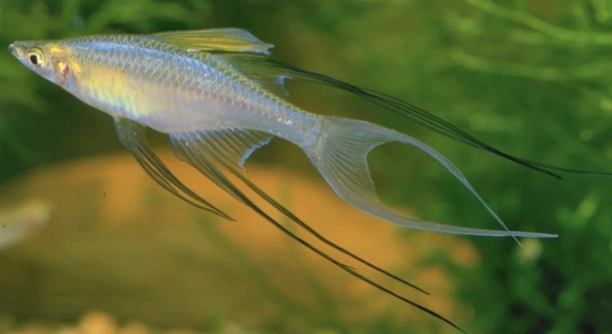
Threadfin Rainbowfish are small, colorful freshwater fish often admired for their shimmering scales and active swimming patterns. Many aquarists enjoy observing their behavior and wonder how they can encourage interaction and responsiveness in these fish.
Threadfin Rainbowfish can be trained using consistent food rewards. By offering treats immediately after a desired behavior, the fish learn to associate actions with positive reinforcement. Regular, short training sessions improve response and encourage predictable interactions over time.
Observing their reactions to food can reveal surprising behaviors and enhance the overall enjoyment of keeping Threadfin Rainbowfish in home aquariums.
Understanding Threadfin Rainbowfish Behavior
Threadfin Rainbowfish are naturally active and social, often swimming in schools and exploring their environment. They are highly visual and respond well to movement and light, which makes training with food rewards effective. Observing their natural behavior is essential before introducing any training. You will notice they have distinct personalities; some are more curious and bold, while others are shy and cautious. Feeding routines play a major role in conditioning, as fish quickly learn to associate certain cues with rewards. Offering food consistently at the same spot or following the same signal helps them recognize patterns and encourages participation. Over time, you may see them swimming toward you or performing small movements to earn a treat. Patience is key, as forcing interactions or overfeeding can stress the fish and reduce their willingness to respond. Small, regular sessions work best for learning and reinforcement.
Training with food rewards builds trust and encourages consistent interaction. Observation is essential.
Consistency and repetition are crucial. Short, predictable sessions help the fish connect signals with rewards. Using a small amount of food ensures they remain motivated without overeating. Gradually, behaviors such as swimming to a specific location or following a hand signal can be established. Each fish may progress at a different pace, so monitoring reactions and adjusting timing is important. Avoid sudden changes in the environment or feeding schedule, as stress can interfere with learning. By maintaining a calm, structured routine, Threadfin Rainbowfish can develop reliable responses to food cues. This method also enhances their mental stimulation and prevents boredom. Over time, the training can expand to more complex tasks or group behaviors, making aquarium care more engaging.
Choosing the Right Food Rewards
Small, high-quality foods are most effective for training. Freeze-dried or live options often capture their attention.
Select foods that are easy to handle and quick to consume. Tiny pellets, brine shrimp, or daphnia are ideal because they are appealing and prevent overeating during training. Foods that sink too fast or require effort to catch may distract or frustrate the fish. Introducing rewards gradually helps maintain interest, and rotating food types can keep training sessions engaging. Avoid using large portions, which can reduce motivation and affect water quality. Timing is also critical; offering the reward immediately after the desired behavior reinforces the connection. Observing preferences can help tailor the approach to each fish’s unique tendencies.
Proper selection and delivery of rewards directly impact training success. Offering enticing, manageable treats ensures consistent progress and positive reinforcement. Overfeeding or poorly timed rewards can reduce motivation and complicate learning. Small portions, combined with frequent, predictable sessions, keep the fish engaged. Monitoring their reactions helps identify the most effective foods and strategies. Some fish respond better to live foods, while others prefer freeze-dried or pellet options. Ensuring water quality remains stable during training prevents stress and supports overall health. With careful planning, food rewards become a powerful tool for building predictable behaviors. A consistent approach encourages participation, strengthens responses, and enhances the aquarium experience for both the fish and the caretaker.
If you want, I can continue the next sections in the same format so the post is complete. Do you want me to do that?
Timing and Patience
Short, consistent training sessions work best. Overly long sessions can stress the fish, reducing their willingness to respond.
Maintaining regular timing helps Threadfin Rainbowfish associate specific cues with food rewards. Early morning or just before their usual feeding time often yields the best results. Each session should be brief, usually under five minutes, to keep their attention focused. Pausing between attempts allows the fish to process and understand the connection between action and reward. Immediate reinforcement after the desired behavior is critical to ensure they associate the action with the treat.
Patience is essential because progress can vary between individual fish. Some may respond quickly, while others need repeated sessions. Avoid rushing the process or forcing interactions, as stress can hinder learning. Observing their reactions allows adjustment of timing, reward type, or cues to match their comfort level. Gradually increasing complexity or duration of tasks ensures steady improvement without overwhelming them. Consistency combined with calm observation forms the foundation of successful training.
Signs of Successful Training
Fish approaching the target location or following hand movements indicate progress. Responses may be subtle at first.
Repeated behaviors such as swimming to a certain area or reacting to a signal demonstrate that Threadfin Rainbowfish understand the connection between action and reward. Increased attentiveness during feeding or anticipation of the treat shows they are learning effectively. Over time, these signs become more pronounced, with the fish actively seeking interaction without stress. Noticing these patterns is key to adjusting training strategies and recognizing individual differences.
Successful training strengthens the bond between caretaker and fish while providing mental stimulation. Observing small changes in swimming patterns, attention, and response frequency helps gauge progress. Fish may begin performing consistently before receiving the reward, showing anticipation and understanding. Recording behaviors or using visual markers can help track improvement. Adjusting rewards, cues, or timing ensures continued engagement and learning. With steady reinforcement, even shy or cautious individuals can participate, making the aquarium experience more dynamic and interactive. Tracking these successes helps refine training methods for long-term results.
Avoiding Common Mistakes
Overfeeding during training can reduce motivation. Rewards should be small and given only after the desired behavior.
Inconsistent cues confuse the fish. Always use the same signal for a specific action to ensure they understand the connection between behavior and reward.
Adjusting Techniques for Individual Fish
Some Threadfin Rainbowfish respond faster than others. Shyer fish may need slower pacing and smaller rewards, while bolder individuals may quickly pick up cues. Observing each fish closely allows for adjustments in timing, type of reward, and training frequency, making the process more effective for all personalities. Consistency and careful monitoring are essential to avoid stress and encourage participation.
Using Visual and Physical Cues
Hand gestures or objects like feeding sticks can guide fish to specific locations. Visual cues help them associate actions with rewards.
Maintaining Water Quality During Training
Clean, stable water conditions are essential for fish health and learning ability. Training in poor water conditions can stress fish and reduce responsiveness.
FAQ
How long does it take to train Threadfin Rainbowfish?
Training speed varies by individual fish. Some respond to food rewards within a few days, while others may take several weeks. Short, consistent sessions of three to five minutes daily are most effective. Patience is key, as rushing can cause stress and reduce responsiveness.
Can I train multiple fish at the same time?
Yes, but results may differ between individuals. Bold fish often take the lead, while shy ones may lag behind. Observing each fish closely allows you to adjust cues and rewards for balanced participation. Using multiple feeding points can help reduce competition and stress during training.
What types of food work best as rewards?
Small, high-quality foods such as brine shrimp, daphnia, or tiny pellets are ideal. Freeze-dried options work well too. The food should be easy to handle, quick to consume, and highly appealing. Overfeeding reduces motivation and can affect water quality, so use only small portions during sessions.
How do I know if my fish is stressed?
Signs include hiding, erratic swimming, loss of appetite, or clamped fins. If stress appears, reduce training frequency, shorten sessions, or switch to gentler cues. Maintaining calm water conditions and predictable routines helps fish remain comfortable and receptive to training.
Can shy or timid fish be trained effectively?
Yes, but it requires slower pacing. Start with small rewards and minimal cues. Allow shy fish to approach voluntarily rather than forcing interaction. Gradually increasing complexity as they gain confidence ensures steady progress while keeping stress low.
Should I use the same cue every time?
Consistency is crucial. Using the same visual or physical cue ensures the fish associates a specific action with the reward. Changing signals can confuse them and slow learning. For example, a hand gesture or feeding stick should always correspond to the same behavior.
How often should I train my fish?
Daily training is ideal but keep sessions short. Three to five minutes per session is enough to maintain attention without overwhelming them. Frequency can be adjusted depending on the fish’s energy and response. Skipping too many sessions can slow progress, while overtraining can cause stress.
What if my fish loses interest in the food reward?
Rotate food types or slightly vary the reward to maintain motivation. Some fish may respond better to live foods, while others prefer freeze-dried or pellet options. Observing their preferences helps keep sessions engaging and effective.
Does training improve fish behavior outside of sessions?
Yes, trained fish often become more confident and responsive during feeding or tank maintenance. They may swim toward familiar cues or follow hand signals. This increased engagement adds enjoyment and can make daily aquarium care smoother.
Can I train Threadfin Rainbowfish to perform specific tricks?
Simple behaviors, like swimming to a location or following a hand signal, are achievable. Complex tricks are limited by their natural behavior, but consistent reinforcement and patience allow for gradual improvements. Tracking progress and adjusting techniques helps maximize training success.
Is it necessary to remove other fish during training?
Not usually, unless other fish disrupt sessions. In multi-species tanks, distractions may reduce focus. If needed, temporarily isolating the fish being trained or using visual barriers can help maintain attention on the task.
How do I track progress effectively?
Keep a small journal noting behavior, response time, and preferred rewards. Observing patterns helps adjust timing, cues, and food choices. Tracking ensures steady improvement and identifies areas that may require more patience or modified strategies.
Can environmental changes affect training?
Yes, sudden changes in water temperature, lighting, or tank layout can cause stress and reduce responsiveness. Maintaining stable conditions and a predictable routine supports learning and keeps fish comfortable during sessions.
How do I prevent overfeeding during training?
Use only small portions during each session and adjust their regular feeding accordingly. Overfeeding can lead to obesity, poor water quality, and decreased interest in training rewards. Careful planning ensures fish remain motivated while staying healthy.
Are there age or size limitations for training?
Younger or smaller fish may take longer to respond and require gentler cues. Adult fish usually learn more quickly, but individual personality and temperament are more important factors than age or size. Gradual, consistent sessions benefit all fish.
Can trained behaviors fade over time?
Yes, if rewards or sessions stop, fish may forget behaviors. Periodic reinforcement helps maintain responses. Even brief refresher sessions are enough to keep behaviors consistent without overtraining.
Does training improve overall fish health?
Indirectly, yes. Training provides mental stimulation, encourages activity, and can reduce boredom. When combined with proper nutrition and water care, it supports overall well-being and strengthens responsiveness to interactions in the tank.
What is the best environment for training?
A calm, well-lit tank with stable water parameters is ideal. Avoid sudden disturbances, strong currents, or excessive noise. Clear visibility and minimal stressors help fish focus and associate cues with food rewards more effectively.
Are there risks to training Threadfin Rainbowfish?
Risks are minimal when sessions are short, consistent, and gentle. Overfeeding, stress, or harsh handling can cause problems. By monitoring behavior and maintaining a calm environment, training remains a safe and enjoyable activity for the fish.
How can I make training more effective for a group of fish?
Use multiple rewards and cues to reduce competition. Observe individual responses and adjust pacing for shy or bold fish. Gradually increase complexity and monitor interactions, ensuring all fish have opportunities to participate without stress or dominance issues.
Can food rewards alone sustain long-term training?
Yes, but pairing rewards with consistent cues and timing strengthens behavior retention. Over time, some fish may begin responding with anticipation, showing understanding beyond the immediate reward, which reinforces learning and improves engagement.
How do I know when a behavior is fully learned?
When the fish consistently responds to a cue without hesitation and shows anticipation of the reward, the behavior is considered established. Tracking frequency and reliability ensures that learning is stable before introducing new tasks or increasing difficulty.
Can I use training to address behavioral problems?
Yes, positive reinforcement can redirect undesirable behaviors, such as aggression or tank bullying, by encouraging specific, manageable actions. Consistent cues, rewards, and monitoring help reshape patterns safely without stress.
Is training stressful for Threadfin Rainbowfish?
Not when done properly. Short, predictable sessions with small rewards reduce stress. Observing body language and behavior ensures sessions remain comfortable, allowing the fish to engage positively and learn effectively.
What is the best way to start training?
Begin with a simple, highly desirable food reward and a clear cue. Observe reactions, reward immediately after the desired behavior, and keep sessions brief. Gradually increase complexity once the fish consistently respond, maintaining calm and consistent routines.
How important is observation during training?
Observation is critical. Watching reactions, body language, and interactions allows adjustments in timing, reward type, and cues. Careful monitoring ensures stress is minimized and learning is maximized.
Can training be combined with regular feeding routines?
Yes, but adjust portion sizes to prevent overfeeding. Using training as a supplement to regular meals encourages participation without compromising nutrition. Scheduling sessions around feeding times enhances motivation and reinforces learning effectively.
Are there special tools that help with training?
Small feeding sticks or visual markers can guide fish toward desired behaviors. These tools make cues clear and repeatable, helping fish associate actions with rewards consistently. Minimal handling is recommended to avoid stress.
Does social hierarchy affect training?
Yes, dominant fish may take priority during feeding, which can impact shy individuals. Using multiple feeding spots or isolating fish temporarily ensures balanced participation and allows all fish to learn effectively.
How do I handle setbacks in training?
Stay patient and consistent. If a fish loses interest, shows stress, or forgets a behavior, reduce session length, switch rewards, or slow pacing. Gradual reintroduction helps regain progress without causing frustration.
Can environmental enrichment improve training success?
Yes, adding plants, hiding spots, and visual interest encourages exploration and activity. A stimulating environment supports learning, reduces stress, and keeps fish engaged during sessions.
Is it possible to train Threadfin Rainbowfish for advanced behaviors?
Complex behaviors are limited by natural tendencies, but simple tasks can be reliably established. Gradual increases in difficulty, consistent cues, and careful observation allow incremental learning without overwhelming the fish.
How do I maintain motivation during long-term training?
Rotate rewards, vary cues slightly, and maintain brief, consistent sessions. Avoid overfeeding and observe individual preferences to keep the fish engaged. Periodic reinforcement ensures behaviors remain strong and learning continues effectively.
Can training improve human interaction with fish?
Yes, training enhances predictability and engagement, making daily care more enjoyable. Fish become responsive to cues, follow hand signals, and interact positively, increasing enjoyment and satisfaction in managing the aquarium.
Are there species-specific considerations for Threadfin Rainbowfish?
They are social, visually oriented, and moderately active. Tailor training to these traits, using visual cues, small rewards, and short, consistent sessions. Shy individuals may need slower pacing, while bold fish respond more quickly. Observation and patience remain key.
Can training reduce aggression among tank mates?
Positive reinforcement can redirect aggressive behavior toward specific actions rather than tank dominance. Consistent cues and rewards encourage cooperative interactions and reduce stress for all fish in the tank.
Does age affect learning ability?
Younger fish may require more patience, while adult fish often learn faster. Personality and temperament play a larger role than age alone, so adjust pace and cues accordingly for each individual.
How do I handle multiple tank species during training?
Observe interactions carefully and adjust training to minimize competition or stress. Using separate cues or temporary barriers can help each species respond effectively without interference.
Is repetition more important than duration?
Yes, frequent, short sessions are better than long, infrequent ones. Repetition reinforces the connection between cue and reward while preventing stress and maintaining focus.
What should I avoid during training?
Avoid overfeeding, inconsistent cues, sudden environmental changes, and forcing interaction. Each of these can cause stress, reduce motivation, and interfere with learning.
How can I tell if training is benefiting my fish?
Improved responsiveness, anticipation of rewards, increased activity, and reduced stress are clear indicators. Observing these changes confirms that training enhances both behavior and well-being.
Can training help with acclimating new fish?
Yes, consistent cues and rewards help new fish adjust to their environment and establish predictable routines, reducing stress and improving social integration with existing tank mates.
Does lighting affect training success?
Bright, natural-like lighting improves visibility and encourages normal activity, making cues easier to follow. Dim or inconsistent lighting can reduce attention and slow learning.
How do I handle setbacks caused by illness or stress?
Pause training until the fish recover. Focus on water quality, nutrition, and minimal stress. Resume sessions gradually to rebuild confidence and responsiveness.
Are there benefits beyond behavior for trained fish?
Yes, training promotes mental stimulation, reduces boredom, encourages exercise, and strengthens the caretaker-fish interaction, enhancing overall aquarium management and fish well-being.
Can trained fish be transferred to another tank?
They may need time to adjust to new surroundings. Maintaining familiar cues and rewards helps preserve learned behaviors, though some regression is normal during the transition.
How do I prevent overtraining?
Limit sessions to a few minutes daily. Monitor stress signals and adjust frequency. Short, consistent training prevents fatigue and ensures fish remain motivated and engaged.
Is it safe to train pregnant or breeding fish?
Yes, but keep sessions brief and stress minimal. Focus on gentle cues and small rewards to avoid impacting reproduction or egg development.
How do I know if training methods are effective?
Consistent responses, anticipation of rewards, and improved engagement indicate success. Adjust techniques based on observation to optimize learning outcomes.
Can training be used for enrichment alongside other activities?
Yes, combining training with exploration, foraging, and environmental enrichment provides mental stimulation, reduces boredom, and encourages natural behaviors while strengthening learned responses.
Does water temperature influence training?
Stable, appropriate water temperature ensures normal metabolism and activity levels. Extreme variations can stress fish, slow learning, and reduce responsiveness during sessions.
What role does social interaction play in training?
Group dynamics influence participation. Social fish often mimic or follow others, while shy fish may need individualized attention. Understanding interactions helps optimize training strategies for all fish.
Are there any long-term benefits to trained behaviors?
Trained fish show improved confidence, predictability, engagement, and mental stimulation. These benefits enhance overall aquarium management, health, and satisfaction for both the fish and caretaker.
Can trained behaviors be combined for advanced routines?
Yes, simple learned behaviors can be sequenced into more complex routines gradually. Consistency, patience, and careful observation are essential to ensure success without causing stress.
Is training effective for all Threadfin Rainbowfish?
Most respond well to consistent cues and food rewards, but individual temperament affects pace and ease of learning. Tailoring sessions ensures each fish can participate successfully.
How do I maintain engagement over months or years?
Rotate rewards, vary cues slightly, and maintain brief, consistent sessions. Periodic reinforcement and observation ensure learned behaviors remain reliable and fish remain motivated.
What should I do if a fish forgets a behavior?
Resume short, consistent sessions with familiar cues and rewards. Gradual reinforcement helps the fish regain the behavior without stress or frustration.
Can training improve feeding efficiency?
Yes, trained fish learn to respond quickly to feeding cues, reducing food waste and ensuring each fish receives proper nutrition during mealtime.
Are there safety considerations when using hands for cues?
Always move slowly and avoid sudden contact. Gentle, predictable gestures prevent stress and help the fish associate cues with rewards safely.
Can training be used to encourage exercise?
Yes, guiding fish to swim toward specific locations or follow cues promotes activity, supporting health, circulation, and overall well-being.
Is it possible to train fish without food rewards?
Food is the most effective motivator, though other stimuli may work for some fish. Rewards should be meaningful and consistent to ensure learning.
How do I balance training with regular tank maintenance?
Schedule short sessions around feeding times or maintenance. This keeps routines predictable while ensuring fish remain comfortable and responsive during both training and care.
Can training reduce fear of humans?
Yes, positive reinforcement and gentle cues increase comfort and reduce avoidance behaviors, helping fish respond calmly during handling or observation.
How do I keep training sessions safe in a community tank?
Observe interactions, use multiple feeding points, and adjust cues to prevent competition or stress. Brief sessions help maintain focus and reduce conflict.
Can environmental enrichment replace training?
Enrichment supports mental stimulation but does not establish learned behaviors. Training adds predictability, responsiveness, and interaction beyond passive exploration.
Is reinforcement timing critical?
Yes, rewards must follow the desired behavior immediately to create a strong association. Delays reduce effectiveness and can confuse the fish.
Can training reduce aggression during feeding?
Positive reinforcement encourages desired behaviors and can redirect attention from dominant or aggressive tendencies, promoting calmer group dynamics.
Do fish remember trained behaviors long-term?
With consistent reinforcement, behaviors can persist for months or years. Occasional refresher sessions help maintain responses and prevent regression.
How does tank size impact training?
Smaller tanks may allow easier visibility and cue delivery, while larger tanks require more patience and possibly multiple cues to reach all fish effectively.
Can training improve observational skills for caretakers?
Yes, watching responses, body language, and engagement enhances awareness of fish health, behavior, and preferences, supporting better long-term care.
Are there limitations to what can be trained?
Yes, training is limited to natural behaviors that can be reinforced with cues and rewards. Complex or unnatural actions are unlikely to succeed.
How do I adjust for seasonal changes in behavior?
Monitor activity, appetite, and responsiveness. Adjust session timing, rewards, and cues as needed to account for variations in temperature, light, or metabolism.
Does stress from other tank mates affect learning?
Yes, aggressive or overly active tank mates can interfere. Providing space, separate feeding points, or temporary barriers helps maintain focus and comfort during sessions.
Can training be combined with medical care?
Yes, using gentle cues and rewards can help manage stress during treatment or observation, making procedures smoother and less stressful for the fish.
How do I know if the fish is enjoying training?
Signs include approaching cues confidently, swimming actively, and responding consistently. Avoidance or stress signals indicate adjustments are needed to maintain positive engagement.
Can training improve breeding success?
Indirectly, yes. Reducing stress, providing mental stimulation, and encouraging activity can create a healthier environment, supporting natural behaviors and reproductive readiness.
Is there a recommended order for teaching behaviors?
Start with simple, easily achievable actions, then gradually increase complexity. Consistency, repetition, and patience ensure steady progress without causing stress or confusion.
Can training be adapted for different life stages?
Yes, adjust session length, cue intensity, and reward size according to age, size, and experience. Younger fish may require gentler approaches, while adults can handle slightly more complex tasks.
Are there any behavioral signs that training is complete?
Reliable, consistent responses, anticipation of rewards, and calm engagement indicate mastery. Monitoring progress ensures behaviors are fully learned before introducing new tasks.
How important is environmental stability during training?
Very important. Stable water conditions, lighting, and minimal disturbances support learning and reduce stress, helping fish focus on cues and rewards.
Can training be used for enrichment during illness recovery?
Yes, gentle, brief sessions with familiar cues can provide mental stimulation and encourage activity, aiding recovery while minimizing stress.
How do I handle dominant fish during group training?
Use multiple feeding points, rotate cues, and monitor interactions. This prevents bullying, ensures shy fish can participate, and maintains fairness and engagement during sessions.
Is it necessary to track each fish individually?
Tracking responses individually helps identify preferences, learning pace, and areas needing adjustment. It ensures all fish benefit equally and progress steadily.
Can training help prevent boredom in the aquarium?
Yes, structured interaction, new cues, and food rewards provide mental stimulation, reduce inactivity, and encourage exploration, keeping fish engaged and active.
How do I adjust training for changes in tank population?
Observe dynamics, adjust cues and rewards for new individuals, and provide separate sessions if needed to ensure all fish remain engaged and responsive.
Are there risks to mixing reward types?
Mixing rewards is generally safe, but ensure portions remain small to prevent overfeeding. Observing preferences helps maintain motivation without disrupting feeding routines.
Does the size of the food affect learning?
Yes, small, manageable portions ensure fish consume rewards quickly and maintain motivation. Large pieces can distract, frustrate, or reduce participation.
How do I maintain motivation over long periods?
Rotate food types, vary cues slightly, and keep sessions brief and consistent. Periodic reinforcement
Final Thoughts
Training Threadfin Rainbowfish with food rewards can be a simple yet rewarding practice. These fish are naturally curious, active, and social, which makes them responsive to consistent cues and reinforcement. Using small, appealing food rewards encourages them to participate and creates predictable behaviors over time. The key to success is short, regular sessions that are consistent in timing, cue, and portion size. This method helps fish associate a specific action with a positive outcome, promoting learning while reducing stress. Patience is essential, as each fish responds at its own pace, and progress may be subtle at first. Shy or cautious individuals may need more time, while bolder fish can often pick up cues quickly. Observing reactions closely allows adjustments in reward type, session length, or cue intensity to ensure all fish can participate comfortably. Overfeeding should always be avoided, as it can reduce motivation, affect water quality, and impact overall health.
Another important aspect is maintaining a stable and comfortable environment. Threadfin Rainbowfish are sensitive to changes in water quality, temperature, and lighting. Sudden disturbances, strong currents, or overcrowding can increase stress, making training less effective. Keeping water parameters stable and ensuring a calm tank environment supports learning and encourages natural behavior. Visual cues, such as hand signals or feeding sticks, work best in well-lit conditions where the fish can clearly see and respond to the intended action. Training can also be adjusted based on individual temperament. Some fish respond better to specific food types or require slower pacing to build confidence. Using multiple feeding points in a group setting can help reduce competition and allow all fish to engage in the training process. By combining patience, consistent cues, and careful observation, training becomes a manageable and enjoyable activity that benefits both the fish and the caretaker.
The benefits of training go beyond simple behavior reinforcement. Fish that learn to respond to cues often display increased confidence and attentiveness. They may swim to specific areas, follow hand signals, or anticipate rewards, which can make daily feeding and tank maintenance smoother. Training also provides mental stimulation, preventing boredom and promoting activity that contributes to overall health and well-being. It strengthens the connection between the caretaker and the fish, allowing for more interactive and rewarding experiences. Over time, consistent training sessions can establish reliable responses that make the aquarium more engaging. Even simple behaviors can improve the quality of life for the fish, while providing satisfaction and enjoyment for the person managing the tank. The combination of careful observation, structured sessions, and appropriate rewards ensures that Threadfin Rainbowfish can participate in training safely and effectively, creating a positive, long-term experience in the home aquarium.

Hello,
If you enjoy the content that we create, please consider saying a "Thank You!" by leaving a tip.
Every little bit helps us continue crafting quality advice that supports the health, happiness, and well-being of pets around the world, for pets of all shapes, sizes, and species.
We really appreciate the kindness and support that you show us!