
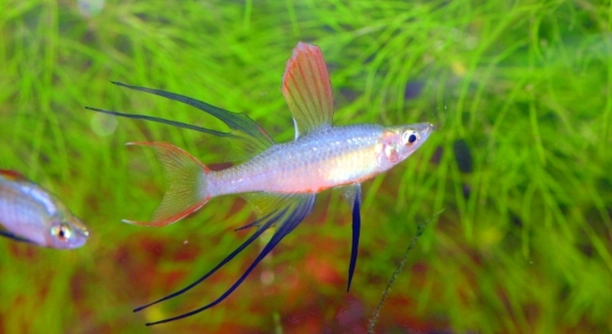
Do you ever find yourself watching your threadfin rainbowfish gather near the surface, wondering what could be causing this unusual behavior?
Threadfin rainbowfish often float at the surface due to low oxygen levels, stress, or poor water conditions. These factors affect their ability to breathe efficiently, making the surface more appealing for oxygen access and overall survival.
Learning about these possible causes can help you improve your fish’s environment and keep them healthier for longer periods of time.
Low Oxygen Levels
When threadfin rainbowfish stay near the surface, one of the most common reasons is low oxygen in the water. These fish depend on dissolved oxygen to survive, and when levels drop too much, they instinctively move higher where oxygen is more concentrated. Tanks that are overcrowded, have minimal surface movement, or lack proper aeration can quickly develop these conditions. Warm water also holds less oxygen, so during hot weather or with inadequate cooling, fish may struggle to breathe. You might notice them gasping slightly, which is an obvious indicator that something is wrong. Proper filtration and water circulation help prevent this. Adding air stones or adjusting water flow can also increase oxygen levels significantly. If you maintain stable temperatures and avoid letting waste build up, your rainbowfish will be less likely to experience stress caused by low oxygen. This ensures a healthier, more balanced aquatic environment for them.
Low oxygen is not always obvious right away, but your fish will usually show signs through sluggish movements, gasping, and hanging around the surface longer than usual.
Regularly checking water conditions with reliable test kits helps you detect oxygen issues early. You can also reduce overcrowding, clean debris, and add plants to help increase oxygen naturally. Combining these methods ensures your threadfin rainbowfish can breathe comfortably, reducing their stress and improving their overall health. Prevention is always easier than fixing a serious oxygen problem, and it will give you more peace of mind. Observing their daily habits closely will also help you catch subtle changes before they become major concerns. With consistent care and small adjustments, you can create an environment where your rainbowfish thrive at every level of the tank.
Stress and Water Quality
Stress plays a large role in why threadfin rainbowfish float near the surface. Poor water quality, sudden changes in temperature, and improper tank mates can all cause stress that drives them upward.
Threadfin rainbowfish are sensitive creatures, and their health depends on stable, clean water. Ammonia, nitrite, and nitrate buildup can harm their gills, forcing them to seek relief closer to the surface. Regular water changes are essential, along with maintaining a good filter system. Overfeeding should also be avoided, since leftover food breaks down and worsens water conditions. Tank mates are another factor; aggressive or incompatible fish cause constant stress, pushing threadfins to less crowded zones. By carefully selecting peaceful companions, you can reduce this problem. Temperature fluctuations are equally stressful, especially if they are rapid. Using a reliable heater and thermometer ensures stability. Together, these steps help reduce stress and create a tank where your rainbowfish feel secure and comfortable.
Diet and Feeding Issues
Overfeeding or offering the wrong foods can cause threadfin rainbowfish to rise toward the surface. Uneaten food decays, harming water quality, while poor diets lack the nutrients they need, leaving them weak and stressed.
A balanced diet with high-quality flakes, micro-pellets, and occasional live or frozen foods helps maintain their health. Overfeeding should always be avoided, as it increases waste and lowers oxygen levels. Feeding small amounts multiple times a day is better than offering one large portion. If you notice leftover food sinking uneaten, you are likely giving too much. By paying closer attention to their eating habits and adjusting portions, you can prevent both stress and poor water quality that cause surface-floating behavior. Ensuring variety also helps strengthen their immune systems and keeps them active.
Sometimes threadfin rainbowfish float near the surface because of improper feeding schedules or nutrient deficiencies. Skipping meals occasionally can actually help, as it allows their digestive systems to reset and prevents bloating. If they consistently stay at the surface during feeding times, they may be competing for food or struggling to access it. Spreading food more evenly across the tank helps all fish eat comfortably. Providing live food like daphnia encourages natural hunting instincts while supplying important nutrients. Careful feeding reduces stress, improves health, and ensures they remain comfortable throughout the tank.
Disease and Parasites
Certain illnesses and parasites can make threadfin rainbowfish linger at the surface. Infections affecting the gills or swim bladder often impact their breathing and buoyancy, forcing them upward where it feels easier to survive.
Recognizing symptoms early is important for successful treatment. Gasping, clamped fins, spots, or discoloration can signal underlying disease. Gill flukes, ich, and bacterial infections are common threats. Quarantining new fish before adding them to your main tank helps prevent outbreaks. Treatments vary depending on the illness, but clean water always supports recovery. If you suspect a disease, act quickly with medication suited for the condition. Maintaining proper water parameters and reducing stress also lower the chances of infection. By combining observation, preventive care, and timely treatment, you can protect your rainbowfish from diseases that push them toward the surface.
Tank Size and Overcrowding
Threadfin rainbowfish kept in small tanks often rise to the surface because space is limited and oxygen depletes quickly. Overcrowding worsens this issue, creating competition, stress, and poor water quality that pushes them to seek comfort near the top.
A larger tank with fewer fish provides better circulation, improved oxygen levels, and more swimming room. Overcrowding can also make aggressive behavior worse, forcing weaker fish to the surface for safety. Proper stocking reduces stress, keeps water stable, and ensures your rainbowfish stay active throughout the entire tank.
Temperature Fluctuations
Temperature changes can affect your rainbowfish’s comfort and cause them to hover at the surface. Sudden drops or rises in water temperature stress their bodies, making them more vulnerable to disease. A reliable heater and consistent monitoring prevent dangerous swings and keep them healthier.
Lighting Conditions
Bright lighting may cause rainbowfish to feel exposed and unsafe, pushing them toward the surface where plants or cover might provide shade. Adjusting the lighting to softer levels and offering hiding spots helps them feel secure and encourages more natural swimming behavior.
FAQ
Why do my threadfin rainbowfish stay at the top of the tank?
Threadfin rainbowfish often remain at the top when oxygen levels are too low or when stress is present. Poor water quality, overcrowding, and disease are common causes. By testing the water regularly, ensuring proper aeration, and avoiding overstocking, you can help them return to balanced swimming behavior.
Can poor diet make my threadfin rainbowfish float at the surface?
Yes, improper feeding can contribute to this behavior. Overfeeding pollutes the water and causes bloating, while poor-quality food weakens their health. Offering small, balanced meals with flakes, pellets, and occasional live foods prevents these problems and supports natural activity throughout the tank.
What signs show my rainbowfish are struggling with oxygen levels?
When oxygen is low, rainbowfish may gasp at the surface, swim sluggishly, or show reduced activity. Their gills might move faster than normal, indicating they are working harder to breathe. If these signs appear, check aeration, water circulation, and temperature immediately.
How does overcrowding affect threadfin rainbowfish behavior?
Too many fish in one tank reduces oxygen, raises stress, and increases aggression. Rainbowfish may retreat to the surface for relief. Keeping stocking levels appropriate for your tank size ensures enough space, better water conditions, and a more peaceful environment for every fish.
Are sudden temperature changes dangerous for threadfin rainbowfish?
Yes, sudden fluctuations can be very stressful. Rapid shifts weaken their immune systems, increasing disease risks. A stable heater and thermometer prevent these problems by keeping the temperature consistent. Stability encourages normal swimming patterns and makes your rainbowfish feel more secure in their environment.
What role does lighting play in surface-floating behavior?
Harsh lighting can make threadfin rainbowfish feel exposed and uneasy. In response, they may seek the surface where plants provide shade. Using softer lights and adding cover such as plants or decorations creates a safer feeling space that promotes natural movement.
Can stress cause long-term surface behavior?
Yes, ongoing stress leads to lasting changes in their activity. Aggressive tank mates, poor water conditions, or unstable temperatures can make rainbowfish stay near the surface for extended periods. Reducing stressors and providing consistent care helps restore their natural swimming habits.
Do threadfin rainbowfish develop swim bladder problems?
They can, though it is less common than with some other fish species. Swim bladder issues affect buoyancy, making it hard for them to control depth. Causes include overfeeding, constipation, or bacterial infections. Treating diet problems and maintaining clean water usually improves this condition.
How often should I test my water?
Weekly testing is recommended for stable tanks, though more frequent checks are helpful if problems arise. Measuring ammonia, nitrite, nitrate, and pH ensures early detection of harmful changes. Stable water quality reduces stress and keeps rainbowfish from floating near the surface unnecessarily.
Is it normal for threadfin rainbowfish to occasionally swim near the surface?
Yes, occasional surface swimming is normal, especially during feeding or if they are exploring. The concern arises when it becomes constant or paired with signs of stress. Observing their daily patterns helps distinguish between normal behavior and possible problems requiring attention.
What should I do if I suspect disease in my threadfin rainbowfish?
If disease is suspected, isolate the affected fish in a quarantine tank and observe symptoms closely. Medications should match the illness, whether bacterial, parasitic, or fungal. Clean water, stress reduction, and consistent care improve their recovery chances while preventing spread to other fish.
How do live plants help my threadfin rainbowfish?
Live plants naturally increase oxygen during the day, provide hiding places, and reduce stress. They also compete with algae for nutrients, improving water quality. Including live plants in your tank setup creates a more balanced and healthier environment for threadfin rainbowfish to thrive.
What type of filtration is best for rainbowfish?
A filter that provides both mechanical and biological filtration is ideal. Strong water circulation boosts oxygen levels, while biological media supports beneficial bacteria that break down waste. Choosing the right filter size for your tank prevents oxygen problems and keeps the water clean.
How long can threadfin rainbowfish survive with low oxygen?
They cannot survive long if oxygen levels drop severely. Prolonged exposure leads to stress, illness, and even death. Acting quickly when you notice signs like gasping or sluggish behavior prevents serious harm. Aeration, circulation, and stable temperatures are essential safeguards.
Are threadfin rainbowfish more sensitive than other species?
They are more delicate compared to hardier fish. Their smaller size and active nature make them reliant on stable, clean conditions. While they adapt well with proper care, sudden changes in water or environment affect them faster than many other species.
Can parasites force rainbowfish to the surface?
Yes, parasites that damage the gills or skin can reduce oxygen intake, making the surface more appealing. Gill flukes are a common example. Early treatment with antiparasitic medications, along with quarantining new fish, lowers risks and protects your existing rainbowfish.
Should I worry if only one rainbowfish floats at the surface?
Yes, it could signal an individual health issue, such as a swim bladder disorder or infection. While occasional surface activity is fine, persistent behavior in one fish should be monitored. Quarantine and observation help determine the cause and necessary treatment.
What preventative measures keep threadfin rainbowfish healthy?
Regular water changes, proper stocking, varied diet, and stable temperatures are the foundation of prevention. Adding live plants, monitoring lighting, and reducing stressors further support their well-being. Consistent care ensures rainbowfish remain active throughout the tank rather than restricted to the surface.
Final Thoughts
Caring for threadfin rainbowfish means paying attention to the small details that affect their health and comfort. Floating at the surface is not always a harmless behavior, and it can be a sign that something in the tank environment needs adjustment. Whether it is oxygen levels, water quality, or stress from tank mates, there are many factors that can cause this shift in behavior. By noticing these changes early, you give yourself the chance to act before the problem becomes more serious. The habits and positions your rainbowfish take in the water are valuable clues that should never be overlooked. When these fish are thriving, they spend time exploring every level of the tank, and this is the behavior you want to encourage. Creating the right balance in your aquarium ensures not only their survival but also their long-term health and vibrancy.
Maintaining a healthy tank environment comes down to consistency and care. Small actions, like monitoring oxygen levels, feeding the right diet, and keeping water clean, go a long way in preventing problems. Stress reduction is equally important, as threadfin rainbowfish are sensitive creatures that can be easily affected by changes in lighting, temperature, or aggressive neighbors. Providing space, hiding areas, and stable conditions allows them to feel secure and reduces the chances of unusual surface-floating behavior. Regular observation also makes a difference. Watching their swimming patterns and feeding habits helps you catch subtle signs of discomfort before they develop into larger issues. A well-cared-for rainbowfish will display energy, color, and natural activity, all of which are rewarding to see. These outcomes are not only satisfying but also proof that your care is making a positive impact on their daily lives.
Taking responsibility for your fish means treating their needs with the same importance you would give to any other pet. Threadfin rainbowfish may be small, but their environment must be kept balanced and safe to keep them from unnecessary stress. It is easy to overlook small issues, yet these can build up and cause major changes in their behavior. The effort you put into their care reflects directly in how they thrive in your tank. With consistent attention, proper feeding, clean water, and a peaceful habitat, your rainbowfish will live healthier and more active lives. Floating at the surface is a sign that should guide you to look deeper, rather than being brushed off as ordinary. In the end, keeping these fish happy and healthy is about combining awareness, patience, and steady care, all of which create a thriving aquarium environment.

Hello,
If you enjoy the content that we create, please consider saying a "Thank You!" by leaving a tip.
Every little bit helps us continue crafting quality advice that supports the health, happiness, and well-being of pets around the world, for pets of all shapes, sizes, and species.
We really appreciate the kindness and support that you show us!