
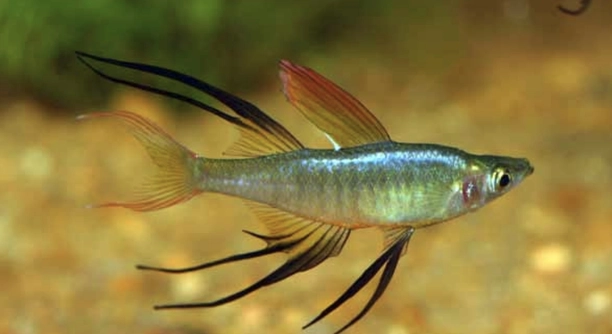
Do you ever notice your Flared Threadfin Rainbowfish and wonder why its fins spread out so dramatically? Observing these vibrant fish can be fascinating, especially when small changes in fin shape signal unique behaviors or health conditions.
A flared fin in a Threadfin Rainbowfish typically indicates a display of territoriality, aggression, or mating readiness. This behavior is a natural form of communication, allowing the fish to assert dominance, attract mates, or defend its space within the aquarium environment.
Understanding the meaning behind these fin displays helps you better interpret your fish’s actions and maintain a healthy, harmonious aquarium ecosystem.
Why Flared Fins Happen
Flared fins in Threadfin Rainbowfish usually occur as a response to their environment or social interactions. When another fish enters their territory, they may flare their fins to appear larger and more intimidating. This display helps them establish dominance without resorting to physical conflict. Flaring can also happen during mating periods, when males show off their fins to attract females. Stress can influence fin behavior too, including sudden changes in water temperature, poor water quality, or overcrowding in the tank. Observing your fish regularly will help you notice patterns in their fin displays and understand whether they are normal or a response to stressors. Knowing the context of the flare ensures you can provide appropriate care and prevent potential aggression or health issues. Keeping the tank well-maintained and observing social dynamics reduces unnecessary flaring, making the environment calmer for all fish.
Flaring is not always negative; it’s often just natural communication.
Monitoring fin behavior consistently helps maintain a healthy aquarium and prevents minor stress from escalating into larger problems.
How to Respond to Flared Fins
If your fish frequently flare their fins, it may indicate tension or competition in the tank. Small adjustments, like rearranging decorations or providing hiding spaces, can reduce stress.
Addressing environmental factors such as water quality, temperature, and tank size is crucial for maintaining calm behavior. Overcrowded or poorly maintained tanks often trigger repeated flaring. Sometimes, separating aggressive individuals or introducing compatible tankmates is necessary. Observing interactions helps identify patterns of dominance or submission. Feeding schedules can influence activity levels, as hungrier fish may be more aggressive. Flaring can also be a sign of excitement, especially during feeding or breeding periods. Balancing the tank’s population, ensuring adequate nutrition, and maintaining clean water conditions all contribute to reducing unnecessary displays. Patience and careful observation allow you to respond appropriately and support your fish’s natural behavior without causing harm. Proper care ensures flaring remains a normal, healthy form of communication rather than a sign of stress or conflict.
Signs of Stress in Threadfin Rainbowfish
Flaring fins can sometimes indicate stress rather than normal behavior. Watch for clamped fins, loss of appetite, or hiding. Changes in swimming patterns or color can also signal discomfort.
Stress in Threadfin Rainbowfish often arises from poor water quality, overcrowding, or sudden environmental changes. Water parameters like pH, temperature, and ammonia levels should be checked regularly. Overcrowded tanks increase competition and trigger frequent fin flaring, while sudden temperature shifts or strong currents can also cause stress. Noticing subtle changes in behavior early helps prevent health issues. Providing hiding spots and maintaining consistent conditions reduces stress and encourages natural fin displays.
Other indicators of stress include erratic swimming, lethargy, and unusual aggression. Observing how your fish interact with tankmates helps identify underlying causes. Regular monitoring and adjusting the environment ensures they remain comfortable. Creating a balanced tank ecosystem supports both mental and physical health, allowing Threadfin Rainbowfish to display natural behaviors without constant stress.
Encouraging Healthy Fin Behavior
Proper nutrition supports vibrant fins and overall fish health. Feed a varied diet including flakes, pellets, and occasional live or frozen foods.
Healthy fins are a result of both diet and environmental care. High-quality food with sufficient protein and vitamins ensures your fish can maintain bright, strong fins. Avoid overfeeding, which can reduce water quality and indirectly stress fish. Consistent feeding schedules help regulate energy levels and behavior. Environmental enrichment, like plants and hiding spots, encourages natural movement and reduces unnecessary flaring. Regular tank maintenance, including water changes and filter checks, keeps conditions stable. Observing fin condition over time indicates overall health.
Maintaining stable water conditions, providing space, and observing social interactions all contribute to calmer, more natural fin displays. Ensuring your fish receive adequate nutrition and environmental care helps them thrive and minimizes stress-related flaring, supporting both their appearance and behavior.
Managing Aggressive Behavior
Flaring fins can signal aggression toward other fish. Separating overly dominant individuals or providing extra hiding spaces helps reduce conflict.
Observation is key. Noting which fish trigger flaring allows adjustments in tank layout or social grouping to maintain harmony.
Tank Environment Adjustments
Adjusting decorations, adding plants, and creating visual barriers can calm your fish. These changes reduce territorial disputes and minimize stress-related flaring. Consistent water conditions and appropriate tank size also play a role in keeping interactions peaceful.
Monitoring Health Indicators
Regularly check fins for damage, discoloration, or fraying. Early detection prevents minor issues from turning into serious health problems.
FAQ
Why does my Threadfin Rainbowfish flare its fins so often?
Frequent fin flaring usually indicates social interaction or territorial behavior. Males often flare to assert dominance or attract females. Environmental stress, such as sudden water changes, overcrowding, or poor water quality, can also trigger repeated displays. Observing patterns helps determine whether the flaring is normal communication or a stress response.
Can flaring fins harm my fish?
Flaring itself is harmless if it’s occasional. Problems arise if it accompanies aggression, leading to fights or injuries. Persistent stress from flaring can weaken the immune system. Keeping a balanced tank, providing hiding spots, and monitoring interactions minimizes risk.
How can I tell if my fish is stressed?
Stress indicators include clamped fins, dull colors, hiding, loss of appetite, or erratic swimming. Sudden flaring combined with these behaviors usually signals discomfort. Monitoring water parameters, tank population, and environmental changes helps identify causes early.
Do flared fins mean my fish is healthy?
Not always. Flared fins are often a sign of normal social behavior, but if paired with lethargy, fraying, or unusual color, it may indicate illness or stress. Maintaining proper nutrition and water quality supports both health and natural fin displays.
Should I separate flaring fish from others?
Separation is only needed if aggression is frequent or injuries occur. Otherwise, occasional flaring is normal. Rearranging tank décor or adding plants often resolves territorial disputes without moving fish.
Does diet affect fin health?
Yes. A varied diet rich in protein and vitamins promotes strong, vibrant fins. Overfeeding can reduce water quality, indirectly stressing fish and increasing flaring. Balanced nutrition supports both behavior and appearance.
How can I reduce unnecessary flaring?
Maintain stable water conditions, provide adequate space, and include hiding spots. Observing social interactions and adjusting tank population prevents repeated displays. Environmental enrichment encourages natural movement without aggression.
Are certain tankmates better for Threadfin Rainbowfish?
Yes. Peaceful species of similar size reduce conflict. Avoid overly aggressive or territorial fish. Careful selection of tankmates minimizes competition and keeps fin displays normal and stress-free.
Can flaring indicate breeding behavior?
Often, yes. Males flare during courtship to attract females and assert dominance. This display is natural and healthy. Monitoring mating behavior ensures that flaring remains part of normal social interaction, not aggression or stress.
When should I consult a vet?
If flaring is paired with injury, frayed fins, lethargy, or abnormal color, consult an aquatic veterinarian. Persistent stress or disease requires professional evaluation to prevent long-term harm.
Is water temperature important for fin behavior?
Absolutely. Sudden temperature changes can trigger stress and flaring. Keeping a stable temperature within the species’ preferred range reduces unnecessary displays and supports overall health.
How often should I monitor my fish for fin behavior?
Daily observation is best. Noting behavior patterns, social interactions, and environmental conditions allows early detection of stress or health issues, ensuring timely intervention and maintaining a peaceful aquarium environment.
Do decorations really affect fin flaring?
Yes. Open spaces can encourage territorial displays, while plants and visual barriers reduce aggression. Rearranging decorations and adding hiding spots helps fish feel secure and lowers unnecessary flaring.
Can lighting influence fin behavior?
Bright or fluctuating lighting can stress fish, causing increased flaring. Consistent, moderate lighting mimics natural conditions, helping fish display fins naturally without overreacting.
How long does flaring typically last?
Short flares usually last a few seconds during social interaction. Extended or repeated flaring often indicates stress, aggression, or environmental issues that need attention. Observing the duration and frequency helps determine the cause.
Is fin damage reversible?
Minor fraying or tears can heal if water conditions are optimal and aggression is minimized. Severe damage requires intervention, such as isolation or treatment, to prevent infection and further injury.
Can adding more fish reduce flaring?
Not always. Overcrowding often increases competition and flaring. Adding compatible fish gradually, while maintaining tank size and hiding spaces, is key. Quality over quantity helps maintain harmony.
Does fin flaring affect energy levels?
Frequent flaring uses energy, potentially leading to fatigue if persistent. Ensuring proper nutrition and stress-free conditions keeps fish active and healthy without exhausting them through constant displays.
What role does tank size play?
A larger tank provides space to establish territories and reduces conflicts. Small tanks increase competition, stress, and repeated flaring. Adequate space supports natural behaviors and calmer social interactions.
How do I know if flaring is normal mating behavior or aggression?
Mating flares are usually accompanied by courtship behavior, such as chasing or presenting to females. Aggressive flaring includes repeated chasing, biting, or injury. Observing interactions over time clarifies the cause and helps manage tank dynamics effectively.
Final Thoughts
Flared fins in Threadfin Rainbowfish are a normal and important part of their behavior. These displays allow fish to communicate with each other, establish territories, and attract mates. Observing your fish regularly helps you understand whether their fin flaring is natural or caused by stress. Patterns in behavior, the timing of flares, and interactions with other fish all provide useful information. Flaring is often harmless and simply a way for fish to express themselves. However, it can sometimes indicate underlying issues, such as overcrowding, poor water quality, or social tension within the tank. Paying attention to the overall environment and the behavior of all tank inhabitants ensures that fin flaring remains a normal, healthy activity rather than a sign of trouble.
Maintaining proper water conditions is key to preventing stress-related flaring. Parameters such as temperature, pH, ammonia, and nitrate levels should be monitored regularly. A stable, clean tank reduces the likelihood of repeated or aggressive flaring. Providing adequate space, hiding spots, and visual barriers also helps minimize territorial disputes and social stress. Nutrition plays an important role as well. A balanced diet with high-quality protein and essential vitamins supports both the health and appearance of fins. Overfeeding should be avoided, as it can reduce water quality and increase the likelihood of stress-related behavior. By combining consistent tank maintenance, environmental enrichment, and proper feeding, you can create conditions that encourage natural, calm behavior while still allowing fish to communicate and display their fins when appropriate.
Understanding fin flaring also helps you manage interactions between tankmates. Some fish are naturally more dominant, and their flaring can cause tension or minor injuries if space is limited. Observing these interactions allows you to adjust the tank layout, add hiding spots, or, in some cases, separate overly aggressive individuals. Recognizing when flaring is part of mating behavior versus aggression is also important. Healthy flaring is brief and purposeful, while aggressive flaring may lead to chasing, biting, or damage to fins. By observing behavior carefully and making small adjustments to the environment, you can maintain a peaceful, balanced aquarium where Threadfin Rainbowfish thrive. Overall, flared fins are a sign of natural communication, and with proper care, they can be an engaging and informative aspect of keeping these colorful fish.
This final section ensures that readers can take away practical steps to monitor, maintain, and support their fish while understanding the meaning behind fin behavior. Proper attention to environmental conditions, nutrition, and social interactions helps reduce stress and promotes a healthy, vibrant aquarium. Watching your Threadfin Rainbowfish flare their fins can be both fascinating and educational, giving insight into their personality, health, and social dynamics. By providing a stable and enriching environment, you help your fish express themselves naturally, enjoy a comfortable habitat, and display their fins in a way that is healthy and appropriate.

Hello,
If you enjoy the content that we create, please consider saying a "Thank You!" by leaving a tip.
Every little bit helps us continue crafting quality advice that supports the health, happiness, and well-being of pets around the world, for pets of all shapes, sizes, and species.
We really appreciate the kindness and support that you show us!