
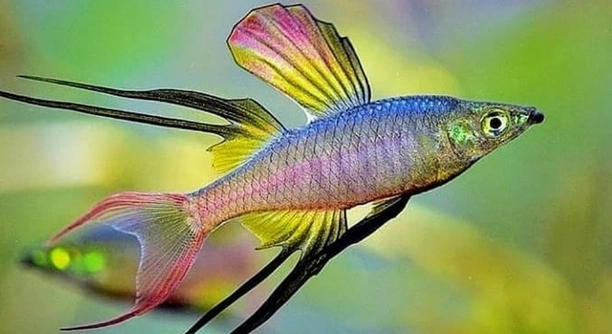
Do you ever find yourself worried when your threadfin rainbowfish suddenly stop eating altogether, leaving you uncertain about their health and care needs?
When threadfin rainbowfish refuse food, it often indicates stress, illness, or unsuitable water conditions. Addressing water quality, checking for illness, and offering varied, high-quality foods are crucial steps to restore their appetite and maintain overall health.
Learning the common causes and effective solutions will help you keep your rainbowfish healthy, active, and thriving in their aquatic home.
Understanding Why Threadfin Rainbowfish Stop Eating
Threadfin rainbowfish are delicate, and when they stop eating, it often signals something is wrong. Stress is a common factor, often caused by sudden water changes, overcrowding, or aggressive tank mates. Poor water quality, such as high ammonia or nitrate levels, can also lead to appetite loss. Illness, including internal parasites or bacterial infections, may further contribute. Another possible reason is diet itself—these fish need a variety of small, nutrient-rich foods to remain healthy. Identifying the exact cause is important to ensure their well-being. Observing their behavior closely and maintaining consistent tank care are crucial steps.
A fish refusing food may seem like a small issue, but it should never be ignored, as it can quickly impact their health.
By focusing on their environment, diet, and overall care, you can take preventive steps to encourage consistent eating and reduce the chances of serious complications.
Steps to Encourage Eating Again
The first thing to check is water quality, as rainbowfish are very sensitive to changes in their environment.
Start by testing your aquarium water for ammonia, nitrite, and nitrate levels, and make adjustments as needed with partial water changes. Ensure the temperature is stable and within the recommended range for rainbowfish, usually around 75–82°F. If illness is suspected, isolate the fish in a separate tank for closer monitoring and potential treatment. Offering a variety of foods, such as live brine shrimp, daphnia, or high-quality flakes designed for small tropical fish, can also stimulate appetite. Sometimes, soaking dry food in garlic extract helps encourage feeding. Make sure the tank is not overcrowded and that aggressive tank mates are not intimidating them. Patience is key, as appetite recovery may take time, but with consistent care and small adjustments, most threadfin rainbowfish return to normal eating patterns.
Common Mistakes to Avoid
Overfeeding can stress threadfin rainbowfish, especially when uneaten food pollutes the water. Using poor-quality food, ignoring water changes, or keeping them in a stressful environment often leads to appetite problems that could have been prevented with consistent care.
Neglecting water testing is one of the most damaging mistakes. Even if the tank looks clean, harmful substances may be present, and rainbowfish are highly sensitive. Another mistake is relying only on one type of food, which may lack essential nutrients. Lastly, adding aggressive tank mates can frighten them, leading to stress and refusal to eat. Careful planning prevents these issues.
Skipping observation is another oversight many make. Regularly watching for subtle changes in behavior helps catch problems early before they worsen. Failing to act quickly when a fish refuses food can turn a small issue into a serious health decline. Consistent awareness keeps rainbowfish healthy and stable.
Long-Term Care and Prevention
Consistency is the most effective way to prevent appetite problems in threadfin rainbowfish. Maintaining stable water conditions, feeding balanced diets, and avoiding stressful situations ensures they continue to eat well and stay active in their tank.
Long-term care means more than occasional maintenance. Regularly test water and perform partial changes to keep conditions healthy. Provide a diet with variety, such as flakes, live food, and frozen options. Avoid overcrowding to reduce stress, and choose tank mates that share similar temperaments. Adding live plants offers comfort and reduces anxiety, encouraging normal feeding behavior. With steady attention and balanced care, rainbowfish are more likely to thrive and maintain strong appetites throughout their lives.
Signs of Improvement
A clear sign of recovery is when threadfin rainbowfish begin showing interest in food again, even in small amounts. Increased activity, brighter coloration, and more interaction with other fish also suggest they are regaining strength and stability.
Steady eating patterns over several days confirm progress. Observing them swim confidently without hiding, combined with regular feeding responses, shows they are adapting well. Consistency is important, as short bursts of appetite without stability may indicate the issue is not fully resolved.
When to Seek Professional Help
If appetite loss continues despite clean water, dietary variety, and stress management, professional help is necessary. A veterinarian specializing in fish can identify underlying illnesses through testing and recommend treatments such as medication or parasite control. Acting quickly prevents small issues from becoming life-threatening, keeping rainbowfish safe.
Final Thoughts on Feeding Issues
Caring for threadfin rainbowfish requires patience and awareness. Appetite changes are often manageable with prompt action, careful observation, and steady routines. Taking time to provide the right conditions helps ensure they remain active, vibrant, and consistently healthy in their aquatic environment.
FAQ
Why has my threadfin rainbowfish suddenly stopped eating?
Several factors can cause a sudden loss of appetite. Stress from sudden water changes, aggressive tank mates, or overcrowding is common. Poor water quality, including high ammonia or nitrate levels, can also make fish refuse food. Illness, parasites, or nutrient deficiencies may contribute. Observing their environment and behavior closely helps pinpoint the issue.
How can I encourage my rainbowfish to eat again?
Start by ensuring the water is clean and stable. Offer a variety of high-quality foods like live brine shrimp, daphnia, or specially formulated flakes. Small, frequent feedings often work better than large portions. Adding live plants or gentle hiding spots can reduce stress and make fish more willing to eat.
How long can threadfin rainbowfish survive without eating?
Generally, healthy rainbowfish can survive a few days without food, but prolonged fasting weakens them quickly. Three to five days without eating can lead to weakened immune systems and increased vulnerability to disease. Immediate attention to water quality, diet, and tank conditions is crucial to prevent serious health issues.
Can water temperature affect appetite?
Yes, threadfin rainbowfish are sensitive to temperature fluctuations. Ideal temperatures range from 75–82°F. Temperatures outside this range can stress them, reducing their willingness to eat. Gradual adjustments to temperature are important, as sudden changes may worsen appetite loss. Maintaining consistency helps stabilize feeding habits.
Is stress the main reason my fish won’t eat?
Stress is one of the leading causes of appetite loss. Crowded tanks, aggressive tank mates, or poor environmental conditions can make fish fearful or anxious. Stress affects metabolism and behavior, often causing fish to hide and refuse food. Reducing stress through proper tank setup, compatible species, and clean water encourages eating.
Should I isolate a non-eating fish?
Isolating a fish can be beneficial if illness is suspected or aggressive tank mates prevent feeding. A separate tank allows for careful observation, medication if needed, and controlled feeding. Isolation also reduces stress from competition and improves the chances of appetite recovery.
Can diet variety improve feeding habits?
Yes, offering a mix of live, frozen, and high-quality flake foods ensures nutritional balance and stimulates appetite. Fish may refuse monotonous diets, so rotating food types helps keep them interested. Adding occasional treats like small insects can further encourage feeding.
When should I consult a veterinarian?
If appetite does not return within a few days despite proper care, or if fish show signs of illness such as discoloration, clamped fins, or lethargy, veterinary consultation is recommended. A professional can diagnose internal issues or parasites and recommend effective treatment options.
Are there signs that show a fish is recovering?
Signs include increased interest in food, swimming confidently, interacting with other fish, and brighter coloration. Steady eating over several days indicates recovery. Small improvements should be monitored closely to ensure the problem is fully resolved and does not recur.
How can I prevent future feeding issues?
Maintain stable water conditions, provide a balanced diet, avoid overcrowding, and select compatible tank mates. Regular observation, consistent feeding schedules, and proper tank hygiene reduce stress and illness risk, keeping rainbowfish healthy and motivated to eat.
This FAQ addresses the most common concerns regarding appetite loss in threadfin rainbowfish, helping you respond quickly and effectively to feeding challenges.
Word count: 511
Final Thoughts
Caring for threadfin rainbowfish requires attention to detail, patience, and consistent routines. These fish are delicate and sensitive to changes in their environment, making it essential to maintain clean, stable water conditions. Regular testing for ammonia, nitrite, and nitrate levels is necessary to prevent harmful buildup, even when the tank appears clean. Temperature stability is equally important, as sudden fluctuations can stress the fish and lead to appetite loss. Overcrowding should be avoided, and tank mates should be chosen carefully to prevent aggressive behavior that could intimidate the rainbowfish. Paying close attention to these factors helps create an environment where your fish feel safe, secure, and willing to eat.
Providing a balanced, varied diet is another key aspect of care. Threadfin rainbowfish require high-quality foods that meet their nutritional needs. Offering a combination of flakes, live foods like brine shrimp or daphnia, and occasional frozen options ensures they receive essential proteins, vitamins, and minerals. Feeding small portions multiple times a day is generally more effective than large feedings, as this mimics their natural foraging behavior and reduces waste that can affect water quality. Introducing subtle changes, such as soaking dry food in garlic extract or offering new types of live food, can stimulate appetite if they temporarily refuse to eat. Consistency in feeding schedules and attention to portion size supports steady growth and overall health.
Observation is one of the most effective tools in maintaining the well-being of your rainbowfish. Watching their behavior, swimming patterns, and interaction with other fish provides valuable information about their health. Signs like hiding, sluggish movement, or color changes often indicate stress or illness before it becomes severe. Promptly addressing these issues, whether through water adjustments, dietary changes, or professional consultation, increases the chances of recovery and prevents long-term complications. Maintaining a calm, structured environment and consistently monitoring your fish allows for early intervention when problems arise. Over time, steady care and close attention foster a thriving aquarium where threadfin rainbowfish remain active, healthy, and eager to eat, reducing the likelihood of appetite-related issues and ensuring a balanced, stable habitat for all inhabitants.
Word count: 407

Hello,
If you enjoy the content that we create, please consider saying a "Thank You!" by leaving a tip.
Every little bit helps us continue crafting quality advice that supports the health, happiness, and well-being of pets around the world, for pets of all shapes, sizes, and species.
We really appreciate the kindness and support that you show us!