
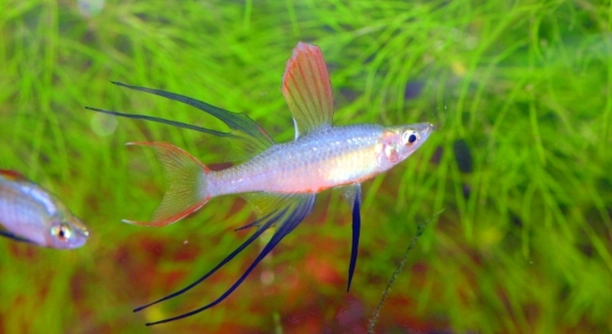
Do you ever find yourself fascinated by the bright colors of threadfin rainbowfish but unsure how to keep them healthy in your aquarium? These delicate fish need specific conditions to thrive, making tank care especially important for them.
There are several factors that can harm threadfin rainbowfish if not carefully managed, such as overcrowding, poor water quality, or incompatible tank mates. Avoiding these mistakes ensures the fish remain healthy, stress-free, and display their vibrant natural beauty.
Learning the most common mistakes to avoid will help you maintain a peaceful, thriving aquarium that supports the gentle nature of these graceful fish.
Overcrowding the Tank
Overcrowding is one of the most common mistakes when keeping threadfin rainbowfish. These fish are naturally peaceful and thrive best in a calm, spacious environment. A crowded tank creates stress, weakens immunity, and increases the risk of disease. Threadfins need ample swimming space to display their graceful movements and feel secure. Keeping them in a tank that is too small or filled with too many fish often results in aggression from other species and diminished color vibrancy. A proper tank setup should include open swimming areas and gentle filtration. Maintaining space and balance ensures your threadfins remain healthy and show their natural beauty.
Threadfin rainbowfish should always be kept in small, carefully balanced groups. Limiting the number of fish in your tank creates a stable environment and helps reduce unnecessary competition for food and territory. This approach keeps their behavior calm and prevents stressful overcrowding conditions.
When planning your aquarium, start by considering tank size. A 20-gallon tank is generally the minimum for a small group of threadfins, but larger tanks are ideal. Each fish should have room to swim without feeling restricted. Pay attention to other species housed in the same tank, since aggressive or overly active fish can make threadfins feel even more stressed. Aquascaping can help by creating gentle hiding spots while leaving enough open space for swimming. By carefully choosing tank size and monitoring the number of fish, you can establish a balanced aquarium that supports their delicate nature. Overcrowding not only affects their physical health but also disrupts their calm temperament.
Poor Water Quality
Maintaining proper water quality is essential for threadfin rainbowfish. Poor water conditions can lead to stress, disease, and even shortened lifespans, making regular monitoring and upkeep one of the most important aspects of their care.
Water changes are vital to keeping your aquarium safe and balanced. Threadfin rainbowfish thrive in soft, slightly acidic water, with temperatures ranging between 74–80°F. Ammonia, nitrite, and nitrate levels should be tested regularly, as even small imbalances can harm these delicate fish. Filtration systems should run consistently but not create strong currents, since threadfins prefer gentle movement in the water. It is also important to avoid sudden shifts in temperature or pH, as they are sensitive to environmental changes. Overfeeding can quickly pollute the tank, so food should be given in small portions that can be consumed within a few minutes. Consistent water testing, regular cleaning, and mindful feeding all contribute to maintaining the quality of their environment.
Incompatible Tank Mates
Threadfin rainbowfish are gentle and easily stressed by aggressive or overly active species. Housing them with unsuitable tank mates often leads to hiding, poor coloration, or health decline. Selecting peaceful companions helps maintain balance and protects their delicate temperament.
When choosing companions, look for calm species such as small tetras, rasboras, or peaceful dwarf corydoras. Avoid fin-nippers like barbs or aggressive fish that dominate feeding areas. Stress caused by hostile tank mates can weaken the immune system and make threadfins vulnerable to disease. A harmonious aquarium environment supports both health and vibrant behavior in these fish.
Compatibility is not just about avoiding aggressive species; it also involves matching swimming patterns and dietary needs. Tank mates that are too fast or competitive during feeding times can leave threadfins without proper nutrition. Selecting fish with similar temperaments ensures equal access to food, balanced behavior, and a peaceful aquarium dynamic.
Incorrect Feeding Practices
Overfeeding is one of the biggest risks for threadfin rainbowfish, as leftover food pollutes the water and increases harmful bacteria. Underfeeding, however, weakens them and reduces their bright colors. Balanced feeding routines are essential for sustaining their health and natural vibrancy.
Threadfin rainbowfish thrive on a varied diet of small, high-quality foods. Live or frozen daphnia, brine shrimp, and micro worms provide excellent nutrition, while fine flakes or micropellets can be used as a staple. Feeding should occur in small amounts twice daily, ensuring all food is consumed within minutes. This prevents excess waste and supports digestion. Regular variety keeps them interested and supplies necessary nutrients. A well-planned diet not only maintains their health but also enhances their shimmering colors, making them stand out beautifully in your aquarium.
Strong Water Currents
Threadfin rainbowfish are weak swimmers and struggle in strong currents. Intense water flow can exhaust them, causing stress and preventing them from feeding properly. Gentle filtration helps maintain clean water while keeping the flow soft and manageable for their delicate movements.
Positioning the filter output toward tank walls or decorations reduces flow intensity. Adding plants or driftwood can also break currents, creating calm zones for swimming. Providing a stable, gentle environment allows threadfins to display their graceful swimming style without becoming fatigued or stressed by unnecessary water pressure.
Lack of Hiding Spaces
Threadfin rainbowfish may appear bold, but they require safe areas for comfort and security. Without hiding spaces, stress levels rise, and their natural colors may fade. Plants, driftwood, or caves provide shelter while also creating a visually appealing aquarium environment.
Inconsistent Lighting
Threadfin rainbowfish thrive with steady lighting schedules. Too much light can cause stress and algae growth, while too little prevents natural behavior. Using a timer to maintain consistent day and night cycles supports health, coloration, and balanced activity within the aquarium.
FAQ
How many threadfin rainbowfish should be kept together?
Threadfin rainbowfish are social and do best in groups. A minimum of six is recommended, as smaller numbers can cause stress or shy behavior. Larger groups allow them to interact naturally, display vibrant colors, and feel secure in their environment.
What is the ideal tank size for threadfin rainbowfish?
A 20-gallon tank is the minimum for a small group, but larger tanks are always better. Extra space allows for more stable water conditions, better swimming areas, and prevents stress caused by overcrowding or competition with other fish in the aquarium.
Can threadfin rainbowfish live with shrimp or snails?
Yes, they can coexist with peaceful invertebrates like shrimp and snails. Since threadfins are small and gentle, they generally ignore shrimp and snails. However, avoid aggressive shrimp species that may nip at fins or compete too heavily for food resources.
What should threadfin rainbowfish eat daily?
A balanced diet includes fine flakes, micropellets, and small live or frozen foods like daphnia or brine shrimp. Feeding twice daily in small amounts ensures proper nutrition without creating waste. A varied diet supports both health and their shimmering colors.
Do threadfin rainbowfish need a planted tank?
While not a strict requirement, a planted tank benefits them greatly. Plants provide shelter, reduce stress, and improve water quality. Floating plants help diffuse light, while rooted plants create natural hiding spaces, making the environment more comfortable and visually appealing.
What water parameters do threadfin rainbowfish prefer?
They thrive in soft, slightly acidic water with a pH between 6.0–7.0. Temperatures should range from 74–80°F. Stable parameters are essential, as threadfins are sensitive to sudden changes. Regular testing helps maintain consistency and prevents unnecessary stress or health problems.
How often should water be changed?
Weekly water changes of 25–30% are recommended to keep the tank clean and balanced. Consistent water changes help remove waste, excess nutrients, and toxins. This practice maintains water quality, reduces the risk of disease, and ensures the health of threadfins.
Are threadfin rainbowfish difficult to breed?
Breeding them requires a carefully maintained environment. They scatter eggs among fine plants, and parents should be removed afterward to prevent eating the eggs. Soft, clean water and live foods encourage spawning. Patience and stable conditions are key to success.
Do threadfin rainbowfish get along with other rainbowfish species?
They can coexist with other small, peaceful rainbowfish but may struggle with larger or more active varieties. Size and temperament should always be considered. Mixing them with calm species prevents stress, ensures fair feeding, and keeps their natural behavior balanced.
What lighting schedule works best for threadfin rainbowfish?
A consistent cycle of 8–10 hours of light each day works well. Too much light can stress fish and increase algae growth, while too little disrupts natural behavior. Using a timer helps maintain balance and supports healthy daily activity.
How long do threadfin rainbowfish live?
With proper care, they typically live between three to five years. A healthy diet, clean environment, and stress-free conditions extend their lifespan. Proper tank mates, stable water parameters, and consistent maintenance all play vital roles in supporting their longevity.
Are threadfin rainbowfish sensitive to medications?
Yes, they can be sensitive to strong medications. Always research treatments before use and start with half doses if necessary. Using quarantine tanks for treatment helps protect sensitive fish while maintaining the stability of the main aquarium environment.
Can threadfin rainbowfish adapt to tap water?
If tap water is treated with a conditioner to remove chlorine and chloramine, they can adapt well. However, always test the water first. Adjusting hardness or pH may be necessary to match their preferred soft, slightly acidic conditions for long-term health.
Do threadfin rainbowfish need hiding spaces even in peaceful tanks?
Yes, hiding spaces are important regardless of tank mates. They provide security, reduce stress, and allow natural behavior. Plants, caves, or driftwood all create safe zones. Even in calm environments, threadfins feel more comfortable with areas to retreat to when needed.
How can stress in threadfin rainbowfish be identified?
Signs of stress include faded coloration, reduced appetite, hiding constantly, or erratic swimming. Stress can come from poor water quality, unsuitable tank mates, or sudden environmental changes. Identifying these behaviors early allows adjustments to restore balance and improve their well-being.
Do threadfin rainbowfish jump out of tanks?
Yes, they can jump, especially when startled or stressed. Keeping a secure lid or cover on the aquarium prevents accidents. Even though they are not constant jumpers, safety precautions help protect them from injuries outside the tank environment.
Final Thoughts
Caring for threadfin rainbowfish requires patience, consistency, and awareness of their delicate needs. These fish are not difficult to keep if their environment is carefully managed, but they are sensitive to stress and sudden changes. A well-balanced aquarium that provides clean water, gentle currents, and peaceful surroundings will allow them to thrive. Their shimmering fins and graceful swimming patterns become more noticeable when they feel safe and secure. Avoiding common mistakes such as overcrowding, poor water quality, or improper feeding plays an important role in maintaining both their health and their beauty. Every decision made in setting up and maintaining the tank directly influences how comfortable and vibrant they become over time.
Creating the right setup for threadfin rainbowfish does more than just support their physical health; it also encourages natural behavior. When given enough space, hiding areas, and consistent water conditions, they display active schooling and brighter colors. These signs show that they feel comfortable in their environment. Watching them glide through plants or interact with one another brings a sense of calmness to the aquarium. Their delicate appearance might suggest they are fragile, but with proper care, they are resilient and rewarding to keep. The combination of stable water, suitable tank mates, and balanced feeding ensures they live peacefully. Each element in the tank contributes to their long-term success, turning the aquarium into a balanced ecosystem.
In the end, keeping threadfin rainbowfish healthy comes down to understanding their needs and avoiding simple but harmful mistakes. They are not fish that can be neglected or placed in just any setup, but when cared for properly, they bring life and color to the aquarium. Their beauty is best appreciated in a calm, well-maintained space where their natural traits can shine. Whether it is through careful feeding, choosing the right companions, or providing shelter, every small effort helps improve their quality of life. Threadfin rainbowfish may be delicate, yet they reward consistent care with activity, health, and color. For anyone willing to put thought into their aquarium, these graceful fish can become a centerpiece, reflecting the value of attentive and mindful fishkeeping. A balanced tank ensures that their elegance and unique charm remain for years to enjoy.

Hello,
If you enjoy the content that we create, please consider saying a "Thank You!" by leaving a tip.
Every little bit helps us continue crafting quality advice that supports the health, happiness, and well-being of pets around the world, for pets of all shapes, sizes, and species.
We really appreciate the kindness and support that you show us!