
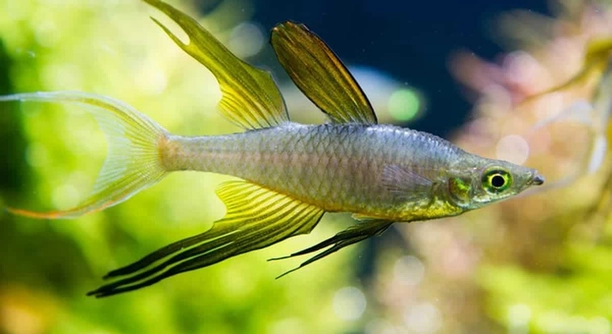
Have you ever set up a tank for Threadfin Rainbowfish and noticed them swimming in all directions? Choosing the right dimensions for their habitat can influence their behavior, comfort, and overall health in surprising ways.
Threadfin Rainbowfish demonstrate a preference for wider tanks rather than deeper ones. A tank with ample horizontal space allows them to swim freely in schools, reduces stress, and supports natural territorial behavior, ultimately promoting healthier growth and vibrant coloration.
Understanding their spatial preferences will help you design a more suitable environment. Small adjustments in tank shape can greatly enhance their well-being and activity levels.
Why Width Matters More Than Depth
When I first set up my Threadfin Rainbowfish tank, I focused on depth, thinking it would give them more room to explore. I quickly noticed, however, that they spent most of their time near the front of the tank, swimming side to side rather than up and down. Wider tanks allow these fish to move naturally in schools, interact comfortably, and establish territories without feeling cramped. Horizontal space reduces stress and encourages active behavior, which contributes to better coloration and overall health. Depth is still useful for plants and decorations, but it is secondary to width. Providing a spacious horizontal environment mimics their natural habitat, where open waters are more important than vertical columns. Observing their behavior in a wide tank made it clear that they thrive when they can glide freely, dart, and weave around each other, rather than being confined in a tall, narrow space.
Wider tanks also make feeding and maintenance easier. Fish have clear swimming paths.
A well-planned tank balances width and depth with adequate plants and hiding spots. Horizontal space lets schools form natural patterns, reduces aggression, and promotes exploration. A wider tank improves oxygen circulation and helps fish feel secure. Choosing a tank with sufficient width ensures the Threadfin Rainbowfish will be healthy, active, and visually stunning, creating a lively display that is easier to maintain over time.
Tank Setup Tips for Threadfin Rainbowfish
Selecting the right tank is essential for these fish to flourish. Width should always take priority over depth.
Proper setup begins with a tank at least 36 inches long. Fine substrate, gentle filtration, and low to medium water flow suit them best. Include plants, open swimming zones, and minimal tall obstacles. Horizontal decorations like driftwood or rocks create natural boundaries without restricting movement. Lighting should be moderate to encourage coloration while preventing stress. Regular water changes and consistent parameters support long-term health. By focusing on horizontal space and thoughtful arrangement, the tank replicates aspects of their natural environment. A wide, shallow layout allows the school to interact, establish territories, and swim freely. Observing their behavior in a well-arranged tank demonstrates their natural patterns. Correct setup reduces stress, prevents aggression, and enhances visual appeal, resulting in an active, vibrant aquatic display that is sustainable and enjoyable to maintain for years.
Choosing the Right Tank Dimensions
Width directly impacts the fish’s comfort and activity. A narrow tank restricts movement, while a wide tank encourages natural swimming patterns, social interactions, and reduces stress.
I learned quickly that even a few extra inches in width makes a noticeable difference. Threadfin Rainbowfish swim side to side constantly, forming schools and exploring territories. Narrow tanks force them into tight spaces, causing stress and occasional aggression. By prioritizing width over depth, I noticed they became more active and their colors more vibrant. Depth is less important for swimming but still useful for plants and decorations. Balancing horizontal space with minimal vertical obstacles ensures a healthier, more visually appealing environment. Providing an open, wide tank allows them to express natural behaviors that are critical for their well-being.
Wider tanks also make cleaning and feeding simpler. Fish have room to avoid overcrowding, and decorations can be arranged without limiting swimming space.
Optimizing Tank Decorations
Horizontal space should remain open, but decorations are important. Driftwood, rocks, and low plants provide boundaries without restricting movement.
Decorations need to be placed carefully to prevent blocking swimming paths. Low plants and horizontal driftwood create natural hiding spots, reduce stress, and help establish territories. Tall plants or vertical structures can impede movement, which frustrates schooling behavior. Open areas in the center let fish glide freely, while edges can have rocks or short plants for shelter. Maintaining a balance between open space and decorative elements keeps the tank visually appealing while supporting natural behavior patterns. Overcrowding the tank with tall or dense decorations undermines the benefits of a wide layout and can trigger stress-related issues, including aggression and reduced activity.
Regular monitoring is essential to ensure the tank layout continues to suit the fish. Adjustments may be necessary as the school grows. Driftwood and plants may be rearranged to maintain free swimming areas while offering enough shelter for all individuals, preserving both aesthetics and fish welfare over time.
Water Depth Considerations
Threadfin Rainbowfish tolerate moderate depth, but extreme depth is unnecessary. Shallow to medium-depth tanks are sufficient for comfortable swimming and visibility.
I noticed in deeper tanks, the fish rarely explored vertical space. They preferred gliding horizontally near the mid-level and surface areas. Limiting depth slightly improves oxygen distribution and makes maintenance easier while still supporting their natural movement patterns.
Schooling Behavior and Tank Size
These fish are active schoolers and require enough horizontal space to maintain group cohesion. A wide tank ensures proper interaction and reduces territorial conflicts.
In a cramped tank, schooling patterns are disrupted, leading to stress and occasional aggression. Providing a spacious horizontal environment lets the school move together naturally, strengthens social bonds, and allows each fish to establish a personal space. Adequate width reduces stress, encourages healthy activity, and enhances coloration. Observing the school swim freely is more rewarding when the tank layout supports their natural behavior, showing the importance of width over depth. Properly sized tanks promote longevity and overall health.
Water Flow Recommendations
Gentle water flow suits these fish best, mimicking natural conditions without exhausting them.
FAQ
What tank size is best for Threadfin Rainbowfish?
I found that a tank at least 36 inches long works well for a small school of Threadfin Rainbowfish. Width matters more than depth, as these fish prefer horizontal space to swim freely. Depth should be moderate, just enough to allow plants and decorations without restricting movement. A wider tank also reduces stress, encourages schooling behavior, and allows each fish to establish a comfortable territory.
Can Threadfin Rainbowfish live in a tall, narrow tank?
Tall, narrow tanks are not ideal. While the fish can survive, their activity is limited and stress levels can increase. I noticed that in a narrow tank, the fish spent most of their time at mid-levels and avoided vertical swimming. Aggression can increase, and natural schooling patterns are disrupted. A wide, shallow setup allows them to glide naturally and interact comfortably with the entire school.
How many Threadfin Rainbowfish should I keep together?
Keeping them in groups of six or more is ideal. Threadfin Rainbowfish are social and display their natural behavior in schools. When kept in smaller numbers, they can become shy or stressed. I saw noticeable improvements in activity and coloration when the school was larger. Adequate horizontal space combined with a proper group size ensures balanced social interactions and reduces conflict within the tank.
What type of substrate is best?
Fine gravel or sand works well. Threadfin Rainbowfish are not heavy diggers, but a smooth substrate protects their delicate fins and allows plants to anchor properly. I prefer using sand mixed with small gravel because it creates a natural look and supports plant growth. Sharp or rough substrates can cause minor injuries and should be avoided to maintain overall health and comfort.
Are decorations necessary in the tank?
Decorations are helpful if used correctly. Low plants, driftwood, and rocks create shelter and boundaries without obstructing horizontal swimming. I arrange decorations along the edges and corners to leave the center open for schooling. Tall or dense arrangements limit movement and stress the fish. By keeping decorations minimal but functional, the tank remains visually appealing and supports natural behaviors.
How important is water quality?
Water quality is critical. Threadfin Rainbowfish thrive in clean, stable water with moderate temperature and pH. I perform regular water changes and monitor parameters closely. Poor water conditions lead to stress, weakened immunity, and disease. Maintaining proper filtration, oxygenation, and consistent water parameters ensures long-term health and vibrant coloration for these fish.
Can they live with other fish?
Yes, but choose peaceful tank mates. Aggressive or territorial species can stress Threadfin Rainbowfish. I introduced small, non-aggressive fish, and the interactions were smooth. Suitable tank mates include small tetras, rasboras, and other community fish. Avoid fin-nipping species or large predators to maintain harmony and protect the Threadfin Rainbowfish’s delicate fins.
How often should I feed them?
Feeding twice a day is sufficient. I provide high-quality flakes or pellets supplemented with occasional live or frozen food like brine shrimp. Overfeeding can pollute the tank, while underfeeding can weaken the fish. Balanced nutrition supports growth, coloration, and overall health, making the school more active and vibrant.
Do they need lighting?
Moderate lighting works best. I use standard aquarium lights that promote plant growth and showcase coloration without causing stress. Excessively bright lighting can frighten the fish, while too dim lighting may dull their colors. A consistent day-night cycle helps maintain their natural rhythms and activity patterns.
How can I encourage natural behavior?
Provide open horizontal space, minimal tall decorations, a proper school size, and gentle water flow. I observed the fish exploring, gliding, and interacting naturally when these conditions were met. Encouraging natural behavior reduces stress, strengthens social bonds, and enhances the visual appeal of the tank.
This FAQ covers the main considerations for keeping Threadfin Rainbowfish healthy and active in home aquariums. By focusing on tank width, group size, and careful setup, these fish thrive and display their natural, vibrant behaviors.
Final Thoughts
Threadfin Rainbowfish are active, vibrant fish that respond strongly to their environment. Observing their behavior in my tank showed me just how important horizontal space is. A wide tank allows them to swim naturally in schools, interact with one another, and explore their surroundings without feeling confined. Depth is secondary; moderate depth is sufficient for plants, decorations, and some vertical swimming, but it does not replace the need for width. Ensuring open space in the center of the tank while placing decorations and plants along the edges creates an environment that supports their natural patterns. The combination of width, moderate depth, and carefully positioned decorations significantly reduces stress, encourages healthy activity, and strengthens social bonds within the school.
Maintaining water quality is another crucial factor in their well-being. Threadfin Rainbowfish are sensitive to changes in temperature, pH, and cleanliness, so regular monitoring and water changes are necessary. Gentle filtration and adequate oxygenation contribute to a stable environment where the fish can thrive. I found that observing their activity and coloration is the best indicator of their comfort and health. Fish that are active, display vivid colors, and move together smoothly in their school are more likely to be living in optimal conditions. Feeding a balanced diet of high-quality flakes or pellets supplemented with live or frozen foods supports growth and coloration. Overfeeding can lead to water issues, while underfeeding weakens the fish. Keeping a consistent feeding schedule helps maintain both water quality and the overall health of the school.
Finally, the setup of the tank plays a long-term role in the fish’s life. A wide tank with open swimming areas, low decorations, and gentle water flow creates an environment that mimics their natural habitat. A properly sized school, along with compatible tank mates, further enhances their comfort and reduces aggression. Every small adjustment, from the placement of driftwood to the balance of plants, contributes to their well-being and activity levels. Observing the school glide across the tank, interacting naturally and displaying vibrant colors, reinforces the importance of creating a suitable environment. Taking the time to plan the tank’s dimensions, layout, and maintenance routines ensures that Threadfin Rainbowfish not only survive but thrive, offering a lively and beautiful display that is rewarding to watch.

Hello,
If you enjoy the content that we create, please consider saying a "Thank You!" by leaving a tip.
Every little bit helps us continue crafting quality advice that supports the health, happiness, and well-being of pets around the world, for pets of all shapes, sizes, and species.
We really appreciate the kindness and support that you show us!