
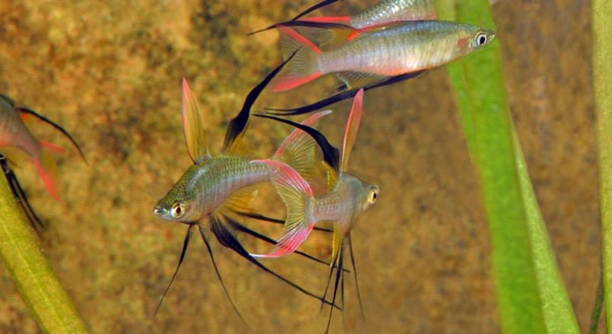
Have you ever looked at your threadfin rainbowfish and noticed subtle changes in their appearance as they grow from young to mature stages? Observing these differences can be fascinating, especially when you care deeply about their well-being.
The primary visual differences between young and mature threadfin rainbowfish can be seen in their body shape, fin length, coloration, and overall size. Maturity brings elongated fins, richer colors, and noticeable distinctions between males and females in their appearance.
Recognizing these changes not only helps in understanding their growth but also makes caring for them easier and more enjoyable.
Body Shape Differences
Young threadfin rainbowfish often have slender bodies that appear less defined compared to adults. As they mature, their bodies develop more noticeable depth and form, creating a sleeker silhouette. Mature males, in particular, display a more angular shape, which makes them stand out. This change can help you identify their age and maturity level without relying on other features. Observing body shape is one of the easiest ways to tell if your rainbowfish is still young or already mature. The growth process is gradual, but once you pay attention, these changes become quite clear.
Mature threadfin rainbowfish often appear more confident in movement due to their developed body shape. This stronger build allows them to swim with more stability and display their features better when compared to younger fish.
Noticing the differences in body structure can make it easier to separate younger fish from older ones in your tank. This recognition also helps when monitoring their growth and ensuring each fish is developing at a steady pace. Proper feeding and a stress-free environment play an important role in supporting this healthy transition. Paying close attention to these body changes adds depth to your understanding of their care and growth.
Fin Length and Appearance
Young threadfin rainbowfish have shorter, less dramatic fins that look delicate and modest. Over time, these fins grow into long, flowing shapes that create an elegant appearance. Mature males often show the most impressive changes, with extended fins that sway gracefully as they swim.
The fins are among the most striking features that distinguish maturity. In young fish, fins may look almost fragile, appearing small against their slim bodies. As they mature, however, the transformation becomes obvious. Males develop elongated dorsal and anal fins that stretch far beyond the body’s frame, making them appear refined and elegant. The fins of females grow as well, but their length is shorter, helping you distinguish between sexes. These flowing fins serve a purpose beyond beauty, as they are often used in displays during breeding or to establish presence in the group. Observing these differences in fin length and overall appearance can provide clear signs of growth.
Coloration Changes
Young threadfin rainbowfish usually display faint colors that may appear almost transparent at times. Their shades remain soft until maturity, when their tones become more vibrant, especially in males, who showcase deeper hues during breeding and social displays.
The difference in coloration becomes striking as maturity progresses. Young fish appear pale with hints of yellow or silver. As they grow, males develop brighter tones such as orange, yellow, and even blue accents. These colors intensify in good lighting and during healthy conditions, making the fish stand out in any tank. Females retain softer shades, which helps distinguish them from males.
Maintaining a balanced diet rich in nutrients encourages stronger coloration in mature fish. Clean water conditions also support their natural brilliance. Observing these visual differences allows you to determine not only the age but also the overall health of your rainbowfish, since strong colors often signal vitality.
Size Differences
Threadfin rainbowfish grow steadily, with young fish remaining small and delicate in size. Mature fish reach longer lengths, typically around five centimeters, making them easier to distinguish. This difference in size helps separate young groups from adults in shared aquariums.
Growth rates can vary depending on diet, space, and overall care. Young fish may stay smaller for longer if they lack proper nutrition or are raised in crowded tanks. As they mature, however, their growth becomes more noticeable. Healthy adults develop fuller bodies and reach their natural size range when provided with consistent food and stable living conditions. Tracking these size differences helps ensure your fish are developing properly and receiving the right support.
Male and Female Differences
Mature male threadfin rainbowfish are easy to spot because of their longer fins and brighter colors. Females remain smaller, with shorter fins and softer shades, which helps in telling them apart at a quick glance.
During breeding, males display more vivid colors and use their fins to attract females. This contrast between sexes becomes clearer as they grow, making it simple to identify pairs and understand their social behavior within the aquarium setting.
Swimming Behavior
Young threadfin rainbowfish often swim together closely in groups, showing timid movements and sticking to safer areas. As they mature, their confidence grows, and they begin spreading out more, with males occasionally showing dominance through displays. Their swimming style reflects their growth and social development clearly.
Scale Development
Juvenile scales appear faint and less defined, giving younger rainbowfish a more fragile look. Mature fish develop stronger, reflective scales that highlight their vibrant colors and add to their striking appearance. This change is gradual but easy to notice over time.
FAQ
What is the easiest way to tell a young threadfin rainbowfish from a mature one?
The easiest way is by looking at body size, fin length, and coloration. Young fish are smaller, have shorter fins, and display softer, more muted colors. Mature males develop long, flowing fins and brighter tones, while females maintain shorter fins and softer shades. Observing swimming behavior also helps, as young fish tend to stick closely together, while adults swim more confidently.
At what age do threadfin rainbowfish start showing noticeable changes?
Noticeable changes usually begin around three to four months of age, depending on diet and tank conditions. Body shape becomes more defined, fins start growing longer, and colors begin to intensify. Males show the most dramatic differences, especially in coloration and fin extension, while females develop more subtle changes. Providing a healthy diet and maintaining clean water supports faster and healthier growth.
Do males and females mature at the same rate?
No, males and females mature differently. Males often grow faster in size and display colors and fin extensions earlier than females. Females tend to remain smaller with less dramatic color development. This difference makes it easier to distinguish sexes once they reach maturity. Tracking these changes can help when planning breeding or separating age groups in the tank.
How does diet affect visual development in rainbowfish?
Diet plays a crucial role in growth and coloration. High-quality foods rich in protein and carotenoids promote stronger colors and healthier fins. Young fish on a balanced diet develop faster and show earlier signs of maturity. Poor nutrition can delay fin growth, reduce coloration, and affect overall body shape, making it harder to tell ages apart. Consistent feeding schedules support steady development.
Can environmental conditions influence these visual differences?
Yes, environmental factors such as tank size, water quality, and lighting can significantly affect appearance. Crowded tanks may slow growth and cause muted colors, while clean water and adequate space encourage proper development. Good lighting enhances the vibrancy of mature fish colors, making visual differences more noticeable. Stable conditions also reduce stress, which directly impacts fin and body health.
Do threadfin rainbowfish change appearance during breeding?
Yes, males intensify their colors and extend their fins to attract females. This display is temporary but becomes more pronounced in mature adults. Females may show slightly deeper shades during this period but remain subtler than males. Observing these temporary changes helps identify mature males ready for breeding.
Are there health concerns linked to delayed visual development?
Delayed or uneven visual development can indicate stress, poor nutrition, or illness. Fins may remain short, colors dull, or body shape underdeveloped. Addressing water quality, diet, and tank conditions early ensures healthy growth. Regular observation allows you to spot any abnormalities and take corrective measures promptly.
How can I encourage healthy visual growth in my rainbowfish?
Provide a balanced diet, clean water, and enough swimming space. Avoid overcrowding and maintain stable water parameters. Include live or frozen foods to support fin and coloration development. Observing fish regularly ensures you notice gradual changes in body shape, fin length, and color, confirming healthy growth over time.
Is it normal for some fish to develop visual features slower than others?
Yes, individual differences are normal. Genetics, diet, and minor environmental variations can cause some fish to mature slower. These fish may catch up later if conditions improve. Patience and consistent care allow all fish to reach their full visual potential.
Can visual differences help in selecting fish for breeding?
Absolutely. Mature males with long fins and vibrant colors are ideal for breeding. Females with healthy body shapes and subtle coloration complement them. Recognizing these traits ensures better pairing and successful breeding outcomes. Keeping track of visual differences also helps maintain a balanced and healthy aquarium population.
How long do these visual differences last?
Once fully developed, the visual differences in mature fish remain stable for most of their adult life. Males retain long fins and bright colors, while females maintain softer shades and smaller size. Occasional stress or illness can temporarily reduce vibrancy, but with proper care, these features remain consistent.
Do young fish eventually look like adults if conditions are optimal?
Yes, given proper nutrition, clean water, and space, young fish gradually develop adult characteristics. Their fins lengthen, colors deepen, and body shape becomes more defined. Observing these changes over time allows you to anticipate their growth and understand their overall health and well-being.
Can tank mates affect visual development?
Yes, aggressive or overly dominant tank mates can stress rainbowfish, slowing fin growth and dulling colors. Keeping peaceful species together reduces competition and promotes natural development. Providing hiding spots and ample swimming space allows all fish to grow and display their visual differences fully.
Are these differences permanent once maturity is reached?
Generally, yes. Mature males maintain their elongated fins and bright colors, and females retain their smaller size and softer shades. Only extreme stress, disease, or poor water conditions can temporarily diminish these features. Proper care ensures their visual characteristics remain strong throughout adulthood.
How often should I monitor these visual changes?
Regular observation, ideally weekly, helps track growth and detect potential issues early. Noticing changes in fin length, coloration, or body shape ensures you can adjust diet, tank conditions, or care routines promptly, supporting healthy development for both young and mature rainbowfish.
Final Thoughts
Observing the visual differences between young and mature threadfin rainbowfish provides valuable insight into their growth and overall health. From body shape and fin length to coloration and size, each characteristic changes gradually, reflecting both age and well-being. Young fish appear smaller, with shorter fins and softer, muted colors, while mature fish develop elongated fins, brighter tones, and a more defined body shape. These differences are more pronounced in males, who display vibrant colors and flowing fins, especially during breeding periods, while females maintain a subtler appearance. Paying attention to these visual cues allows you to identify maturity and monitor the development of each fish. Recognizing the signs of maturity helps in maintaining proper tank management, ensuring that younger fish receive the care they need to grow, and mature fish can thrive in a stable, suitable environment.
Proper care, including nutrition and tank conditions, plays a major role in enhancing and preserving these visual differences. A balanced diet rich in protein, vitamins, and carotenoids supports fin growth and coloration, while clean water and adequate space contribute to healthy body development. Environmental factors such as lighting, tank size, and tank mates also influence the appearance and growth of your rainbowfish. Crowded or stressful conditions can slow development, dull colors, or affect fin health, whereas optimal conditions allow each fish to reach its full visual potential. By maintaining consistency in care, you can ensure that the natural progression from juvenile to adult is smooth and noticeable. Observing these changes over time not only improves your understanding of their growth patterns but also enhances your ability to manage breeding, social interactions, and overall tank harmony.
Finally, being attentive to the visual differences between young and mature threadfin rainbowfish strengthens the connection between you and your aquarium. Watching these fish develop into their adult form is both informative and rewarding. It allows you to anticipate their needs at each stage, adjust feeding routines, monitor health, and create a comfortable environment that supports proper growth. Understanding their visual cues helps prevent potential issues, such as stress or uneven development, and promotes a healthy, thriving tank community. By focusing on these aspects, you not only appreciate the beauty of mature fish but also ensure the younger ones receive the foundation they need for healthy development. Observing and supporting their growth is an ongoing process that combines patience, care, and attentiveness, resulting in a balanced and visually appealing aquarium over time.

Hello,
If you enjoy the content that we create, please consider saying a "Thank You!" by leaving a tip.
Every little bit helps us continue crafting quality advice that supports the health, happiness, and well-being of pets around the world, for pets of all shapes, sizes, and species.
We really appreciate the kindness and support that you show us!