
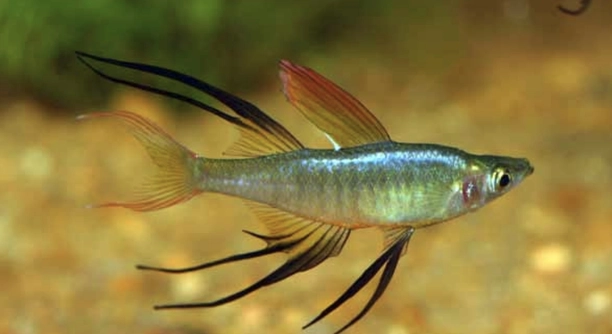
Have you ever noticed your threadfin rainbowfish lingering near the glass, watching the outside world or your every move? These little fish seem to have a habit of staying close, quietly observing their surroundings with keen interest.
Threadfin rainbowfish often hover near the glass due to a combination of environmental awareness, social behavior, and curiosity. They may perceive movements or changes outside the tank and respond instinctively, maintaining vigilance while also seeking interaction and stimulation.
Watching their gentle movements can be surprisingly calming, and understanding their behavior helps create a more comfortable and engaging tank environment for them.
Why Threadfin Rainbowfish Stay Close to the Glass
Threadfin rainbowfish often hover near the glass because they are naturally curious and sensitive to movement. They notice changes in light, shadows, or activity outside their tank and respond to it. This behavior is partly social; these fish are used to swimming in groups, and the glass sometimes gives them a sense of interaction. Some may even think the moving shapes outside are other fish or potential companions. The glass provides a safe vantage point where they can observe without feeling threatened. Environmental factors also play a role—temperature, water flow, and tank decorations affect where they spend most of their time. A well-lit tank with some open swimming space can encourage them to explore more freely, but many still prefer hovering near the edges. Understanding these patterns helps in adjusting tank setups for their comfort, keeping them healthy and less stressed over time.
Observing them up close also allows you to notice subtle changes in behavior, which can indicate health or mood.
Creating a habitat with hiding spots, gentle water currents, and varied lighting keeps them more engaged and reduces stress. Over time, they may explore further, showing off more of their natural swimming patterns and colors, which makes watching them even more rewarding.
How Tank Conditions Influence Behavior
Temperature fluctuations and poor water quality often cause fish to linger near the glass.
Water quality and lighting significantly impact threadfin rainbowfish behavior. If the tank is too cold or warm, they may stay near the glass, which sometimes has slightly different temperatures due to proximity to the room air. High nitrate levels or improper pH can make the tank uncomfortable, prompting them to stick to familiar areas. Lighting also influences activity; bright, consistent light encourages movement, while harsh or flickering lights can make them hesitant. Tank decor matters too—open swimming areas with some plants or rocks allow for exploration, but they often return to the glass for safety. Feeding routines also affect their positioning; they learn where food is likely to appear and may hover nearby. By maintaining stable water conditions, providing appropriate light cycles, and arranging the tank thoughtfully, you support natural behavior and well-being, making the fish feel secure and confident.
Regular monitoring and small adjustments to the tank can improve activity levels and reduce stress, helping threadfin rainbowfish thrive in their environment. Proper attention ensures they display their beautiful colors and lively swimming habits consistently. A stable, engaging tank environment is essential for both observing and caring for these charming fish.
Feeding Habits and Glass-Hovering
Threadfin rainbowfish often hover near the glass because they associate it with feeding time. They quickly learn where food appears and may wait in anticipation.
These fish are responsive to regular feeding schedules and can remember the timing and location of meals. When food is introduced, they swim energetically and may dart toward the glass, expecting it to come from that direction. Even small movements outside the tank, like hand gestures or shadows, can trigger their attention, reinforcing the habit. Over time, this behavior becomes part of their daily pattern, combining instinct, routine, and a little curiosity about their surroundings.
Watching them during feeding time reveals how alert and intelligent they are. They often position themselves strategically near the glass, balancing observation and anticipation. This also reflects their natural schooling behavior, where staying aware of the environment is crucial. Adjusting feeding techniques, such as distributing food evenly or using feeding rings, can help reduce constant hovering while still keeping them engaged and healthy.
Social Interaction and Reflection
Glass-hovering often increases in tanks with multiple rainbowfish, highlighting social dynamics.
Threadfin rainbowfish are highly social and thrive in groups. Hovering near the glass can be a response to seeing reflections of themselves or other fish nearby. Reflections may appear as companions or rivals, prompting interaction behaviors like flaring, chasing, or synchronized swimming. Social structure in the tank also influences this behavior; dominant fish may occupy prime spots near the glass, while others follow. By observing these interactions, patterns of hierarchy and group dynamics become visible. A balanced number of fish reduces stress, prevents overcrowding, and ensures each fish has access to favored areas near the glass.
Providing mirrors or reflective surfaces is sometimes used intentionally to stimulate activity. However, it’s important to monitor reactions to ensure no aggression develops. Positioning plants, decorations, and hiding spots strategically can help maintain harmony. Supporting social behaviors while managing reflections allows threadfin rainbowfish to express natural instincts without becoming stressed or overly territorial. This approach keeps the tank dynamic, healthy, and visually engaging.
Curiosity and Environmental Stimulation
Threadfin rainbowfish often hover near the glass out of curiosity. They notice movement, changes in light, or activity outside the tank, which keeps them mentally stimulated and alert.
Their environment inside the tank plays a big role. Open spaces, decorations, and plants encourage exploration, yet they often return to the glass to observe safely.
Tank Size and Space
Smaller tanks can make fish spend more time near the glass. Limited swimming space encourages them to stay close to the edges.
Threadfin rainbowfish are active swimmers and need room to move freely. In cramped tanks, they may hover near the glass because it provides a boundary and sense of security. Adequate tank size allows natural swimming patterns, reducing stress and promoting health. Regularly monitoring and rearranging the tank can encourage more even distribution, helping them feel comfortable and engaged while still satisfying their curiosity.
Light and Reflection Effects
Bright or fluctuating lighting can make fish stick to the glass, where conditions feel more stable.
FAQ
Why do threadfin rainbowfish stare at me through the glass?
They often see movements outside the tank as interesting or important. Your gestures, shadows, or even reflections can capture their attention. This behavior is natural and shows their curiosity and awareness of the environment. Fish may hover near the glass to assess potential interactions without feeling unsafe.
Is it normal for them to stay in one spot near the glass?
Yes, it’s common behavior. Threadfin rainbowfish like stable points where they can watch surroundings while feeling secure. Remaining near the glass can provide a sense of safety, especially if the tank has limited hiding spots or if they are adjusting to a new environment.
Can hovering near the glass indicate stress?
Sometimes. If fish hover constantly, appear lethargic, or stay in one spot without eating, it could be a sign of stress. Check water temperature, quality, and pH levels, and make sure the tank is not overcrowded. Stress can be reduced by adding decorations, plants, or open swimming areas.
Do they hover near the glass for social reasons?
Yes. Threadfin rainbowfish are social and may hover to interact with their group. In some cases, reflections in the glass can appear as other fish, stimulating interaction or mild territorial behavior. Watching these behaviors can help you understand group dynamics and hierarchy.
Will feeding habits affect glass-hugging behavior?
Definitely. Fish quickly learn where food comes from and may hover near the glass during feeding times. They anticipate meals and sometimes associate human movement with food delivery. Adjusting feeding techniques, like spreading food or using feeding rings, can reduce constant hovering while keeping them engaged.
Does tank size impact how much they stay near the glass?
Yes. Smaller tanks limit swimming space, which can increase hovering near the glass. A larger tank encourages exploration and natural movement. Adding plants, rocks, or open areas also helps distribute activity and reduces the need to stay in one place constantly.
Can lighting influence glass-hovering behavior?
Lighting plays a significant role. Bright or flickering light may make them stick to areas where they feel more comfortable, often near the glass. Stable, consistent lighting encourages natural swimming patterns. Reflective surfaces should be monitored to avoid aggression or stress.
Should I be concerned about reflections causing aggression?
Occasionally. Some fish may see their reflection as a rival and display territorial behaviors. If aggression becomes frequent, consider adjusting lighting, adding decorations, or repositioning the tank. Most fish eventually adapt to reflections and return to calmer behavior once they recognize them as non-threatening.
How can I encourage them to explore more of the tank?
Provide hiding spots, plants, and open swimming areas. Vary lighting gently, avoid sudden movements, and ensure the tank is large enough. Over time, fish will feel secure enough to move away from the glass, showing natural swimming and schooling behavior.
Do they hover near the glass more in new tanks?
Yes, it’s common for new or recently rearranged tanks. Fish take time to adjust to unfamiliar surroundings. Glass-hovering helps them monitor the environment safely until they feel confident exploring further. Regular observation and stable tank conditions speed up this adjustment.
Can feeding frequency or type of food change their behavior?
Yes. Fish may hover more when anticipating favorite foods. Using varied food types, spreading meals around the tank, or feeding in different locations can reduce constant hovering while keeping them active and stimulated.
Are certain tank decorations better for reducing glass-hovering?
Open spaces with plants or rocks encourage natural movement. Avoid overcrowding, but provide areas where fish can hide or explore. Thoughtful placement of decorations can reduce stress, encourage activity, and help distribute their attention away from just the glass.
Is glass-hovering a sign they are healthy?
Not always, but it can be a sign of curiosity and alertness. Healthy fish are responsive, swim actively, and eat regularly. Monitoring overall behavior, color, and energy levels gives a clearer picture of their well-being beyond just hovering near the glass.
Can reflections be used positively in their tank?
Yes. Controlled reflections can stimulate activity and reduce boredom. Mirrors or reflective surfaces should be introduced carefully to prevent aggression. Most fish learn that reflections are harmless and use them as mental stimulation while maintaining calm behavior.
How long does it take for fish to stop hovering constantly near the glass?
It varies. With proper tank setup, adequate space, stable water conditions, and mental stimulation, fish usually explore more freely over weeks. Patience and small adjustments help them feel secure, reducing the need to hover continuously near the glass.
This FAQ covers the most common reasons and solutions for threadfin rainbowfish hovering near the glass, helping understand their natural instincts, social behavior, and environmental needs.
Final Thoughts
Threadfin rainbowfish hovering near the glass is a behavior that can seem puzzling at first, but it is actually very natural. These fish are curious and alert creatures, constantly observing their surroundings. The glass provides a safe vantage point where they can watch movements, changes in light, or activity outside the tank without feeling threatened. Over time, this behavior becomes part of their daily routine, especially if they associate the area with feeding or other predictable events. Understanding this helps us appreciate their intelligence and social instincts, as they are not just floating aimlessly—they are reacting to their environment and learning from it.
The environment inside the tank plays a key role in encouraging or limiting this behavior. Tank size, decorations, and open swimming space all influence where fish spend most of their time. Smaller tanks or areas with fewer hiding spots often make them hover near the glass more, as it feels like a safe boundary. Lighting and reflections also affect their positioning. Bright, stable light encourages natural swimming, while reflections can trigger social or territorial behaviors. Adjusting these factors thoughtfully can reduce constant hovering while still keeping the fish mentally stimulated. Watching them interact with their environment and with each other offers insight into their social dynamics and natural instincts, making the experience of keeping them more rewarding.
Behavior like glass-hovering is not inherently a problem, but it can be a useful indicator of health, stress levels, and tank conditions. Observing these habits allows owners to notice subtle changes that might signal issues with water quality, temperature, or social stress within the tank. Small adjustments, such as adding plants, rocks, or feeding in different locations, can encourage more balanced activity and prevent boredom or anxiety. Over time, threadfin rainbowfish tend to explore more freely, showing off their colors and natural swimming patterns. Recognizing and supporting these behaviors ensures that the fish remain healthy, comfortable, and engaged, creating a more harmonious and enjoyable tank environment for both the fish and their observers.

Hello,
If you enjoy the content that we create, please consider saying a "Thank You!" by leaving a tip.
Every little bit helps us continue crafting quality advice that supports the health, happiness, and well-being of pets around the world, for pets of all shapes, sizes, and species.
We really appreciate the kindness and support that you show us!