
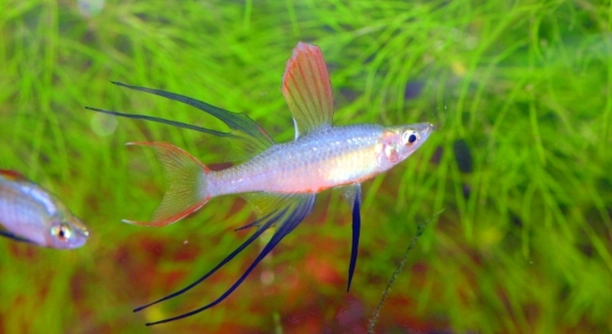
Do you ever notice your Threadfin Rainbowfish swimming with sudden bursts of energy, especially when the lights are dim or the aquarium is quiet? These small, colorful fish can surprise you with their activity at unusual times.
Threadfin Rainbowfish are generally more active during the early evening and night hours. Reduced light levels stimulate natural behaviors, such as exploring, foraging, and interacting with other fish, which are less apparent during bright daylight periods. This nocturnal activity is typical of their species.
Observing their nighttime behavior can reveal fascinating insights into their natural habits and social dynamics within the aquarium environment. It adds a new layer to understanding these vibrant fish.
Understanding Threadfin Rainbowfish Behavior
Threadfin Rainbowfish often show different activity levels throughout the day. During daylight, they may stay close to plants or decorations, conserving energy and blending into their surroundings. Their bright coloration can make them more visible, which sometimes makes them cautious. As the light fades, they become more confident and begin exploring more actively. Nighttime provides a safer environment, encouraging swimming, foraging, and interacting with other fish. Their natural instincts drive this behavior, which can be observed even in well-maintained aquariums. Paying attention to these patterns helps in creating an environment that supports their natural rhythms. Providing hiding spots, gentle lighting, and a stable temperature can enhance their comfort, reducing stress and allowing them to display normal activity. Regular observation of their behavior at different times helps ensure their health, offering clues about their mood, energy levels, and potential issues in the tank. Recognizing these patterns allows for better care and a more engaging aquarium experience.
This behavior is normal and reflects their instinctive patterns. Observing them after dark provides insight into their daily habits.
Nighttime activity can also influence feeding schedules. Offering food in low light or early evening aligns with their natural foraging times, encouraging healthier eating and preventing overfeeding. Watching their movements during these hours reveals social interactions, such as schooling or chasing behaviors, which are often missed during the day. Adjusting tank maintenance, lighting schedules, and feeding routines according to these observations ensures that their environment is more suitable and stimulating. Over time, these small changes can lead to a noticeable improvement in their overall health, color vibrancy, and activity levels.
Lighting and Aquarium Setup
Proper lighting greatly affects Threadfin Rainbowfish activity. Bright lights may make them more reserved, while softer, dim lighting encourages exploration and natural behaviors.
Aquarium layout also plays a significant role. Adding plants, rocks, and hiding spots allows the fish to feel secure, especially during active nighttime periods. A well-structured tank helps mimic their natural environment, reducing stress and promoting consistent activity. The position of lights, type of substrate, and even tank size can impact how freely they swim and interact. Consistent water quality, stable temperature, and gentle filtration support their overall well-being. Adjusting lighting schedules to gradually dim in the evening creates a more natural transition from day to night. Observing their behavior under different conditions allows for fine-tuning the environment to match their instincts. By considering both lighting and setup, you can create a tank where Threadfin Rainbowfish feel comfortable, active, and display their full range of natural behaviors. This approach ensures healthier fish and a more engaging aquarium.
Feeding Patterns and Nighttime Activity
Threadfin Rainbowfish often adjust their feeding habits based on light levels. They tend to eat more actively during dim lighting, reflecting natural foraging behaviors. Feeding at the right time supports their health and encourages normal nighttime activity.
Feeding schedules that align with their activity patterns can improve both nutrition and energy levels. Offering food in smaller, more frequent portions during late afternoon or early evening ensures they consume enough without overfeeding. Observing which foods they prefer at night, such as flakes, pellets, or live foods, can help maintain interest and promote active behavior. Consistent feeding routines also reduce stress, as the fish know when to expect food and can plan their activity around these times. Over time, their growth, coloration, and overall vitality improve when feeding schedules match natural rhythms.
Nighttime foraging is also influenced by the tank environment. Open swimming areas, plants, and hiding spots allow Threadfin Rainbowfish to move comfortably while searching for food. Crowded or poorly structured tanks may limit movement, reduce feeding efficiency, and increase stress. Adjusting feeding locations or adding floating food can encourage exploration and activity, creating a more natural and stimulating environment. This not only benefits physical health but also promotes social behaviors, as fish interact more while foraging. Watching these behaviors provides insight into their preferences and can guide future tank adjustments.
Social Behavior After Dark
Threadfin Rainbowfish often exhibit more social interactions when lighting is low. Reduced light encourages schooling, chasing, and other natural behaviors, which may not appear during bright daylight.
Social dynamics are especially visible at night, as fish feel less exposed to potential threats. Schooling provides comfort and reduces stress, allowing individuals to display normal behaviors. Observing interactions such as synchronized swimming, gentle nipping, or chasing can indicate healthy social structures and dominance hierarchies. Conflicts are usually minor but may appear more frequent in crowded tanks. Adjusting tank size, décor, and hiding spots helps minimize stress and ensures that all fish have space to engage comfortably. Evening activity also encourages exploration of territory and reinforces bonds within the group. Proper attention to these dynamics supports long-term health, reduces aggressive encounters, and enhances the overall liveliness of the aquarium environment.
Environmental Factors Affecting Activity
Temperature and water quality directly influence Threadfin Rainbowfish activity. Stable conditions encourage normal movement, while fluctuations can cause stress and reduce nighttime exploration.
Water currents also affect activity levels. Gentle flow allows natural swimming patterns, but strong currents may limit movement and discourage foraging during darker hours.
Tank Companions
The presence of other fish can impact behavior after dark. Peaceful species encourage relaxed exploration, while aggressive or overly active tank mates may cause stress and limit movement. Proper selection ensures a harmonious environment.
Observation Tips
Using dim or indirect lighting at night allows you to observe natural behaviors without disturbing the fish. Quiet surroundings also help maintain their comfort.
Feeding Techniques
Offering food in slow-dispersing forms prevents overeating and encourages active searching. This supports both health and natural behavior patterns during low-light periods.
FAQ
Why are my Threadfin Rainbowfish more active at night?
Threadfin Rainbowfish are naturally crepuscular, meaning they are more active during low-light periods like dusk and nighttime. Reduced lighting makes them feel safer, encouraging swimming, exploring, and interacting with tank mates. Their instincts drive these behaviors, which can seem unusual during daylight hours.
Should I feed my fish at night if they are more active then?
Yes, offering food during dim lighting can align with their natural foraging behavior. Small portions of flakes, pellets, or live food in the early evening can help maintain energy and support overall health. Avoid overfeeding to prevent water quality issues.
How can I observe nighttime behavior without stressing my fish?
Use dim or indirect lighting, such as a red or blue aquarium light. Avoid sudden movements or tapping on the glass. Quiet surroundings allow the fish to behave naturally while reducing stress and preserving their normal activity patterns.
Do all Threadfin Rainbowfish display increased nighttime activity?
Most individuals show more movement during low-light periods, but some fish may be more active during the day depending on their temperament, tank environment, and social dynamics. Observing individual patterns helps adjust care routines accordingly.
Can tank setup affect nighttime activity?
Yes, the layout, plants, hiding spots, and water flow all influence activity. Open swimming areas and sufficient cover make fish feel secure, encouraging exploration and foraging. Poorly arranged tanks can restrict movement and limit normal behaviors.
Are there signs that nighttime activity indicates stress or illness?
Unusual swimming patterns, erratic movements, or hiding constantly even at night may indicate stress, illness, or poor water quality. Monitoring water parameters and adjusting tank conditions can help maintain healthy behavior.
How do tank companions impact nighttime behavior?
Peaceful tank mates encourage exploration and normal social interactions. Aggressive or overly active species may stress Threadfin Rainbowfish, reducing activity. Careful selection and adequate space are essential for harmonious behavior.
Is nighttime activity important for their health?
Yes, active swimming and foraging at night support muscle development, digestion, and social interactions. Allowing fish to follow natural rhythms promotes long-term health, color vibrancy, and overall vitality.
Should I adjust lighting to encourage activity?
Gradually dimming lights in the evening simulates natural conditions and encourages nighttime exploration. Avoid abrupt changes, as sudden light shifts can cause stress or erratic behavior.
How can I track their nighttime habits effectively?
Keep a log of feeding times, activity levels, and interactions under low light. Observing patterns over several days helps identify preferences, detect potential health issues, and improve tank management.
Do Threadfin Rainbowfish sleep at night?
They do rest but may remain semi-active during low-light periods. Resting typically involves slowing movement and finding safe areas among plants or decorations while still being alert to their surroundings.
Can nighttime activity affect their daytime behavior?
Generally, nocturnal or crepuscular activity does not negatively affect daytime behavior. It simply reflects their natural rhythms. Fish may appear calmer during the day as they conserve energy and adjust to brighter lighting conditions.
How long should nighttime observation sessions last?
Short sessions of 10–15 minutes are sufficient to observe behavior without causing stress. Prolonged disturbance may affect natural activity patterns and overall well-being.
What environmental adjustments can enhance nighttime activity?
Adding gentle water flow, plants, and hiding spots creates security and encourages natural exploration. Stable temperature and water quality also support healthy behavior. Gradual lighting transitions simulate natural conditions and improve comfort.
Can nighttime activity indicate readiness for breeding?
Heightened activity, including chasing or courtship displays, can signal reproductive readiness. Observing these behaviors helps identify optimal conditions for breeding without artificial stimulation.
How often should I monitor nighttime behavior?
Regular observation, a few times per week, is ideal. Tracking patterns over time helps detect changes, assess health, and refine feeding and care routines for better long-term outcomes.
This FAQ covers the most common concerns regarding Threadfin Rainbowfish and their nighttime activity, offering practical guidance for maintaining a healthy, active aquarium.
Final Thoughts
Threadfin Rainbowfish are fascinating creatures with unique activity patterns that often surprise aquarium owners. Observing them at night or during dim lighting reveals a side of their behavior that is not always visible during the day. These fish become more confident and active when the environment feels safe, swimming freely, exploring their surroundings, and interacting with other fish. Recognizing this natural rhythm is important for understanding their overall health and well-being. Creating a tank environment that supports their instinctive behavior, including proper lighting, hiding spots, and gentle water flow, allows them to display these natural activities without stress. Over time, this observation can help owners learn more about individual temperaments and social dynamics, as well as provide insight into how environmental factors influence their behavior. Noticing small changes, such as increased activity in certain areas of the tank or during specific times of day, can also be a useful way to monitor their overall comfort and health.
Feeding and care routines play a significant role in supporting the natural behaviors of Threadfin Rainbowfish. Aligning feeding schedules with their periods of activity, especially during early evening or low-light conditions, encourages foraging and helps maintain energy levels. Offering small, frequent portions of appropriate food supports digestion, reduces competition, and prevents overfeeding. Tank setup also contributes to their activity and comfort. Open swimming areas combined with plants and other hiding spots allow fish to move freely while feeling secure. Proper temperature, water quality, and gentle filtration are essential to reduce stress and promote consistent movement. Even subtle adjustments, such as gradually dimming lights to simulate natural day-to-night transitions, can have a noticeable impact on behavior. Paying attention to these details ensures that Threadfin Rainbowfish are able to follow their natural patterns while remaining healthy and vibrant, which can enhance both the aesthetic and dynamic experience of the aquarium.
Understanding their social behavior is another key aspect of maintaining a balanced environment. Threadfin Rainbowfish often display more interaction during periods of reduced light, including schooling, chasing, and gentle social exchanges. Observing these behaviors provides insight into their social hierarchy, compatibility with tank mates, and overall well-being. Peaceful companions encourage activity and exploration, while aggressive or overly active species can suppress movement and increase stress. Monitoring nighttime behavior, including how fish forage, swim, and interact, allows for fine-tuning of the tank environment and feeding strategies. Consistently providing a secure, stimulating, and properly structured habitat supports their physical and mental health while encouraging natural behavior. By paying attention to lighting, tank layout, feeding routines, and social dynamics, owners can create an environment where Threadfin Rainbowfish thrive. Proper care and observation ultimately result in more active, colorful, and healthy fish, providing both visual enjoyment and a deeper understanding of these lively, vibrant species.

Hello,
If you enjoy the content that we create, please consider saying a "Thank You!" by leaving a tip.
Every little bit helps us continue crafting quality advice that supports the health, happiness, and well-being of pets around the world, for pets of all shapes, sizes, and species.
We really appreciate the kindness and support that you show us!