
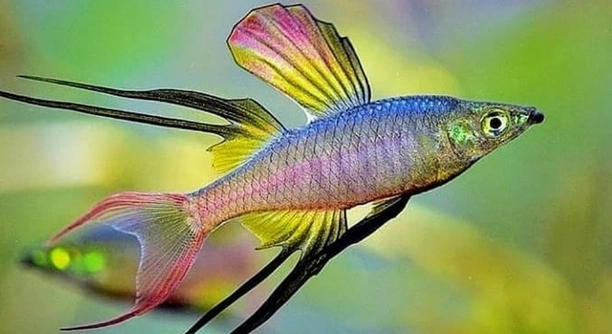
Threadfin Rainbowfish are known for their graceful movements and shimmering colors in home aquariums. Observing them closely can reveal subtle behaviors, including occasional shivering that may catch your attention as you care for your fish.
Shivering in Threadfin Rainbowfish is often a response to environmental factors such as water temperature changes, stress, or the presence of other fish. It can also indicate the fish is adjusting its body to maintain equilibrium in its habitat.
Recognizing these signs early helps ensure your fish remain healthy and comfortable in their aquatic environment. Understanding their behavior supports better care and long-term well-being.
Understanding Threadfin Rainbowfish Shivering
Threadfin Rainbowfish may shiver for several reasons, and understanding these signs helps you care for them properly. Temperature changes are a common trigger. Even a small fluctuation can make fish uncomfortable, leading to shivering as they adjust. Stress from overcrowding or aggressive tank mates can also cause trembling, as the fish tries to protect itself. Water quality is another factor. Poor filtration, high ammonia levels, or sudden chemical changes can make them uneasy. Diet plays a role too; inadequate nutrition can weaken their health, making them more sensitive to minor changes. Observing their behavior regularly can help you detect early signs of discomfort. Lighting and sudden noise may startle them, causing brief tremors. Shivering is not always dangerous but should not be ignored. Keeping a stable, clean environment with balanced feeding reduces stress and helps maintain their natural, calm movements.
Regular observation and proper tank management prevent prolonged shivering episodes in your Threadfin Rainbowfish.
Providing consistent water temperature, low stress conditions, and balanced nutrition ensures your fish feel secure, promoting healthy behavior and minimizing shivering over time.
Common Causes of Shivering
Shivering is often linked to sudden environmental changes or stress within the tank.
Temperature shifts, poor water quality, overcrowding, and aggressive tank mates are the primary reasons for tremors. Consistent observation is crucial to identify triggers and respond quickly.
Monitoring your aquarium conditions closely will help reduce shivering. Ensuring stable water temperature is critical, as Threadfin Rainbowfish are sensitive to fluctuations. Overcrowding increases stress, so maintaining an appropriate number of fish per tank size is important. Aggressive fish can provoke trembling due to fear or anxiety, so separating incompatible species is necessary. Water quality directly affects their health; frequent testing for ammonia, nitrite, nitrate, and pH levels prevents problems. Balanced feeding also strengthens their immune system, reducing sensitivity to minor stressors. Even sudden lighting changes or vibrations can lead to temporary shivering. Keeping a calm, stable environment promotes natural movement and reduces anxiety. By addressing these factors systematically, you can maintain a healthier, more relaxed aquarium that supports the well-being of your Threadfin Rainbowfish.
How to Reduce Shivering
Maintaining stable water conditions is key. Avoid sudden temperature changes and keep ammonia and nitrate levels low. Reducing tank stress and providing proper nutrition also help minimize shivering in Threadfin Rainbowfish, keeping them healthier and more comfortable.
Monitoring your aquarium daily allows you to notice early signs of shivering. Using a reliable heater keeps water temperature consistent, while proper filtration ensures clean water. Avoid overcrowding by maintaining the recommended fish-to-tank ratio. Introducing plants or hiding spots can reduce stress, giving your fish a secure space. Feeding a balanced diet strengthens their immune system and overall health, making them less likely to react to minor disturbances. Regular care routines make a significant difference in preventing shivering.
If shivering persists, separating aggressive or incompatible tank mates is necessary. Additionally, avoid sudden noises or vibrations near the aquarium. Keeping lighting consistent prevents startling the fish. Gradual acclimation when adding new fish or changing water conditions also reduces tremors. By addressing these factors, you ensure a calm and healthy environment for your Threadfin Rainbowfish, allowing them to thrive without unnecessary stress.
Observing Behavior Patterns
Tracking daily behavior helps identify potential stressors in your aquarium. Shivering often appears alongside other signs like rapid gill movement, loss of appetite, or hiding. Consistent observation ensures early intervention before health issues develop.
Note subtle changes in swimming patterns and activity levels. Fish that shiver while remaining near the surface may be reacting to poor water quality, while trembling at the bottom can indicate stress or illness. Observing interactions between tank mates provides insight into social stress. Recording water parameters alongside behavior patterns allows you to correlate shivering with environmental changes. Regular monitoring and documentation help detect recurring issues and guide adjustments in temperature, feeding, or tank arrangement. Responding promptly reduces stress and prevents long-term health problems in Threadfin Rainbowfish.
Behavior tracking also helps refine tank conditions over time. Understanding your fish’s normal activity and preferences allows for a customized approach to their care. Gradual changes, rather than sudden adjustments, ensure minimal stress. Over time, observing behavior patterns provides a clearer picture of what triggers shivering, whether it’s environmental, dietary, or social. With this knowledge, you can make informed decisions to improve the aquarium setup and promote consistent health. Proper monitoring strengthens your ability to maintain a calm and thriving habitat for Threadfin Rainbowfish.
Signs of Stress
Shivering is a common stress signal in Threadfin Rainbowfish. Other signs include hiding, erratic swimming, or reduced appetite. Recognizing these behaviors early allows for quick adjustments to tank conditions to reduce discomfort.
Color changes and clamped fins also indicate stress. Keeping an eye on these subtle cues helps maintain fish health and well-being.
Adjusting Water Conditions
Stable water temperature, clean filtration, and proper pH levels are essential for reducing shivering. Sudden changes in these factors can cause tremors. Regular water testing ensures conditions remain consistent. Gradually adjusting water parameters when needed prevents stress. Using a reliable heater and maintaining the correct tank size also supports a stable environment. Frequent partial water changes help remove toxins, keeping ammonia, nitrate, and nitrite levels low. By prioritizing clean, stable water conditions, you create a secure habitat where Threadfin Rainbowfish can swim comfortably without unnecessary stress.
Feeding and Nutrition
Balanced feeding improves overall health and reduces sensitivity to environmental stressors. Proper diet supports immune function and stability.
FAQ
Why does my Threadfin Rainbowfish shiver at night?
Shivering at night is often caused by a drop in water temperature or reduced oxygen levels. Threadfin Rainbowfish are sensitive to environmental changes, so keeping the tank heated consistently and ensuring proper aeration can prevent nighttime tremors. Gradual temperature adjustments also help maintain stability.
Is shivering a sign of illness?
Not always. Shivering can be caused by stress, temperature fluctuations, or social tension in the tank. However, if it occurs alongside other symptoms like loss of appetite, rapid gill movement, or unusual swimming patterns, it may indicate illness. Monitoring water quality and behavior helps determine the cause.
Can diet affect shivering?
Yes, diet plays a role in overall health. Inadequate nutrition can weaken your fish, making them more sensitive to stress. Feeding a varied, balanced diet strengthens the immune system and reduces tremors caused by minor environmental changes. Avoid overfeeding, as excess waste can impact water quality.
How do tank mates influence shivering?
Aggressive or territorial tank mates can stress Threadfin Rainbowfish, leading to shivering. Observing interactions and separating incompatible species reduces tension. Creating hiding spaces with plants or décor gives your fish a sense of security, which can prevent tremors related to social stress.
Does water quality directly affect shivering?
Absolutely. Poor water quality, including high ammonia, nitrite, or nitrate levels, can stress fish and cause shivering. Frequent testing, proper filtration, and regular partial water changes maintain clean water. Stable pH and temperature are equally important for creating a comfortable environment.
Can lighting cause my fish to shiver?
Yes, sudden changes in lighting or excessive brightness can startle Threadfin Rainbowfish, leading to temporary shivering. Consistent light schedules and avoiding abrupt changes help them acclimate. Dimmer lighting or providing shaded areas in the tank can also reduce stress.
Is shivering dangerous for Threadfin Rainbowfish?
Occasional shivering is not immediately harmful, but persistent trembling indicates stress or environmental issues. Addressing the root cause, such as adjusting water parameters or removing aggressive tank mates, is essential to prevent long-term health problems.
How can I prevent shivering in the future?
Maintaining stable water conditions, providing a balanced diet, and monitoring social interactions are key. Regular observation helps identify early signs of stress. Gradual changes when adjusting water temperature, introducing new fish, or altering tank décor reduce the likelihood of shivering.
Does tank size matter?
Yes, a crowded tank increases stress and the chances of shivering. Threadfin Rainbowfish need enough space to swim freely. Following recommended stocking guidelines and ensuring proper filtration and aeration creates a comfortable environment, reducing stress-related tremors.
Should I consult a vet if my fish shivers?
If shivering persists despite stable conditions and proper care, consulting an aquatic veterinarian is wise. They can rule out illness and provide treatment if necessary. Early intervention ensures your fish remain healthy and reduces the risk of complications.
Are there seasonal factors that affect shivering?
Seasonal temperature changes in the home or direct sunlight on the tank can influence water temperature, triggering shivering. Monitoring seasonal shifts and adjusting heaters or shading the tank helps maintain consistent conditions throughout the year.
Can stress from transportation cause shivering?
Yes, moving fish between tanks or during travel can temporarily stress them. Providing a calm, stable environment afterward and gradually acclimating them helps reduce tremors caused by transportation stress.
How long does it take for shivering to stop?
Once the underlying cause is addressed, shivering often stops within a few hours to a couple of days. Persistent tremors may indicate a more serious issue requiring closer attention to water conditions, diet, or health.
Does water hardness play a role?
Extreme changes in water hardness can stress Threadfin Rainbowfish. Maintaining appropriate hardness levels suitable for their species supports comfort and reduces the likelihood of stress-induced shivering.
Can breeding cause shivering?
During breeding periods, fish may exhibit increased movement or trembling as part of courtship behavior. This is generally temporary and not a sign of illness, provided water quality and tank conditions remain optimal.
Are young fish more prone to shivering?
Juvenile Threadfin Rainbowfish are more sensitive to environmental changes and stress, making them more likely to shiver. Careful monitoring, stable conditions, and a nutritious diet help young fish develop strong immune systems and reduce tremors.
Can sudden noises or vibrations trigger shivering?
Yes, loud noises or frequent vibrations near the aquarium can startle fish, causing temporary shivering. Placing the tank in a quieter area and minimizing sudden disturbances helps maintain calm behavior.
How important is acclimation when introducing new fish?
Proper acclimation prevents stress-induced shivering. Gradually adjusting new fish to the tank’s water parameters ensures a smoother transition and reduces tremors caused by sudden environmental changes.
Can disease outbreaks increase shivering?
Disease or parasites can lead to trembling and other symptoms. Maintaining clean water, quarantining new fish, and monitoring for unusual behavior help prevent outbreaks and minimize shivering caused by illness.
Does tank décor influence shivering?
Providing hiding spots and plants gives Threadfin Rainbowfish a sense of security, reducing stress. Open spaces with no shelter can increase anxiety and lead to more frequent shivering. Proper tank design supports calm and healthy behavior.
Is stress from handling a concern?
Handling or netting fish can cause temporary shivering. Minimizing direct contact and using gentle techniques when necessary reduces stress and prevents unnecessary tremors.
How does water flow affect shivering?
Strong currents can stress Threadfin Rainbowfish, causing shivering. Adjusting flow to moderate levels ensures fish can swim comfortably without overexertion. Observation helps determine the optimal current for your tank setup.
Can shivering indicate reproductive readiness?
During mating periods, minor shivering may occur as part of reproductive behavior. This is usually brief and normal if other environmental conditions are stable and water quality is maintained.
Does seasonal lighting affect behavior?
Changes in natural daylight or artificial light intensity can influence stress levels. Maintaining a consistent lighting schedule prevents sudden tremors and promotes regular activity patterns in Threadfin Rainbowfish.
Are certain fish more sensitive to stress than others?
Individual fish vary in sensitivity. Some may shiver more readily in response to environmental changes. Observing each fish’s behavior allows for tailored care to minimize stress and maintain comfort.
Can shivering be a response to temperature gradients in the tank?
Yes, uneven heating or cold spots can cause trembling as fish try to find their preferred temperature zone. Ensuring uniform water temperature throughout the tank reduces shivering episodes and improves overall comfort.
Does water oxygenation matter?
Low oxygen levels can trigger shivering and rapid gill movement. Adequate aeration and surface agitation maintain oxygen levels, supporting calm and stable behavior in Threadfin Rainbowfish.
Is overstocking a risk factor?
Overcrowding increases stress and competition for resources, leading to shivering. Following recommended stocking guidelines ensures each fish has enough space and reduces tension in the tank.
Can introducing live plants affect shivering?
Live plants improve water quality and provide hiding spots, which help reduce stress and shivering. However, sudden changes when adding many plants at once may temporarily startle fish, so gradual introduction is best.
How does tank location affect behavior?
Placing the tank near high-traffic areas or loud appliances can increase stress. Choosing a quiet, stable environment helps prevent shivering caused by external disturbances.
Does age affect sensitivity?
Older fish may respond more strongly to environmental stressors. Monitoring water conditions and maintaining gentle handling routines help reduce tremors in aging Threadfin Rainbowfish.
Can poor acclimation of new water cause shivering?
Adding untreated or drastically different water can shock fish, causing shivering. Gradual mixing and temperature adjustment help them adapt safely without unnecessary stress.
Is shivering always noticeable?
Some trembling may be subtle and easy to miss. Regular observation and awareness of normal swimming patterns make it easier to detect minor signs before they worsen.
Does feeding schedule influence stress?
Irregular feeding can increase anxiety and minor tremors. Maintaining a consistent feeding routine supports stability and reduces shivering caused by hunger or uncertainty.
Can changing tank decorations cause temporary shivering?
Yes, rearranging decorations may startle fish and trigger brief trembling. Gradual changes and providing familiar hiding spots help minimize stress reactions.
Does tank size influence water stability?
Smaller tanks are more prone to temperature and chemical fluctuations, making fish more likely to shiver. Larger tanks provide a more stable environment, reducing environmental stressors.
Are there signs that indicate shivering is serious?
Persistent tremors, combined with lethargy, loss of appetite, or rapid gill movement, suggest a serious problem. Immediate attention to water conditions, diet, and health is necessary to prevent further complications.
How do I know if my fish is recovering from shivering?
Calm swimming, consistent feeding, and normal interactions with tank mates indicate recovery. Observing gradual improvement in behavior over several days shows that environmental adjustments are effective.
Can stress from overcrowding affect young fish more?
Yes, juveniles are particularly sensitive. Maintaining proper fish-to-tank ratios, providing hiding spaces, and monitoring behavior ensures younger Threadfin Rainbowfish grow healthy and experience minimal stress.
Does adding new fish cause temporary shivering in existing fish?
Introducing new fish can stress the current inhabitants. Gradual acclimation, visual barriers, and careful observation help reduce tremors and maintain peace in the tank.
Is water chemistry testing necessary for preventing shivering?
Yes, frequent testing of ammonia, nitrite, nitrate, pH, and hardness helps identify potential stressors. Addressing chemical imbalances promptly reduces shivering and supports overall health.
Can stress-induced shivering affect long-term health?
Chronic stress from persistent environmental issues can weaken the immune system, making fish more susceptible to disease. Maintaining stable conditions and reducing stressors ensures long-term well-being.
Does temperature fluctuation affect feeding behavior?
Sudden changes in water temperature can reduce appetite and increase tremors. Maintaining a consistent temperature supports normal feeding behavior and overall stability in Threadfin Rainbowfish.
How important is gradual acclimation to new conditions?
Gradual adjustments in water parameters, tank mates, or décor prevent stress-related shivering. Sudden changes increase anxiety, so patience is essential for healthy, comfortable fish.
Can vibration from equipment cause shivering?
Certain filters or pumps may create vibrations that unsettle fish. Adjusting placement, using dampening materials, or selecting quieter equipment reduces tremors caused by mechanical disturbance.
Does water flow direction matter?
Strong or uneven currents can stress fish, causing shivering. Adjusting flow to suit their swimming style helps create a calm and stable environment for Threadfin Rainbowfish.
Are stress responses different among individual fish?
Yes, some fish are more reactive to environmental changes. Observing each fish allows for tailored care to minimize shivering and maintain comfort for all inhabitants.
Can introducing live foods trigger temporary shivering?
Live foods may excite fish and cause short-term tremors. This behavior is normal as long as water conditions remain stable and the fish returns to calm swimming afterward.
Does pH fluctuation trigger shivering?
Sudden pH changes can stress fish. Keeping pH stable within their preferred range reduces tremors and promotes a healthy, comfortable environment.
Can external vibrations from nearby appliances affect fish?
Yes, frequent vibrations from washing machines, speakers, or other household equipment can startle fish. Placing the tank in a quiet area minimizes stress-induced shivering.
Does the type of substrate matter?
Rough or uneven substrate may cause stress if fish bump or scrape against it. Smooth, safe substrates provide comfort and reduce tremors caused by environmental discomfort.
Are sudden noises harmful?
Sudden loud noises can startle Threadfin Rainbowfish, triggering temporary shivering. Keeping the aquarium in a calm area prevents repeated stress reactions and supports overall health.
Can temperature gradients within the tank cause localized shivering?
Yes, cold or warm spots can make fish move repeatedly between zones. Even temperature distribution ensures comfort and reduces frequent trembling in affected fish.
How do I distinguish shivering from normal swimming?
Shivering is a rapid, trembling movement that contrasts with smooth, purposeful swimming. Regular observation helps identify abnormal tremors and respond quickly to environmental or health concerns.
Does water hardness impact shivering frequency?
Sudden changes in hardness can stress fish. Maintaining stable water hardness within suitable ranges minimizes stress and helps prevent tremors caused by environmental fluctuations.
Can introducing decorations gradually reduce stress?
Yes, slowly adding plants or ornaments allows fish to acclimate without sudden disturbances, reducing stress-induced shivering and supporting a calm tank environment.
How often should I monitor water parameters?
Frequent testing—at least weekly—helps detect shifts in temperature, pH, or chemicals. Prompt intervention reduces stress and prevents recurring shivering episodes.
Does tank lighting schedule affect shivering?
Consistent light and dark cycles maintain regular activity patterns. Abrupt changes can startle fish, causing temporary tremors. Gradual adjustments prevent stress reactions.
Can overfeeding indirectly trigger shivering?
Excess food can deteriorate water quality, increasing ammonia or nitrate levels. Poor water quality stresses fish, making them more likely to shiver. Controlled feeding supports both health and stable conditions.
Is shivering more common in new tanks?
New tanks often experience fluctuations in water chemistry. Fish in recently established aquariums may tremble as they adjust. Careful monitoring and gradual stabilization reduce stress-related shivering.
Does seasonal temperature change affect behavior?
Yes, fluctuations in home temperature or sunlight exposure can impact water conditions. Adjusting heaters and shading the tank maintains stability, preventing tremors caused by environmental shifts.
Can stress from moving tanks trigger shivering?
Relocating the aquarium or moving fish between tanks causes temporary stress. Gradual acclimation and minimizing sudden disturbances help reduce trembling during transitions.
How long should I observe after environmental adjustments?
Observing fish for several days after changes ensures they adapt comfortably. Persistent shivering may indicate further adjustments are needed.
Are some fish naturally more skittish?
Individual temperament varies. Some Threadfin Rainbowfish respond to minor disturbances with shivering, while others remain calm. Understanding personality helps tailor care to reduce stress.
Can seasonal changes in light and temperature combine to affect shivering?
Yes, combined fluctuations can increase stress. Maintaining stable conditions and adjusting gradually prevents excessive tremors and promotes consistent behavior.
Is quarantine necessary for new fish to prevent shivering in the main tank?
Quarantining new arrivals prevents stress from potential illness and allows fish to acclimate before introducing them to the main tank, reducing tremors in both new and existing fish.
How do I know if my adjustments are effective?
Calm swimming, normal feeding, and interaction with tank mates indicate that environmental changes successfully reduce shivering. Consistent observation confirms improvements.
Does water movement near the surface matter?
Excessive surface agitation can stress fish, causing shivering. Moderate currents and proper aeration ensure comfort without startling them.
Can stress from cleaning routines trigger tremors?
Rapid or rough cleaning can temporarily stress fish. Gentle, consistent maintenance minimizes shivering while keeping water quality high.
Does tank lighting color or intensity influence stress?
Bright or harsh lighting can increase anxiety, causing shivering. Balanced, consistent lighting provides a calming environment.
Are temporary changes in diet likely to affect shivering?
Short-term changes may cause minor stress, but long-term poor nutrition significantly increases tremors. Maintaining a stable, balanced diet is essential.
Can strong water currents create uneven stress responses?
Yes, fish may shiver while adjusting to strong currents. Properly balanced flow reduces tremors and allows comfortable swimming.
Is shivering more noticeable in certain tank setups?
Open tanks without hiding spots make stress-related tremors more visible. Adding décor or plants provides security, reducing the frequency and visibility of shivering.
Does tank location near windows affect behavior?
Sunlight or drafts can create temperature fluctuations, causing stress and tremors. Choosing a stable, controlled location prevents environmental triggers.
Can stress from multiple factors combine to cause severe shivering?
Yes, temperature, water quality, tank mates, and noise can collectively increase stress, leading to persistent tremors. Addressing each factor individually helps restore calm.
Is monitoring individual fish important?
Yes, observing each fish ensures specific needs are met. Some may require additional hiding spots or gradual acclimation to reduce shivering effectively.
Does shivering ever indicate reproductive behavior?
Occasionally, minor trembling occurs during courtship. This is temporary and normal if other conditions remain stable.
Can seasonal maintenance routines trigger stress?
Large or sudden changes during seasonal cleaning can startle fish. Gradual adjustments prevent unnecessary shivering while maintaining water quality.
How do I track improvement after intervention?
Document swimming patterns, feeding behavior, and frequency of shivering. Consistent improvement indicates successful adjustments to water, diet, or tank conditions.
Is consistent feeding schedule essential for reducing stress?
Yes, predictable feeding minimizes anxiety. Irregular schedules can contribute to minor tremors or restless behavior.
Can shivering be subtle and easily missed?
Yes, slight trembling may not be obvious. Regular observation and understanding normal swimming patterns help detect early signs.
Does equipment placement affect stress levels?
Noisy pumps, filters, or heaters can startle fish. Placing equipment strategically and using quiet models reduces tremors.
Can temporary changes in water chemistry be tolerated?
Minor, gradual changes are often manageable. Sudden shifts in pH, hardness, or temperature increase stress and shivering.
Does acclimation time vary by fish age?
Yes, younger and older fish may need longer to adjust to new conditions. Allowing sufficient acclimation reduces tremors and stress.
Can stress from external activity trigger shivering?
High household activity near the tank can cause tremors. Placing the aquarium in a quiet area reduces unnecessary stress.
Are there visual cues for early stress detection?
Clamped fins, rapid gill movement, hiding, or erratic swimming are early signs. Early intervention prevents prolonged shivering and health issues.
Can water temperature differences within the tank trigger behavior changes?
Yes, uneven heating can lead fish to move frequently, creating noticeable shivering as they seek optimal conditions.
Does tank lid placement influence behavior?
A secure lid reduces drafts, sudden movements, and vibrations that may stress fish, preventing tremors.
Can multiple stressors have cumulative effects?
Yes, combined environmental, dietary, and social stressors increase frequency and intensity of shivering. Addressing each factor individually reduces overall stress.
How do I know if shivering is improving?
Steady, calm swimming and regular feeding patterns indicate recovery
Final Thoughts
Threadfin Rainbowfish are delicate and sensitive creatures, and shivering is one of the more noticeable signs of stress or environmental discomfort. Observing their behavior closely can provide valuable insights into their well-being. While occasional tremors may not be dangerous, persistent shivering signals that adjustments are needed in the aquarium. Maintaining consistent water temperature, proper filtration, and clean conditions is crucial for their health. Small changes in water chemistry, temperature, or lighting can trigger tremors, so paying attention to these factors helps prevent prolonged stress. Regular observation is key, as early detection allows you to make necessary adjustments before problems escalate.
Diet and nutrition also play a significant role in reducing shivering. Providing a balanced diet strengthens the fish’s immune system and improves overall resilience to environmental changes. Overfeeding or underfeeding can both cause issues, so finding the right feeding schedule and portion sizes is important. Additionally, the social environment in the tank can affect behavior. Aggressive tank mates or overcrowding may lead to stress-induced shivering, while peaceful companions and adequate space support calm behavior. Hiding spots, plants, or decorations can offer a sense of security, helping fish feel comfortable and reducing unnecessary tremors. Each small adjustment contributes to creating a stable and supportive environment that allows Threadfin Rainbowfish to thrive.
Monitoring and maintaining your aquarium is a continuous process. Regular water testing, observing fish behavior, and gradual changes to tank conditions ensure that the fish remain healthy and comfortable. Stress from sudden changes, loud noises, or external disturbances can all be minimized with careful planning and attention. Even subtle factors, such as uneven temperature, strong currents, or shifts in lighting, can influence tremors. By understanding these variables and responding appropriately, you can prevent shivering and promote natural, relaxed behavior. Consistent care not only improves their physical health but also supports mental well-being. Creating a calm and stable environment ensures that Threadfin Rainbowfish display their full color, energy, and graceful swimming patterns, making the aquarium a harmonious and enjoyable space.

Hello,
If you enjoy the content that we create, please consider saying a "Thank You!" by leaving a tip.
Every little bit helps us continue crafting quality advice that supports the health, happiness, and well-being of pets around the world, for pets of all shapes, sizes, and species.
We really appreciate the kindness and support that you show us!