
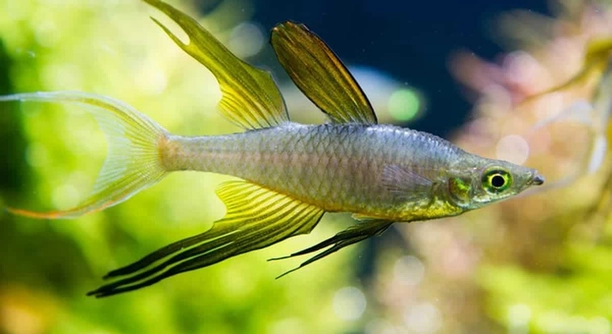
Do you ever find yourself setting up a beautiful aquarium, only to notice your threadfins hiding more often than you expected? Creating the right environment for them can be tricky, especially when certain decorations unknowingly trigger stress and shyness.
The main reason tank décor may cause threadfins to hide is due to stress factors such as sharp edges, excessive clutter, poor placement, or overly bright decorations. These elements disrupt their natural behavior, increasing hiding tendencies and reducing comfort.
Understanding which décor items may contribute to this behavior will help you create a calmer and healthier environment for your threadfins.
Sharp or Jagged Decorations
Sharp or jagged decorations may look interesting, but they can make threadfins feel unsafe. These fish are naturally cautious and prefer smooth surfaces they can swim around without risk of injury. Even small nooks with rough edges can cause them to retreat, hiding behind other objects instead of exploring their tank. When choosing decorations, consider smooth stones, polished wood, or resin ornaments designed for aquariums. Avoid anything with pointed edges that could scratch or stress your fish. It’s not only about safety but also about building a calm environment. Fish exposed to constant risk tend to hide more often and may eat less. Even temporary changes can affect their behavior, so keep this in mind when rearranging your tank. Consistency and gentle textures are key. Observing how your threadfins react after adding decorations can help identify which pieces are causing stress and guide future choices for a healthier tank.
Sharp decorations increase hiding behavior by presenting a risk of injury, which threadfins naturally avoid.
Using smooth, natural-feeling items helps maintain a calm, stress-free environment. Selecting polished wood or soft stones can encourage exploration and reduce hiding tendencies in your aquarium.
Overcrowded Tanks
Overcrowded tanks limit space for threadfins to swim freely.
Too many decorations or plants can make the tank feel cramped, reducing open swimming areas. Threadfins are schooling fish that need space to move, and clutter can make them feel trapped. When planning the tank layout, keep at least half the tank open for swimming. Avoid stacking items too closely or placing large structures near the surface where they restrict movement. Some threadfins may hide more often when their territory feels confined or when they cannot easily escape perceived threats. Proper spacing of décor allows the fish to choose hiding spots while still having room to swim. This balance between shelter and open space reduces stress and supports healthy activity. Choosing fewer, well-placed decorations over many small items creates a more natural-feeling habitat, allowing your threadfins to explore safely. Consistently observing their behavior after changes helps ensure the tank remains comfortable.
Bright or Reflective Decorations
Bright or reflective decorations can startle threadfins and make them hide more often. Mirrors, shiny surfaces, or overly colorful ornaments can confuse them, triggering stress and avoidance behavior in the tank.
Threadfins are sensitive to light and reflections. When decorations reflect tank lighting or outside sunlight, they can create sudden flashes or visual distractions that make the fish anxious. Even subtle reflections from polished stones or glass ornaments may cause them to dart into hiding. Choosing muted colors or matte finishes helps reduce these visual stressors. Positioning decorations to avoid direct reflection of lights and windows allows threadfins to feel secure. It’s important to balance aesthetics with their comfort, as constant exposure to bright, reflective surfaces can alter feeding and swimming patterns. Over time, a calmer environment encourages exploration rather than retreating behind decorations.
Maintaining low-reflective surfaces and avoiding high-contrast decorations encourages natural behavior. Threadfins respond better to soft colors and smooth textures, helping them feel safe while swimming freely.
Tall or Dense Plants
Tall or dense plants can provide hiding spaces, but they can also overwhelm threadfins if overused. Too many tall plants reduce open swimming areas, causing stress and frequent hiding.
When arranging plants, spacing is crucial. Threadfins need both shelter and open water. Dense plant clusters may make them feel trapped, while sparse arrangements leave them exposed. A balanced mix of low and medium-height plants offers security without limiting swimming freedom. Artificial plants with rigid structures can also block lines of sight, increasing hiding tendencies. Observing how your threadfins navigate the planted areas helps identify if they are comfortable or avoiding certain sections. Proper pruning and selective placement ensure the plants serve as safe zones rather than obstacles. Maintaining pathways between plants allows threadfins to explore while retreating when necessary, reducing stress-related hiding behavior.
Strategically placing plants ensures threadfins have both protection and freedom. Using medium-height clusters with clear swimming paths balances security with exploration.
Large or Heavy Ornaments
Large or heavy ornaments can intimidate threadfins, causing them to hide more frequently. These items may dominate the tank, leaving little space for swimming and creating shadows that make fish feel unsafe.
Threadfins prefer open areas with accessible hiding spots. Overly big decorations reduce their freedom, forcing them into corners or behind other objects. It’s better to choose moderately sized ornaments that provide shelter without overwhelming the tank’s layout. Properly anchored items prevent accidental tipping, which could scare the fish. Selecting lightweight, stable pieces ensures the tank feels secure and encourages normal swimming patterns. Avoid placing large decorations in narrow sections, as this can block pathways and restrict movement. Maintaining balance between decoration and free space helps threadfins feel confident and reduces hiding behavior.
Transparent or Glass Items
Transparent or glass items can confuse threadfins by distorting visual cues in the tank. They may perceive reflections or see-through spaces as potential threats, increasing hiding tendencies.
Overly Dark Substrates
Dark substrates can make threadfins feel hidden but also isolated. Excessively dark gravel or sand may reduce visibility, increasing stress and causing frequent retreats into corners.
FAQ
Why do threadfins hide after I add new decorations?
Threadfins are sensitive to changes in their environment. New decorations can create unfamiliar spaces, shadows, or sharp edges that make them feel unsafe. It may take several days for them to adjust and explore the tank again. Gradually introducing decorations and observing their reactions can reduce stress.
Can shiny decorations stress my threadfins?
Yes. Shiny or reflective decorations can create flashes or reflections that confuse threadfins. These visual distractions can trigger hiding behavior. Choosing matte or muted decorations helps maintain a calm environment and encourages natural swimming and exploration.
Are large ornaments bad for threadfins?
Large ornaments can limit swimming space and dominate the tank, causing threadfins to feel trapped. Opt for medium-sized, lightweight decorations that provide shelter without blocking movement. Properly placing these items helps maintain open swimming areas while offering safe hiding spots.
Do dense plants make threadfins feel safer or more stressed?
It depends on placement. Dense plant clusters can offer hiding spots but may also restrict swimming paths and reduce visibility, which increases stress. Using a mix of low, medium, and spaced-out plants provides security while keeping open areas for movement.
Will dark substrates affect threadfins’ behavior?
Excessively dark substrates can create a sense of isolation. While threadfins may feel hidden, too much darkness reduces visibility and can increase anxiety. Lighter or medium-toned substrates help balance security and awareness, encouraging normal activity.
Can threadfins get used to bright lights or flashy decorations?
Threadfins may adjust over time, but sudden exposure to bright lights or flashy decorations can initially trigger hiding. Gradually introducing light changes and selecting softer, non-reflective décor minimizes stress and supports comfort.
How can I tell if a decoration is causing stress?
Signs include frequent hiding, reduced swimming, slower feeding, and sudden darting movements. Observe their behavior before and after adding new items. Removing or repositioning suspicious décor can help identify the stress source.
Are artificial decorations better than natural ones?
Both have pros and cons. Natural wood or smooth stones create a familiar environment but may degrade over time. Artificial items are durable and safe if non-toxic and smooth. The key is choosing pieces that do not restrict swimming or cause anxiety.
Is it better to have fewer decorations or many for threadfins?
Fewer, well-placed decorations generally work best. Overcrowding reduces open swimming space and can overwhelm threadfins. Strategic placement of a few items balances hiding spots with room to explore, reducing stress and encouraging natural behavior.
Can repositioning decorations improve threadfin comfort?
Yes. Rearranging items to provide open paths, clear sightlines, and safe hiding areas can reduce stress. Regularly evaluating tank layout and observing fish behavior ensures threadfins feel secure while still having freedom to swim and explore.
How long does it take for threadfins to adjust to a new tank setup?
Adjustment varies by fish. Some threadfins may explore within a few hours, while others take several days to feel comfortable. Gradual introduction of new decorations, consistent lighting, and minimal sudden changes help them acclimate faster.
Should I remove decorations if threadfins hide too much?
Not necessarily. Instead, evaluate the decorations for size, shape, reflectivity, or placement. Adjusting or replacing items with smoother, smaller, or better-positioned pieces usually resolves stress without removing all décor.
Do threadfins prefer natural hiding spots over artificial ones?
Many threadfins respond well to natural elements like smooth wood, rocks, or plants because they mimic their natural habitat. However, safe artificial decorations can also work if they provide similar protection and do not cause visual or spatial stress.
Can substrate texture affect hiding behavior?
Yes. Rough or sharp substrate can discourage bottom swimming and cause retreating behavior. Smooth sand or rounded gravel provides a safe environment, encouraging natural exploration and reducing stress-induced hiding.
What is the most important factor to prevent hiding in threadfins?
Balance. Providing safe hiding spots while keeping sufficient open space, avoiding sharp or reflective decorations, and maintaining consistent lighting and water conditions are key to creating a stress-free environment where threadfins feel secure and active.
Threadfins are sensitive fish that respond strongly to their environment. Even small changes in decorations, lighting, or tank layout can influence their behavior. Observing their reactions is important because frequent hiding is often a sign of stress rather than normal activity. Creating a tank that feels safe and comfortable requires attention to detail. Smooth surfaces, well-placed plants, and moderate-sized ornaments help threadfins feel secure without limiting their swimming space. Avoiding overly bright, reflective, or sharp items reduces unnecessary stress and encourages natural exploration. Over time, small adjustments can make a big difference in their comfort and overall well-being. By paying attention to their needs, you can help threadfins thrive in a tank that feels familiar and safe.
Maintaining balance is the key to a healthy aquarium environment. Threadfins need both open areas and hiding spots to feel secure. Overcrowded tanks or decorations that dominate the space often cause them to retreat too often, which can affect feeding and activity levels. Even natural-looking items, if improperly sized or placed, may increase stress. Observing how your fish interact with each section of the tank allows you to identify problem areas. Adjusting decorations gradually rather than all at once helps them adapt more easily. Consistent water conditions, proper lighting, and thoughtful placement of decorations all work together to support their comfort. By combining careful observation with strategic adjustments, threadfins are more likely to explore confidently and display healthier, more active behavior.
Creating a tank that supports threadfins’ natural behavior is both practical and rewarding. Smooth substrates, non-reflective ornaments, and a mix of plant heights allow them to explore safely while providing shelter when needed. Avoiding sudden changes and overcrowding ensures they do not feel threatened. Every tank is unique, so learning how your threadfins respond to each decoration and layout is important. Over time, this knowledge helps you make choices that promote both aesthetics and fish welfare. A well-thought-out setup not only minimizes hiding behavior but also supports feeding, social interaction, and long-term health. Paying attention to the details and making gradual improvements can transform a standard aquarium into a comfortable, engaging habitat where threadfins can thrive naturally.

Hello,
If you enjoy the content that we create, please consider saying a "Thank You!" by leaving a tip.
Every little bit helps us continue crafting quality advice that supports the health, happiness, and well-being of pets around the world, for pets of all shapes, sizes, and species.
We really appreciate the kindness and support that you show us!