
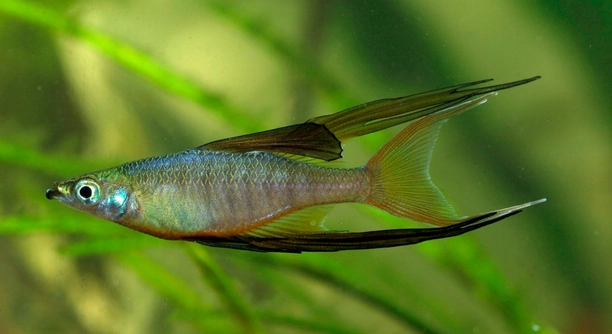
Have you ever noticed your threadfin rainbowfish pausing mid-water, as if unsure where to go next? These small, shimmering fish often exhibit this floating behavior, which can be both fascinating and a little puzzling to observe in an aquarium.
Threadfin rainbowfish hover mid-water primarily due to buoyancy adjustments and environmental awareness. By regulating their swim bladder and responding to water flow or nearby activity, they maintain stability and conserve energy while navigating their aquatic surroundings.
Watching their subtle movements can reveal a lot about their health and comfort, providing insight into creating a better environment for these vibrant fish.
Understanding Mid-Water Hovering
Threadfin rainbowfish often hover mid-water as a natural part of their behavior. They use this position to monitor their surroundings, check for food, and avoid stress. In my own tank, I’ve noticed that when the lighting changes or other fish move quickly, these rainbowfish pause mid-water more frequently. This floating behavior helps them conserve energy while staying alert. Their swim bladder plays a key role, allowing them to fine-tune buoyancy. Proper diet and water conditions also influence how often they hover, as fish that feel secure and well-fed display more natural movement. Watching them, you can see subtle adjustments in their fins and tail as they stabilize themselves. It’s a gentle reminder that even small actions in fish can indicate comfort, stress, or curiosity. Observing these behaviors closely can improve care and ensure the fish remain healthy and active.
Hovering is mostly a sign of normal activity and balance, rather than a problem in the aquarium.
Consistent water temperature, proper tank size, and a calm environment support stable hovering. By ensuring clean water and minimal sudden disturbances, rainbowfish feel secure and can regulate their position naturally. I’ve found that small decorations or plants help them orient themselves mid-water, reducing sudden floating or darting. Feeding at regular times also encourages predictable movement, making the hovering appear intentional rather than anxious. Over time, these subtle behaviors reflect overall well-being. Keeping an eye on their positioning and energy levels can help identify early signs of stress or illness. With patience, observing mid-water hovering becomes an enjoyable way to understand their habits and maintain a healthy, balanced tank environment.
Environmental Influences on Behavior
Water currents, lighting, and tank size all affect hovering frequency in threadfin rainbowfish. Small adjustments in the tank setup can make a noticeable difference in their mid-water activity.
Strong currents or uneven lighting often make rainbowfish hover more as they adjust to maintain stability. In larger tanks, mid-water hovering may be less frequent because they have more space to swim freely. Sudden movements or noise outside the tank can startle them, prompting brief pauses in mid-water. Plants and decorations provide visual reference points, reducing stress and allowing more fluid movement. Even subtle changes in water chemistry, such as pH or hardness, can influence how they position themselves. Observing these factors closely helps create a comfortable environment. Regular maintenance, gradual lighting changes, and consistent feeding schedules all support natural hovering behavior. By paying attention to these environmental cues, you can better understand why your rainbowfish hover and ensure their behavior reflects health rather than discomfort. Adjusting the tank thoughtfully promotes both physical stability and a sense of security for these lively fish.
Diet and Energy Levels
Balanced feeding affects how often threadfin rainbowfish hover mid-water. Fish with regular, moderate meals tend to move confidently, while irregular feeding can lead to more hovering as they conserve energy.
Overfeeding or underfeeding can disrupt natural buoyancy and energy levels. In my experience, when I fed too much at once, the rainbowfish became sluggish, hovering more than usual. Smaller, frequent meals allow them to stay active and maintain mid-water positioning comfortably. Protein-rich food helps support muscle control for swimming, while occasional vegetable matter aids digestion. Feeding at consistent times also creates a rhythm in their activity, reducing anxious or sudden hovering. Watching their energy levels after feeding gives insight into whether their diet meets their needs, helping me adjust portions or type of food. Over time, balanced feeding correlates strongly with smooth, controlled hovering and overall liveliness in the tank.
I noticed that during feeding, the rainbowfish often briefly hover mid-water before darting for food. This pause is a natural response, letting them assess the situation. Maintaining consistent feeding routines has made this behavior predictable and less erratic, reflecting better energy balance and comfort in their environment.
Social Behavior and Interaction
Rainbowfish often hover mid-water in response to other tank mates. Social dynamics, including presence of more active or dominant fish, influence positioning and movement patterns. Calm groupings encourage stable hovering, while aggressive companions can cause sudden bursts or cautious pauses.
In my tank, the threadfin rainbowfish hover near each other to maintain visual contact and avoid confrontation. Schooling instincts drive this behavior, helping them feel secure while monitoring surroundings. When other fish dart quickly or chase, the rainbowfish adjust by hovering mid-water to stabilize and decide their next move. Adding sufficient hiding spots and balanced group sizes reduces tension, leading to more relaxed hovering. Social interactions are subtle but crucial, affecting not only mid-water behavior but overall stress levels. Observing these patterns has helped me understand which fish pairings work best and how environmental adjustments, like extra plants or open swimming space, can improve both social comfort and natural movement in the tank.
Tank Setup and Space
The amount of open swimming space influences mid-water hovering. Threadfin rainbowfish hover more in smaller or cluttered tanks to avoid obstacles and maintain stability.
Adding plants and decorations thoughtfully helps them feel secure. Too many items can restrict movement, increasing hovering as they navigate carefully around their environment.
Lighting and Water Conditions
Consistent lighting and clean water are key for stable hovering. Sudden changes in brightness or poor water quality make rainbowfish pause mid-water to adjust. In my tank, I observed that gradual lighting changes and regular water maintenance significantly reduced erratic floating. Stable conditions allow the fish to move smoothly, respond naturally to currents, and maintain buoyancy without stress. Temperature and pH levels also play a role, as variations can temporarily affect energy and balance. Monitoring these conditions ensures that hovering reflects normal behavior rather than discomfort. Over time, maintaining consistent water quality encourages predictable and healthy mid-water movement, improving overall tank harmony.
Stress and Health Indicators
Hovering can signal mild stress or health changes. Observing their mid-water behavior helps detect early signs before visible illness appears.
FAQ
Why does my threadfin rainbowfish hover mid-water more than usual?
Mid-water hovering is often normal, but sudden increases may indicate stress, changes in water quality, or dietary imbalances. In my experience, when the tank temperature shifted slightly, the fish paused mid-water more frequently. Monitoring water parameters and feeding routines usually helps reduce this behavior.
Is hovering a sign of illness?
Not always. Occasional hovering is normal for energy conservation and environmental awareness. However, prolonged hovering combined with clamped fins, faded colors, or lethargy can signal health issues. Observing behavior over several days is important before assuming illness. Early detection allows timely intervention.
Can tank size affect hovering?
Yes. Smaller tanks or overly cluttered setups often cause fish to hover mid-water to navigate obstacles. I noticed that when I reorganized decorations, the rainbowfish moved more freely and hovered less. Open spaces allow better swimming patterns and natural positioning.
Do other fish influence hovering behavior?
Absolutely. Social dynamics impact mid-water activity. Threadfin rainbowfish adjust their positioning based on tank mates’ movements. Aggressive or overly active fish can cause cautious hovering, while calm companions promote stable swimming. Observing interactions helps identify which combinations work best.
Does diet play a role in hovering?
Balanced feeding supports energy levels and buoyancy. Irregular feeding or overfeeding can increase mid-water pauses. I switched to smaller, frequent meals, which improved activity and reduced hovering. Protein-rich food supports muscle control, while vegetables aid digestion, contributing to smoother movements.
How do lighting and water conditions affect hovering?
Sudden changes in brightness or poor water quality make rainbowfish hover to stabilize themselves. Gradual lighting adjustments and clean, balanced water reduce erratic pauses. Maintaining consistent temperature and pH allows the fish to respond naturally to currents and maintain comfortable mid-water positioning.
Are decorations and plants important for hovering behavior?
Yes. Thoughtful placement of plants and decorations provides visual reference points. Too many obstacles increase cautious hovering, while sparse setups allow free movement. I found that adding tall plants near open areas encourages safe mid-water hovering without restricting swimming paths.
Should I worry if my fish hover near the surface?
Occasional surface hovering can be normal, often related to feeding or curiosity. Persistent hovering near the surface, gasping, or rubbing against objects may indicate low oxygen or other water issues. Testing and correcting tank conditions usually resolves the problem.
How can I tell if hovering is normal or stress-related?
Normal hovering is brief, coordinated, and occurs with active swimming. Stress-related hovering is often prolonged, erratic, or paired with signs like clamped fins, rapid gill movement, or color changes. Watching patterns over time helps differentiate between natural behavior and early warning signs.
Can temperature fluctuations affect mid-water hovering?
Yes. Even small shifts in temperature can alter buoyancy and energy levels, leading to increased hovering. I observed that keeping a stable heater setting reduced sudden pauses. Consistent temperature supports normal swimming and natural positioning in the tank.
Is it necessary to adjust feeding if hovering increases?
Adjusting feeding can help. If hovering appears linked to energy imbalance, smaller, frequent meals often stabilize behavior. Overfeeding may cause sluggish hovering, while underfeeding can make fish pause mid-water more to conserve energy. Monitoring reactions after feeding is key.
Do all threadfin rainbowfish hover the same way?
Individual behavior varies. Some are more active, while others naturally pause mid-water more. Observing each fish over time allows you to understand their baseline behavior, helping identify unusual changes and respond appropriately to environmental or health factors.
Can I use hovering as an indicator of overall tank health?
Yes. Changes in hovering patterns often reflect water quality, social dynamics, or environmental conditions. I pay attention to subtle shifts in movement, which often indicate adjustments needed in water maintenance, lighting, or feeding schedules, helping maintain a healthy and stable tank.
How long should I monitor hovering before taking action?
Observe over several days to a week. Temporary increases often relate to minor changes or routine adjustments. Persistent or worsening hovering, combined with other behavioral signs, warrants closer inspection of water, diet, and health to prevent long-term stress or illness.
Does mid-water hovering affect growth or development?
Hovering itself doesn’t harm growth. However, if it reflects stress, poor water quality, or inadequate nutrition, it can indirectly affect health. Ensuring balanced conditions supports proper development, while prolonged stress may stunt growth or reduce activity levels.
Can hovering indicate readiness to breed?
Sometimes. Threadfin rainbowfish may hover during courtship or when selecting spawning sites. Observing paired behavior and interactions with other fish can indicate reproductive activity. Providing suitable breeding areas encourages natural behavior while maintaining normal mid-water hovering patterns.
How can I encourage healthy hovering behavior?
Stable water conditions, consistent feeding, proper tank layout, and compatible tank mates encourage normal mid-water behavior. In my tank, small adjustments like adding plants for orientation and regulating lighting made hovering appear natural, calm, and part of their typical swimming routine.
Are there seasonal changes that affect hovering?
Minor seasonal shifts in room temperature or light cycles can influence activity. Gradual adjustments and monitoring ensure mid-water behavior remains consistent. Sudden changes may temporarily increase hovering as fish adapt to environmental variations.
What signs mean I should seek veterinary advice?
Prolonged, erratic hovering with clamped fins, discoloration, rapid gill movement, or inactivity warrants professional attention. Early consultation ensures proper diagnosis and treatment, preventing serious illness and maintaining overall tank health.
Is it normal for younger fish to hover more than adults?
Yes. Juvenile threadfin rainbowfish often hover more to conserve energy and learn their environment. Adults usually swim more confidently. Monitoring both age groups helps ensure behavior reflects natural growth rather than stress or environmental issues.
Can mid-water hovering be used to monitor tank improvements?
Absolutely. After changes in water, diet, or tank layout, observing hovering provides insight into comfort and adaptation. In my tank, improved conditions reduced erratic hovering, confirming that adjustments positively impacted fish well-being and environmental stability.
Does stress from handling increase hovering?
Yes. Sudden netting or moving fish temporarily increases mid-water hovering. Allowing a calm recovery period and minimal disturbance restores natural behavior. Gentle, consistent care encourages confidence and reduces stress-related pauses.
How long do threadfin rainbowfish typically hover in a session?
Sessions usually last seconds to a few minutes, depending on activity, social interactions, or feeding. Extended hovering combined with inactivity may indicate stress, poor water conditions, or health concerns, requiring observation and possible intervention.
Can observing hovering help with breeding success?
Yes. Recognizing natural mid-water patterns helps identify healthy, stress-free fish ready for spawning. Calm, consistent hovering indicates proper environmental conditions, which support breeding and successful development of fry in the tank.
Do environmental enrichments reduce hovering?
Yes. Plants, hiding spots, and visual landmarks reduce cautious hovering and encourage natural swimming. Thoughtful tank arrangement improves confidence, making mid-water hovering appear intentional and less anxious, reflecting a healthy environment.
How often should I check water quality to support healthy hovering?
Regularly, at least once a week. Stable temperature, pH, and clean water directly influence buoyancy and behavior. Monitoring water parameters ensures hovering reflects normal activity rather than responses to poor conditions.
Is hovering more noticeable in solitary fish?
Yes. Fish kept alone may hover mid-water to compensate for lack of schooling, using visual cues from decorations or tank edges. Grouped rainbowfish often exhibit coordinated hovering, reducing pauses as they rely on social signals for orientation.
Can excessive hovering indicate overcrowding?
Yes. Overcrowded tanks increase stress, causing fish to pause mid-water more frequently. Adequate space and compatible group sizes reduce erratic hovering and support natural swimming patterns, improving overall tank health and behavior.
Does tank temperature affect hovering at night?
Temperature drops at night can influence buoyancy and activity, sometimes increasing hovering temporarily. Consistent heating and monitoring help maintain predictable night-time behavior, ensuring mid-water pauses reflect normal rest rather than stress or discomfort.
Are there signs that indicate hovering is linked to fear?
Rapid mid-water pauses, darting when approached, or clustering near tank edges often indicate fear. Observing patterns, adjusting tank layout, and minimizing disturbances help reduce anxiety-related hovering, allowing normal, relaxed movement.
Can hovering indicate nutrient deficiencies?
Yes. Inadequate nutrition can cause fatigue, leading to increased mid-water hovering. Balanced feeding with appropriate protein and vegetable content ensures energy for smooth swimming and proper buoyancy, reflecting healthy behavior rather than dietary stress.
Do seasonal lighting changes influence hovering patterns?
Gradual changes in day length or brightness can affect mid-water activity. Rainbowfish adjust to light cues, and sudden shifts may temporarily increase hovering. Maintaining consistent lighting schedules helps stabilize behavior and supports natural swimming patterns.
Is mid-water hovering different for males and females?
Yes. Males may hover to display dominance or attract females, while females hover more cautiously. Observing these differences helps understand social dynamics and breeding behavior in a shared tank environment.
Can observing hovering prevent future tank issues?
Yes. Mid-water behavior is a useful indicator of comfort, social harmony, and environmental quality. Regular observation helps identify minor problems early, allowing adjustments to water, diet, or tank setup before serious issues arise, maintaining a healthy and balanced aquarium ecosystem.
Does hovering change with age?
Yes. Younger fish hover more to learn their environment, while adults move confidently. Watching these changes helps track growth, energy levels, and adaptation to tank conditions, ensuring healthy development over time.
Are there common mistakes that increase hovering?
Frequent sudden disturbances, inconsistent feeding, overcrowding, poor water quality, and abrupt lighting changes all increase hovering. Addressing these factors supports natural movement, reduces stress, and improves overall behavior and tank health.
How can I track hovering patterns effectively?
Keep a simple log noting times, duration, and conditions during hovering. I found that recording behavior after feeding, water changes, or tank adjustments helps identify trends, allowing targeted interventions to maintain comfort and stability for my rainbowfish.
Does mid-water hovering affect swimming skills?
No. Hovering is part of normal movement and energy management. It allows fish to practice balance, monitor surroundings, and conserve energy without hindering overall swimming ability. Proper tank setup ensures this behavior supports healthy activity rather than limiting mobility.
Can hovering behavior predict aggression?
Yes. Sudden mid-water pauses near other fish can signal caution before confrontation. Observing these cues helps manage social dynamics and prevent stress or injury by adjusting tank mates or providing hiding spaces.
Is it normal for hovering to increase temporarily?
Yes. Short-term increases can result from environmental changes, feeding, or minor stress. I’ve seen temporary hovering rise after water changes, but it returned to normal once the fish adjusted, showing adaptation rather than a problem.
Do hovering patterns differ between indoor and outdoor tanks?
Yes. Outdoor tanks may expose fish to varying light, temperature, and noise, temporarily affecting mid-water behavior. Indoor tanks allow more consistent conditions, stabilizing hovering patterns and making behavior more predictable.
Can hovering indicate curiosity?
Yes. Pauses mid-water often allow fish to observe surroundings. I’ve noticed rainbowfish hovering near new decorations or reflections, showing interest rather than stress. Providing enrichment encourages natural, controlled hovering.
Is it normal for fish to hover in groups?
Yes. Schooling species often hover together to maintain visual contact and coordinate movement. Group hovering provides security and helps individuals navigate the tank confidently, reflecting healthy social interaction.
How do I differentiate normal hovering from stress-induced hovering?
Normal hovering is brief, coordinated, and consistent with active swimming. Stress-induced hovering is prolonged, erratic, and may accompany clamped fins, color changes, or rapid gill movement. Observing context and behavior patterns over time helps make accurate distinctions.
Does tank maintenance influence hovering frequency?
Yes. Regular cleaning, water changes, and monitoring water parameters reduce stress-related hovering. In my experience, consistent maintenance encourages predictable mid-water activity, indicating healthy environmental conditions and comfort for the fish.
Are there visual cues that accompany hovering?
Yes. Slight fin adjustments, tail flicks, and subtle body tilts often accompany mid-water hovering. Observing these cues helps assess buoyancy control, energy levels, and overall comfort in the tank, offering insight into fish behavior beyond mere position.
Can hovering help detect tankmates’ health?
Yes. Changes in one fish’s hovering can influence others, as rainbowfish monitor each other. Observing interactions can reveal early signs of stress, disease, or aggression, allowing timely adjustments to tank conditions or group composition.
Do all tank setups allow natural hovering?
No. Tanks that are too small, overcrowded, or poorly decorated can restrict mid-water movement. Ensuring adequate space, visual landmarks, and compatible companions supports normal hovering behavior and reduces stress-induced pauses.
Is hovering behavior consistent over time?
Generally, yes, if environmental conditions and diet are stable. Temporary variations can occur due to feeding, water changes, or social dynamics, but consistent care ensures predictable and healthy mid-water activity in threadfin rainbowfish.
Can hovering be influenced by human activity near the tank?
Yes. Sudden movements, tapping, or loud noises can increase mid-water pauses as fish respond to perceived threats. Minimizing disturbances allows natural hovering behavior and reduces stress in the aquarium environment.
Does hovering have a role in energy conservation?
Yes. By pausing mid-water, fish conserve energy while monitoring their surroundings. This behavior is especially noticeable after feeding, during rest periods, or when adjusting to minor environmental changes, reflecting an adaptive survival strategy.
How do I ensure mid-water hovering remains natural?
Maintain stable water quality, appropriate diet, suitable tank mates, and thoughtful tank layout. Consistent conditions and minimal disturbances support natural mid-water pauses, allowing threadfin rainbowfish to express normal swimming and social behaviors without stress.
Can hovering indicate readiness to explore new areas?
Yes. Threadfin rainbowfish often hover briefly before moving to new regions of the tank. This cautious behavior allows them to assess safety and surroundings before active exploration, showing natural curiosity balanced with caution.
Are there tools to measure hovering patterns?
Simple observation logs or video recordings work well. Tracking duration, frequency, and environmental factors provides insight into normal versus stress-related hovering, helping identify patterns and supporting tank management decisions.
Can mid-water hovering predict fish adaptability?
Yes. Fish that hover appropriately while responding to environmental changes demonstrate good adaptability. In my tank, consistent but brief mid-water pauses indicated confidence and successful adjustment to new decorations or minor water changes.
Is it normal for hovering to vary by time of day?
Yes. Activity levels fluctuate with feeding times, light cycles, and energy needs. Hovering may increase briefly during low activity periods, reflecting normal rest or observation rather than stress.
Can observing hovering reduce long-term stress?
Yes. Monitoring mid-water behavior helps identify subtle environmental or social stressors early. By making adjustments to water quality, tank layout, or feeding routines, hovering can reflect comfort rather than anxiety, supporting long-term fish well-being.
Does hovering differ between captive-bred and wild-caught fish?
Captive-bred rainbowfish often adapt more quickly to tank conditions, showing predictable hovering. Wild-caught fish may hover more cautiously at first, reflecting adjustment to a controlled environment. Observing their behavior helps ensure proper acclimation and care.
Can hovering patterns indicate readiness for feeding?
Yes. Fish may hover mid-water briefly before moving to food. Recognizing this pattern helps anticipate mealtime and assess appetite, providing insight into energy levels and dietary needs without stress.
Is hovering more common in certain tank positions?
Yes. Mid-water near plants, decorations, or open areas often sees more hovering. Fish use these spots for orientation, safety, and energy conservation, balancing security with mobility.
How do I distinguish hovering from floating due to illness?
Floating from illness often appears uncontrolled, lethargic, or accompanied by clamped fins, bloating, or irregular swimming. Natural hovering is brief, coordinated, and responsive to surroundings. Observing posture, fin movement, and context helps distinguish the two.
Can temperature or pH swings cause long-term changes in hovering?
Frequent fluctuations may lead to persistent stress, affecting mid-water behavior. Maintaining stable conditions ensures hovering reflects natural energy conservation rather than chronic environmental stress.
Does mid-water hovering indicate intelligence or learning?
Yes. Pausing mid-water allows observation and decision-making, reflecting problem-solving and environmental awareness. I’ve noticed my rainbowfish hover near new objects before exploring, demonstrating adaptive behavior and cautious learning.
Can hovering indicate compatibility with tank mates?
Yes. Fish that hover comfortably around companions are likely well-matched. Excessive or erratic hovering may signal stress or social tension, suggesting adjustments in group composition or tank layout.
Is hovering affected by water flow?
Yes. Strong currents make fish hover to stabilize themselves, while gentle flow encourages natural swimming. Adjusting flow to match species needs supports mid-water control and reduces energy strain.
How do I know if hovering is simply exploration?
Brief, coordinated pauses near new objects or areas usually indicate curiosity. Watching reactions to other fish and environmental changes helps confirm that hovering is exploratory rather than stress-related.
Does hovering influence breeding success?
Yes. Calm, controlled hovering often indicates comfort, social balance, and environmental stability, all of which support successful courtship and spawning in threadfin rainbowfish.
Can hovering be a sign of overstocking?
Yes. Increased mid-water pauses may indicate overcrowding and stress. Ensuring proper tank size, group balance, and hiding spots reduces stress-induced hovering and improves overall health and behavior.
Are there seasonal differences in hovering due to light or temperature?
Minor seasonal changes in natural light or room temperature can temporarily affect mid-water activity. Gradual adjustments and monitoring help maintain consistent, stress-free hovering patterns.
How does hovering relate to energy conservation during low activity periods?
Mid-water pauses allow fish to conserve energy while remaining aware of their environment. This is especially common after feeding, during rest, or when adjusting to minor tank changes. It’s a natural adaptation rather than a health concern.
Can hovering indicate fear of sudden movements or shadows?
Yes. Sudden visual stimuli often trigger brief mid-water pauses. Minimizing abrupt movements around the tank supports natural hovering without causing unnecessary stress.
Does water hardness influence hovering behavior?
Yes. Water chemistry affects buoyancy and muscle function. Stable hardness supports controlled mid-water positioning, while sudden changes may temporarily increase hovering as fish adjust.
Is it normal for hovering to differ between individual fish?
Yes. Personality, age, and energy levels influence mid-water behavior. Some rainbowfish are naturally cautious, while others are more active. Observing individual patterns helps distinguish normal variation from environmental stress.
Can hovering indicate readiness to interact with new tank elements?
Yes. Pausing mid-water before approaching new objects allows assessment of safety and comfort. I often watch my rainbowfish hover briefly before exploring new plants or decorations, reflecting natural caution and curiosity.
Final Thoughts
Threadfin rainbowfish hovering mid-water is a common behavior that can tell us a lot about their comfort and well-being. Observing them carefully helps identify normal patterns versus potential concerns. In most cases, mid-water pauses are part of their natural behavior, used to conserve energy, monitor surroundings, and interact with other fish. From my own experience, these pauses are often subtle, involving slight fin adjustments or tail flicks, but they serve an important role in maintaining balance and stability. Watching their movement over time allows you to understand what is typical for your individual fish, as some are naturally more active while others hover more often.
Environmental factors play a major role in mid-water hovering. Tank size, decorations, lighting, water quality, and flow all affect how often and how long rainbowfish hover. In my tank, when I reorganized plants and left more open swimming space, the fish hovered less frequently and seemed more confident in their movement. Water conditions, including temperature, pH, and cleanliness, also influence behavior. Small fluctuations may temporarily increase hovering, while stable and consistent conditions encourage natural mid-water activity. Observing these patterns is useful because it not only helps identify minor environmental adjustments but also supports long-term fish health. Proper maintenance, consistent feeding, and careful attention to tank mates all work together to create a comfortable environment that allows hovering to remain a normal, healthy behavior rather than a sign of stress or illness.
Social interactions and diet also impact mid-water hovering. Threadfin rainbowfish are schooling fish and often use hovering to stay aware of their companions’ positions. Aggressive or overly active tank mates may cause cautious hovering, while calm companions promote natural swimming and stability. Feeding routines influence energy levels and buoyancy, with balanced, frequent meals helping maintain smooth movement and reducing unnecessary pauses. Overfeeding or underfeeding can disrupt energy levels and increase hovering. Watching how your fish respond to diet changes and group dynamics provides insight into their overall well-being. By paying close attention to mid-water behavior and the conditions that affect it, you can create a supportive environment that allows threadfin rainbowfish to thrive. Observing hovering over time is a simple yet effective way to monitor fish health, social comfort, and environmental stability, ensuring they remain active, healthy, and stress-free in your aquarium.

Hello,
If you enjoy the content that we create, please consider saying a "Thank You!" by leaving a tip.
Every little bit helps us continue crafting quality advice that supports the health, happiness, and well-being of pets around the world, for pets of all shapes, sizes, and species.
We really appreciate the kindness and support that you show us!