
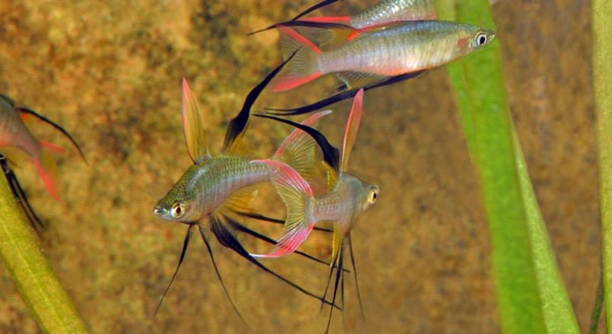
Do you ever find yourself worried that noisy aquarium equipment may be disturbing your threadfin rainbowfish, leaving them restless in their peaceful aquatic environment? A gentle, quiet filter can make a noticeable difference for their well-being.
The most effective way to avoid stressing threadfin rainbowfish is by choosing a filter designed for silent operation. These filters ensure stable water quality while minimizing disruptive vibrations and sound. Selecting a quiet system provides both proper filtration and a calmer environment.
Learning about the best filter options will help you create a stable tank while keeping your rainbowfish healthy and stress-free every day.
Sponge Filters
Sponge filters are among the quietest options available for aquariums. They use air-driven power to provide gentle filtration without creating strong currents. This makes them perfect for threadfin rainbowfish, as these fish thrive in calm, stable environments. The sponge material houses beneficial bacteria that maintain biological balance, while the air pump provides oxygenation. Although these filters are not powerful enough for heavily stocked tanks, they work very well for smaller aquariums. Maintenance is simple, requiring only a quick rinse in tank water to remove buildup. Their affordability and reliability also make them a practical choice for anyone who wants a peaceful setup.
Sponge filters are often overlooked, but they can create a comfortable and stress-free environment for sensitive species like threadfin rainbowfish.
When using sponge filters, it is helpful to pair them with a reliable air pump and air stone. This ensures bubbles are distributed evenly, reducing noise while increasing oxygenation. Threadfin rainbowfish will benefit from the softer water movement, which mimics their natural environment. In addition, sponge filters provide excellent surfaces for microorganisms, offering a natural source of food for your fish. Keeping these filters clean by rinsing them regularly helps maintain efficient performance. With consistent upkeep, sponge filters remain one of the best quiet solutions for a healthy and calm aquarium environment.
Internal Filters
Internal filters are another quiet option, placed directly inside the tank to save space. They provide mechanical and biological filtration while keeping noise levels low, which helps maintain the calm atmosphere threadfin rainbowfish need.
Internal filters are designed to be compact, efficient, and quiet. Many models come with adjustable flow rates, allowing you to control water movement based on your tank’s needs. This feature is especially useful for threadfin rainbowfish, as they are not comfortable in tanks with strong currents. The quiet motor design keeps sound at a minimum, while the filter sponges or cartridges maintain clear water. Installation is simple since the filter attaches inside the tank with suction cups, making it easy to remove for cleaning. They also reduce clutter outside the tank, leaving a cleaner appearance. Regular rinsing of the filter media ensures long-lasting performance. Overall, internal filters are an effective choice for keeping water clean while maintaining a peaceful and stress-free environment for threadfin rainbowfish.
Hang-On-Back Filters
Hang-on-back filters are popular because they balance quiet performance with strong filtration. They hang outside the aquarium, saving space inside the tank, and work efficiently without creating stressful noise or currents for threadfin rainbowfish.
These filters usually combine mechanical, biological, and chemical filtration in one compact system. The motor runs smoothly, keeping sound levels low. Many models also come with adjustable flow controls, letting you reduce the water movement to a gentler setting. This is especially beneficial for threadfin rainbowfish, which prefer calmer waters. Cleaning is simple, as cartridges or sponges can be replaced or rinsed quickly. Hang-on-back filters are also durable, offering long-term reliability with minimal effort. They suit medium-sized aquariums well, ensuring the water stays clear without disturbing the peaceful atmosphere your rainbowfish require.
When using hang-on-back filters, positioning them correctly helps reduce splashing and keeps noise low. It is best to keep the water level slightly higher to prevent dripping sounds. Some models include bio-wheels, which improve oxygenation but remain quiet during operation. Threadfin rainbowfish benefit from the stable water conditions these filters provide, and you will appreciate how easy they are to maintain. With consistent cleaning and proper placement, hang-on-back filters remain an excellent choice for quiet, reliable aquarium care.
Canister Filters
Canister filters are known for their strong performance while staying quiet. They are placed outside the aquarium, connected with intake and output tubes, which helps reduce noise inside the tank for threadfin rainbowfish.
These filters provide advanced mechanical, biological, and chemical filtration, making them suitable for larger tanks. Canister filters operate quietly because the motor is enclosed, limiting sound while ensuring powerful water circulation. They often come with customizable media trays, allowing you to adjust the filtration to your specific needs. This flexibility makes them useful for tanks housing delicate species like threadfin rainbowfish. Maintenance is less frequent compared to other filters, though it requires more effort when cleaning. The long-lasting performance and ability to keep water exceptionally clear make them a reliable choice for aquariums that need quiet and efficient care.
Undergravel Filters
Undergravel filters operate quietly by using an air pump or powerhead to pull water through the gravel bed. This provides biological filtration while keeping noise levels low, making them suitable for threadfin rainbowfish tanks.
They are easy to install and work well in smaller aquariums. While not as powerful as other filter types, they maintain water stability with little sound. Regular gravel vacuuming is needed to prevent buildup, ensuring long-term effectiveness.
Matten Filters
Matten filters are highly effective and quiet, relying on a thick foam wall for biological and mechanical filtration. They create gentle water movement, which is perfect for threadfin rainbowfish that prefer calmer environments. Maintenance is simple, requiring only periodic rinsing to keep the foam clean and functional.
Corner Filters
Corner filters combine air-driven power with compact design, fitting neatly into the tank’s corner. They work silently, offering sponge and media filtration while keeping water movement soft. This makes them a practical and quiet choice for rainbowfish aquariums.
FAQ
What makes a filter quiet for threadfin rainbowfish?
A filter is considered quiet if it minimizes motor vibrations, water splashing, and strong currents. Threadfin rainbowfish are sensitive to noise and turbulence, so using sponge, internal, or hang-on-back filters with adjustable flow ensures they remain calm and stress-free. Filters with enclosed motors or external placement also reduce sound inside the tank.
How often should I clean a quiet filter?
Cleaning frequency depends on the filter type and tank load. Sponge and matten filters may need rinsing every two to three weeks, while canister or hang-on-back filters may require monthly maintenance. Rinsing in tank water preserves beneficial bacteria and keeps the environment safe for rainbowfish.
Can I use a strong filter without stressing my rainbowfish?
Yes, if the flow rate is adjustable. Strong filters can circulate water efficiently, but threadfin rainbowfish prefer gentle currents. Lowering the flow or redirecting the output reduces stress. Using baffles or placing decorations near the outlet can also soften water movement.
Are air-driven filters better for quiet operation?
Air-driven filters like sponge and corner filters are excellent for quiet setups. They operate without motors inside the tank, producing minimal vibrations. The air bubbles provide oxygenation without excessive water movement, making them ideal for delicate species. These filters are also easy to maintain and cost-effective.
Will a quiet filter clean my tank effectively?
Yes, quiet filters can maintain clean water if properly sized for your aquarium. Mechanical media traps debris, biological media supports beneficial bacteria, and chemical media removes impurities. Selecting the right filter type ensures water clarity without introducing disruptive noise or currents that could stress your fish.
Can I combine different filters for better results?
Combining filters can enhance water quality while keeping noise low. For example, pairing a sponge filter with a small internal or hang-on-back filter balances biological and mechanical filtration. This approach ensures gentle water movement and stable conditions while maintaining a quiet environment for threadfin rainbowfish.
Do quiet filters require special placement?
Yes, placement affects both performance and noise. Hang-on-back and internal filters should sit securely to prevent vibrations. External filters should have tubing free from kinks. Keeping water levels consistent reduces splashing, and using gentle outlets directs flow away from rainbowfish areas, creating a calmer habitat.
How do I know if my fish are stressed by the filter?
Signs of stress include hiding, clamped fins, erratic swimming, or loss of appetite. If you notice these behaviors, check flow rate, filter position, and noise levels. Adjusting the filter or switching to a gentler type can improve their comfort and overall well-being.
Are quiet filters more expensive than standard filters?
Not necessarily. While some high-end models cost more due to advanced features, many quiet filters like sponge, corner, and matten filters are affordable. The key is selecting a filter appropriate for tank size and fish needs. Investing in a quieter filter benefits both fish health and tank tranquility.
Can I use quiet filters in planted tanks?
Yes, quiet filters are compatible with planted aquariums. Gentle water flow prevents plant damage and keeps substrate undisturbed. Sponge and internal filters are especially suited for planted setups, providing oxygenation and biological filtration without uprooting delicate plants or stressing the rainbowfish.
Do quiet filters require more maintenance than standard filters?
Not always. Maintenance depends on tank size, fish load, and filter type. Some quiet filters, like sponge or matten filters, need frequent rinsing but are easy to clean. Others, like canister filters, require less frequent cleaning but take more effort per session. Regular upkeep ensures optimal performance.
Can I modify a standard filter to make it quieter?
Yes, modifications like adding foam padding, adjusting water level, or reducing flow can reduce noise. Using baffles or directing the output against a tank wall also minimizes splashing. While these adjustments help, choosing a filter designed for quiet operation is often more effective for sensitive species like threadfin rainbowfish.
This FAQ addresses common concerns, helping maintain a calm, healthy environment for threadfin rainbowfish while keeping your aquarium quiet and stress-free.
Final Thoughts
Maintaining a calm and stress-free environment for threadfin rainbowfish begins with selecting the right filter. Quiet filters are essential because they reduce unnecessary noise and water turbulence that can disturb these delicate fish. Filters such as sponge, internal, and corner types provide gentle water flow while maintaining proper filtration, ensuring the tank remains clean and balanced. Choosing a filter designed for minimal vibration and soft water movement is an investment in the well-being of your fish, allowing them to swim naturally and remain healthy. The type of filter you select should match the size of your aquarium and the number of fish you keep, as proper filtration is essential for maintaining water quality and overall tank stability.
Regular maintenance is equally important to keep filters operating efficiently. Rinsing sponges, replacing cartridges, and checking flow rates prevent clogging and reduce strain on the filter. Using tank water for cleaning biological media preserves beneficial bacteria, which is crucial for breaking down waste and preventing spikes in harmful substances. Quiet filters are often easier to maintain because they are simple in design, but consistent attention ensures their performance does not decline over time. By keeping up with routine care, you can provide a peaceful environment where threadfin rainbowfish can thrive, and the aquarium remains visually clear and healthy. Filters that operate quietly also reduce stress on you, as maintenance is easier without the distraction of loud motors or splashing water.
Finally, understanding the behavior and preferences of threadfin rainbowfish helps when choosing and positioning filters. These fish prefer gentle currents and quiet surroundings, so placing the filter outlet in a location that minimizes strong flow is important. Adjusting flow rates or using accessories such as baffles can further reduce water movement without compromising filtration. Combining quiet filtration with proper tank setup, including plants and hiding spots, creates a stable and comfortable habitat. By prioritizing low-noise equipment and consistent maintenance, you support both the physical and mental health of your fish. Over time, quiet filters allow threadfin rainbowfish to display natural behaviors, feed properly, and live in an environment that closely resembles their natural habitat. Ensuring a balanced, quiet aquarium ultimately benefits both the fish and your overall enjoyment of the tank, providing a serene, well-maintained space that enhances the experience of keeping these beautiful freshwater species.

Hello,
If you enjoy the content that we create, please consider saying a "Thank You!" by leaving a tip.
Every little bit helps us continue crafting quality advice that supports the health, happiness, and well-being of pets around the world, for pets of all shapes, sizes, and species.
We really appreciate the kindness and support that you show us!