
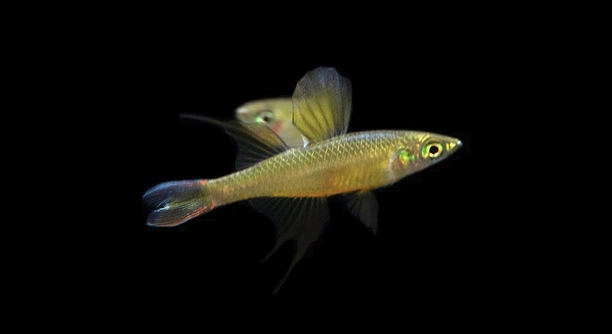
Do you ever notice your Threadfin Rainbowfish resting at the bottom of the tank instead of swimming around actively? Observing this behavior can be surprising, especially when your fish usually appear lively and energetic in their environment.
Threadfin Rainbowfish often rest on the substrate due to stress, water quality issues, or natural resting behavior. Insufficient oxygen, incorrect temperature, and illness are primary factors, while substrate resting can also indicate normal nocturnal or low-activity periods.
Understanding why your fish prefer the tank bottom helps maintain their health and ensures a balanced aquatic environment for long-term care.
Stress Factors Affecting Threadfin Rainbowfish
Threadfin Rainbowfish are sensitive to their surroundings, and stress can significantly influence their behavior. Changes in tank conditions, aggressive tank mates, or sudden environmental shifts often make them retreat to the substrate. Even minor disturbances, such as rearranging decorations or adding new fish, can trigger this response. Prolonged stress weakens their immune system, making them more susceptible to illness. Observing their body language, like clamped fins or rapid gill movement, can provide clues about their well-being. Ensuring stable water conditions, consistent lighting, and a calm environment helps reduce stress levels. Providing hiding spots and gentle interactions allows the fish to feel secure and encourages normal swimming behavior. Monitoring water parameters, including pH, temperature, and ammonia levels, is essential to prevent stress-related issues. By understanding these factors, you can create a supportive habitat that minimizes unnecessary substrate resting.
Regular monitoring and small environmental adjustments often restore normal activity within days.
Creating a stress-free environment requires consistency in care. Avoid sudden changes in temperature or pH, and limit tank disruptions. Introducing new tank mates gradually helps prevent territorial aggression. Observing your fish daily allows you to notice early signs of stress. Using plants, rocks, and caves provides natural hiding spots, which help fish feel safe. Ensuring proper nutrition with a balanced diet supports their resilience. Stress can also result from overcrowding, so maintaining an appropriate population density is critical. Avoid overfeeding, which can affect water quality, and regularly remove uneaten food. Gentle water flow and adequate oxygenation support overall comfort. By addressing stress proactively, you promote healthier, more active fish that spend less time resting on the substrate. Maintaining a calm, stable tank encourages natural behavior and reduces the likelihood of stress-related health problems.
Water Quality and Substrate Resting
Poor water quality can cause Threadfin Rainbowfish to stay near the tank bottom. Contaminants, uneven temperature, or low oxygen levels often drive this behavior.
Consistently testing and adjusting water parameters is crucial. Ammonia, nitrite, and nitrate levels should remain within safe ranges. Temperature fluctuations stress the fish, encouraging them to rest on the substrate. Proper filtration and regular water changes help maintain clean, oxygen-rich water. Using a substrate that does not trap debris reduces bacterial growth. Observing water clarity and surface activity indicates overall tank health. Maintaining stable conditions prevents sudden behavioral changes and supports the fish’s well-being. A well-managed environment encourages active swimming and reduces prolonged resting periods on the bottom. Clean water, consistent temperature, and adequate aeration collectively contribute to a healthier, more energetic fish population. Proper care and monitoring ensure that resting behavior remains a normal, brief part of their daily routine rather than a sign of underlying issues.
Illness and Health Concerns
Illness can make Threadfin Rainbowfish stay on the substrate. Lethargy, faded colors, or unusual swimming patterns often indicate health problems. Early detection is key to preventing serious conditions and promoting recovery.
Common illnesses include bacterial infections, parasites, and swim bladder issues. Bacterial infections often result from poor water quality or stress, leading to lethargy and loss of appetite. Parasites can cause rapid gill movement, scratching, or isolation. Swim bladder disorders affect buoyancy, making fish sink to the bottom. Observing behavior carefully and isolating affected fish helps prevent disease spread. Providing proper nutrition and maintaining optimal water conditions support immune function, allowing recovery. Prompt treatment with appropriate medications or adjustments in tank conditions is often necessary. Monitoring all tank inhabitants ensures early intervention and reduces long-term risks to the fish population.
Maintaining a consistent care routine can prevent many common illnesses. Regular observation, water testing, and dietary management play essential roles in sustaining healthy, active fish.
Natural Resting Behavior
Threadfin Rainbowfish sometimes rest on the substrate as part of their normal behavior. Nighttime or low-activity periods often prompt this resting pattern, especially in well-fed, healthy fish.
During daylight, these fish remain active and swim in mid-water, but as activity slows, they may settle at the bottom to conserve energy. Providing plants, smooth rocks, and shaded areas allows them to rest comfortably without feeling exposed. This behavior is not necessarily a sign of stress or illness. Understanding their daily rhythm helps distinguish normal resting from health issues. Feeding schedules, light cycles, and tank structure influence how often they rest on the substrate. Observing patterns over days allows for better insight into natural activity levels. By supporting their natural routines, you encourage balanced behavior and maintain overall well-being.
Offering a calm environment and regular feeding ensures that substrate resting remains a healthy, occasional behavior rather than a cause for concern. Proper tank design and attention to natural rhythms help your fish thrive.
Tank Setup and Environment
The layout and environment of your tank directly influence Threadfin Rainbowfish behavior. A lack of hiding spots or overcrowding can make them feel unsafe, encouraging substrate resting. Proper decoration and space reduce stress and promote natural swimming activity.
Smooth rocks, plants, and open swimming areas help fish feel secure. Balanced lighting and minimal sudden disturbances create a comfortable habitat, reducing the tendency to stay at the bottom.
Temperature and Oxygen Levels
Threadfin Rainbowfish are sensitive to temperature fluctuations and low oxygen. Inconsistent temperatures or poor aeration often cause them to rest on the substrate. Maintaining stable water temperature and proper oxygen levels is essential for their energy and overall health.
Temperature affects metabolism, while oxygen availability impacts activity levels. Tanks with high stocking density or inadequate water flow can create low-oxygen zones, forcing fish to the bottom. Regular monitoring of heaters, thermometers, and aeration systems prevents these issues. Proper circulation ensures oxygen reaches all tank areas, supporting active swimming and natural behavior patterns. By maintaining stable conditions, you reduce stress and substrate resting.
Diet and Feeding Habits
Feeding habits also influence substrate resting. Overfeeding or nutrient deficiencies can cause lethargy and bottom-dwelling behavior. Providing balanced, appropriate portions encourages healthy energy levels.
Observation and Monitoring
Regular observation is key to understanding your fish’s behavior. Tracking activity, appearance, and feeding patterns helps detect problems early and ensures a stable, healthy environment.
FAQ
Why is my Threadfin Rainbowfish spending most of its time on the substrate?
This behavior can stem from stress, poor water quality, illness, or natural resting habits. Stress from overcrowding, aggressive tank mates, or sudden changes in lighting or temperature often makes them retreat to the bottom. Poor water conditions, such as high ammonia, nitrite, or nitrate levels, can also lead to lethargy and substrate resting. Additionally, fish sometimes rest on the substrate during low-activity periods or at night. Observing other behaviors, like appetite and fin movement, helps distinguish between normal resting and health concerns.
Could water temperature cause substrate resting?
Yes. Threadfin Rainbowfish are sensitive to temperature fluctuations. Water that is too cold or too warm affects metabolism, reducing swimming activity and causing them to remain at the bottom. Consistent temperatures within their optimal range, usually 24–28°C (75–82°F), support normal activity. Sudden changes can induce stress and prolonged substrate resting. Heaters and thermometers should be monitored daily to ensure stable conditions.
Does low oxygen make them stay on the substrate?
Low oxygen levels often drive fish to the bottom. Insufficient aeration or poor water circulation reduces available oxygen, which lowers energy levels. Installing air stones, proper filtration, and gentle water flow ensures oxygen reaches all areas of the tank. Well-oxygenated water supports active swimming and prevents prolonged bottom-dwelling behavior.
Can diet affect this behavior?
Improper feeding, including overfeeding or nutritional deficiencies, can cause lethargy and substrate resting. Overfeeding leads to poor water quality, which stresses fish, while insufficient nutrients reduce energy. Providing a balanced diet in controlled portions helps maintain energy levels and encourages mid-water swimming. Observing their feeding habits daily gives insight into their overall health and activity.
How can I tell if substrate resting is normal or a sign of illness?
Normal resting occurs briefly, often at night or during low-activity periods. Signs of illness include faded colors, clamped fins, rapid gill movement, loss of appetite, or erratic swimming. Regular observation and comparison to normal patterns help identify issues. Isolating affected fish and checking water quality can prevent further health problems.
Will tank decorations influence resting behavior?
Yes. Fish feel safer with hiding spots like plants, rocks, and caves. Lack of cover or overcrowding can increase stress, prompting bottom-dwelling behavior. A well-decorated tank with open swimming areas and shaded regions allows fish to rest naturally without fear. Proper tank design reduces stress-related substrate resting.
How often should I check water parameters?
Daily or every other day is ideal for sensitive species like Threadfin Rainbowfish. Parameters such as temperature, pH, ammonia, nitrite, nitrate, and oxygen levels must remain stable. Frequent monitoring ensures early detection of issues, preventing prolonged substrate resting due to stress or poor water quality.
Can tank mates affect this behavior?
Aggressive or territorial fish can intimidate Threadfin Rainbowfish, causing them to hide and stay on the substrate. Choosing peaceful companions and maintaining adequate space reduces stress. Observing interactions helps identify problematic behavior and allows for adjustments, such as rearranging decor or separating fish when needed.
Is substrate type important?
Yes. Fine sand or smooth gravel prevents injury and promotes natural resting. Rough or sharp substrates can cause stress or physical harm, encouraging hiding behavior. Proper substrate supports healthy behavior and reduces prolonged bottom-dwelling.
What is the best way to encourage active swimming?
Stable water conditions, balanced nutrition, proper tank decoration, and compatible tank mates encourage activity. Maintaining regular light cycles and gentle water flow also promotes normal swimming behavior, reducing unnecessary substrate resting. Observation and proactive care ensure long-term health and energy.
This FAQ addresses the most common reasons Threadfin Rainbowfish rest on the substrate, providing actionable steps to maintain a healthy, active environment while distinguishing normal behavior from potential health concerns. Regular monitoring, proper tank setup, and attention to diet and water quality are key to minimizing bottom-dwelling tendencies.
Final Thoughts
Threadfin Rainbowfish are fascinating and delicate fish, and their behavior can tell you a lot about their well-being. Resting on the substrate is a common observation, but it does not always signal a problem. These fish sometimes stay at the bottom as a natural resting habit, especially during nighttime or periods of low activity. However, prolonged or frequent substrate resting may indicate underlying issues such as stress, poor water quality, or illness. By paying attention to their behavior and overall condition, you can distinguish between normal resting and signs of concern. Watching for changes in color, fin position, swimming patterns, and appetite provides insight into their health. Keeping a routine of observation helps you notice problems early, allowing timely intervention before minor issues develop into more serious complications. This attention ensures your fish remain active and healthy, reducing the chances of unnecessary substrate resting.
Maintaining stable water conditions is one of the most important aspects of care. Threadfin Rainbowfish are sensitive to fluctuations in temperature, oxygen levels, and water chemistry. Consistent monitoring of parameters such as pH, ammonia, nitrite, and nitrate is essential to create a safe environment. Proper filtration, gentle water flow, and regular water changes prevent the accumulation of toxins and provide adequate oxygenation. A tank with appropriate decorations, plants, and hiding spots gives the fish comfort and security, reducing stress-related behavior. Balanced feeding is also critical, as overfeeding can compromise water quality and underfeeding can decrease energy levels. Paying attention to these basic needs supports normal activity and minimizes the need for substrate resting. Over time, a carefully maintained tank allows the fish to thrive, encouraging healthy swimming patterns and natural behavior.
Finally, observation and proactive care are key to understanding your fish. Each individual may have slightly different habits, and what is normal for one may not be for another. Creating a calm, stable environment tailored to their needs encourages regular activity and reduces stress. If substrate resting becomes frequent or is accompanied by other unusual signs, addressing the cause promptly can prevent health issues. Regularly checking water quality, providing balanced nutrition, maintaining compatible tank mates, and ensuring appropriate tank setup all contribute to their well-being. By combining careful observation with consistent maintenance, you can foster a healthy, active environment where your Threadfin Rainbowfish display their natural behavior. With patience and attention, substrate resting becomes a normal, brief part of their day rather than a cause for concern.

Hello,
If you enjoy the content that we create, please consider saying a "Thank You!" by leaving a tip.
Every little bit helps us continue crafting quality advice that supports the health, happiness, and well-being of pets around the world, for pets of all shapes, sizes, and species.
We really appreciate the kindness and support that you show us!