
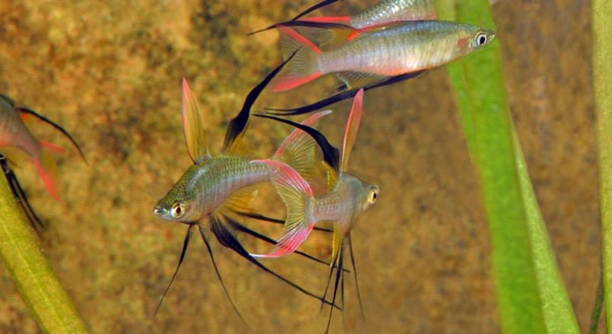
Do you enjoy keeping threadfin rainbowfish but notice they seem more active than usual in their current tank? Many aquarists find themselves observing these colorful fish and wondering if it is time to upgrade.
Threadfin rainbowfish exhibit several indicators that suggest a larger tank is necessary, including rapid growth, frequent swimming near the surface, overcrowding behavior, increased aggression, reduced water quality, diminished hiding spots, and visible stress signs. Monitoring these behaviors ensures optimal health and environment.
Recognizing these signs early helps maintain your fish’s health and comfort while preventing potential tank-related issues before they escalate further.
Rapid Growth
Threadfin rainbowfish grow quickly, and a small tank can restrict their natural development. When I first noticed my fish hitting the top of the tank often, it was clear that they were running out of space. Growth stunted by a cramped environment can lead to weaker immune systems and stress-related behaviors. Fish that cannot move freely may also show changes in coloration or reduced activity. Regularly measuring your fish and comparing their size to the recommended tank dimensions is an effective way to monitor their growth. Providing ample swimming space allows them to develop naturally and maintain vibrant health. Overcrowding can also create uneven access to food, leaving some fish undernourished while others dominate. A larger tank balances these issues, ensuring each fish has room to grow properly. Observation over several weeks can reveal whether your fish are beginning to crowd each other or seem restless, signaling the need for expansion.
A rapidly growing fish population signals that it is time to provide more space for healthy development.
Expanding your tank gives threadfin rainbowfish room to swim freely, reduces stress, and improves water quality. It also prevents aggressive behaviors and allows each fish equal access to food, maintaining consistent growth. A well-sized tank ensures that all fish thrive without competition or crowding, creating a stable, comfortable environment. Tracking growth patterns over time and noticing signs like restlessness, frantic swimming, or persistent surface activity are essential indicators. Moving to a larger tank supports their overall well-being, improves coloration, and fosters natural behaviors, making care much easier and more rewarding.
Increased Activity and Restlessness
When threadfin rainbowfish swim constantly or hover near the surface, it often indicates limited space.
Restless swimming is a clear signal that the tank may be too small. Fish confined in tight spaces cannot exhibit their natural behaviors, which can lead to stress, aggression, and a shorter lifespan. They may bump against decorations or chase each other excessively, showing frustration caused by spatial limitations. A larger tank allows more freedom to explore, establish territories, and maintain social balance. Observing these behaviors carefully helps determine if your fish are comfortable or if their environment needs adjustment.
Providing additional swimming space reduces stress and promotes natural behavior patterns. A larger tank supports consistent exercise, encourages exploration, and prevents aggressive encounters. Fish will exhibit calmer, more balanced movement, reducing strain and risk of injury. Additionally, a bigger environment improves water circulation and filtration efficiency, keeping conditions stable. Proper space also allows for decorations, plants, and hiding spots without overcrowding, which enhances mental stimulation and reduces anxiety. Gradual adaptation to a larger tank ensures the fish adjust smoothly, maintaining health, color vibrancy, and normal feeding routines. Regular monitoring of swimming patterns and activity levels confirms that the upgrade meets their physical and behavioral needs.
Overcrowding
Overcrowding limits movement and increases stress. Fish may compete for space, food, and hiding spots, which can lead to aggression and uneven growth.
When the tank becomes crowded, smaller or weaker fish often struggle to access food. Larger fish dominate swimming areas, forcing others into corners or near the surface. Overcrowding also reduces water quality, as waste accumulates faster than the filtration can manage. The lack of personal space prevents natural behaviors, causing frustration and irregular swimming patterns. This environment can trigger disease, dull coloration, and lower activity. Observing how your fish interact helps determine if overcrowding is occurring and whether a larger tank is needed.
Expanding the tank resolves most of these issues. A larger environment allows fish to establish territories, reduces conflicts, and balances feeding opportunities. Water quality improves with more space, giving filtration systems better efficiency. Fish can swim freely, hide when needed, and maintain natural activity levels. Overcrowding stress decreases, promoting healthier immune function and better coloration. Tracking behavior over weeks can confirm if the new tank alleviates tension and ensures all fish thrive in a stable, comfortable environment.
Reduced Hiding Spots
Limited hiding spaces cause stress and make fish feel exposed.
Threadfin rainbowfish need areas to retreat for security. Without sufficient hiding spots, they become anxious and may show erratic swimming or cling to the tank edges. Stress from lack of cover can reduce appetite, weaken immunity, and increase susceptibility to illness.
Providing plants, decorations, or rock formations offers refuge and encourages natural exploration. In a larger tank, there is room to incorporate multiple hiding areas without crowding the swimming space. Fish can establish safe zones, reducing aggression and allowing less dominant individuals to feed comfortably. Adequate hiding spaces also improve social stability, helping maintain calm interactions among the group. Observing how fish use these areas over time indicates whether the environment meets their needs. A well-structured tank supports physical health and mental well-being, preventing stress-related problems and enhancing overall vitality.
Increased Aggression
Aggression becomes more noticeable when fish feel crowded.
Threadfin rainbowfish may nip fins or chase others when space is limited. This behavior increases stress and can cause injury.
Water Quality Decline
Over time, a small tank struggles to maintain proper water conditions. Waste builds up faster than filtration can manage, raising ammonia and nitrate levels. Poor water quality can lead to stress, disease, and dull coloration. Regular testing and water changes may help temporarily, but a larger tank stabilizes conditions and supports long-term health. Ensuring consistent water parameters reduces illness risk and allows fish to thrive naturally, with balanced activity, feeding, and growth. Observation of water clarity and fish behavior helps determine when expansion is necessary.
Visible Stress Signs
Stress in threadfin rainbowfish shows through behavior and appearance.
Fish may display faded colors, rapid gill movement, or erratic swimming. These signs indicate that their environment is insufficient and expansion is needed.
FAQ
How do I know if my threadfin rainbowfish needs a larger tank?
You can tell by observing their behavior and physical condition. Rapid growth, constant swimming near the surface, increased aggression, or crowded interactions are strong indicators. Faded coloration, reduced appetite, and erratic swimming patterns also suggest stress from limited space.
What size tank is suitable for adult threadfin rainbowfish?
Adult threadfin rainbowfish thrive in tanks of at least 30 gallons for a small group. Larger groups require bigger tanks to ensure adequate swimming space, territories, and hiding spots. Proper sizing prevents overcrowding and maintains water quality, keeping fish healthy and active.
Can a larger tank reduce aggression?
Yes, providing more space allows fish to establish territories naturally. Aggressive interactions often decrease when fish have room to retreat or avoid conflicts. Hiding spots and decorations further reduce stress and aggressive behavior.
How often should I monitor water quality?
Check ammonia, nitrite, nitrate, and pH levels weekly. Overcrowded or small tanks accumulate waste quickly. Regular monitoring ensures water conditions remain stable. Frequent water changes or an upgraded tank will improve overall fish health and reduce stress.
What are the signs of stress in threadfin rainbowfish?
Stress is visible through dull or faded colors, rapid gill movement, clamped fins, erratic swimming, and loss of appetite. Persistent hiding, lethargy, or unusual aggression are also indicators that the tank environment may be too small.
Are plants and decorations necessary in a larger tank?
Yes, they provide hiding spots and areas for exploration. These features reduce stress, improve natural behavior, and allow fish to feel secure. A well-decorated tank also encourages calmer interactions among the group.
How do I transition my fish to a larger tank safely?
Acclimate them slowly to avoid shock. Float the fish in their transport bag to match temperatures, then gradually mix small amounts of tank water into the bag. Once acclimated, gently release them, allowing them to explore at their own pace.
Will a larger tank improve growth and coloration?
A larger tank supports natural swimming, proper feeding, and reduced stress. These conditions promote better growth rates and more vibrant coloration, helping fish reach their full potential without health issues.
How can I prevent overcrowding in the future?
Plan ahead when purchasing fish and monitor growth. Avoid adding too many fish at once and consider tank mates’ space needs. Upgrading tank size as the group grows ensures consistent health and behavior.
What should I do if my fish seem restless even in a larger tank?
Check water quality, temperature, and tank setup. Fish may still experience stress from improper conditions or lack of hiding spots. Adjusting decorations, plants, or water parameters can restore calm behavior and comfort.
Can a larger tank help prevent diseases?
Yes, better water circulation and reduced stress improve immune response. Overcrowding and poor water conditions often lead to illnesses, so a larger, well-maintained tank lowers the risk significantly.
Is frequent observation necessary after upgrading the tank?
Yes, monitoring how fish adjust helps catch any stress or behavioral issues early. Watching feeding habits, swimming patterns, and coloration ensures the new environment supports their health and growth.
Are there any special considerations for tank placement?
Avoid direct sunlight or areas with temperature fluctuations. Stable, quiet locations reduce stress. Proper lighting, filtration, and aeration further support fish health in a larger environment.
Can upgrading the tank influence breeding behavior?
Yes, a spacious, well-structured tank encourages natural breeding behaviors. Fish feel secure, establishing territories and hiding spaces, which promotes spawning and reduces stress-related interruptions.
How often should I upgrade the tank?
Upgrade as the fish grow or the group expands. Observing behavior, growth patterns, and space usage is the best guide. There is no fixed schedule; changes should align with the fish’s needs rather than a set timeline.
What is the most important factor to consider when choosing a larger tank?
Space is the primary factor. Fish need room to swim, hide, and establish territories. Adequate water volume, filtration, and decorations complement the size, ensuring a healthy, stress-free environment.
When caring for threadfin rainbowfish, providing an appropriate tank size is essential for their health and well-being. Observing behaviors like rapid swimming, restlessness, or aggression can indicate that the current environment is too small. Overcrowding limits movement, reduces access to food, and increases stress levels, which can affect growth and immune function. A larger tank addresses these issues by giving fish room to swim freely, explore, and establish territories. Ensuring that the tank has proper filtration, decorations, and hiding spots further supports their natural behaviors and creates a balanced environment. The transition to a larger tank may feel like an extra task, but it ultimately simplifies long-term care by reducing conflicts, improving water quality, and maintaining a stable environment.
Monitoring water conditions is equally important in maintaining a healthy habitat for threadfin rainbowfish. Smaller tanks accumulate waste quickly, which can lead to high ammonia and nitrate levels, stressing the fish and increasing susceptibility to disease. Upgrading to a larger tank improves water circulation and allows filtration systems to work more efficiently. Consistent testing of pH, nitrate, and ammonia, along with regular water changes, ensures that the fish remain healthy and active. Stress-related signs such as clamped fins, faded coloration, or erratic swimming often indicate that either the space or water conditions are inadequate. By providing a larger tank and maintaining water quality, fish have a better chance to thrive, display natural behaviors, and maintain vibrant coloration. Observing these changes over time helps confirm that the new setup meets their needs.
Providing adequate space and a suitable environment also encourages better social interactions and overall comfort for threadfin rainbowfish. In a properly sized tank, fish can establish territories, retreat to hiding spots, and engage in normal swimming patterns without interference from others. Reduced aggression allows all fish to feed properly, maintaining balanced growth within the group. A larger tank also supports breeding behavior, as fish feel secure enough to spawn naturally and care for fry without stress. Paying attention to these details ensures that the fish live in a stable, comfortable habitat, which reduces health risks and enhances their appearance and activity levels. Taking these steps may require effort and planning, but the benefits are clear. A larger, well-maintained tank supports physical health, reduces stress, improves behavior, and allows threadfin rainbowfish to reach their full potential in a safe, thriving environment.

Hello,
If you enjoy the content that we create, please consider saying a "Thank You!" by leaving a tip.
Every little bit helps us continue crafting quality advice that supports the health, happiness, and well-being of pets around the world, for pets of all shapes, sizes, and species.
We really appreciate the kindness and support that you show us!