
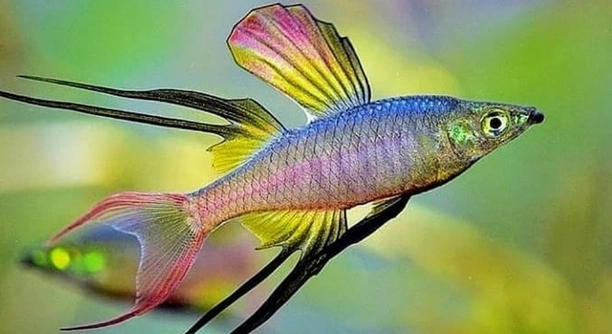
Do you enjoy having an aquarium filled with vibrant fish that brighten up your space? Threadfin Rainbowfish are popular for their shimmering colors and active behavior, making them a lively addition to any home aquarium setup.
Threadfin Rainbowfish show limited behavioral response to background music or household noise. While sudden loud sounds may trigger temporary stress reactions, consistent low-level ambient sounds generally do not significantly alter their swimming patterns or feeding behavior.
Understanding these subtle reactions can help you create a calmer environment for your fish. Learning about their responses ensures your aquarium remains a healthy and visually appealing space.
Understanding Fish Sensitivity to Sound
Threadfin Rainbowfish have a sensory system that allows them to detect vibrations and subtle changes in their environment. In an aquarium, sounds travel through water differently than air, which means that household noises, music, or sudden bangs can register distinctly to fish. Most low-level sounds, such as soft background music or the hum of appliances, are generally ignored by the fish. However, sudden or high-volume noises may startle them, causing brief bursts of swimming or hiding behavior. Over time, repeated loud disturbances can increase stress levels, potentially affecting feeding habits and overall health. Observing how your fish react to different sounds can help you adjust their environment to maintain a stable and calm habitat. Ensuring the tank has plants, hiding spaces, and consistent water conditions will also support their ability to manage minor disturbances without long-term impact.
Monitoring your aquarium for reactions helps maintain fish health while avoiding unnecessary stress from background noise or music.
Keeping a consistent sound level is important, as abrupt changes can trigger mild stress responses in Threadfin Rainbowfish. Maintaining calm and predictable surroundings ensures they remain active and healthy, preserving their natural behavior.
Music vs. Noise in Aquariums
Background music at low volumes is typically not disruptive to Threadfin Rainbowfish. The fish can adapt to familiar sounds, provided they are steady and not excessively loud.
Loud or sudden noise can cause short-term stress reactions, including rapid swimming, hiding, or temporary disruption in feeding behavior. Music with varying tempos or sudden spikes may briefly alarm fish, but they usually return to normal once the environment stabilizes. Observations suggest that calm instrumental music or consistent household sounds rarely interfere with swimming patterns or social interactions within the tank. To minimize stress, it is recommended to maintain a predictable environment with soft ambient sounds if music is played nearby. Additionally, providing adequate shelter, plants, and decorations helps the fish feel secure when noises occur. Careful monitoring of their response to different sound levels can guide adjustments and prevent prolonged stress. Over time, fish can habituate to moderate background noises, but it is essential to avoid exposing them to extreme volumes that might compromise their health or comfort.
Signs of Stress from Noise
Threadfin Rainbowfish may show stress through rapid swimming, hiding, or reduced feeding when exposed to sudden or loud noises. These behaviors are temporary but indicate the fish are reacting to environmental changes. Observing these signs helps in adjusting their surroundings for comfort.
Stress in fish can impact their overall health if loud or unpredictable noises continue over time. Prolonged exposure may cause them to become less active, eat less, or show color fading. Monitoring these subtle changes allows adjustments in aquarium placement or sound management to maintain a calm environment. Ensuring regular feeding schedules and consistent water conditions further supports their well-being.
Providing hiding spaces, plants, and gentle water movement can help fish recover quickly from brief noise disturbances. Creating a stable environment minimizes stress reactions, allowing Threadfin Rainbowfish to maintain natural behaviors and display their full coloration. Regular observation is key to identifying issues early and preventing long-term stress effects.
Tips for a Calmer Aquarium Environment
Keep background noise consistent and moderate to prevent sudden reactions in Threadfin Rainbowfish. Avoid placing the aquarium near high-traffic areas or loud appliances.
Strategically arranging plants, decorations, and hiding spots gives fish secure areas to retreat when noises occur. Choosing quieter areas of the home and minimizing sudden sounds helps reduce stress. Soft background music, if used, should be at a steady, low volume to avoid startling fish. Observing how your fish respond to different noise levels allows adjustments to ensure a peaceful environment. A well-placed filter, gentle water flow, and regular maintenance further support a calm habitat. Combining these steps creates a balanced setting where fish can thrive, maintaining natural behaviors and coloration. Regular attention to both environmental and auditory factors is essential for long-term health and comfort in your aquarium.
How Threadfin Rainbowfish Perceive Sound
Threadfin Rainbowfish detect vibrations through their lateral line system, which allows them to sense changes in water movement. Sounds in the environment are interpreted as vibrations, making them more sensitive to sudden or strong noises compared to humans.
Consistent, low-level sounds are generally ignored, while unexpected loud noises may startle the fish. This sensitivity helps them react quickly to potential threats in their surroundings.
Managing Noise Levels in the Home
Positioning the aquarium away from televisions, speakers, or high-traffic areas can significantly reduce stress for Threadfin Rainbowfish. Consistent background noise, such as soft household sounds, is usually tolerated well. Monitoring the fish’s behavior over time ensures that noise adjustments maintain a stable and calm environment.
Benefits of a Quiet Environment
A quieter setting helps fish remain active, maintain vibrant colors, and feed regularly. Reducing disturbances promotes long-term health and natural behavior patterns.
FAQ
Do Threadfin Rainbowfish get stressed by music?
Threadfin Rainbowfish generally do not react strongly to low-volume, consistent music. They detect vibrations through their lateral line system, so soft background sounds are mostly ignored. Sudden loud music may cause temporary stress, including rapid swimming or hiding, but these reactions are usually brief and harmless.
Can household noise harm Threadfin Rainbowfish?
Most household noises, such as air conditioners or soft conversations, do not significantly affect them. However, sudden bangs, dropped objects, or very loud sounds can startle the fish. Repeated exposure to loud disturbances over time may lead to increased stress, reduced feeding, or minor color fading.
What are signs my fish are stressed by noise?
Stress can be observed through unusual behaviors: hiding more than usual, swimming erratically, or decreased appetite. Threadfin Rainbowfish may also show less vibrant coloration if exposed to prolonged disturbances. Noticing these changes early allows you to adjust the aquarium environment.
How can I create a quieter environment for my fish?
Place the aquarium away from high-traffic areas, speakers, and appliances. Adding plants, decorations, and hiding spots provides fish safe areas to retreat when sudden sounds occur. Keeping background noise steady and low helps maintain calm behavior and natural activity.
Is it okay to play music near my aquarium?
Soft, consistent music is usually acceptable. Avoid abrupt changes in volume or tempo. Instrumental tracks or low-level ambient sounds are better than loud, heavy music. Monitor your fish for brief stress reactions, and reduce volume if needed to keep the environment stable.
Do Threadfin Rainbowfish adapt to noise over time?
Yes, they can become habituated to consistent, moderate background sounds. Fish may initially show mild stress but usually resume normal behavior once they recognize that the noise poses no threat. Adaptation is easier when changes in sound levels are gradual rather than sudden.
Does the type of music matter to fish?
There is no evidence that Threadfin Rainbowfish prefer specific genres. What matters most is volume and consistency. Calm, predictable sounds are less likely to cause stress than erratic or loud music. The fish respond primarily to vibrations rather than the musical tone itself.
Can noise affect breeding or social behavior?
Excessive or sudden noise can temporarily interrupt courtship or schooling behavior. Long-term loud disturbances may affect reproduction, as stress can impact hormone levels and activity. Maintaining a calm environment with adequate hiding spaces supports normal social interactions and breeding behavior.
Are some fish more sensitive to sound than others?
Yes, sensitivity varies by species. Threadfin Rainbowfish are moderately sensitive due to their lateral line system. Other species, such as cichlids or certain catfish, may respond differently. Observing how each species reacts to environmental sounds helps in managing multiple fish in the same tank.
What is the best way to monitor my fish’s response to noise?
Observe swimming patterns, hiding frequency, feeding habits, and color vibrancy. Keep track of changes when new sounds are introduced. Consistent monitoring allows early identification of stress and ensures timely adjustments to protect fish health and well-being.
How important is tank setup in reducing noise stress?
A well-arranged aquarium with plants, rocks, and other decorations allows fish to find shelter from disturbances. Soft water flow and proper filtration further reduce stress. The environment, combined with careful noise management, ensures Threadfin Rainbowfish remain active and healthy.
Can occasional loud sounds be tolerated?
Yes, brief loud noises are usually not harmful if they are rare. Fish may momentarily react but quickly return to normal behavior. Frequent or sustained loud disturbances, however, should be avoided to prevent stress accumulation.
Should I turn off music when feeding my fish?
Turning off or lowering music during feeding can help avoid minor stress reactions and ensures fish focus on eating. While occasional music is tolerated, quieter conditions during feeding support regular appetite and natural behavior.
Do fish communicate about noise?
Threadfin Rainbowfish do not communicate in response to noise like humans. Their reactions are instinctive, driven by sensory detection of vibrations. Observing individual and group behavior provides insight into stress levels without relying on communication cues.
Can noise stress cause long-term health issues?
Chronic stress from repeated loud or unpredictable noise may lead to weakened immunity, slower growth, or reduced coloration. Maintaining a calm environment and monitoring reactions can prevent these long-term consequences and promote healthy, active fish.
Is it safe to play soft music near other aquarium species?
Generally, yes, but sensitivity varies. Monitor each species individually to ensure that consistent, moderate sounds do not trigger stress. Providing hiding spaces for all species allows them to adapt comfortably to background music or household noise.
Do Threadfin Rainbowfish respond differently to sudden vs. constant noise?
Yes. Sudden noise triggers a startle response, such as darting or hiding, while constant low-level noise is largely ignored. Predictable sound patterns are less stressful and allow the fish to maintain normal activity without interruption.
How can I tell if my fish are fully comfortable?
Comfortable fish swim actively, display vibrant coloration, and feed regularly. They interact naturally with tank mates and explore the environment without hesitation. Stable behavior over time indicates that noise levels and the overall environment are suitable for their well-being.
Are visual disturbances as impactful as sound?
While this FAQ focuses on sound, sudden visual changes—such as bright lights or shadows—can also startle fish. Combining calm lighting with controlled noise helps reduce overall stress and supports natural behavior.
What should I do if my fish seem stressed by noise?
Reduce sudden sounds, relocate the tank if necessary, and add hiding places. Maintain consistent water conditions, monitor feeding, and observe behavior. Gradual changes allow fish to adapt without long-term stress, ensuring a healthier and more vibrant aquarium environment.
Final Thoughts
Threadfin Rainbowfish are sensitive creatures that rely heavily on their lateral line system to detect vibrations and changes in their environment. This sensitivity allows them to notice even subtle disturbances that may seem insignificant to humans. While soft background music or gentle household noise is generally tolerated, sudden loud sounds can cause temporary stress, leading to rapid swimming, hiding, or changes in feeding behavior. Recognizing these reactions is important for maintaining a healthy aquarium. By observing how your fish respond to different noises, you can make adjustments that help create a calm and comfortable environment where they can display their natural colors and behaviors.
Creating a peaceful environment involves more than controlling sound alone. The layout of the aquarium plays a key role in reducing stress. Providing hiding spots with plants, rocks, or decorations allows fish to retreat when they feel threatened. Gentle water flow and stable water conditions further contribute to their well-being. Even when background noise is minimal, fish need areas where they feel safe. Ensuring the tank is located away from high-traffic areas, televisions, or other loud appliances reduces unexpected disturbances. These combined measures help Threadfin Rainbowfish remain active, feed regularly, and interact naturally with tank mates, which are all indicators of a healthy and stress-free environment.
It is important to understand that while Threadfin Rainbowfish can habituate to consistent, moderate background sounds, abrupt or sustained loud noises should always be minimized. Gradual adaptation to any new environment or sound ensures that the fish can adjust without long-term negative effects. Monitoring behavior, coloration, and appetite regularly provides insight into their comfort level and overall health. By maintaining consistent care routines, controlling environmental noise, and providing adequate shelter within the aquarium, owners can ensure that their Threadfin Rainbowfish thrive. These small but important steps allow the fish to live in a stable, balanced environment where they can fully exhibit their natural behavior, vibrant coloration, and lively activity, ultimately creating a harmonious and visually appealing aquarium setting for both the fish and their owner.

Hello,
If you enjoy the content that we create, please consider saying a "Thank You!" by leaving a tip.
Every little bit helps us continue crafting quality advice that supports the health, happiness, and well-being of pets around the world, for pets of all shapes, sizes, and species.
We really appreciate the kindness and support that you show us!