
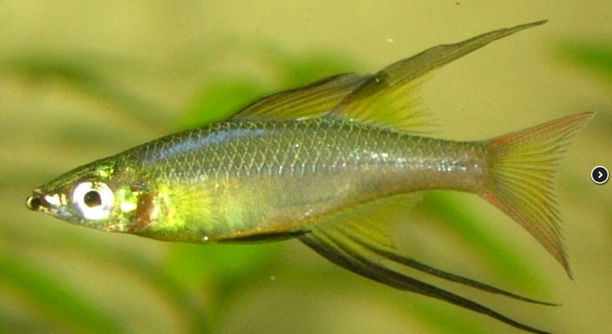
Do you ever find yourself watching your threadfins swim in circles, wishing they would explore more of their tank? Many owners notice that these fish tend to stick to familiar spots and rarely venture beyond their comfort zones.
Encouraging threadfins to explore involves adjusting their environment and introducing subtle stimuli. Simple measures such as varied hiding spots, gentle water flow, and gradual introduction of novel objects can increase activity levels and stimulate natural curiosity in these fish.
Small changes in their tank setup and daily routine can make a noticeable difference in threadfins’ behavior, promoting a healthier and more engaging environment for them.
Rearrange Their Tank Environment
Threadfins respond well to subtle changes in their tank. Rearranging decorations, plants, and hiding spots can spark curiosity. Even slight adjustments to familiar areas encourage them to swim around more. Adding a mix of tall plants and low hiding spaces provides variety and makes the tank feel more engaging. Avoid overcrowding, as threadfins need open areas to move freely. Rocks, driftwood, and small caves create visual interest and give them places to investigate safely. Gradually shifting elements ensures they do not feel stressed. Over time, they learn to explore and inspect each section. You can also introduce floating plants or gentle bubbles near one corner to draw their attention. Observing how they respond to these changes gives insight into their preferences, helping you tailor the environment for optimal activity. Consistent small updates maintain their curiosity and prevent stagnant behavior.
Even minor rearrangements can make threadfins more active, increasing overall interaction with their habitat while reducing repetitive swimming patterns.
Regularly updating the tank’s layout keeps threadfins engaged and mentally stimulated. Changing hiding spots weekly or adjusting decorations encourages natural exploration and prevents boredom. Over time, they associate these changes with safe and interesting spaces, which promotes consistent activity and reduces stress. This approach also allows you to monitor their behavior closely and notice any signs of discomfort or disinterest, ensuring their well-being is maintained. By creating a dynamic and varied environment, you support both physical and mental health, making the tank a more inviting space. Simple additions like tunnels or floating plants can be rotated to sustain curiosity, while maintaining a safe, clean habitat. These consistent, small modifications enhance natural instincts, leading to livelier and more confident fish. Monitoring how they respond to new arrangements informs future adjustments and helps maintain a stimulating environment.
Introduce Gentle Water Flow
Threadfins are more likely to explore areas with subtle water movement, as it mimics their natural habitat and encourages activity.
Gradually increasing water flow in certain parts of the tank stimulates swimming without causing stress. This can be done using a small filter output or air stones, ensuring the current remains gentle. Fish are drawn to moving water to investigate and feed, which naturally prompts exploration. Positioning the flow near new decorations or open spaces encourages them to navigate different areas. Alternating the flow pattern daily keeps the environment dynamic and engaging. Consistent observation ensures they do not tire or become anxious, as excessive flow can deter activity.
Gentle currents simulate natural conditions and encourage movement, but they must be carefully managed. Too strong a flow can create stress, while too weak might fail to stimulate interest. Placing decorations near the flow guides exploration, creating areas where threadfins feel safe yet curious. Rotating the current and adding slight variations in direction maintains novelty and encourages swimming through different sections. Integrating bubbles or floating plants with moving water enhances interaction, promoting both mental and physical stimulation. By combining current with strategic placement of objects, you create an engaging environment that supports exploration without overwhelming them. Observing their response allows for fine-tuning, ensuring the tank remains a motivating and secure habitat for ongoing activity.
Use Live or Floating Plants
Adding live or floating plants encourages threadfins to explore hidden areas and interact with their surroundings. Plants offer shade, cover, and small obstacles, making the tank feel more dynamic. Varying plant height and density draws their attention and stimulates natural swimming behavior.
Live plants improve water quality and provide natural hiding spots, which promotes confidence in threadfins. Floating plants create shaded areas near the surface, encouraging movement underneath and around them. By arranging plants in clusters or lines, you can guide exploration paths, making the tank feel larger and more interesting. Threadfins may use leaves to investigate or swim through, mimicking conditions found in their natural habitats. Introducing plants gradually prevents stress and allows fish to adjust to new textures and spaces. Observing their interaction with plants helps determine which types are most engaging, allowing for better long-term tank design. A mix of broad-leaved and fine-leaved species provides variety in texture and movement.
Floating and live plants also contribute to a healthier tank environment by oxygenating the water and offering natural filtration. Threadfins respond positively to the added complexity, often exploring more actively and showing increased curiosity. Rotating plant positions occasionally keeps the tank stimulating without introducing sudden changes. Plants create microhabitats that encourage different swimming patterns, supporting both physical activity and mental engagement. Over time, this practice helps reduce idle swimming and repetitive behavior, promoting a balanced and lively aquarium ecosystem for the threadfins to thrive in.
Offer Small, Frequent Feedings
Smaller, frequent meals prompt threadfins to move around and forage more actively. This feeding approach keeps them engaged and encourages exploration of different tank areas. It also reduces competition and stress among tank mates during feeding times.
Distributing food in multiple locations allows threadfins to search actively, promoting exercise and curiosity. Floating pellets or small live foods can be scattered to encourage movement across the tank. Gradually varying the feeding spots ensures they do not become dependent on a single location, maintaining consistent activity levels. Feeding in this manner also supports digestion and prevents overfeeding, contributing to healthier fish. Observing how they respond helps refine portion size and frequency. Using feeding as an environmental enrichment tool improves overall well-being and reinforces natural foraging instincts, which in turn enhances exploration tendencies.
Incorporating variety in feeding techniques strengthens the effects on exploration and engagement. Mixing sinking pellets, floating foods, and occasional live treats stimulates different behaviors, ensuring that threadfins remain alert and active. Positioning food near newly introduced plants or decorations encourages investigation and interaction with new areas. Consistent monitoring ensures the feeding strategy supports health and prevents aggressive tendencies among tank mates. Alternating feeding locations and methods provides novelty, making the tank a more dynamic space and sustaining their interest. Over time, this approach integrates natural foraging behavior with daily activity, promoting both mental and physical enrichment for the threadfins.
Add Small Hiding Spots
Threadfins explore more when they feel safe. Adding small caves, tunnels, or hollow decorations provides secure areas to investigate. These spots give them confidence to venture into open parts of the tank without feeling exposed.
Varying the shape and placement of hiding spots encourages movement across the tank. Placing them near open swimming areas creates a balance between security and exploration. Threadfins gradually learn to navigate between shelters and open spaces, which stimulates natural curiosity and reduces stress.
Use Gentle Lighting Variations
Adjusting lighting in subtle ways can encourage threadfins to explore different parts of the tank. Dimmer areas or soft gradients create zones that attract investigation. Switching lights gradually helps avoid startling them while promoting movement.
Introduce Floating Toys
Floating toys or small drifting objects capture threadfins’ attention. These items can be repositioned to motivate them to investigate and swim through new paths, keeping their environment engaging and active.
Rotate Decorations Regularly
Regular rotation of decorations keeps threadfins curious. Changing positions and angles introduces new challenges, stimulating exploration and preventing the tank from becoming stagnant.
FAQ
How often should I rearrange the tank to encourage threadfins to explore?
Rearranging the tank every one to two weeks is usually sufficient. Minor adjustments, like shifting plants or decorations slightly, are better than drastic changes. Threadfins gradually get used to new elements and will explore without feeling stressed. Overly frequent changes can cause anxiety or hesitation.
Can I use any type of plant for exploration?
Threadfins respond best to a mix of tall, broad-leaved, and floating plants. Live plants improve water quality and provide natural hiding spots. Floating plants create shaded areas near the surface, encouraging movement underneath and around them. Avoid very dense plants that block swimming space.
Are small hiding spots necessary for all threadfins?
Yes, even active threadfins benefit from shelters. Small caves, tunnels, and hollow decorations provide safe spaces to retreat while exploring. They give confidence to venture into open areas and support natural instincts. Placement near open spaces encourages movement without stress.
Will gentle water flow really make a difference?
Gentle currents mimic natural conditions and promote activity. Threadfins explore more when water movement is present, especially near new objects or decorations. Ensure the flow is subtle; strong currents can deter swimming and cause stress. Observing their response helps determine the ideal strength and location.
How should I feed to encourage exploration?
Small, frequent meals spread across the tank motivate foraging and swimming. Floating pellets or live foods can be scattered near decorations or plants to stimulate curiosity. Changing feeding spots occasionally prevents dependency on one area and maintains consistent activity levels.
Are toys or floating objects necessary for all tanks?
They are not required but are highly effective in keeping threadfins engaged. Floating objects or drifting toys capture attention and encourage investigation. Rotating or moving them introduces novelty without adding stress, making the environment more dynamic and mentally stimulating.
What signs show my threadfins are exploring more effectively?
Increased movement throughout the tank, interacting with decorations, investigating plants, and swimming between hiding spots are positive indicators. Reduced repetitive swimming and more confident navigation around new elements show that exploration strategies are working. Regular observation helps adjust the tank setup if needed.
Can too much change overwhelm threadfins?
Yes. Sudden, drastic changes in layout, lighting, or flow can stress them. Gradual adjustments, such as shifting a single decoration or slowly changing lighting, allow them to adapt and encourage exploration without fear.
Is it necessary to monitor water quality during these changes?
Absolutely. Rearranging decorations or adding live plants can affect filtration and water parameters. Regular testing for ammonia, nitrites, nitrates, and temperature ensures a safe environment. Maintaining stable water quality supports activity and prevents stress-related behavior.
Do threadfins explore more in groups or alone?
They tend to explore more confidently in small groups. Social interaction encourages movement and curiosity. However, overcrowding can cause competition and stress. Maintaining a balanced number of fish ensures exploration is natural and safe for all tank mates.
How can I maintain long-term engagement?
Rotating decorations, varying plants, adjusting gentle water flow, and changing feeding locations consistently keeps the tank stimulating. Small, incremental changes preserve novelty and encourage continuous exploration without causing anxiety. Observing behavior and making adjustments ensures the environment remains engaging and healthy.
Are live foods better than pellets for encouraging activity?
Live foods like small worms or brine shrimp naturally stimulate foraging behavior, encouraging movement and exploration. Pellets are effective when scattered strategically, but live food adds dynamic interaction and mental stimulation. Alternating both types offers variety and sustained interest.
What’s the best way to combine all these strategies?
Use gradual environmental changes, floating plants, small hiding spots, gentle water flow, scattered feeding, and rotating objects together. Monitoring threadfins’ responses allows for fine-tuning. A combination of these methods creates a stimulating and safe habitat that encourages consistent exploration and natural behavior.
Can stress interfere with exploration?
Yes. Poor water quality, aggressive tank mates, or overly strong currents reduce exploration. Ensuring stable conditions, safe hiding spots, and gentle stimulation helps threadfins feel secure and curious, supporting active engagement with their environment.
How long does it take to see results?
Some threadfins respond within days, while others may take a few weeks. Consistency in applying these strategies is key. Gradual, steady changes help fish gain confidence and adopt exploratory behaviors naturally over time.
Is observation important during these changes?
Observing behavior is essential. Noticing hesitation, stress, or overactivity allows timely adjustments. Regular monitoring ensures that environmental changes promote exploration without causing harm or anxiety. Adjustments based on observation maintain a balanced, engaging tank for threadfins.
Can I use artificial plants instead of live ones?
Artificial plants are acceptable but do not offer water quality benefits. They still provide hiding spots and obstacles, encouraging exploration. Combining artificial and live plants can balance stimulation and tank maintenance needs.
How do I know if exploration is sufficient?
Threadfins actively investigate plants, decorations, and open areas multiple times daily. They use hiding spots confidently and vary swimming patterns. Consistent, curious movement without signs of stress indicates healthy engagement.
Are there risks in using floating toys?
Only if they are too large, sharp, or move unpredictably. Choose smooth, appropriately sized objects. Proper placement ensures safety while maintaining interest and encouraging exploration.
What role does lighting play in long-term activity?
Subtle variations or gradients in lighting create zones of interest. Dimmer areas near hiding spots encourage investigation, while bright zones near open spaces promote swimming. Gradual changes maintain a natural rhythm and stimulate exploration without causing stress.
How often should I rotate decorations or toys?
Small rotations every one to two weeks are effective. Moving objects slightly or changing positions creates novelty. Overly frequent or drastic rotations can cause anxiety and reduce willingness to explore.
Can all these techniques be applied in small tanks?
Yes, but space is limited. Prioritize small hiding spots, minimal but varied plants, gentle water flow, and scattered feeding. Avoid overcrowding to maintain safety while still encouraging exploration.
Do threadfins require special care when introducing these changes?
Gradual introduction is essential. Sudden changes in flow, lighting, or tank layout can stress them. Observing responses and making small, incremental adjustments ensures safety while promoting curiosity and active exploration.
What is the main benefit of encouraging exploration?
Exploration promotes physical exercise, mental stimulation, and natural behavior. Active threadfins experience less stress, improved health, and a more engaging environment, leading to a more balanced and lively aquarium ecosystem.
Can older threadfins learn to explore more?
Yes, though they may be slower to adapt. Gradual changes and consistent stimuli, like rotating decorations and scattered feeding, help older fish engage in exploration and improve overall activity levels.
How do I track progress effectively?
Regular observation and simple notes on activity levels, interaction with plants, and use of hiding spots help track improvement. Adjustments can then be tailored to encourage further exploration.
Is combining multiple strategies better than using just one?
Combining methods—like varied plants, gentle flow, small hiding spots, rotating toys, and feeding changes—produces stronger results. Multiple stimuli reinforce curiosity and maintain long-term engagement for threadfins.
Are there any mistakes to avoid when encouraging exploration?
Avoid sudden, drastic changes, strong water currents, overcrowding, or neglecting water quality. Gradual, consistent adjustments with careful monitoring ensure threadfins remain active without stress.
Can threadfins explore if they are shy or timid?
Yes, with proper hiding spots, gentle stimulation, and gradual environmental changes, even shy threadfins gain confidence to investigate and engage with their tank.
How long should each stimulation session last?
Exploration is continuous rather than scheduled. Small changes, feeding in new spots, and gentle water flow provide ongoing stimulation without needing strict timing.
Are there signs that the environment is too complex?
Threadfins hiding excessively, refusing to swim, or showing stress behaviors indicate overcomplication. Simplifying hiding spots, reducing flow, or easing lighting changes can restore comfort and encourage exploration.
Can these strategies help with tank mate interaction?
Yes. Increased exploration often encourages natural social behavior and reduces aggression. Safe hiding spots, gradual introductions, and gentle stimulation promote peaceful coexistence.
Does temperature affect exploration?
Stable, appropriate water temperature supports normal activity. Sudden fluctuations can reduce movement and curiosity. Keeping conditions consistent encourages confidence in exploring new areas.
Can older or larger tanks still benefit?
Yes. Even mature setups can be refreshed with minor rearrangements, added plants, gentle flow, and varied feeding locations. This maintains stimulation and encourages active behavior in threadfins.
Are some threadfins naturally more exploratory than others?
Individual differences exist, but consistent environmental enrichment, feeding techniques, and safe spaces can enhance exploration in less active fish over time.
Is observation more important than the number of changes?
Yes. Monitoring responses ensures changes are beneficial. Adjustments based on behavior are more effective than simply introducing frequent or numerous modifications.
Do seasonal changes affect exploration?
Subtle seasonal lighting or temperature variations may influence activity levels. Maintaining a stable, safe environment with minor adjustments helps threadfins remain active and curious year-round.
How can I maintain a balance between stimulation and comfort?
Gradual, consistent changes, safe hiding spots, gentle flow, and varied feeding create a dynamic environment. Monitoring stress indicators ensures threadfins stay engaged without being overwhelmed.
Can exploration techniques help prevent boredom?
Yes. Regular environmental adjustments, rotating decorations, varied feeding locations, and gentle water movement prevent repetitive behavior and keep threadfins mentally and physically stimulated.
Are there tools or gadgets that make this easier?
Simple items like floating objects, small tunnels, adjustable filters, and soft lighting can enhance stimulation without complicated setups. Observing interaction guides effective use.
How important is patience in this process?
Patience is key. Threadfins may take days or weeks to respond to changes. Gradual, consistent adjustments produce better long-term engagement than rapid, frequent modifications.
Can combining visual and tactile stimulation improve results?
Yes. Plants, decorations, floating objects, and water flow engage multiple senses, encouraging exploration and natural behavior more effectively than a single type of stimulus.
How do I know if my approach is sustainable?
If threadfins remain active, stress-free, and confident over time, the methods are sustainable. Adjustments can be maintained or rotated to keep stimulation consistent without causing discomfort.
Do these methods work for all freshwater threadfins?
Yes, though individual responses vary. Gradual, careful application of environmental enrichment, feeding strategies, and safe hiding areas works across different species and tank sizes.
Can exploration affect overall health?
Yes. Increased activity and mental stimulation improve physical fitness, reduce stress, and support immune function, leading to healthier and more resilient threadfins.
Are there alternatives to physical rearrangements?
Behavioral enrichment, like varying feeding locations, using floating objects, or adjusting lighting, can stimulate exploration without major tank changes. Combining these with occasional minor rearrangements produces the best results.
What is the key takeaway for encouraging threadfin exploration?
Consistent, gradual environmental enrichment, safe hiding spots, gentle water flow, and varied feeding create a stimulating, stress-free environment that promotes natural curiosity and active behavior in threadfins.
How often should I reassess my strategies?
Observe behavior weekly to ensure engagement. Adjust decorations, plants, feeding, and flow based on responses, maintaining balance between stimulation and comfort for long-term success.
Final Thoughts
Encouraging threadfins to explore their tank requires a combination of patience, observation, and small adjustments. These fish are naturally curious, but they also need to feel safe to venture into new areas. Gradual changes to their environment, such as rearranging decorations or introducing small hiding spots, help them build confidence while keeping the tank stimulating. Plants, whether floating or rooted, provide both cover and visual interest, promoting natural swimming patterns. Gentle water flow and variations in lighting also play a role, simulating conditions found in their natural habitats. By paying attention to how threadfins respond to these changes, you can ensure they remain active without feeling stressed. The key is consistency: small, thoughtful adjustments over time encourage regular exploration and healthy activity, making the tank a more dynamic space for them.
Feeding strategies are another important aspect of promoting exploration. Small, frequent meals scattered throughout the tank motivate threadfins to move and forage in different areas. Using a combination of floating pellets, live foods, and occasional treats keeps their routine varied and engaging. Changing feeding locations gradually encourages them to investigate new parts of the tank, while still providing a reliable source of nutrition. This not only stimulates physical activity but also reinforces mental engagement. Observing their behavior during feeding can reveal preferences for certain locations, decorations, or plant types, allowing further fine-tuning of the environment. Over time, these small but consistent efforts build confidence and curiosity, reducing idle swimming and repetitive patterns. When combined with environmental adjustments like rotating decorations or introducing floating toys, feeding becomes a simple but effective way to keep threadfins engaged and active.
Finally, maintaining a balance between stimulation and comfort is essential. While introducing new elements encourages exploration, too many changes at once can create stress. Monitoring their behavior closely helps identify what works best, whether it is the placement of plants, the strength of water flow, or the type of food used. Older or more timid threadfins may take longer to adjust, so patience is crucial. Regular observation, along with gradual and consistent adjustments, ensures that all fish in the tank feel secure while remaining active. Ultimately, the goal is to create an environment that promotes both physical and mental well-being, supporting natural behaviors and encouraging daily exploration. Through careful planning, attention to detail, and steady encouragement, threadfins can develop confidence, curiosity, and a more engaging life in their tank.
This approach benefits not only their activity levels but also their overall health. Active threadfins show reduced stress, improved physical fitness, and greater resilience against disease. A well-designed and stimulating environment also enhances the visual appeal of the tank, making it more enjoyable to observe. By combining small environmental changes, varied feeding practices, gentle water flow, and safe hiding spots, you provide a comprehensive system that fosters consistent exploration. Long-term attention to these strategies ensures threadfins remain curious, active, and healthy, creating a balanced and dynamic habitat. Consistency, careful observation, and gradual adjustments are the foundation for achieving a thriving environment where threadfins can comfortably explore and display their natural behaviors.

Hello,
If you enjoy the content that we create, please consider saying a "Thank You!" by leaving a tip.
Every little bit helps us continue crafting quality advice that supports the health, happiness, and well-being of pets around the world, for pets of all shapes, sizes, and species.
We really appreciate the kindness and support that you show us!