
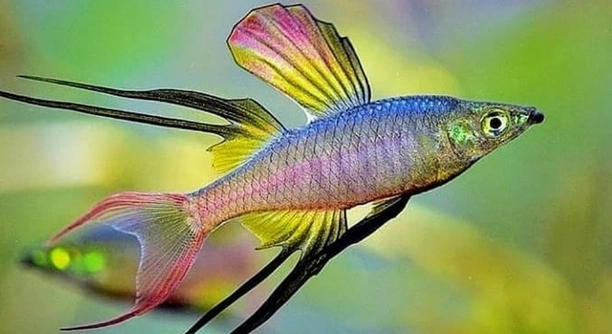
Have you ever noticed your threadfin rainbowfish swimming close to the glass, seemingly aware of other fish nearby? These colorful aquarium residents often display curious behaviors that make owners wonder about their perception abilities.
Threadfin rainbowfish can sense the presence of other fish through glass primarily via visual cues and subtle water vibrations. While the glass barrier limits direct interaction, these fish respond to movement and reflections, indicating a keen awareness of their surroundings.
Observing these reactions opens a better understanding of their behavior and social interactions, providing insight into how to create a more engaging and suitable aquarium environment.
How Threadfin Rainbowfish Detect Others
Threadfin rainbowfish have a surprising ability to notice other fish even when separated by glass. Their eyes are highly adapted to pick up movements and colors in their surroundings. In an aquarium, this means they can follow fish swimming on the opposite side of a tank. These fish are also sensitive to subtle vibrations in the water caused by movement. While they cannot touch or interact directly through the glass, the combination of visual and sensory information keeps them aware. Watching them respond to other fish can be fascinating, as they may change swimming patterns, speed, or position in response to what they see. Tank setup, lighting, and reflections play a role in how effectively they perceive other fish. Observing these behaviors allows owners to better understand their rainbowfish’s social tendencies. These insights can improve tank management and ensure the fish remain active and engaged.
Glass separation does not prevent interaction entirely, as rainbowfish rely on vision and vibrations to notice others.
Providing an environment with clear glass, minimal obstructions, and varied swimming areas encourages natural social behaviors. Observing how fish react to visual cues can reveal dominance patterns or curiosity levels. It is important to avoid overcrowding, as stress may suppress these behaviors. Reflections in the tank may sometimes confuse the fish, but they generally adjust and learn to distinguish real companions. Lighting conditions affect visibility; brighter areas make movements easier to detect. Owners can use this understanding to design the tank layout strategically, placing plants and decorations without obstructing sightlines. Feeding schedules also influence activity, as fish may watch others during feeding times, demonstrating heightened awareness. Recognizing these tendencies helps maintain healthy interactions and can reduce aggressive behavior. Carefully observing responses to other fish provides insights into temperament, stress levels, and social preferences, which can be valuable for improving aquarium conditions and ensuring well-being.
Visual and Sensory Cues
Rainbowfish primarily rely on sight to detect neighbors across glass. Their vision is sharp enough to distinguish colors, movement, and subtle gestures in other fish.
They also sense water vibrations created by swimming, which allows them to respond even without physical contact. These combined cues guide social interactions. Observing these signals can reveal individual personalities and stress responses. Providing clear water, proper lighting, and sufficient space ensures rainbowfish remain aware of their tank mates. This awareness supports natural behaviors like schooling, following, and synchronized swimming. Owners who notice these subtle cues can adjust tank conditions to enhance engagement, reduce stress, and maintain harmony. Over time, rainbowfish may develop patterns of recognition, learning which neighbors are nearby and how to interact appropriately. Understanding their reliance on both visual and vibrational signals highlights the importance of careful aquarium design and attentive observation, ensuring that fish thrive while displaying their natural curiosity and responsiveness.
Behavioral Responses to Glass
Threadfin rainbowfish often react to fish seen through glass by changing speed, direction, or swimming height. These subtle shifts indicate alertness and curiosity. Their schooling patterns may adjust, and some fish may even approach the glass repeatedly, showing strong visual recognition and interest in their neighbors.
These reactions are guided by both instinct and learned behavior. Fish may initially show cautious movements, then gradually increase interaction once they recognize the other fish as non-threatening. Glass reflections can also influence behavior, as rainbowfish sometimes mistake their reflection for a companion. Over time, they learn to differentiate between real fish and reflections, responding more appropriately. Watching these interactions can reveal dominance, social hierarchy, or individual personalities within the tank, offering insight into the fish’s natural tendencies. Tank setup and environment strongly impact these behaviors, making observation essential for maintaining a healthy, engaging habitat.
Environmental factors like lighting, decorations, and tank size directly affect how rainbowfish respond. Clear water and open swimming areas encourage more visible interaction. The more natural and unobstructed the surroundings, the more likely the fish are to display alertness and curiosity. Subtle changes in water flow or position of plants can alter movement patterns and how the fish perceive each other. Owners who observe these behaviors can adjust conditions to reduce stress, improve visibility, and enhance natural interactions, promoting a more harmonious and stimulating environment for threadfin rainbowfish.
Influence of Tank Design
Tank layout directly impacts the ability of rainbowfish to sense other fish through glass. Placement of plants, rocks, and decorations can either obstruct or facilitate visual contact, altering interaction levels. Proper design supports natural behavior while maintaining calmness.
Open swimming space and strategically positioned hiding areas ensure rainbowfish can observe neighbors safely. Overcrowded tanks limit visibility and may increase stress, suppressing normal responses. Reflections should be minimized to prevent confusion, and lighting should highlight movement without causing glare. Observing how fish navigate the environment provides clues about their comfort and awareness. Thoughtful tank design enhances both visual and vibrational cues, allowing rainbowfish to respond naturally and maintain social engagement throughout the aquarium. Adjustments to layout and decor can encourage exploration, schooling, and curiosity while supporting overall health and well-being.
Social Interactions Through Glass
Threadfin rainbowfish display noticeable social behaviors even when separated by glass. They may follow movements, mirror swimming patterns, or react to sudden motions in neighboring fish, showing awareness without direct contact.
These fish can form visual bonds, recognizing individual tank mates over time. Their behavior reflects curiosity and the need for social engagement, even in a restricted environment.
Impact of Lighting and Reflections
Lighting conditions influence how rainbowfish perceive other fish. Bright, well-placed lighting enhances visibility, while glare or shadows can distort perception. Reflections on glass may confuse them, but gradual adjustment allows recognition of real companions. Careful positioning of lights helps maintain clarity for natural interactions.
Water Quality and Sensory Perception
Clear, well-maintained water is essential for rainbowfish to sense neighbors through glass. Poor water quality reduces visibility and dampens vibrational cues, limiting social responses and alertness. Consistent filtration and monitoring maintain optimal conditions, supporting both visual and tactile awareness.
Observation Tips
Watching rainbowfish carefully reveals subtle reactions to other fish. Noticing changes in speed, position, or schooling patterns provides insight into their social dynamics and comfort level within the tank.
FAQ
Can threadfin rainbowfish really recognize other fish through glass?
Yes, they can. Threadfin rainbowfish primarily rely on visual cues and subtle water vibrations to detect neighbors. While they cannot physically interact through glass, they notice movement, color changes, and swimming patterns, allowing them to recognize individual fish over time. Clear tank walls and open swimming areas improve this recognition.
Do reflections in the tank confuse them?
Sometimes. Reflections can initially cause rainbowfish to mistake themselves or their reflections for other fish. Over time, they often learn to distinguish between real companions and mirrored images. Adjusting lighting and reducing glare can help minimize confusion, making their interactions more accurate and natural.
Does tank size affect their perception?
Yes, significantly. Larger tanks with clear, unobstructed swimming areas allow rainbowfish to see more neighbors, increasing social interactions. Crowded or heavily decorated tanks limit sightlines and reduce their ability to detect other fish through glass. Proper tank design encourages both movement and observation.
How important is lighting for their awareness?
Lighting plays a key role. Bright, evenly distributed light enhances visibility and allows fish to notice subtle movements or colors. Poor lighting or excessive glare can distort perception, reducing their ability to respond to other fish. Adjustable lighting and careful placement help maintain clear observation.
Do they rely on more than vision to sense others?
Yes, vibrations in the water contribute. Swimming movements create subtle ripples that threadfin rainbowfish can detect, helping them sense activity even when visual cues are limited. Clear water and gentle filtration preserve these sensory signals, enhancing natural interactions across glass barriers.
Will they show stress if they cannot see other fish?
They may. Rainbowfish are social and benefit from visual contact with neighbors. When isolated visually, they can become less active or anxious. Providing partial sightlines, open areas, or companion fish ensures they remain engaged and comfortable.
Can they differentiate between species through glass?
To some extent, yes. Rainbowfish respond more strongly to familiar or similar-sized species. Unfamiliar or very different species may provoke curiosity, avoidance, or cautious behavior. Observing reactions can help owners assess compatibility and maintain harmony in the tank.
Do they learn which fish are neighbors over time?
Absolutely. Rainbowfish have the capacity to remember other fish’s appearance and behavior. Over days or weeks, they may react consistently to specific tank mates, showing recognition and social awareness even through barriers.
How does water quality affect their perception?
Clear, well-maintained water is essential. Cloudy or dirty water reduces visibility and dampens vibrations, limiting the ability of rainbowfish to sense others. Regular cleaning, proper filtration, and monitoring of parameters ensure both visual and vibrational cues remain effective.
Can they be trained to interact more with visible fish?
Yes, indirectly. By creating a consistent environment with clear sightlines, minimal obstructions, and predictable feeding times, rainbowfish learn to associate movement and activity with positive outcomes. This encourages natural responses, curiosity, and social interaction across the tank glass.
Do all threadfin rainbowfish behave the same?
No, individual personalities vary. Some are more active and curious, frequently swimming near glass, while others are shy or cautious. Understanding each fish’s tendencies helps optimize tank conditions and supports healthy social behavior without forcing interaction.
How long does it take for them to get used to seeing neighbors?
It depends on the fish and tank setup. Some adjust within a few days, while others may take weeks to consistently recognize and respond appropriately. Patience and careful observation allow owners to track adaptation and ensure a supportive environment.
Are there risks of aggression through glass?
Aggression is limited because physical contact is impossible, but some fish may display chasing, rapid swimming, or territorial postures at the glass. Proper tank size, clear sightlines, and adequate hiding spaces reduce stress and potential agitation.
Does the presence of multiple species affect their sensing?
Yes, diversity can influence responses. Threadfin rainbowfish react differently to different species based on size, movement patterns, and behavior. Observing interactions helps manage compatibility, ensuring all fish remain active and stress-free.
Can they communicate through glass in any way?
Indirectly, yes. Visual signals and swimming patterns serve as non-verbal communication. Movements, positioning, and following behavior allow rainbowfish to convey curiosity, caution, or interest, creating a form of interaction even without direct contact.
How can I encourage healthy interactions?
Maintain clear water, provide adequate space, minimize reflections, and ensure balanced lighting. Open swimming areas and strategically placed decorations allow fish to see each other safely. Regular observation helps owners identify behavioral changes and adjust tank conditions to support social engagement and well-being.
Do juvenile rainbowfish behave differently than adults?
Yes, juveniles are often more curious and energetic, frequently approaching the glass and investigating neighbors. Adults may be calmer or more territorial. Understanding age-related behavior helps tailor tank setup, interactions, and expectations for both growth stages.
Are there signs they are stressed by seeing others through glass?
Yes. Excessive hiding, frantic swimming, or repetitive pressing against the glass can indicate stress. Observing these signs allows intervention through environmental adjustments, providing safer sightlines, or creating alternative engagement areas to reduce tension.
Can reflections ever be beneficial?
Occasionally. Reflections may stimulate activity, encouraging exercise and exploration. However, they should not dominate the tank environment, as persistent confusion can lead to stress or distraction from real social interactions. Controlled placement of reflective surfaces is key.
What are the long-term benefits of allowing visual contact?
Regular visual contact supports social behavior, mental stimulation, and natural curiosity. Rainbowfish remain active, alert, and engaged, reducing boredom and stress. Thoughtful observation and tank management enhance overall health and foster an environment where fish exhibit natural, positive behaviors over time.
Do they show excitement during feeding when they see other fish?
Often. Rainbowfish may swim faster, gather near the glass, or adjust position when seeing others during feeding times. Visual awareness of neighbors can enhance their activity levels, promoting alertness and participation in social routines.
Can environmental enrichment improve interactions?
Yes, adding plants, open spaces, and varied decor provides visual stimuli while maintaining safe sightlines. Enrichment encourages natural behaviors, exploration, and social awareness, ensuring rainbowfish remain engaged with neighbors through the glass without stress or overcrowding.
Is there a limit to how many fish they can sense through glass?
Practical limits exist. Overcrowding reduces visibility and increases stress, limiting the ability to recognize and respond to each individual. Adequate tank size and clear sightlines ensure rainbowfish can observe multiple neighbors comfortably and engage naturally with their environment.
How do owners best observe these behaviors?
Patience and attention to detail are essential. Watch swimming patterns, speed, positioning, and reactions to movements. Recording behaviors over time can reveal preferences, recognition, and social hierarchy. Observing quietly avoids stress and allows rainbowfish to display authentic responses.
Does their sensing ability decline with age?
Slightly, in some cases. Older fish may slow down, reducing the intensity of visual responses or curiosity. Maintaining clear water, proper lighting, and sufficient space helps preserve awareness and social interaction even as rainbowfish age.
Can vibrations alone trigger responses without seeing other fish?
Yes, subtle water vibrations created by movement or feeding can elicit reactions even without direct visual contact. Rainbowfish respond by adjusting swimming, speed, or position, demonstrating that perception is a combination of both visual and tactile cues.
Are there common mistakes owners make regarding visual contact?
Overcrowding, poor lighting, excessive reflections, and obstructed sightlines are frequent errors. Ignoring subtle signs of stress or misunderstanding behavior can reduce engagement. Adjusting tank setup and monitoring behavior ensures healthy, visible social interactions through glass.
Do rainbowfish enjoy watching other fish?
Evidence suggests they do. Observing others stimulates curiosity, encourages natural behaviors, and supports social interaction. Providing opportunities for safe visual contact benefits mental stimulation, activity levels, and overall well-being.
Can they recognize the same fish across multiple tanks?
It is unlikely. Recognition usually occurs within the same environment. Changes in lighting, tank size, or surroundings may limit their ability to identify fish they saw previously. Familiarity develops best in consistent tank conditions.
What’s the best way to maintain healthy awareness among tank mates?
Clear water, proper lighting, adequate space, and minimized reflections create an environment where rainbowfish can see and respond naturally. Regular observation allows for adjustments, ensuring that social behaviors are supported and that fish remain active, engaged, and comfortable.
Do they react differently to slow-moving vs. fast-moving fish?
Yes. Fast movements often trigger curiosity or caution, while slow, calm movements may elicit less immediate response. Observing how rainbowfish react to different swimming patterns helps owners understand social dynamics and adjust tank conditions to reduce stress.
Can stress from neighbors affect feeding habits?
Yes. Overly aggressive or dominant neighbors may cause hesitation or reduced feeding. Ensuring adequate space, hiding spots, and clear sightlines allows rainbowfish to feed comfortably while maintaining visual awareness of other fish.
Is it beneficial to rotate tank decorations?
Occasionally, yes. Rotation can stimulate exploration, reduce boredom, and encourage engagement with neighbors. Care should be taken to maintain clear sightlines and minimize disruption to established swimming routes or social recognition patterns.
How can I tell if interactions are healthy?
Balanced swimming, synchronized patterns, calm observation, and occasional following indicate healthy interactions. Avoidance, excessive aggression, or constant hiding are signs of stress or incompatibility. Monitoring behavior over time provides a clear picture of social health.
Do all fish in the tank engage equally through glass?
No, individuals vary. Some are more curious and active, while others are shy or cautious. Recognizing these differences helps manage tank conditions, support natural behavior, and ensure each fish experiences appropriate engagement and stimulation.
Can noise or vibrations outside the tank affect sensing?
Yes, loud or sudden vibrations can startle fish, interfere with natural responses, or create stress. Gentle handling, minimizing disturbances, and stable placement of the tank maintain a calm environment for accurate sensory perception.
Are there ways to enrich their environment specifically for visual interaction?
Placing non-obstructive plants, open swimming areas, and varied tank layouts encourages observation of neighbors. Mirrors or reflective surfaces should be controlled. Providing a balance between stimulation and comfort supports social behavior while reducing stress from constant visual exposure.
Does temperature influence responsiveness?
Yes. Optimal temperature ensures normal activity and alertness. Too low or high temperatures can slow movement, reduce curiosity, and dampen visual awareness, limiting the ability to respond to other fish through glass. Stable conditions support consistent behavior.
Can they show preference for certain fish?
Yes. Rainbowfish may follow, mimic, or spend more time near specific individuals. These preferences indicate recognition, curiosity, or compatibility. Observing patterns over time can reveal social bonds and guide decisions on tank grouping.
Is schooling behavior influenced by glass barriers?
Partially. Glass prevents physical schooling but visual cues allow synchronized swimming, following, and coordinated movements. Fish maintain social patterns through observation, demonstrating that barriers do not fully inhibit natural group behavior.
How do feeding times affect observation?
Rainbowfish are more alert and active during feeding, making visual interactions more noticeable. Watching reactions during these periods can provide insight into social awareness, hierarchy, and individual personalities, as they respond to both neighbors and environmental stimuli.
Do they ever ignore other fish through glass?
Yes, especially if stressed, tired, or uninterested. Individual temperament, past experiences, and environmental factors influence engagement. Consistent observation helps determine normal patterns versus signs of concern.
Can adding new fish affect visual sensing?
Yes. Introducing new tank mates can trigger curiosity, caution, or territorial behavior. Gradual acclimation, careful monitoring, and maintaining clear sightlines help rainbowfish adjust while preserving natural social interactions.
Do males and females respond differently?
Sometimes. Males may display more territorial or active behaviors, while females may be calmer observers. Understanding gender-specific tendencies helps predict interactions and manage tank harmony effectively.
Is glass thickness a factor?
Yes, but minimal. Very thick glass can slightly distort visual cues, though most standard aquariums allow adequate perception. Ensuring clarity and minimal obstruction is more important than the exact thickness.
How long should I observe to understand their behavior?
Regular, consistent observation over weeks provides the best insight. Short-term watching may miss patterns, while extended monitoring reveals recognition, social preferences, and responses to environmental changes, allowing better tank management.
Can visual contact improve overall health?
Yes. Engagement through sight encourages movement, curiosity, and mental stimulation. Active, aware fish are generally healthier, reducing stress and supporting long-term well-being in the aquarium.
Do they react differently to familiar versus new fish?
Yes. Familiar fish elicit recognition and predictable responses, while new fish trigger curiosity, caution, or temporary stress. Gradual introductions allow rainbowfish to adjust safely.
Are some tank setups better for observation than others?
Yes. Open, minimally obstructed tanks with clear sightlines, balanced lighting, and stable conditions support optimal visual awareness and social engagement, making observation more effective and interactions healthier.
Can stress from poor observation conditions affect breeding?
Potentially. Stress reduces activity, curiosity, and social engagement, which may impact mating behavior. Ensuring clear sightlines, appropriate tank size, and minimal disruption supports natural breeding tendencies.
Do they ever “ignore” reflections intentionally?
Yes. Once they learn to recognize reflections, rainbowfish often focus on real neighbors, showing selective attention. This demonstrates learning ability and adaptation to visual stimuli.
Can multiple glass barriers affect perception?
Yes, seeing fish through multiple layers can distort visual cues and reduce vibrational feedback. Clear, single-pane observation areas are ideal for natural awareness.
Are there signs of positive interaction through glass?
Balanced following, synchronized movement, and calm observation indicate healthy engagement. Occasional gentle chasing or curiosity without stress is also positive. Regular monitoring ensures social behavior remains beneficial and not stressful.
How can I minimize negative reactions to neighbors?
Provide adequate space, hiding spots, clear sightlines, and stable lighting. Observing individual responses allows adjustments to tank layout and reduces stress from overcrowding or aggressive behaviors, supporting a calm and engaging environment.
Do they use color cues to identify other fish?
Yes. Rainbowfish respond to color patterns, brightness, and contrast, aiding in recognition and social awareness. Proper lighting enhances these cues, helping fish distinguish companions accurately.
Can they respond to human activity near the tank?
Yes, especially if it creates movement or vibrations. They may become alert, swim quickly, or approach the glass. This response demonstrates sensitivity to both visual and environmental changes, which owners can consider when observing behavior.
Is there a difference between adult and juvenile responses?
Yes. Juveniles tend to be more active and curious, approaching glass more frequently. Adults may be calmer, cautious, or territorial. Understanding age-specific tendencies helps predict behavior and adjust tank conditions appropriately.
Do seasonal changes affect behavior?
Mildly. Temperature, light duration, and activity levels can shift seasonally, influencing curiosity, swimming patterns, and response to other fish. Maintaining stable conditions helps reduce the impact of external changes.
Are some fish naturally more observant than others?
Yes, individual temperament varies. Some rainbowfish are highly alert, while others are more reserved. Observing each fish over time allows owners to tailor the tank environment for optimal social engagement.
Can visual interaction reduce boredom?
Yes. Watching neighbors stimulates curiosity and mental activity. Visual engagement encourages
Final Thoughts
Threadfin rainbowfish are social and curious fish. They rely heavily on what they see around them to interact with their environment. Visual contact with other fish is important for their mental stimulation and general well-being. They notice movement, colors, and patterns, which helps them understand what is happening in the tank. Even if they cannot touch other fish, they still respond to neighbors they can see. Clear water, good lighting, and open swimming areas allow them to observe and feel comfortable. A fish that can see its companions is usually more active and engaged, while one with limited sightlines may become stressed or less interested in its surroundings. Proper observation of rainbowfish behavior through the glass gives owners clues about health, mood, and social dynamics.
Maintaining a proper environment is key to keeping rainbowfish healthy and happy. Overcrowding, poor lighting, or excessive reflections can confuse them or cause stress. Open areas, clear sightlines, and thoughtful tank decoration help them navigate their environment and interact naturally. Rainbowfish also respond to subtle vibrations in the water, which adds another layer to their perception. Feeding routines, water quality, and consistent conditions all contribute to how they react to other fish. Observing their reactions over time allows owners to notice preferences, social bonds, or potential issues. Healthy visual interactions encourage curiosity, activity, and natural behaviors. Paying attention to each fish’s personality is important, as some are shy while others are bold or playful. Providing safe spaces and opportunities to explore ensures all fish feel comfortable in the tank.
Visual contact and observation have long-term benefits for threadfin rainbowfish. It supports social behavior, keeps them active, and reduces stress. Recognizing individual fish, responding to neighbors, and reacting to environmental cues all contribute to a balanced and stimulating life. Juvenile and adult fish may behave differently, but both benefit from clear sightlines and safe engagement. Maintaining water clarity, proper lighting, and adequate space ensures fish can interact naturally, without the added stress of distorted visuals or overcrowding. When owners pay attention to these details, rainbowfish are more likely to exhibit positive behaviors, curiosity, and calm activity. Overall, creating a tank that allows consistent and healthy visual contact fosters well-being, supports natural instincts, and encourages a lively, responsive community of fish.
Word count: 405

Hello,
If you enjoy the content that we create, please consider saying a "Thank You!" by leaving a tip.
Every little bit helps us continue crafting quality advice that supports the health, happiness, and well-being of pets around the world, for pets of all shapes, sizes, and species.
We really appreciate the kindness and support that you show us!