
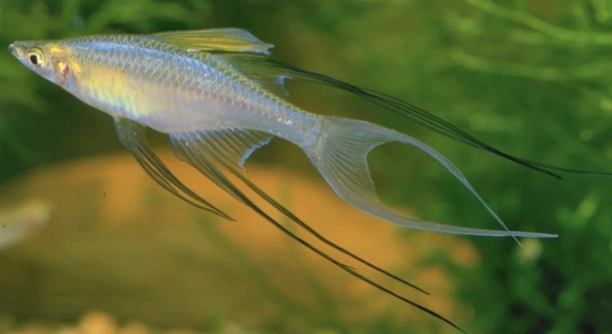
Have you ever watched your aquarium and noticed how your fish seem to react differently when the room light switches suddenly? It can feel surprising when their graceful swimming turns into quick movements in response to light changes.
Threadfin rainbowfish react to sudden light changes with visible stress, often displaying startle responses and rapid swimming. These abrupt movements are linked to their heightened sensitivity to environmental shifts, reflecting natural survival instincts commonly observed in freshwater fish species.
From their shimmering fins to their unique swimming style, understanding how these fish respond to light helps reveal more about their delicate behavior.
Why Light Changes Affect Threadfin Rainbowfish
Threadfin rainbowfish are highly sensitive to their surroundings, and sudden light changes can disrupt their usual calm swimming patterns. In aquariums, they rely on stable lighting to feel secure. When lights turn on or off abruptly, these fish often dart quickly or scatter, showing signs of stress. This behavior comes from their natural instincts to avoid predators or threats. In the wild, light changes often signal danger, like a shadow passing overhead. By reacting instantly, they increase their chances of survival. In a home aquarium, however, these sudden shifts may cause unnecessary tension, making them appear skittish or restless.
If the lighting in an aquarium changes suddenly, threadfin rainbowfish may become restless. Their bodies tense up, and they swim erratically until they feel safe again. Maintaining consistent lighting helps them remain calm and balanced.
Aquarium keepers can manage this by using gradual lighting systems or dimmers to reduce sudden brightness shifts. A simple step like turning on a lamp in the room before switching the main aquarium light can help. This approach softens the contrast and keeps the fish from becoming startled. Creating a stable environment allows the fish to thrive, keeping their movements gentle and natural without unnecessary bursts of stress.
Signs of Stress in Threadfin Rainbowfish
When threadfin rainbowfish experience stress, their behavior becomes easy to notice. They may swim frantically, hide more often, or even lose some of their usual bright colors. These reactions reflect how light changes can disturb them.
Stress can also impact their health over time. If exposed to sudden light changes repeatedly, their immune system may weaken. This can leave them more open to illness and reduce their overall lifespan. They might also eat less or avoid interacting with other fish, which lowers their quality of life. To protect them, consistent care is essential. Avoiding abrupt changes is one of the simplest ways to help. In some cases, adding plants or decorations to the aquarium can create hiding places, which makes the fish feel safer. A calm, steady setting encourages them to display their best colors and keeps their graceful swimming intact for longer.
Creating a Stable Lighting Environment
Threadfin rainbowfish benefit most from steady lighting. Sudden changes can overwhelm them, while consistent schedules help maintain calm. Using timers for aquarium lights is an easy way to reduce stress and encourage predictable behavior patterns.
Gradual lighting is one of the most effective methods to reduce sudden reactions. Dimmers or adjustable LED lights allow brightness to increase or decrease slowly. This helps fish adjust naturally, avoiding rapid movements and stress responses. Even small adjustments, like turning on a soft light in the room before the aquarium light, make a big difference. With time, the fish become more relaxed.
Adding plants to the aquarium creates shaded areas, which provide comfort during brightness shifts. Threadfin rainbowfish can retreat to these spots when light levels change. Decorations such as driftwood or caves also act as safe zones. By combining steady lighting with hiding areas, their stress is reduced, and they show more natural, graceful behavior.
Long-Term Care Considerations
Stress management for threadfin rainbowfish requires attention to both lighting and overall aquarium stability. Balanced conditions, such as proper water parameters and a consistent feeding routine, help reduce sensitivity to sudden changes. Each small step adds to a calmer environment.
Long-term care also means observing their daily patterns. If fish appear restless after lights change, adjustments should be made to reduce strain. A timer-controlled light system is a useful investment, creating smoother transitions. Equally important is minimizing sudden movements near the tank during lighting changes, since this can add to their stress. A gentle routine keeps them healthier. Adding live plants further improves their habitat, offering shade and natural hiding spaces. With thoughtful planning, threadfin rainbowfish thrive, displaying their full colors and maintaining steady activity. Their well-being depends on how consistently their surroundings are managed, making stability the foundation of good care.
The Role of Tank Setup
Tank setup plays an important role in how threadfin rainbowfish respond to light. A well-decorated aquarium gives them places to retreat when brightness changes suddenly, making the environment feel more natural and less stressful.
Plants, caves, and driftwood help provide safe zones. These hiding areas allow fish to feel secure during abrupt shifts, which lowers their stress levels. The more comfortable the environment, the calmer the fish will appear, and the less they will react to changes around them.
Monitoring Behavior Closely
Observing how threadfin rainbowfish behave after light changes helps identify stress. Quick darting, hiding, or color loss are common signs. Careful monitoring makes it easier to adjust the tank setup or lighting to better support their comfort and long-term health.
Preventing Common Issues
Consistent lighting habits help prevent many stress-related problems. When lighting is stable, threadfin rainbowfish maintain better health, show vibrant colors, and swim more naturally. Simple steps like timers and gradual brightness control reduce sudden reactions and create a calmer aquarium environment.
FAQ
How can I tell if my threadfin rainbowfish is stressed by light changes?
Stress in threadfin rainbowfish often shows through behavior and physical signs. They may dart suddenly across the tank, hide more frequently, or lose some of their bright coloration. You might notice them pausing mid-swim or appearing tense when lights switch on or off. Sudden jumps or frenzied swimming are clear indicators that the light change is too abrupt for them. Observing their daily patterns is key. Over time, consistent monitoring helps you recognize what is normal behavior versus stress responses.
What is the best lighting schedule for threadfin rainbowfish?
A steady lighting schedule is ideal for threadfin rainbowfish. Using a timer to keep lights on for 8–10 hours a day creates a predictable environment. Gradual increases and decreases in brightness are better than sudden changes. This mimics natural daylight and allows fish to adjust slowly. Avoid turning lights on and off manually or quickly, as this can trigger startle responses and erratic swimming. A reliable schedule keeps fish calm, supports normal feeding habits, and enhances their coloration over time.
Are LED lights better than fluorescent lights for these fish?
LED lights are generally better because they offer adjustable brightness and can create gradual light transitions. Fluorescent lights can be harsh if not paired with dimmers or diffusers, which may startle fish. LEDs also run cooler, reducing stress from temperature fluctuations. Many aquarists prefer LEDs because they can simulate natural daylight more accurately, helping rainbowfish maintain a steady routine. Controlled lighting helps reduce rapid movements caused by sudden illumination changes and promotes a healthier, more relaxed environment.
Can sudden light changes cause long-term health problems?
Yes, repeated exposure to sudden light shifts can lead to chronic stress. This may weaken the immune system, making rainbowfish more prone to infections and illness. Stress can also reduce appetite and energy levels, affecting growth and coloration. By maintaining consistent lighting and minimizing abrupt changes, these health risks are significantly reduced. A stable environment ensures that rainbowfish remain active, feed well, and show natural vibrant colors without the strain of constant stress.
Is it necessary to add plants or decorations for stress relief?
Adding plants and decorations is highly beneficial. These provide hiding spaces and shaded areas that allow rainbowfish to feel secure during sudden light changes. Driftwood, caves, and floating plants help fish avoid overly bright areas when lights switch on. Such environmental enrichment reduces panic behavior and gives them a sense of safety. Even small adjustments, like placing taller plants near the tank’s bright zones, can make a noticeable difference in their comfort and overall behavior.
How quickly should I adjust aquarium lights to prevent stress?
Lights should be adjusted gradually over several minutes rather than switched instantly. Using dimmers or programmable LEDs can make transitions smoother, helping rainbowfish adapt naturally. Rapid changes can cause them to dart or hide, signaling stress. Small pre-light cues, like turning on a room lamp first, further reduce sudden brightness shock and keep the fish calmer. Gradual lighting routines are a simple and effective strategy to maintain a stress-free environment.
Do rainbowfish react differently during day and night cycles?
Yes, threadfin rainbowfish are more active during daylight and seek shelter at night. Maintaining consistent day-night cycles helps regulate their internal rhythms. Disruptions in lighting, especially sudden changes at night, can confuse them and trigger erratic movements. Properly timed light periods support natural behaviors, feeding schedules, and overall well-being.
Can other fish in the tank affect rainbowfish stress responses to light?
Yes, tank mates can influence how rainbowfish react. Aggressive or overly active fish can add to stress when lights change suddenly. Peaceful companions help maintain calm conditions. Observing interactions and adjusting stocking levels or tank layout can reduce tension and ensure rainbowfish feel safe during lighting shifts.
What are some signs that my rainbowfish is adapting well to the lighting setup?
Adaptation is seen through consistent, smooth swimming and bright, vibrant colors. Fish will feed normally, explore the tank, and use hiding spots only occasionally. Minimal startle responses during light transitions indicate they are comfortable. Over time, these behaviors show that your careful lighting management is helping them thrive in a stable, low-stress environment.
Are there specific times of day when lights should be changed slowly?
Morning and evening are the most important times to adjust lighting gradually. Sudden light changes during these periods can startle fish more than at midday when they are fully active. Simulating sunrise and sunset with gradual increases or decreases helps rainbowfish adjust naturally and reduces stress-related behaviors, keeping their daily routine predictable and comfortable.
This FAQ covers practical approaches to managing threadfin rainbowfish lighting, helping maintain calm, healthy, and visually vibrant fish. Their reactions are sensitive but manageable with careful observation and consistent care.
Final Thoughts
Caring for threadfin rainbowfish requires attention to their environment, especially lighting. These fish are highly sensitive to sudden changes, and even small shifts in brightness can make them react quickly or hide. Consistent lighting is essential to help them feel secure and behave naturally. Using timers or dimmable LED lights is an easy way to maintain a steady light schedule. Gradual transitions, rather than abrupt changes, reduce stress and support their daily routine. Observing how they respond to different lighting conditions can also help identify what works best for each individual fish. Over time, this careful approach makes them calmer and more predictable in behavior, which can be satisfying to notice for any aquarist.
The tank setup itself also plays an important role in keeping rainbowfish comfortable. Providing plants, driftwood, or small hiding spots creates areas where they can retreat if the light becomes too bright. These hiding areas make the fish feel safe and less likely to dart around in panic. A balanced environment includes not only decorations but also stable water conditions, proper temperature, and a regular feeding schedule. When all of these elements work together, the fish are less stressed overall. They swim more naturally, display brighter colors, and show their true personalities. Even small improvements in tank setup can make a noticeable difference in their comfort level and general health.
Finally, understanding rainbowfish behavior requires patience and observation. Every fish may react slightly differently, and adapting their environment to their needs helps them thrive. Gradual lighting changes, a stable schedule, and a well-decorated tank all contribute to a calmer, healthier fish. Being attentive to signs of stress, such as hiding, frenzied swimming, or fading color, allows for early adjustments that prevent long-term health issues. Threadfin rainbowfish are resilient and vibrant, but their sensitivity to light and surroundings means careful management is key. Maintaining a calm and consistent environment ensures they live comfortably, remain visually striking, and continue to display their natural behaviors. Over time, this mindful care builds a harmonious aquarium where both the fish and the keeper benefit from a stress-free setting.

Hello,
If you enjoy the content that we create, please consider saying a "Thank You!" by leaving a tip.
Every little bit helps us continue crafting quality advice that supports the health, happiness, and well-being of pets around the world, for pets of all shapes, sizes, and species.
We really appreciate the kindness and support that you show us!