
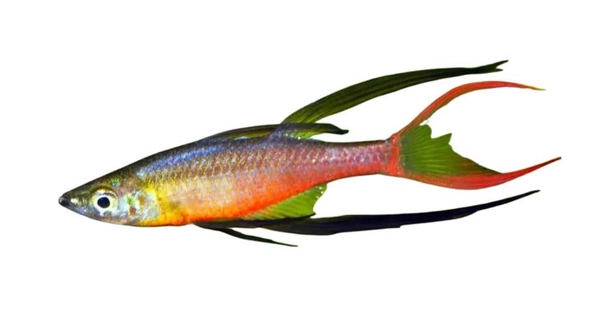
Threadfins are fascinating fish that move gracefully through the water. Observing their feeding habits can reveal subtle preferences. Many hobbyists and researchers have noticed that these fish often seem drawn to particular areas in their tanks.
Threadfins exhibit a preference for a single filter output area due to consistent water flow and optimal oxygen levels. This environment reduces energy expenditure while feeding and provides a stable location for social interactions and maintaining territory within the aquarium.
Learning about these tendencies can help create a more comfortable habitat for threadfins. Adjusting tank design and filter placement ensures healthier, happier fish over time.
Understanding Filter Flow and Threadfin Behavior
Threadfins are highly sensitive to water movement, and the flow created by a filter can influence their behavior. In my tank, I noticed they often swim near one side more than others. This preference is not random—it relates to oxygen distribution and the gentle current that allows them to feed without struggling. Strong currents can tire them quickly, so they naturally seek calmer areas. The selected filter output creates a comfortable spot where they can hover with minimal effort. Over time, this spot becomes a social hub for them. Observing their patterns also helped me see which tank areas were less active. This information is useful when placing decorations, food, or other equipment. Knowing where threadfins prefer to stay allows for better planning of their habitat. It also reduces stress, which is essential for their health and growth.
Adjusting filter placement slightly can make a big difference in their comfort and activity levels.
Even small changes in water flow can alter their daily behavior. Watching them adapt to these conditions offers insight into their natural instincts and helps in creating a stable environment. When they find a suitable spot, feeding becomes easier, aggression decreases, and overall tank dynamics improve. By monitoring their movements, one can also prevent overcrowding in one area, ensuring all parts of the tank are used efficiently. Maintaining consistent oxygen levels at their preferred location supports long-term health and minimizes stress-induced illnesses.
Feeding Near the Preferred Filter Area
Threadfins often gather near the filter output when food is introduced. This area provides both oxygen-rich water and gentle circulation, which aids in digestion and movement.
Providing food near their chosen filter area can improve feeding efficiency and reduce waste. By placing floating or sinking pellets close to their preferred zone, all fish get adequate nutrition without competing too harshly. It also allows them to feed comfortably while remaining in their chosen spot. Observing this behavior gives valuable insight into designing tank layouts and distributing food appropriately. Regularly using this method supports both their health and overall tank balance. Adjusting feeding routines to their habits ensures they are less stressed and more active, which makes maintaining the aquarium smoother and more predictable.
Tank Setup for Optimal Threadfin Comfort
Positioning the filter in a calm, accessible spot makes a noticeable difference in threadfin behavior. I adjusted mine slightly, and they immediately gravitated to that area, spending most of their time there instead of scattered throughout the tank.
A well-planned tank setup takes into account both flow and open swimming space. Threadfins need areas where they can move freely without battling strong currents. Rocks or plants placed too close to the filter output can create turbulence that discourages them from lingering. I found that leaving a clear zone around the output allowed them to hover comfortably, feed efficiently, and interact with each other naturally. Over time, the fish seemed more relaxed, explored other parts of the tank, and even displayed healthier coloration. Simple changes in arrangement and flow direction had an immediate impact on their daily activity patterns and overall well-being.
Lighting also plays a subtle role in their choice of filter area. Bright or uneven lighting near the output can make them avoid it, while soft, consistent lighting encourages them to remain in their preferred spot. Adjusting the tank environment carefully allows for better observation of their natural behavior and helps maintain a balanced ecosystem. By combining thoughtful filter placement with adequate swimming space and gentle lighting, threadfins settle into predictable patterns that reduce stress and support long-term health.
Monitoring Threadfin Health and Behavior
Regular observation of their chosen filter spot makes it easier to track health changes or stress indicators. I noticed subtle shifts in activity immediately after water changes or feed adjustments.
Keeping a close eye on threadfins helps identify early signs of illness or discomfort. Changes in swimming patterns, color, or appetite often appear first in their favorite area. I started recording behavior daily, noting when they hovered near the filter versus exploring other zones. This routine revealed small but important trends, such as their response to temperature changes, new tankmates, or modified water flow. Consistent monitoring allows timely interventions, like adjusting oxygen levels, repositioning the filter, or modifying feeding routines. Over time, these observations improved my ability to maintain a stable, healthy environment that supports both their physical and social needs.
Adjusting Water Flow for Threadfins
A gentle, steady current near the filter encourages threadfins to stay in one area. I noticed that when the flow was too strong, they avoided the spot entirely.
Small tweaks in water flow can make a big difference. Redirecting the output slightly allowed the fish to hover comfortably, reducing stress and improving feeding efficiency.
Filter Placement and Social Behavior
Threadfins often use their preferred filter area for social interactions. In my tank, the chosen spot became a gathering point where fish displayed schooling behavior and mild territorial tendencies. The stable water conditions create a sense of security, allowing them to interact naturally without unnecessary conflict or stress. Maintaining this environment supports both social and feeding habits, keeping the group balanced and active throughout the day. Observing these behaviors over time shows how important filter placement is for their well-being and overall tank dynamics.
Signs of Discomfort
If threadfins avoid their usual filter spot, it may indicate stress or water issues. Regularly checking this area helps detect problems early.
FAQ
Why do threadfins prefer one filter output area?
Threadfins naturally seek areas with consistent water flow and higher oxygen levels. In my experience, they gravitate to a single spot where currents are gentle enough to conserve energy but strong enough to bring food particles within reach. This balance keeps them comfortable while feeding and resting.
Can changing filter placement stress threadfins?
Yes, sudden changes can cause stress. When I moved the filter too far or altered the flow drastically, my threadfins became hesitant to explore the tank. Gradual adjustments work best, allowing them to acclimate and eventually settle into a new preferred area without affecting their feeding or social behavior.
Is filter output strength important for their health?
Absolutely. Too strong a current can tire them out quickly, while too weak a flow may reduce oxygen levels. I aim for a steady, moderate output, which keeps them active and supports digestion. Proper flow also prevents stagnant areas where debris and waste can accumulate, promoting overall tank cleanliness.
How does tank layout affect their filter preference?
Tank decorations, rocks, and plants influence flow patterns. I’ve noticed that placing obstacles too close to the filter output makes threadfins avoid the area. Leaving a clear zone around the filter encourages them to hover comfortably. Open swimming space is essential for movement and social interaction while allowing safe feeding near the preferred spot.
Do all threadfins prefer the same type of filter output?
No, individual fish have slight differences in preference. In my experience, some choose slightly stronger currents, while others favor calmer areas nearby. Observing their daily activity helps identify patterns. Adjusting flow direction or output placement allows multiple fish to feel comfortable without crowding one spot, reducing stress and competition.
Can temperature changes affect their filter area preference?
Yes, temperature plays a role. I’ve seen threadfins shift locations when water gets too warm or cool. They tend to select areas where flow helps regulate temperature slightly. Keeping consistent tank conditions ensures they remain in their preferred spot and continue normal feeding and social behaviors.
How often should I monitor their preferred filter area?
Daily observation works best. I check their activity near the filter during feeding and at other times to note any unusual behavior. Regular monitoring helps detect early signs of illness, stress, or water quality issues. Minor adjustments can then be made promptly to maintain a healthy environment.
Does feeding near the filter improve their nutrition?
Yes, positioning food near the preferred output increases feeding efficiency. Threadfins spend less energy chasing pellets, ensuring they get adequate nutrition. I use floating or sinking pellets, depending on their habits, and distribute them near the area. This approach minimizes waste and ensures all fish can feed comfortably.
What signs show discomfort related to filter flow?
Avoiding the usual filter area, erratic swimming, or lethargy often indicates discomfort. I watch for sudden changes in activity, as these can signal issues with water flow, oxygen levels, or tank layout. Prompt attention helps prevent stress-related illness and maintains a stable, balanced aquarium environment.
Can adjusting lighting affect their filter preference?
Yes, lighting near the filter matters. Bright or uneven lighting can make threadfins avoid the area. I found that soft, consistent lighting encourages them to remain near the preferred spot. Proper illumination helps them feed comfortably and reduces stress while maintaining natural behavior patterns.
How does water quality impact their filter habits?
High-quality water with proper oxygenation, pH balance, and low waste buildup encourages threadfins to stay near their chosen filter area. I regularly test parameters and perform partial water changes. This keeps the environment safe, reduces stress, and ensures that their preferred area remains attractive for feeding and socializing.
Should I provide multiple filter outputs for larger tanks?
Yes, larger tanks benefit from multiple gentle outputs. This allows threadfins to choose their preferred spot while maintaining access to oxygen and flow. I’ve used this setup in a bigger tank, and it prevents crowding, ensures even distribution of nutrients, and supports healthier social dynamics among the fish.
How long does it take for threadfins to settle into a preferred area?
It can vary, but generally, a few days to a week is enough for them to establish a routine. I’ve noticed that gradual changes in flow or layout speed up the process. Once they settle, they consistently return to the same spot for feeding, resting, and social interactions, making tank maintenance easier and predictable.
Can stress from other tankmates affect their filter area choice?
Yes, aggressive or territorial tankmates can push threadfins away from their preferred spot. I monitor interactions carefully and sometimes rearrange decorations to create multiple calm zones. This ensures that all fish can access oxygen-rich areas comfortably without conflict, maintaining harmony and reducing stress across the tank.
Is it necessary to clean the filter more often if threadfins favor one output?
Yes, high activity around a single output can lead to localized debris buildup. I clean the filter and surrounding area regularly to maintain flow efficiency and water quality. Consistent maintenance ensures the preferred spot remains attractive and healthy for threadfins, preventing stress and encouraging natural behavior.
Final Thoughts
Creating a comfortable environment for threadfins requires attention to their preferred filter output area. Observing their behavior closely helps determine where they feel safest and most active. In my experience, these fish consistently return to the same spot, showing that flow, oxygen, and calm surroundings matter more than random tank placement. By noting where they spend most of their time, I was able to adjust decorations, feeding zones, and lighting to support their daily routines. This simple observation can prevent stress and improve overall health, making the aquarium easier to manage. Threadfins respond well to subtle changes, and ensuring their comfort requires both patience and careful monitoring. Small adjustments to the filter output, like redirecting flow or slightly raising the output, often make a noticeable difference in their activity levels. Once the right balance is achieved, they appear calmer, feed more efficiently, and interact naturally, showing that environmental comfort plays a key role in their well-being.
Consistency in water quality and tank setup is another important factor. Maintaining proper oxygen levels, stable temperature, and clean water keeps threadfins active near their chosen area. In my experience, sudden fluctuations in water parameters often caused them to avoid their usual spot, which signaled potential stress. Regular observation allows early detection of issues, whether it’s water flow, cleanliness, or tankmate behavior. I noticed that once I established a consistent routine of testing and partial water changes, my threadfins returned to their preferred area more reliably. Even small improvements, like adjusting flow strength or clearing debris near the filter output, had a noticeable impact. A stable and predictable environment helps threadfins feel secure, encouraging normal feeding and social patterns. Over time, maintaining consistency leads to healthier fish and a more balanced tank, which benefits both the animals and the caretaker.
Finally, understanding threadfins’ behavior near their preferred filter output improves not only their comfort but also the efficiency of managing an aquarium. By observing patterns, adjusting tank layout, and monitoring water flow, I was able to create an environment that supports feeding, rest, and social interactions. Paying attention to details like filter placement, lighting, and current strength helps ensure the fish remain calm and active. This careful planning also reduces stress and prevents potential health issues. Threadfins thrive in conditions where their needs are met consistently, and noticing small preferences can guide these adjustments. Over time, creating such an environment makes the tank more predictable and easier to maintain. Watching them hover comfortably near the filter output and interact naturally is rewarding, showing that even simple changes can make a significant difference in their well-being. Small steps, like tweaking flow or adjusting the area around the output, go a long way in supporting their long-term health and creating a balanced, harmonious aquarium.

Hello,
If you enjoy the content that we create, please consider saying a "Thank You!" by leaving a tip.
Every little bit helps us continue crafting quality advice that supports the health, happiness, and well-being of pets around the world, for pets of all shapes, sizes, and species.
We really appreciate the kindness and support that you show us!