
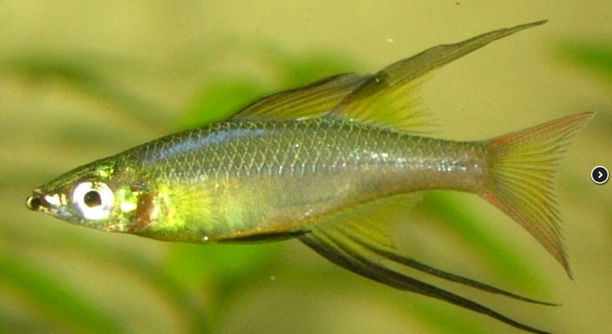
Have you ever noticed how threadfins seem unsettled when their tank lighting changes? These fish are sensitive to light shifts, and even small differences in brightness or color can affect their daily behavior and feeding patterns.
Threadfins adjust to new lighting by gradually acclimating them to the changes. This can involve slowly increasing light intensity, maintaining consistent photoperiods, providing shaded areas, and monitoring behavior to reduce stress and ensure normal feeding and swimming activity.
Understanding these adjustments helps create a comfortable environment for your fish. Following simple steps can make a noticeable difference in their wellbeing and overall tank harmony.
Gradual Light Introduction
Introducing new lighting to a threadfin tank should always be done slowly. Sudden brightness changes can cause stress, leading to hiding, erratic swimming, or reduced feeding. Start by dimming the lights for a few hours a day, gradually increasing intensity over a week. Observing how the fish react during this period is crucial. Threadfins may initially seem unsettled, but consistent, slow adjustments help them adapt naturally. Using a timer can maintain steady light schedules, preventing abrupt changes. Adding shaded areas or plants gives them spots to retreat, further reducing stress. It’s important to note that both the color and intensity of light affect behavior. Cooler lights often promote calm activity, while warmer lights can encourage more active swimming. Always monitor feeding and social interactions to ensure the changes are not causing long-term disruption. Maintaining patience during this process is key to successful adaptation.
Gradual light changes allow threadfins to adjust naturally, reducing stress and promoting healthier activity and feeding patterns over time.
Creating shaded zones, using timers, and adjusting light intensity slowly ensures threadfins feel secure. Watching behavior during these adjustments shows how well they are adapting. These small efforts help establish a stable environment and maintain normal routines, promoting long-term health.
Consistent Photoperiod
Keeping a consistent photoperiod is essential for threadfins. A stable light schedule helps regulate feeding, swimming, and resting cycles. Disruptions to the day-night rhythm can increase stress and decrease activity.
A regular photoperiod means setting lights to turn on and off at the same times daily, mimicking natural conditions. Threadfins respond best when their environment has predictability. Sudden deviations can confuse them, leading to irregular feeding or rest. Using a timer is the easiest way to maintain consistency. Combining stable light schedules with gradual intensity adjustments ensures the fish adapt smoothly. Photoperiod consistency also supports their internal circadian rhythm, which affects hormones and overall health. Even minor irregularities in lighting can cause visible behavioral changes, such as excessive hiding or altered swimming patterns. Monitoring their response over several days allows for fine-tuning the schedule. Incorporating natural breaks in lighting, such as gradual dimming in the evening, further mimics their natural habitat. Consistency, combined with gentle light adjustments, promotes comfort and reduces stress, helping threadfins thrive in their environment.
Use of Shaded Areas
Shaded areas give threadfins a place to retreat when lighting changes. These spots reduce stress and allow fish to explore the tank at their own pace, promoting natural behavior and improving overall comfort.
Providing shaded zones with plants, rocks, or decor helps threadfins feel secure. When lighting increases, fish can move into these areas to avoid sudden brightness. Over time, shaded spots encourage confidence and gradual adaptation to the new environment. It’s important to place these zones in multiple parts of the tank, so fish have options. Observing where threadfins prefer to hide shows how they are responding. Combining shaded areas with gentle light adjustments makes adaptation smoother. Even simple arrangements can make a noticeable difference in behavior, feeding, and overall wellbeing. Shaded areas mimic natural habitats, supporting normal routines and reducing stress during lighting changes.
Threadfins explore the tank more when shaded areas exist. They learn to move between light and dark zones naturally. This promotes activity without causing unnecessary stress. Observing patterns helps adjust placement and lighting effectively.
Monitoring Behavior Closely
Closely watching threadfins during lighting changes reveals how they handle stress and adaptation. Noticing hiding, swimming patterns, and feeding habits is essential for intervention when needed.
Tracking behavioral changes helps determine if the new lighting is suitable. Sudden hiding, reduced feeding, or unusual swimming may indicate stress, while calm and active behavior shows successful adaptation. Recording observations over several days ensures accurate assessment. Adjustments can include slightly reducing light intensity, adding more shaded areas, or altering the photoperiod. Gradual changes are key, as threadfins react more positively to incremental adjustments rather than abrupt shifts. Stress signs should never be ignored, as prolonged exposure can affect health and growth. Monitoring also helps predict long-term patterns, ensuring lighting supports normal routines. Providing consistent care, combined with careful observation, allows threadfins to adapt safely and comfortably, maintaining both activity and feeding behavior in a controlled environment.
Gradual Light Reduction
Reducing light gradually at the end of the day helps threadfins adjust without stress. Sudden darkness can cause confusion and hiding, while slow dimming allows them to settle naturally.
Using timers or dimmable lights ensures a smooth transition. This method supports normal resting behavior and reduces anxiety.
Adjusting Light Color
Different light colors can affect threadfin behavior. Cooler tones often create a calming environment, while warmer tones may stimulate activity. Choosing the right balance helps maintain normal feeding and swimming patterns. Gradually introducing new color tones prevents sudden stress responses. Observing how fish react to changes allows for fine-tuning the light setup. Combining color adjustments with gradual intensity changes ensures the environment remains comfortable. Over time, threadfins adapt to both brightness and color, maintaining consistent behavior. The right lighting enhances visibility of natural colors and promotes overall wellbeing. This approach supports a stable and healthy tank ecosystem.
Maintaining Clean Water
Clean water complements lighting adjustments, reducing stress and supporting adaptation. Filtration and regular changes are essential.
FAQ
How long does it take for threadfins to adjust to new lighting?
Threadfins typically need one to two weeks to fully adjust to new lighting, depending on the intensity and color changes. Gradual adjustments shorten stress periods, while sudden changes can extend adaptation time. Monitoring feeding and swimming behavior helps gauge progress.
Can threadfins handle bright lights immediately?
No, bright lights should be introduced slowly. Sudden exposure can cause hiding, erratic swimming, and decreased feeding. Using a dimmer or gradual increase over several days allows fish to acclimate without stress.
Is colored lighting better than standard white lighting?
Colored lighting can be beneficial if introduced correctly. Cooler tones usually calm threadfins, while warmer tones stimulate activity. Gradual shifts in color help maintain normal behavior and prevent stress. Observing reactions allows fine-tuning for each tank setup.
How often should shaded areas be changed?
Shaded areas do not need frequent changes. Consistency helps threadfins feel secure. Only move or adjust decorations if the tank layout requires it or if certain zones are unused, which may indicate discomfort or stress.
What are the signs of lighting stress in threadfins?
Common stress signs include hiding excessively, swimming near the bottom, irregular feeding, and rapid gill movement. Consistently observing these behaviors helps identify whether lighting adjustments are needed. Small tweaks in intensity, color, or photoperiod usually resolve these issues.
Can timers really help threadfins adjust?
Yes, timers are very effective. They ensure consistent on/off periods, mimicking natural day-night cycles. Consistent lighting reduces confusion, supports normal feeding schedules, and helps threadfins establish a stable routine in their environment.
Do shaded areas improve overall tank harmony?
Shaded areas create safe spaces, reducing competition and stress. They encourage natural exploration while allowing retreat during bright periods. A few well-placed zones help threadfins feel secure, promoting smoother interactions and more balanced swimming patterns.
How often should I monitor behavior during lighting changes?
Daily monitoring is recommended, especially during the first week of changes. Watching feeding, swimming, and hiding patterns helps identify stress early. Adjustments can be minor, such as dimming lights slightly or rearranging shaded areas to support adaptation.
Will light intensity affect feeding habits?
Yes, light intensity directly impacts feeding. Too bright or sudden lighting can reduce appetite, while gradual intensity adjustments encourage normal eating behavior. Pairing light changes with consistent feeding times reinforces routine and comfort.
Are there long-term effects if threadfins don’t adjust properly?
Prolonged stress from improper lighting can affect growth, immunity, and activity. It may also cause behavioral changes, such as constant hiding or aggression. Consistent, gradual adjustments with shaded areas and careful monitoring help prevent long-term issues and maintain a healthy tank.
Should lighting adjustments be combined with other environmental changes?
Combining lighting adjustments with stable water conditions, regular cleaning, and proper feeding ensures threadfins adapt safely. A balanced approach reduces stress, supports natural behaviors, and promotes overall wellbeing, making transitions smoother and more predictable.
How do I know if my adjustments are working?
Positive signs include normal feeding, balanced swimming, and reduced hiding. Fish gradually explore the tank and interact naturally. Consistent behavior over several days indicates successful adaptation, showing the lighting setup is appropriate for their needs.
Can sudden changes in color or intensity be harmful?
Yes, abrupt changes can cause stress, confusion, and decreased appetite. Gradual adjustments with monitoring ensure fish have time to acclimate, maintaining health and preventing behavioral disruptions. Even small, incremental changes are safer than immediate shifts.
Is it necessary to replicate natural light cycles?
Replicating natural day-night cycles helps threadfins maintain circadian rhythms, supporting feeding, resting, and overall activity. Timers, gradual intensity changes, and shaded areas mimic natural conditions effectively, promoting consistent behavior and reducing stress.
What is the best combination of light and shade for adaptation?
A mix of gradual light intensity, moderate color adjustments, and multiple shaded zones works best. Fish have choices to explore or retreat, helping them regulate stress naturally. Observing preferences allows you to fine-tune placement for comfort and normal activity.
How important is patience during lighting adjustments?
Patience is essential. Threadfins need time to acclimate. Rushing changes can lead to stress, hiding, or reduced feeding. Taking small, deliberate steps ensures a smooth transition and long-term wellbeing, keeping fish active and healthy.
Are there any tools to help monitor adaptation?
Observation logs, cameras, and timers are useful. Tracking feeding, swimming, and hiding behaviors provides insights into stress and adaptation progress. Timers ensure consistent photoperiods, while cameras allow remote monitoring without disturbing the fish.
Can multiple threadfins adapt together or separately?
Group adaptation often works well, as fish follow each other’s behavior. However, some individuals may need extra time in shaded areas. Observing both group and individual responses ensures all threadfins adjust safely to new lighting conditions.
Does tank size affect lighting adaptation?
Yes, larger tanks may require more shaded areas and gradual light diffusion. Smaller tanks benefit from carefully controlled intensity and placement. Both setups require monitoring, but larger spaces need extra attention to ensure all fish find comfort zones.
What should I avoid during lighting adjustments?
Avoid sudden brightness or color changes, removing shaded areas, or inconsistent photoperiods. These actions increase stress and disrupt behavior. Gradual adjustments, consistent routines, and safe hiding spaces support smooth adaptation and maintain overall fish health.
Can light changes affect water temperature?
Strong lighting can slightly raise water temperature. Monitor levels to prevent stress. Combining lighting adjustments with proper filtration and circulation ensures stable water conditions, complementing the adaptation process.
How do I balance natural and artificial lighting?
Mixing soft natural light with controlled artificial light helps threadfins feel secure while maintaining consistent photoperiods. Avoid direct sunlight, which may create hot spots or algae growth. Gradual transitions support a comfortable and balanced tank environment.
How often should lighting setups be reviewed?
Review every few weeks, especially after initial adjustments. Observing fish behavior and tank conditions ensures lighting continues to meet their needs. Minor tweaks can improve comfort, feeding, and overall activity, supporting long-term wellbeing.
What are the most common mistakes with lighting adjustments?
The most common mistakes include sudden intensity changes, inconsistent photoperiods, and removing shaded areas. Rushing adaptation or ignoring stress signs can harm health and behavior. Patience, monitoring, and gradual adjustments prevent these problems.
Are there long-term benefits to proper lighting adaptation?
Yes, proper adaptation supports natural behavior, reduces stress, maintains appetite, and promotes growth. Threadfins become more active and confident, leading to a healthier, balanced tank environment that supports both individual and group wellbeing.
How do I combine all techniques effectively?
Gradually adjust intensity, monitor behavior, maintain a consistent photoperiod, provide shaded areas, and ensure clean water. Observing fish daily allows small adjustments, creating a safe, comfortable environment. Combining these techniques ensures threadfins adapt smoothly and maintain normal activity, feeding, and social behavior.
Final Thoughts
Adjusting threadfins to new lighting requires patience and attention to detail. These fish are sensitive to sudden changes, and their behavior can shift noticeably when lights are altered too quickly. Gradual transitions in brightness, careful consideration of light color, and maintaining consistent photoperiods are all essential for helping threadfins feel comfortable. Even small adjustments in lighting can have a significant effect on their activity levels and feeding habits. Observing their reactions during this process provides valuable feedback about whether the changes are suitable or need further refinement. Shaded areas and hiding spots are also important because they give fish a sense of security. When combined with slow lighting adjustments, these elements help threadfins acclimate naturally without unnecessary stress.
Maintaining consistency is another key factor in ensuring smooth adaptation. Using timers for lights guarantees a predictable schedule, which supports normal swimming and feeding routines. Inconsistent lighting can cause confusion and stress, affecting both individual fish and the overall harmony in the tank. Beyond light management, clean water and proper tank maintenance complement these adjustments, promoting health and wellbeing. Regular observation is necessary, especially during the first few weeks of a new lighting setup. By monitoring swimming patterns, feeding behavior, and interactions, you can identify signs of stress early and take corrective action. Small steps, repeated carefully, often make the biggest difference, and threadfins respond best to a patient and structured approach.
Overall, helping threadfins adjust to new lighting is a process that combines gradual environmental changes, attentive monitoring, and consistent routines. When all these factors are managed thoughtfully, fish are more likely to thrive in their habitat. The combination of shaded areas, slow light transitions, proper photoperiods, and clean water provides a foundation for long-term health and normal behavior. Although adaptation may take time, the effort ensures that threadfins remain active, feed well, and interact naturally within the tank. Paying attention to small details and making gradual adjustments reduces stress and encourages confidence in the fish. With patience, observation, and care, it is possible to create a stable, comfortable environment that supports threadfins’ long-term wellbeing and allows them to flourish under new lighting conditions.

Hello,
If you enjoy the content that we create, please consider saying a "Thank You!" by leaving a tip.
Every little bit helps us continue crafting quality advice that supports the health, happiness, and well-being of pets around the world, for pets of all shapes, sizes, and species.
We really appreciate the kindness and support that you show us!