
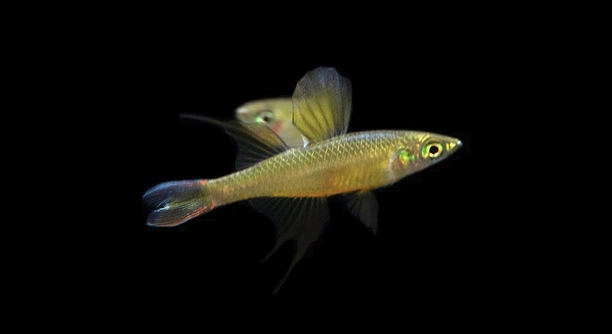
Are your Threadfin Rainbowfish swimming in opposite directions and leaving you puzzled in your aquarium? Observing their behavior can be both fascinating and concerning, especially when these colorful fish do not move as a group.
Threadfin Rainbowfish often swim in opposite directions due to territorial instincts, stress, or environmental factors. Uneven water flow, insufficient hiding spaces, or sudden changes in lighting and temperature can cause disorientation and irregular swimming patterns.
Understanding their behavior can help restore harmony in your tank and ensure your fish remain healthy and comfortable in their environment.
Common Causes of Opposite Swimming
Threadfin Rainbowfish may swim in opposite directions for several reasons. One main factor is stress, which can be triggered by overcrowding, sudden changes in water conditions, or the introduction of new tank mates. Stress affects their swimming patterns and can cause erratic movement. Water quality is another key factor. Poor filtration or irregular maintenance may increase toxins in the tank, leading fish to behave unusually. Uneven water flow or strong currents can also cause them to swim against each other. In addition, territorial behavior may play a role, especially among males. Each fish may claim a section of the tank, creating a natural opposition in movement. Observing your fish closely and noting when they swim in opposite directions can help identify patterns. Providing a calm, well-maintained environment with adequate hiding spots reduces stress and encourages synchronized swimming.
Providing consistent water quality and gentle flow can improve their behavior quickly.
Monitoring their interactions daily allows you to spot stress triggers early and maintain harmony in the tank.
Environmental Adjustments to Improve Swimming
Adjusting tank conditions can help Threadfin Rainbowfish swim more harmoniously. Small changes in flow, lighting, and structure often make a noticeable difference.
Ensure water temperature, pH, and cleanliness are consistent. Use gentle filtration to avoid strong currents that push fish in opposite directions. Add plants or ornaments to create hiding spaces, reducing stress and territorial disputes. Light intensity should be moderate, mimicking natural conditions without startling the fish. Observing how fish respond to these adjustments helps you fine-tune the environment. Maintaining regular feeding times and avoiding sudden changes in the tank encourages stability. Over time, these adjustments can lead to more uniform swimming patterns and a calmer aquarium. Creating a predictable, comfortable environment is key for reducing erratic movement.
By systematically adjusting water flow, structure, and lighting, you support natural behavior and reduce stress. Attention to small details ensures your fish remain healthy and active, swimming cohesively throughout the tank. Consistency in maintenance and observation is crucial for long-term stability. Small environmental tweaks often prevent conflicts and help all fish feel secure. Overcrowding or sudden changes should be avoided, as they quickly disrupt harmony. Monitoring responses after each adjustment ensures that you identify effective changes and maintain an ideal habitat. Properly arranged plants, moderate currents, and stable conditions encourage peaceful interactions. Through careful observation and regular care, your Threadfin Rainbowfish can regain natural swimming patterns and enjoy a stress-free tank environment.
Feeding and Its Impact on Swimming
Uneven feeding can influence how Threadfin Rainbowfish swim. Fish may dart in opposite directions if they compete for food or if some areas of the tank receive more attention than others.
Feeding habits affect swimming patterns because fish associate certain areas with food. If pellets or flakes are scattered unevenly, some fish will chase food in one direction while others move elsewhere, creating opposite swimming behavior. Overfeeding can worsen this by increasing waste, which reduces water quality and adds stress. Maintaining a consistent feeding routine and distributing food evenly helps fish settle into predictable patterns, reducing chaotic movement. Observation during feeding times allows adjustment to portions and placement, encouraging calm swimming.
Proper feeding schedules and even distribution can promote harmonious swimming. Small adjustments in diet timing and placement often lead to more coordinated movement throughout the tank.
Social Dynamics and Group Behavior
Threadfin Rainbowfish are naturally social, but group size and composition can affect swimming. Conflicts or dominance disputes may arise when fish are mismatched in size or personality.
When fish are stressed by social hierarchy, weaker individuals may swim in opposite directions to avoid aggression. Adding new fish without acclimation can trigger sudden, erratic movement. Keeping an even number of males and females reduces territorial disputes. Observing interactions helps identify aggressive or shy individuals. In some cases, separating particularly dominant fish temporarily can restore balance. Providing visual barriers and hiding spots allows subordinate fish to feel secure, reducing oppositional swimming. Maintaining a stable, compatible group promotes cohesive movement and lowers stress throughout the tank.
Paying attention to group composition and behavior ensures your fish swim together more naturally. Adjusting social dynamics often improves overall harmony and reduces stressful encounters.
Water Flow and Current
Strong or uneven water flow can make Threadfin Rainbowfish swim in opposite directions. Fish often struggle against currents, causing them to disperse and move unpredictably.
Positioning the filter and adjusting flow helps create a gentle, consistent current. Even water movement encourages synchronized swimming and reduces stress caused by fighting strong currents.
Lighting Conditions
Bright or fluctuating light can disorient fish. Sudden changes in lighting may trigger opposite swimming as they react to perceived threats or shifts in their environment. Maintaining stable, moderate lighting helps fish move calmly and reduces erratic behavior.
Tank Layout
The arrangement of plants, rocks, and decorations affects movement. Open areas may invite darting, while dense areas provide security. Thoughtful placement helps Threadfin Rainbowfish navigate the tank confidently and swim cohesively.
Observation and Monitoring
Regular observation allows you to identify patterns in opposite swimming. Tracking behavior helps pinpoint stressors, feeding issues, or social conflicts. Early detection enables timely adjustments, ensuring fish remain healthy and comfortable in their habitat.
FAQ
Why are my Threadfin Rainbowfish suddenly swimming in opposite directions?
Sudden opposite swimming is usually linked to stress or environmental changes. Common triggers include new tank mates, altered water conditions, or stronger-than-usual currents. Fish may also respond to changes in lighting or sudden disturbances near the tank. Observing when this behavior starts helps identify the cause.
Can poor water quality cause opposite swimming?
Yes, poor water quality is a frequent reason. High levels of ammonia, nitrites, or nitrates can stress fish, making them swim erratically. Inadequate filtration, infrequent water changes, or leftover uneaten food can reduce water quality. Regular testing and cleaning ensure a stable, safe environment.
Does tank size affect their swimming direction?
Tank size plays a role. Crowded tanks increase stress and territorial disputes, causing fish to swim apart. Smaller tanks restrict movement, leading to overlapping paths and erratic behavior. Providing ample space allows fish to establish territories and move more naturally.
How does feeding impact swimming behavior?
Uneven feeding causes fish to chase food in different directions. Overfeeding adds waste, reducing water quality and causing stress. Consistent feeding schedules and even food distribution promote calmer, coordinated movement. Observing fish during feeding helps adjust portions and placement effectively.
Will adding plants or decorations help?
Yes, proper tank layout reduces stress. Dense plants and decorations provide hiding spots and break lines of sight, decreasing aggression and territorial disputes. Open areas encourage swimming but should be balanced with secure zones to help fish feel safe.
Do social interactions affect swimming patterns?
Absolutely. Threadfin Rainbowfish have natural social hierarchies. Aggressive or dominant individuals can cause others to flee or swim in opposite directions. Maintaining balanced groups and monitoring interactions prevents long-term stress and promotes cohesive swimming.
Can lighting changes trigger opposite swimming?
Lighting influences fish behavior. Sudden brightness or fluctuations may startle fish, causing them to move unpredictably. Moderate, consistent lighting mimics natural conditions, helping fish settle into normal swimming patterns. Timed lighting systems can maintain stability.
Is opposite swimming dangerous for my fish?
Usually, it’s not immediately harmful but can indicate stress or environmental issues. Persistent erratic swimming may lead to fatigue, weakened immune response, or increased vulnerability to illness. Addressing underlying causes helps maintain long-term health.
How long does it take for fish to swim normally again?
Recovery depends on the cause. Minor stress may resolve within hours or days after adjustments, while environmental or social issues could take weeks. Consistent care, proper feeding, stable water conditions, and observing interactions all speed up recovery.
Should I separate fish that swim in opposite directions?
Separation is only necessary if aggression is severe. Otherwise, adjustments to water flow, tank layout, or group composition are more effective. Temporary separation of dominant individuals can restore balance, allowing calmer, coordinated swimming to resume.
What role does water temperature play?
Temperature affects metabolism and activity levels. Sudden changes can stress fish, leading to erratic swimming. Maintaining a consistent temperature suitable for Threadfin Rainbowfish ensures normal behavior and reduces opposite swimming.
Can opposite swimming indicate illness?
In some cases, yes. Parasites, bacterial infections, or internal issues may cause disorientation. Look for additional signs like clamped fins, lethargy, or loss of appetite. Early detection and treatment prevent worsening health problems.
How often should I observe my fish to catch issues early?
Daily observation is ideal. Short checks during feeding or quiet moments help identify changes in swimming, behavior, or appearance. Logging patterns can reveal triggers and guide necessary adjustments for a healthier, calmer aquarium.
Are some fish naturally more prone to swimming in opposite directions?
Individual temperament matters. Some Threadfin Rainbowfish are more curious or territorial, making them more likely to swim separately. Understanding personalities helps manage group dynamics and reduce stress-driven erratic movement.
Will adjusting water flow solve the problem completely?
Adjusting flow often improves swimming behavior but may not address all causes. Combined with proper tank layout, feeding routines, and social management, it helps create a calm environment where fish swim cohesively.
How can I prevent opposite swimming in the future?
Consistent tank maintenance, balanced social groups, proper feeding, gentle water flow, and stable lighting are key. Observation and small adjustments as needed prevent stress, promote harmony, and encourage natural swimming patterns in your Threadfin Rainbowfish.
This FAQ provides practical steps and insights to help understand and manage opposite swimming, ensuring a healthier, calmer aquarium environment.
Final Thoughts
Threadfin Rainbowfish are active and social fish, and their behavior can sometimes be confusing, especially when they swim in opposite directions. This behavior is not always a sign of illness but often reflects stress, environmental factors, or social dynamics within the tank. By observing your fish carefully, you can begin to identify patterns and triggers that cause erratic movement. Paying attention to water quality, tank layout, feeding routines, and group composition can significantly reduce stress and help your fish move more cohesively. Small adjustments, such as adding plants or decorations, creating hiding spots, or adjusting water flow, can make a noticeable difference in how your fish behave.
Maintaining consistent care is essential for Threadfin Rainbowfish. Regular water testing, proper filtration, and stable temperature and lighting provide a predictable environment that promotes natural behavior. Overfeeding or uneven feeding can create tension and contribute to opposite swimming, so establishing a routine and distributing food evenly helps maintain calm and coordinated movement. Social interactions also play a significant role. Ensuring that the group has balanced numbers of males and females and observing dominant or aggressive fish can prevent territorial disputes and minimize stress. By carefully monitoring how your fish interact, you can make small changes that improve harmony and create a more relaxed atmosphere in the tank.
Understanding and addressing the reasons behind opposite swimming takes patience and observation. Each tank and group of fish is unique, so solutions may vary depending on the specific environment and personalities of your Threadfin Rainbowfish. Adjustments such as modifying tank layout, optimizing water flow, maintaining clean and stable water conditions, and monitoring social dynamics can have a lasting impact on their behavior. Over time, these efforts help your fish feel secure, reduce erratic swimming, and encourage healthy, natural movement throughout the tank. By staying attentive and proactive, you can create an environment where your Threadfin Rainbowfish thrive and display their beautiful, synchronized swimming patterns consistently.

Hello,
If you enjoy the content that we create, please consider saying a "Thank You!" by leaving a tip.
Every little bit helps us continue crafting quality advice that supports the health, happiness, and well-being of pets around the world, for pets of all shapes, sizes, and species.
We really appreciate the kindness and support that you show us!