
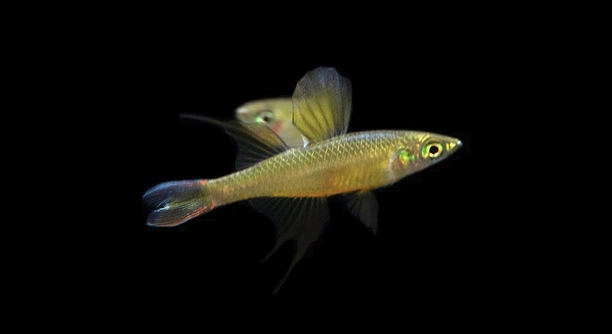
Threadfin rainbowfish are known for their lively shoaling behavior, creating a vibrant display in home aquariums. Observing them suddenly stop swimming together can be surprising, leaving owners concerned about their well-being and tank environment.
Threadfin rainbowfish may stop shoaling due to stress, changes in water conditions, illness, or social hierarchy shifts. These factors affect their behavior and comfort, prompting them to separate temporarily or seek shelter until they feel secure again.
Understanding these triggers will help maintain a healthy tank environment and support your rainbowfish’s natural social behavior over time.
Environmental Stress Factors
Threadfin rainbowfish are very sensitive to their surroundings. Sudden changes in water temperature, pH levels, or hardness can trigger stress and make them stop shoaling. Strong currents or overcrowded tanks may also cause discomfort. Even small adjustments, like introducing new plants or decorations, can unsettle them temporarily. Maintaining stable conditions helps the fish feel secure and encourages natural group behavior. Observing their swimming patterns closely can reveal signs of distress, such as hiding or erratic movements. Providing plenty of space, gentle filtration, and consistent lighting contributes to a calm environment. Ensuring the tank is free from sudden loud noises or vibrations can also reduce stress. Feeding routines play a role, too; irregular feeding may create competition or unease among the fish. By monitoring these environmental factors and responding promptly to changes, the likelihood of disrupted shoaling decreases. This attention ensures the rainbowfish remain active, social, and healthy within their habitat.
Even minor fluctuations in water quality can have an immediate impact on their behavior, making careful monitoring essential.
Creating a stable environment requires patience and observation. Gradually adjusting temperature and maintaining consistent pH levels helps rainbowfish feel secure. Overcrowding should be avoided, and plants or decorations should be added slowly. Proper lighting and gentle water flow make them comfortable. Regular feeding schedules prevent stress-related aggression. By paying attention to these elements, shoaling behavior remains consistent, and fish health improves. Over time, consistent care fosters a natural, harmonious tank where rainbowfish feel confident swimming together and engaging in their usual social routines.
Health and Social Dynamics
Illness and social structure changes can influence shoaling behavior.
Diseases, parasites, or injuries can make a rainbowfish withdraw from the group to conserve energy or recover safely. Additionally, shifts in social hierarchy, such as the introduction of new fish or dominance disputes, may temporarily disrupt their formation. Observing their appearance and interactions is key. Regular health checks, quarantine for new fish, and prompt treatment of any symptoms reduce the likelihood of prolonged isolation. Encouraging a balanced social environment with compatible tank mates supports natural shoaling patterns. Providing hiding spaces allows stressed or weaker fish to regain confidence without being bullied. Awareness of their social cues ensures the group maintains harmony. Adjustments to the tank setup, careful monitoring of feeding routines, and managing territorial behavior all help rainbowfish reestablish cohesive shoals. A combination of attentive care, consistent water quality, and attention to health ensures they return to their lively, synchronized swimming. Over time, maintaining these practices fosters both physical well-being and social stability.
Tank Setup and Space
Adequate space is essential for threadfin rainbowfish. Crowded tanks limit movement and increase stress, causing them to separate. A properly sized aquarium allows free swimming and helps maintain natural shoaling behavior, reducing tension among the fish.
Ensuring proper tank size requires attention to both length and width. A longer tank allows fish to swim in schools without bumping into decorations or each other. Open areas combined with hiding spots provide a balance between security and freedom. Substrate, plants, and driftwood should be arranged to prevent overcrowding while still offering shelter. Gentle filtration and steady water flow also support comfortable movement. Regular cleaning and water changes maintain a stable environment, preventing sudden changes that might disturb the group. Proper planning of tank layout ensures rainbowfish can swim naturally and maintain their social structure.
Introducing new tank elements gradually minimizes stress. Rearranging decorations too quickly can disrupt established shoaling patterns. Providing sufficient vertical and horizontal space ensures all fish can coexist peacefully. Monitoring interactions after changes helps identify any signs of discomfort early. Over time, consistent tank management creates a stable environment where rainbowfish remain active and socially cohesive, swimming together confidently.
Feeding and Nutrition
Balanced nutrition supports overall health and encourages shoaling. Poor diet can lead to lethargy and separation from the group, affecting social behavior.
Threadfin rainbowfish require a mix of high-quality flake, frozen, and live foods. Variety ensures they receive essential proteins, vitamins, and minerals. Overfeeding can pollute the water, increasing stress and reducing shoaling behavior. Feeding small portions multiple times daily helps maintain energy and encourages natural movement. Monitoring fish during feeding ensures all individuals get access to food, preventing dominance-related issues. Clean up leftovers to maintain water quality and reduce health risks. A consistent feeding schedule promotes routine and stability in the tank.
Including live foods like brine shrimp or daphnia stimulates natural hunting instincts and social interaction. Rotating diet options supports growth and vibrant coloration. Supplements such as spirulina or high-quality flakes provide additional nutrients for immune health. Avoid over-reliance on one food type to prevent deficiencies or aggression. Observing how fish respond to feeding helps identify individual health issues early. By maintaining a structured feeding routine and prioritizing nutrition, rainbowfish remain active, healthy, and more likely to shoal naturally. Proper feeding practices directly impact their behavior and overall vitality in the tank.
Lighting and Water Conditions
Consistent lighting helps maintain natural rhythms in threadfin rainbowfish. Sudden changes in light intensity or duration can cause stress and disrupt shoaling behavior, making them hide or swim separately from the group.
Water parameters must remain stable. Fluctuations in temperature, pH, or hardness can unsettle the fish. Regular testing and gradual adjustments prevent stress and support healthy, cohesive shoaling.
Tank Companions
Choosing compatible tank mates is critical. Aggressive or overly active species can intimidate rainbowfish, causing them to separate or hide. Peaceful, similar-sized fish are ideal companions to maintain calm social behavior.
Observation and Monitoring
Regular observation allows early detection of stress or illness. Watching swimming patterns, color changes, or unusual hiding helps identify problems before they worsen, keeping the shoal healthy and active.
Acclimation Process
Proper acclimation prevents shock when introducing new fish or moving rainbowfish between tanks. Gradual adjustment to water temperature and conditions reduces stress, supporting natural shoaling behavior and overall health.
FAQ
Why do threadfin rainbowfish stop shoaling suddenly?
Threadfin rainbowfish may stop shoaling due to stress, illness, changes in water conditions, or social hierarchy shifts. Sudden environmental changes, overcrowding, or the introduction of new tank mates can also make them temporarily separate. Observing their behavior closely helps identify the underlying cause.
How can I reduce stress in my rainbowfish?
Maintaining stable water temperature, pH, and hardness is essential. Providing enough space, hiding spots, and gentle water flow also helps. Avoid sudden changes in decorations or lighting. Regular feeding schedules and minimal loud noises around the tank contribute to a calm, stress-free environment.
Can illness cause shoaling disruption?
Yes. Diseases, parasites, or injuries may lead a fish to isolate from the group. Weakened or sick fish often hide to conserve energy. Early detection through regular observation and prompt treatment is crucial to prevent prolonged social withdrawal and restore normal shoaling behavior.
Does tank size affect shoaling behavior?
Absolutely. Crowded tanks limit swimming space, creating stress and disrupting shoaling. A longer and wider tank allows fish to swim freely, maintain social interactions, and reduce aggression. Proper layout with open areas and hiding spots encourages cohesive group behavior.
What role do tank mates play in shoaling?
Aggressive or overly active species can intimidate threadfin rainbowfish, causing separation. Peaceful, similarly sized fish are best companions. Observing interactions helps prevent bullying and maintains a harmonious environment, ensuring natural shoaling patterns continue uninterrupted.
How important is diet for shoaling behavior?
Balanced nutrition is key. Poor diet can cause lethargy, making fish less likely to swim together. A mix of high-quality flakes, frozen, and live foods ensures proper growth and energy. Feeding small portions multiple times a day prevents competition and stress. Supplements can boost immune health.
Can lighting influence their behavior?
Yes. Consistent lighting supports natural daily rhythms, while sudden changes in intensity or duration can stress the fish. Maintaining a predictable light schedule helps them feel secure, encourages regular activity, and supports their natural shoaling tendencies in the tank.
How can I monitor shoaling effectively?
Observe swimming patterns, interactions, and color changes regularly. Noticing when a fish isolates, hides, or acts unusually allows early detection of stress or illness. Keeping notes on behavior trends can help identify patterns and improve overall tank management for stable social behavior.
Is acclimation necessary for new fish?
Gradual acclimation is essential. Sudden changes in temperature or water chemistry can shock rainbowfish, disrupting shoaling. Slowly introducing them to new tanks or water conditions ensures they feel secure, maintain social bonds, and reduce the risk of stress-related separation from the group.
How long does it take for shoaling to return to normal?
Recovery time depends on the cause. Minor environmental changes may take a few hours or days. Stress or social adjustments might require a week or more. Illness-related disruptions depend on treatment speed. Maintaining stable conditions accelerates the return to normal group behavior.
Can decorations or plants affect shoaling?
Yes. Overcrowded decorations or sudden rearrangement can disrupt established shoals. Proper placement of plants and driftwood provides shelter without limiting swimming space. Gradually adding or moving elements helps fish adjust and maintain cohesive group behavior naturally.
What should I do if one fish constantly isolates?
Isolated fish may be sick, stressed, or bullied. Observe closely, test water quality, and check for injuries. Providing additional hiding spots and reducing aggression from tank mates can help. Quarantining if illness is suspected prevents further stress or infection within the shoal.
Do temperature fluctuations matter?
Yes. Threadfin rainbowfish are sensitive to temperature changes. Rapid shifts can stress them, causing separation. Keeping the tank within a stable range using a reliable heater and thermometer ensures comfort, encourages shoaling, and prevents health problems related to environmental stress.
How can I prevent shoaling issues long-term?
Maintaining stable water conditions, providing sufficient space, choosing compatible tank mates, and feeding a balanced diet consistently are key. Regular observation and gradual adjustments to tank elements reduce stress, promote social stability, and ensure rainbowfish remain active and cohesive over time.
This FAQ addresses the main causes and solutions for sudden shoaling disruption in threadfin rainbowfish, emphasizing environmental stability, health monitoring, and careful social management. Proper care helps preserve natural, healthy group behavior.
Word count: 535
Final Thoughts
Threadfin rainbowfish are naturally social and active fish that thrive in stable, well-maintained environments. Their shoaling behavior is one of their most striking features, adding movement and life to any aquarium. When they suddenly stop swimming together, it can feel alarming, but understanding the reasons behind this behavior helps in addressing the issue. Factors like stress, illness, water quality, and social dynamics all play a role in how rainbowfish interact with each other. Observing their behavior regularly allows for early detection of problems and ensures that appropriate steps can be taken to support their health and comfort. Consistent care and attention to their needs create a secure environment where fish can thrive both physically and socially. Over time, a well-managed tank encourages rainbowfish to return to their natural shoaling behavior, reinforcing their vibrant and cohesive presence.
Maintaining stable water conditions is a critical part of keeping rainbowfish healthy and active. Sudden changes in temperature, pH, or water hardness can create stress and prompt separation within the shoal. Filtration, regular water testing, and gentle water flow are important to prevent fluctuations that disturb their routine. A tank that provides adequate space and proper layout with hiding spots allows fish to feel safe while still encouraging social interaction. Overcrowding or poorly placed decorations can lead to tension, making it harder for rainbowfish to swim together naturally. In addition, feeding practices play a significant role. A balanced diet that includes high-quality flakes, frozen, and live foods ensures proper nutrition and energy levels. Feeding small portions multiple times a day helps prevent competition and stress, supporting consistent shoaling behavior. By attending to these environmental and dietary needs, owners can create a harmonious habitat that encourages natural group activity and reduces the likelihood of isolation or withdrawal.
Health and social dynamics are equally important in maintaining shoaling behavior. Illness, injury, or parasite infestations may cause a fish to isolate temporarily, but early detection and treatment can help them rejoin the group quickly. Monitoring interactions between fish ensures that social hierarchies are balanced and reduces the risk of bullying or stress-induced separation. Introducing new fish gradually and acclimating them carefully prevents shock and promotes smooth integration into the existing shoal. Regular observation, combined with careful tank management and consistent care, ensures that rainbowfish remain healthy, confident, and socially active. By addressing environmental, nutritional, and social factors together, it is possible to support the natural behaviors that make threadfin rainbowfish a lively and enjoyable addition to any aquarium. Maintaining this balance ensures their long-term well-being and preserves the beautiful, synchronized swimming patterns that owners appreciate most.
Word count: 407

Hello,
If you enjoy the content that we create, please consider saying a "Thank You!" by leaving a tip.
Every little bit helps us continue crafting quality advice that supports the health, happiness, and well-being of pets around the world, for pets of all shapes, sizes, and species.
We really appreciate the kindness and support that you show us!