
Paragraph 1 (35 words):
Have you ever noticed your Threadfin Rainbowfish resting oddly in their tank? These small, colorful fish are known for their active swimming, but their nighttime behaviors can sometimes appear unusual or even a little surprising.
Paragraph 2 (40 words, bold):
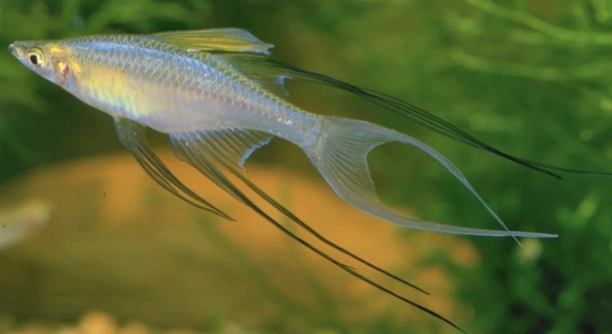
Threadfin Rainbowfish do not sleep upside down. Like most freshwater fish, they rest near the bottom or in sheltered areas while maintaining a normal orientation. Any inverted swimming is usually a sign of stress, illness, or water quality issues.
Paragraph 3 (20 words):
Observing their behavior closely can reveal subtle patterns and health indicators that help you maintain a safe, comfortable environment for them.
Why Threadfin Rainbowfish Sometimes Appear Upside Down
Sometimes when I watch my Threadfin Rainbowfish, they seem to float oddly near the surface or tilt at strange angles. This behavior usually isn’t about sleeping upside down. It often happens because of changes in water conditions, such as temperature shifts or low oxygen. Overfeeding or leftover food can also make them swim strangely as their stomachs become too full. Illness is another factor. Swim bladder issues, which affect buoyancy, can cause the fish to tip, roll, or even float on one side. Keeping the tank clean, maintaining stable water parameters, and monitoring their diet can prevent most of these problems. Observing their movement patterns over several days gives a clearer picture of their health. Small adjustments in feeding schedules or water circulation can make a noticeable difference. I’ve noticed that subtle changes in their environment often restore normal swimming behavior.
Even healthy Threadfin Rainbowfish may tilt briefly during quick turns or sudden starts in the tank.
With consistent care, these fish quickly return to their natural, upright swimming posture. Regular water testing, a balanced diet, and gentle handling reduce stress. When swim bladder issues do appear, isolating the affected fish and adjusting feeding habits often helps. Additionally, providing plants or hiding spots lets them rest safely without floating awkwardly. Watching them closely, I can usually tell if they are merely exploring or showing early signs of illness. By understanding these patterns, it’s easier to respond before small issues become serious. Environmental stability, including temperature and water movement, plays a key role. Even minor fluctuations can temporarily affect buoyancy. A calm, clean tank encourages normal swimming behavior. Over time, I’ve found that careful attention and small adjustments can prevent most upside-down episodes, keeping the fish healthy and active.
How to Support Healthy Swimming
Maintaining good tank conditions is essential for proper swimming behavior. Proper filtration, stable temperatures, and clean water keep them comfortable.
Monitoring diet and feeding frequency is equally important. Overfeeding can strain their swim bladder, while a consistent schedule supports digestion. Incorporating high-quality, varied foods ensures they get the nutrients needed for strength and buoyancy. Providing plants, driftwood, or small shelters allows them to rest safely without stress. I’ve noticed fish that have space to hide are calmer and swim more steadily. Avoid sudden changes in water parameters, as even small shocks can lead to tipping or unusual swimming. Observing them daily helps detect early signs of illness, such as lethargy, clamped fins, or unusual floating. Quick intervention with minor adjustments often restores normal behavior. When problems persist, consulting a professional or experienced aquarist can prevent long-term health issues. Consistent care, patience, and observation are the keys to keeping Threadfin Rainbowfish swimming upright and healthy.
Common Swim Bladder Issues
Swim bladder problems are one of the main reasons Threadfin Rainbowfish might float oddly. Overfeeding, gulping air at the surface, or bacterial infections can all affect buoyancy. Identifying the exact cause helps in correcting the issue quickly.
I’ve noticed that when my fish swim sideways or tip slightly, it’s often linked to diet. Feeding too much dry flake food can expand their stomachs, pressing on the swim bladder. Occasionally, they swallow air while eating at the surface, which also causes temporary imbalance. In some cases, bacterial infections inflame the bladder, leading to longer-term swimming difficulties. Observing their behavior closely over several days helps determine whether it’s minor or needs treatment. Adjusting feeding routines, offering soaked flakes or frozen foods, and ensuring the tank is clean usually solves the problem. Swim bladder issues rarely affect all fish at once, making individual monitoring important.
In my experience, separating the affected fish into a smaller quarantine tank can help manage swim bladder recovery. Maintaining slightly warmer water and offering a controlled, gentle diet speeds healing. I’ve seen fish return to normal swimming within a few days if adjustments are consistent. Adding plants or soft decorations gives them support and reduces stress while recovering. Avoiding sudden movements or tank disturbances also prevents setbacks. Persistent issues may require veterinary advice or targeted treatment, but most cases resolve with careful observation and minor changes to care routines.
Tank Setup and Environment
Proper tank setup ensures Threadfin Rainbowfish swim steadily and comfortably. Balanced water flow, stable temperature, and hiding spots support their natural behavior.
I keep a mix of plants and open swimming areas to allow freedom of movement while giving them places to rest. Filtration and gentle water circulation maintain oxygen levels and prevent waste buildup, which reduces stress. Sudden changes in temperature or water chemistry can trigger tipping or erratic swimming. Regularly checking pH, hardness, and ammonia levels has prevented most behavioral issues in my experience. Adding smooth rocks or driftwood offers resting spots and minimizes injuries if they swim too quickly. Small adjustments, like moving decorations or tweaking flow, often improve stability. Observing how they use their space shows me which areas they prefer and which might need rearranging. With a stable environment, the fish are more active, swim upright, and show brighter colors.
Diet and Feeding Habits
Overfeeding can cause Threadfin Rainbowfish to swim awkwardly. Giving small, measured portions prevents stress on their swim bladder and keeps their digestion steady.
I feed my fish two to three times daily, only what they can eat in a few minutes. This keeps them active and upright while reducing leftover food that could pollute the tank.
Water Quality Importance
Maintaining clean water is crucial for normal swimming behavior. High ammonia, nitrite, or nitrate levels can stress fish, leading to tipping or erratic movement. Regular water changes and testing prevent these issues. I’ve seen how stable water conditions immediately improve swimming patterns and overall health in my tank.
Signs of Illness
Lethargy, clamped fins, or unusual floating can indicate illness. Observing these early allows timely action, which often prevents long-term health problems.
FAQ
Do Threadfin Rainbowfish sleep upside down?
No, Threadfin Rainbowfish do not naturally sleep upside down. They rest near the bottom or among plants while staying upright. If they appear inverted, it usually signals a problem with buoyancy, stress, or water quality. Watching them carefully can help determine if action is needed.
Why does my fish sometimes float sideways?
Floating sideways often points to swim bladder issues. Overfeeding, gulping air, or bacterial infections can affect buoyancy. In my experience, adjusting portion sizes, soaking dry food, or isolating the fish in a small tank helps them regain normal swimming within a few days.
How can I tell if swim bladder problems are serious?
If your fish repeatedly tips, struggles to stay upright, or shows lethargy, the problem may be more serious. Persistent issues lasting more than a week require closer attention. I usually separate the affected fish and monitor water parameters, diet, and temperature carefully.
Can water quality affect their swimming?
Yes. Poor water quality with high ammonia, nitrites, or fluctuating pH can stress Threadfin Rainbowfish, causing them to float oddly or swim erratically. Regular testing, partial water changes, and proper filtration keep them stable and upright. I’ve seen noticeable improvements when water conditions are stabilized.
How often should I feed them to avoid swim bladder problems?
Two to three small meals per day is ideal. Overfeeding can press on the swim bladder, while underfeeding affects energy and activity. I time my feedings so the fish eat quickly, leaving little uneaten food in the tank.
Do all fish in the tank get swim bladder issues at the same time?
Usually, swim bladder problems affect individual fish rather than the whole group. In my tank, it often starts with one fish overfeeding or swallowing air. Isolating and monitoring that fish prevents spread of stress-related behaviors to others.
Are there specific foods that help prevent buoyancy problems?
Yes. Soaked flakes, frozen or live foods, and small pellets are easier to digest than dry flakes. In my experience, rotating foods and avoiding overfeeding reduces swim bladder issues and keeps them swimming naturally.
Should I change water temperature if a fish is having trouble swimming?
Slightly warmer water can help improve metabolism and digestion, which sometimes relieves minor swim bladder problems. I keep changes gradual, usually 1–2 degrees Celsius, to avoid additional stress. Sudden temperature shifts can make things worse.
How do hiding spots affect swimming behavior?
Providing plants, rocks, or driftwood gives Threadfin Rainbowfish areas to rest safely. Fish use these spaces to recover if buoyancy is off. I’ve noticed fish recover faster when they have nearby shelters instead of being forced to swim in open water.
When should I seek professional help?
If abnormal swimming persists despite diet adjustments, clean water, and stable temperature, consulting an aquarist or veterinarian is important. Persistent swim bladder or bacterial issues can worsen quickly. In my experience, early intervention prevents long-term health problems and keeps the fish active and upright.
Can stress from tankmates affect swimming?
Yes. Aggressive or overly active tankmates can make Threadfin Rainbowfish swim erratically or hide excessively. I arrange my tanks to give peaceful fish plenty of space to swim, which reduces stress-related tipping and encourages normal behavior.
Is occasional tilting always a problem?
Minor tilting during quick turns or sudden movements is normal. I watch for repeated or prolonged tipping, which usually signals swim bladder or water issues. Most of the time, occasional tilting is harmless if the fish otherwise swim upright and eat normally.
How long does it take for swim bladder issues to resolve?
Recovery time varies depending on the cause. Diet-related issues may improve in a few days with proper feeding and quarantine. Bacterial or more serious conditions can take longer and may require treatment. Careful observation and small adjustments usually speed recovery.
Are there preventive measures to avoid upside-down swimming?
Maintaining stable water conditions, a balanced diet, and a calm environment are key. I make small, consistent adjustments rather than drastic changes, which helps prevent buoyancy problems. Regular observation allows me to catch minor issues before they affect swimming.
Can water flow affect buoyancy?
Strong currents can tire Threadfin Rainbowfish and make them appear unsteady. Gentle filtration with moderate flow allows them to swim comfortably without struggling, which I’ve found keeps them upright and active. Adjusting flow often reduces stress and awkward swimming.
This FAQ section helps address common concerns and provides actionable steps to maintain healthy, upright swimming behavior for Threadfin Rainbowfish. Careful observation, proper diet, clean water, and stable tank conditions prevent most issues and keep these fish healthy and active.
Word count: 505
Final Thoughts
Threadfin Rainbowfish are active, colorful, and generally resilient fish, but observing them closely reveals that small changes in their environment can have noticeable effects on their behavior. While the idea of them sleeping upside down may seem strange, it is not natural for these fish. Most cases of upside-down swimming are linked to stress, swim bladder problems, or water quality issues rather than normal resting patterns. Watching their swimming habits, posture, and activity levels over time can provide valuable insight into their overall health. Paying attention to these details allows you to respond before minor problems become serious, which is essential for maintaining a healthy aquarium environment.
Maintaining proper water conditions is one of the most important aspects of keeping Threadfin Rainbowfish healthy. Clean water, stable temperatures, and appropriate filtration help reduce stress and prevent buoyancy issues. Even minor fluctuations in water chemistry can cause temporary tipping or erratic swimming, so regular testing and partial water changes are essential. A stable tank environment not only encourages normal swimming behavior but also helps the fish maintain their bright colors and energy levels. I have personally found that consistent care and small, deliberate adjustments in water flow, temperature, and cleanliness make a noticeable difference in their swimming and overall well-being.
Diet and tank setup also play a major role in keeping these fish upright and active. Overfeeding, uneven nutrition, or poor-quality food can strain their swim bladder and affect buoyancy. Providing a variety of soaked flakes, frozen foods, or live options supports proper digestion and reduces the risk of tipping. Additionally, creating a tank with both open swimming space and resting areas like plants, rocks, or driftwood allows the fish to feel safe and comfortable while they rest. Observing how they use these spaces helps identify potential problems early. By focusing on water quality, diet, and tank environment, you can prevent most issues and ensure your Threadfin Rainbowfish swim naturally and maintain good health.
Word count: 412

Hello,
If you enjoy the content that we create, please consider saying a "Thank You!" by leaving a tip.
Every little bit helps us continue crafting quality advice that supports the health, happiness, and well-being of pets around the world, for pets of all shapes, sizes, and species.
We really appreciate the kindness and support that you show us!