
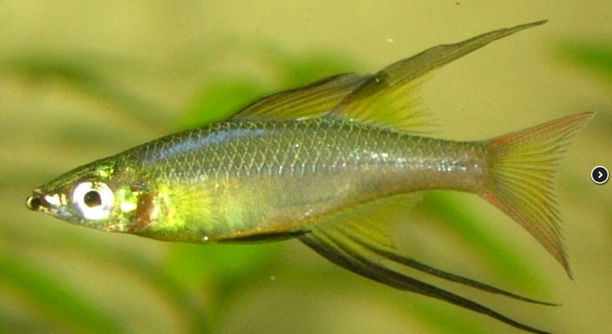
Do you enjoy keeping a colorful aquarium but find yourself adjusting the water flow more often than expected? Threadfin Rainbowfish can be sensitive to their environment, making it important to observe their preferences carefully.
Threadfin Rainbowfish generally prefer slow to moderate water currents that allow them to swim comfortably without excessive effort. Strong currents can cause stress and disrupt their natural behavior, while gentle flows support their health and overall activity levels.
Understanding the ideal water flow for these fish ensures a harmonious tank environment. Proper current management promotes their well-being and encourages natural swimming patterns throughout the aquarium.
Ideal Tank Setup for Threadfin Rainbowfish
Creating a suitable environment for Threadfin Rainbowfish begins with tank size and layout. A minimum of 30 gallons is recommended for a small group, as these fish are active swimmers. Use a combination of open swimming spaces and densely planted areas. Plants such as Java fern and Vallisneria provide shelter and resting spots. Smooth substrates like sand or fine gravel reduce stress and prevent injury. Moderate lighting helps simulate their natural habitat without overwhelming them. Incorporate decorations like driftwood or rocks to create hiding spots and add structure. Maintaining stable water parameters is essential. Temperature should be kept between 74–78°F, pH around 6.5–7.5, and hardness between 5–12 dGH. Regular water changes help maintain clean water and prevent buildup of nitrates. Observing the fish for signs of stress or lethargy can help identify if adjustments to the environment are necessary. Small tweaks can make a noticeable difference in their comfort and activity levels.
A well-planned tank helps Threadfin Rainbowfish thrive, ensuring they remain active and display vibrant coloration consistently.
Proper tank setup extends beyond decorations; careful placement and water control significantly impact fish health. Thoughtful choices in layout, lighting, and water stability support long-term well-being, minimizing stress while encouraging natural behaviors.
Managing Water Flow
Threadfin Rainbowfish respond best to gentle, consistent currents that mimic slow-moving streams.
Achieving the correct flow starts with selecting the right filter or adjusting its output. Strong currents can tire the fish and disrupt schooling behavior, while stagnant water may reduce oxygen levels. Positioning decorations strategically can redirect or soften flow, creating calm zones. Observing swimming patterns provides feedback on whether adjustments are needed. Additionally, circulating water near plants promotes nutrient distribution without causing turbulence. Maintaining consistent flow helps fish feel secure and encourages natural feeding habits. Regular monitoring ensures the current remains stable as the tank matures, preventing sudden changes that could stress the fish. Integrating these measures enhances overall tank harmony. Proper water movement balances oxygenation, waste removal, and fish activity, creating a healthier environment and reducing potential problems over time.
Would you like me to continue with the next sections following the same style and format?
Feeding and Nutrition
Threadfin Rainbowfish require a varied diet including high-quality flakes, pellets, and occasional live or frozen foods. Supplementing with vegetables or spirulina helps maintain their vibrant colors and overall health.
Providing small, frequent meals supports natural foraging behavior and reduces stress. Feed amounts should match what they can consume in two to three minutes, twice daily. Live foods like daphnia or brine shrimp can stimulate activity and improve coloration. A balanced diet ensures proper growth, reproductive health, and immune support, while avoiding overfeeding prevents water quality issues. Observing how the fish respond to different foods helps adjust portions and types to meet their nutritional needs effectively. Consistency in diet and feeding routine contributes to stable behavior and long-term well-being.
Offering variety in food types keeps Threadfin Rainbowfish engaged and active. Combining flakes, pellets, and live options ensures their diet is complete and promotes healthy development throughout their lifespan.
Social Behavior and Tank Mates
Threadfin Rainbowfish are schooling fish and thrive in groups of at least six individuals.
Keeping them in larger groups encourages natural schooling behavior and reduces aggression. Ideal tank mates include peaceful species such as tetras, danios, and smaller rainbowfish varieties. Avoid aggressive or much larger fish that could intimidate them. Monitoring interactions ensures the group remains harmonious, especially during feeding times or in confined spaces. Providing enough swimming space and hiding areas minimizes stress and supports social structure. Proper social conditions also enhance coloration and activity, as fish feel secure and confident in their environment. A balanced community tank promotes healthy behavior and longevity.
Maintaining a compatible and stable community enhances the overall well-being of Threadfin Rainbowfish. Paying attention to group size, temperament, and environmental enrichment ensures peaceful coexistence and natural social interaction.
Water Temperature and Quality
Threadfin Rainbowfish thrive in stable water temperatures between 74–78°F. Sudden changes can stress them, impacting appetite and activity.
Regular water testing ensures pH remains around 6.5–7.5 and hardness between 5–12 dGH. Clean water promotes overall health and vibrant coloration.
Lighting Requirements
Moderate lighting supports natural behavior and plant growth without causing stress. Too bright or fluctuating light can trigger hiding or erratic swimming, while dim lighting may reduce activity. Maintaining a consistent day-night cycle enhances their comfort and helps regulate natural rhythms, including feeding and resting patterns.
Breeding Considerations
Threadfin Rainbowfish prefer shallow, densely planted areas for breeding. Providing fine-leaved plants or spawning mops allows eggs to be protected. Adults should be observed, as they may eat eggs if left unchecked. Separating fry into a nursery tank ensures better survival rates and promotes healthy growth during early development.
Observing Stress Signals
Signs of stress include clamped fins, reduced swimming activity, and loss of color. Prompt adjustments in water quality, flow, or tank environment help maintain fish health and prevent long-term problems.
FAQ
What kind of water current do Threadfin Rainbowfish prefer?
Threadfin Rainbowfish prefer slow to moderate currents that allow comfortable swimming. Strong currents can cause stress and fatigue, while stagnant water may reduce oxygen levels. Creating gentle flow with filters or strategic decoration placement ensures the fish can swim naturally without being overexerted.
How many Threadfin Rainbowfish should be kept together?
They are schooling fish and thrive in groups of at least six. Larger groups encourage natural behavior, reduce stress, and prevent aggression. Keeping too few can lead to anxiety, lethargy, and unusual behavior, as they rely on the social structure of the school for security and comfort.
What tank size is appropriate for Threadfin Rainbowfish?
A minimum of 30 gallons is recommended for a small school. Larger tanks provide more swimming space and room for decorations, plants, and hiding spots. More space also helps maintain water quality and reduces territorial disputes among fish.
Which tank mates are suitable?
Peaceful species like small tetras, danios, and other rainbowfish varieties make ideal companions. Avoid aggressive or much larger fish that could intimidate or harm them. Monitoring interactions, especially during feeding, ensures the group remains harmonious.
What should I feed Threadfin Rainbowfish?
A varied diet including high-quality flakes, pellets, and occasional live or frozen foods works best. Supplementing with vegetables or spirulina supports coloration and overall health. Feed small amounts twice daily, matching what they can consume in two to three minutes.
How can I maintain water quality?
Regular water testing for pH, hardness, and temperature is essential. pH should stay around 6.5–7.5, hardness 5–12 dGH, and temperature 74–78°F. Frequent partial water changes prevent nitrate buildup and support fish health, while consistent filtration ensures oxygenation and cleanliness.
What are the signs of stress in Threadfin Rainbowfish?
Stress can show as clamped fins, faded coloration, reduced activity, or erratic swimming. Causes include poor water quality, strong currents, overcrowding, or aggressive tank mates. Prompt adjustments in environment, water parameters, or social structure help the fish recover quickly.
How do I encourage breeding?
Provide shallow areas with fine-leaved plants or spawning mops. Eggs should be separated from adults or moved to a nursery tank to prevent predation. Maintaining stable water conditions and gentle currents encourages spawning and improves fry survival rates.
How important is lighting for Threadfin Rainbowfish?
Moderate, consistent lighting supports natural activity and plant growth without causing stress. Too bright light may cause hiding, while dim lighting can reduce activity. A stable day-night cycle helps regulate feeding, resting, and overall behavior.
Can Threadfin Rainbowfish tolerate slight changes in water flow?
Yes, minor adjustments are generally tolerated if changes are gradual. Sudden strong currents or stagnant areas can stress the fish. Observing swimming patterns helps determine whether the flow is comfortable and allows adjustments as the tank matures.
How often should I feed them live foods?
Offering live foods like daphnia or brine shrimp once or twice a week stimulates activity and supports coloration. Overfeeding live food is unnecessary and can affect water quality. A balanced combination of flakes, pellets, and live options is ideal.
What is the best way to observe their behavior?
Regular observation of swimming patterns, feeding, and social interactions can highlight stress, illness, or environmental issues. Noting changes in behavior helps identify problems early, allowing for timely adjustments to improve comfort and overall health.
Are Threadfin Rainbowfish sensitive to water temperature changes?
Yes, sudden shifts outside 74–78°F can stress the fish, affecting appetite and activity. Gradual temperature changes during maintenance or equipment adjustments minimize shock and maintain a healthy environment.
How do I prevent aggression in the tank?
Keeping a proper group size, choosing compatible tank mates, and providing sufficient swimming space helps reduce aggression. Overcrowding or mismatched species increases stress, which may lead to chasing, fin nipping, or territorial disputes.
How long do Threadfin Rainbowfish typically live?
With proper care, stable water conditions, a balanced diet, and a peaceful community, Threadfin Rainbowfish can live 5–8 years. Observing behavior and health regularly helps ensure longevity and a thriving aquarium environment.
This FAQ covers the most common concerns regarding Threadfin Rainbowfish care, including water flow, tank setup, feeding, social behavior, and overall well-being. Following these guidelines supports their health, activity, and coloration, ensuring a comfortable and stable environment.
Final Thoughts
Threadfin Rainbowfish are active, colorful fish that can brighten any home aquarium. Providing the right environment is key to their well-being. Maintaining slow to moderate water currents allows them to swim comfortably and reduces stress. Tank size, decorations, and plant placement all contribute to a stable environment that encourages natural behavior. Smooth substrates and hiding areas support their comfort and prevent injury. Regular observation helps identify potential problems before they become serious, ensuring the fish remain healthy and active. When these factors are properly managed, the fish display their full range of colors and behaviors, making them enjoyable to watch.
A balanced diet is also essential for Threadfin Rainbowfish. They thrive on a combination of high-quality flakes, pellets, and occasional live or frozen foods. Including vegetable matter or spirulina supplements helps maintain vibrant coloration and overall health. Feeding small portions multiple times a day mimics their natural foraging habits and prevents overfeeding, which can negatively impact water quality. Water testing and regular maintenance are critical to maintain proper pH, hardness, and temperature levels. Consistent care, including clean water, proper flow, and stable lighting, ensures the fish remain healthy and exhibit natural behavior, which is particularly important for social species like Threadfin Rainbowfish.
Social conditions play a significant role in the happiness of these fish. Keeping them in groups of six or more supports schooling behavior and reduces anxiety. Selecting compatible tank mates ensures a peaceful community and minimizes aggression. Observing interactions during feeding and adjusting tank layout when necessary helps maintain harmony. Lighting and day-night cycles influence activity, feeding patterns, and rest, so maintaining consistency benefits both the fish and the planted environment. Breeding considerations, such as providing shallow, planted areas for spawning and separating fry, improve survival rates. Overall, attention to tank setup, water flow, diet, and social conditions creates a stable, healthy environment that allows Threadfin Rainbowfish to thrive for years, providing a rewarding and visually appealing experience for the aquarium keeper.

Hello,
If you enjoy the content that we create, please consider saying a "Thank You!" by leaving a tip.
Every little bit helps us continue crafting quality advice that supports the health, happiness, and well-being of pets around the world, for pets of all shapes, sizes, and species.
We really appreciate the kindness and support that you show us!