
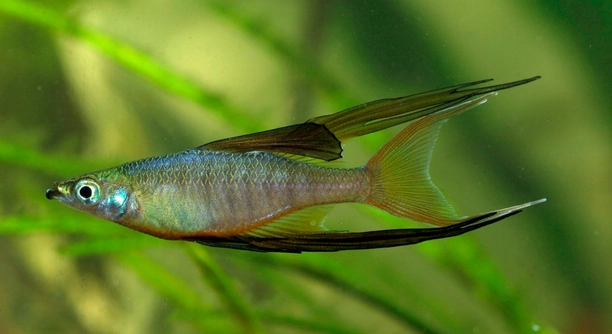
Do you ever find yourself needing to move your threadfin rainbowfish for a short period but worry about their well-being? Temporary relocation can be stressful for these delicate fish and requires careful planning and preparation.
Proper preparation for relocating threadfin rainbowfish involves gradually acclimating them to transport conditions, maintaining stable water parameters, and minimizing stress during handling. Ensuring suitable temperature, oxygen levels, and temporary habitat cleanliness is essential for their health and safety.
Understanding these preparation steps will help protect your fish during transitions. Following clear guidelines can make temporary relocation smooth and safe for your rainbowfish.
Preparing the Transport Container
When moving threadfin rainbowfish, the transport container plays a critical role in keeping them safe. Choose a container that is appropriately sized, clean, and free of sharp edges that could harm the fish. Fill it with water from their current tank to maintain familiar chemical balance and reduce stress. Ensure the water level is sufficient to allow the fish to swim comfortably, but not so high that movement causes sloshing during transport. Add an oxygen source, such as an air stone or pre-aerated water, to maintain oxygen levels. Avoid sudden temperature changes by insulating the container or using a portable heater or cooling pack if necessary. During preparation, handle the fish gently with a soft net and minimal movement to prevent injury. Label the container clearly if relocating multiple fish to avoid mix-ups. Monitor the water for clarity and ensure no contaminants enter the container. Proper preparation sets the foundation for a smooth relocation.
Proper container preparation reduces stress and keeps water stable for your threadfin rainbowfish during temporary relocation.
Temperature, oxygen levels, and water quality should be checked continuously. Transport should be timed to avoid long periods of confinement. Minimize movement, cover the container to reduce light stress, and avoid loud noises nearby. Before moving, ensure all equipment needed for temporary housing is ready. Unfamiliar surroundings can increase stress, so mimic their home tank conditions as closely as possible. Handling should be minimal, and fish should be observed for signs of distress. After transport, acclimate the fish slowly to the new water conditions to prevent shock. Keeping the process organized and calm helps protect your rainbowfish’s health and reduces the risk of illness.
Acclimating Threadfin Rainbowfish to Temporary Housing
Acclimation should be gradual to avoid shocking the fish. Introduce small amounts of new water slowly over several hours.
During temporary housing, monitor the fish daily. Check water parameters, feeding behavior, and swimming patterns carefully to ensure health.
Provide hiding spots and maintain water parameters similar to the home tank. Avoid overcrowding and feed small amounts multiple times. Maintain lighting and temperature consistent with their usual environment. Remove uneaten food promptly to prevent water quality issues. Keep interactions calm and gentle, and observe fish closely for stress signs, such as rapid gill movement or erratic swimming. Plan for the eventual return to the home tank by keeping a consistent routine. Use this time to clean and prepare the primary tank if needed. Proper acclimation reduces stress and ensures your threadfin rainbowfish remain healthy throughout the temporary relocation, preserving their natural behavior and well-being.
Feeding and Water Management
Maintain regular feeding schedules even during temporary relocation. Provide small, measured portions to avoid overfeeding. Remove uneaten food promptly to keep water clean and prevent ammonia buildup. Consistent feeding supports the fish’s energy and reduces stress during relocation.
Monitor water parameters closely. Test pH, ammonia, nitrite, and nitrate levels daily to ensure stability. Partial water changes may be needed to maintain quality. Temperature should be consistent with their home tank. Avoid sudden adjustments, as threadfin rainbowfish are sensitive to changes. Ensure proper aeration and circulation to keep oxygen levels sufficient.
Feed small amounts multiple times a day rather than a single large portion. Use high-quality flake or pellet food suitable for rainbowfish. Supplement occasionally with live or frozen foods to provide nutrients. Maintain water cleanliness by removing debris and uneaten food quickly. Observe the fish for feeding behavior, swimming activity, and signs of stress. Keeping water stable and feeding consistent ensures health and reduces stress during their temporary stay.
Handling and Observation
Handle the fish as little as possible. Use a soft net if relocation or inspection is required.
Observe swimming patterns, color, and behavior carefully. Look for signs of stress, illness, or injury. Note any changes in appetite or activity levels, as these can indicate water quality or acclimation issues. Keep a log if relocating multiple fish to track individual health and progress. Regular observation helps detect problems early, preventing long-term issues and ensuring a smoother relocation process.
Create a calm environment around the temporary housing. Avoid loud noises, sudden movements, or strong vibrations near the tank. Check water quality daily, maintaining proper temperature and oxygen levels. Provide hiding spots to reduce stress, as threadfin rainbowfish may feel exposed in a new environment. Observe for rapid gill movement, clamped fins, or erratic swimming. Ensure feeding is consistent but not excessive. Close monitoring combined with gentle handling promotes health and helps the fish adjust safely during their temporary stay.
Minimizing Stress During Relocation
Keep handling to a minimum. Reduce bright lights and sudden movements around the temporary tank to help threadfin rainbowfish stay calm.
Cover part of the container if needed. A dim environment helps the fish feel secure and lowers stress levels during the move.
Water Temperature Control
Monitor water temperature closely. Threadfin rainbowfish are sensitive to rapid changes, so maintain a stable range consistent with their home tank. Use insulated containers or portable heaters when necessary, especially during long transport or fluctuating external conditions. Sudden temperature shifts can weaken the fish’s immune system and increase susceptibility to illness.
Preparing for Return
Ensure the home tank is clean and stable before returning the fish. Proper preparation prevents stress and ensures a smooth transition back.
FAQ
How long can threadfin rainbowfish stay in a temporary container?
Threadfin rainbowfish can tolerate a temporary container for several hours up to a day if water quality, temperature, and oxygen levels are maintained. For longer stays, it is crucial to provide aeration, maintain clean water, and monitor temperature carefully. Prolonged confinement increases stress and health risks.
Do I need to feed them during temporary relocation?
Feeding should be minimal. Small, measured amounts can be provided once or twice, but avoid overfeeding. Uneaten food can quickly pollute the water, causing ammonia spikes. Focus on keeping water quality stable and fish stress low rather than nutrition during short-term relocation.
Can I use any container for transport?
No, only clean, smooth containers free of sharp edges should be used. Plastic or glass containers with sufficient space for swimming are ideal. Avoid overly small containers, as overcrowding increases stress and the risk of injury. Water from the home tank should fill the container to maintain familiar chemical conditions.
How do I acclimate the fish to the temporary housing?
Acclimation should be gradual. Add small amounts of the new water over time while monitoring the fish’s behavior. Avoid sudden changes in temperature, pH, or other parameters. Provide hiding spots and maintain lighting similar to the home tank to reduce stress. Minimize handling during this period.
Is it necessary to monitor water parameters during relocation?
Yes, constant monitoring of pH, ammonia, nitrite, nitrate, and temperature is essential. Even short-term fluctuations can cause stress or health issues. Use portable testing kits if needed, and perform partial water changes with pre-conditioned water if levels drift outside safe ranges.
What signs indicate stress or illness in temporary housing?
Look for clamped fins, rapid gill movement, erratic swimming, or loss of appetite. Pale or faded colors can also indicate stress. Promptly addressing water quality issues, temperature fluctuations, or overcrowding helps reduce health risks during temporary confinement.
Can I transport multiple rainbowfish together?
Yes, but avoid overcrowding. Ensure sufficient space, stable water conditions, and adequate oxygen for all fish. Monitor for aggressive behavior or stress, as some individuals may be more sensitive to confinement. Group transport requires careful planning and observation.
How should I handle the fish during transfer?
Handle minimally and gently with a soft net. Avoid squeezing or sudden movements. Keep the container stable during transfer and maintain water levels to reduce sloshing. Gentle handling reduces stress and prevents injuries.
What is the best way to return them to the home tank?
Acclimate the fish slowly to the home tank water by adding small amounts gradually. Avoid sudden temperature or chemical changes. Observe the fish closely for the first hours, ensuring normal swimming, feeding, and behavior resume. Proper acclimation prevents shock and maintains health.
How do I prevent water contamination during temporary relocation?
Remove uneaten food promptly, avoid introducing foreign objects, and maintain aeration. Use water from the home tank when filling the transport container. Monitor ammonia and nitrite levels closely, and perform partial water changes if necessary. Clean hands and equipment before contact with the water.
Can temporary relocation affect long-term health?
If done carefully with proper water management, minimal stress, and correct handling, temporary relocation generally does not harm long-term health. Repeated or poorly managed relocations can increase susceptibility to disease, weaken immune responses, or alter behavior, so careful planning is essential.
Are hiding spots necessary in temporary housing?
Yes, providing plants, rocks, or covers helps reduce stress. Threadfin rainbowfish feel more secure in a partially covered or sheltered environment, which lowers stress levels and encourages natural behavior. Avoid overcrowding and ensure sufficient swimming space alongside hiding areas.
Should lighting be adjusted during temporary relocation?
Keep lighting similar to the home tank, avoiding sudden bright lights. Partial covers or dimmed lighting can help reduce stress, especially in unfamiliar surroundings. Consistency in the day-night cycle supports normal behavior and feeding patterns.
What should I do if a fish shows signs of illness?
Immediately check water quality and temperature. Remove affected fish if possible to prevent spread. Adjust water conditions gradually and provide appropriate treatment if needed. Quick response minimizes stress and helps prevent long-term health issues.
How can I reduce stress during transport?
Minimize handling, use a stable container, maintain temperature and oxygen levels, and provide partial cover. Keep noise and vibrations low. Monitoring the fish and water parameters during transport ensures their safety and comfort.
Can temperature drops be dangerous during relocation?
Yes, threadfin rainbowfish are sensitive to rapid temperature changes. Insulate the container or use portable heaters to maintain stable conditions. Sudden drops can weaken the immune system and increase the risk of disease or shock.
How often should water be tested in temporary housing?
Test water at least once daily for short-term relocation. For longer stays, check more frequently. pH, ammonia, nitrite, nitrate, and temperature must remain stable to prevent stress and health problems.
Are there foods that should be avoided during relocation?
Avoid large, heavy foods that release debris or are difficult to digest. Stick to small flakes, pellets, or pre-soaked foods. Uneaten food should be removed quickly to maintain water quality and prevent ammonia spikes.
Is it safe to relocate fish in cold weather?
Cold weather increases the risk of temperature fluctuations. Use insulated containers, monitor temperature carefully, and avoid prolonged exposure to extreme conditions. Sudden cold can stress the fish and make them more prone to illness.
Can I use air pumps during transport?
Yes, battery-operated or portable air pumps help maintain oxygen levels. Proper aeration reduces stress and supports the fish’s metabolic needs during temporary confinement. Ensure the air flow is gentle and does not cause excessive water turbulence.
How long should acclimation back to the home tank take?
Gradual acclimation over one to two hours is ideal. Add small amounts of home tank water to the temporary container incrementally. This prevents shock from sudden changes in water chemistry or temperature and allows the fish to adjust safely.
Should decorations be added to temporary housing?
Yes, simple decorations or plants help reduce stress. Avoid overcrowding the container, but providing hiding spots creates a secure environment. Ensure decorations are clean and free of sharp edges that could injure the fish.
Can temporary relocation cause behavioral changes?
Short-term relocation may cause temporary stress behaviors like clamped fins or reduced activity. These generally resolve once the fish return to stable conditions. Prolonged stress, poor water quality, or repeated relocations may have longer-term behavioral impacts.
How can I ensure all fish are healthy during temporary relocation?
Monitor behavior, appetite, and water parameters daily. Look for signs of stress or illness and act quickly. Provide hiding spots, maintain temperature and oxygen levels, and handle minimally. Consistent observation and care ensure that all fish remain healthy and comfortable.
Are some threadfin rainbowfish more sensitive to relocation than others?
Yes, younger or smaller individuals may be more sensitive to stress, temperature changes, or water quality fluctuations. Monitor these fish closely and provide extra care during transport and temporary housing to ensure their well-being.
What equipment is essential for temporary relocation?
A clean, appropriately sized container, aeration source, water testing kit, temperature monitoring, soft nets, and partial covers are essential. Proper equipment ensures safety, stable conditions, and reduced stress for threadfin rainbowfish during relocation.
Can temporary relocation affect feeding habits?
Yes, some fish may reduce feeding temporarily due to stress. Stick to small, frequent meals and maintain water quality to encourage normal feeding behavior. Patience and observation help the fish adjust without compromising health.
Is quarantine necessary during temporary relocation?
If relocating multiple fish from different sources, quarantine can prevent disease transmission. Monitor water quality and fish behavior closely, and isolate any fish showing signs of illness to protect others in temporary housing.
What is the best way to maintain water quality during transport?
Use water from the home tank, avoid overfeeding, aerate properly, and remove debris. Monitor ammonia, nitrite, and nitrate levels. Partial water changes with pre-conditioned water may be needed for longer relocations to maintain optimal conditions.
Can sudden noise affect threadfin rainbowfish during relocation?
Yes, loud or sudden noise can cause stress. Keep the environment calm and minimize vibrations near the transport container. Reduced stress supports stable behavior and overall health during temporary housing.
How should I handle emergencies during temporary relocation?
Have backup aeration, water testing kits, and prepared water for partial changes. Address sudden water parameter changes, illness, or temperature fluctuations immediately. Quick response is critical to protect fish health during unexpected issues.
Are live plants safe to include in temporary housing?
Yes, live plants help reduce stress by providing hiding spots and slightly improving water quality. Ensure plants are healthy, clean, and free from chemicals or pests that could harm the fish.
Should I adjust lighting duration during temporary relocation?
Maintain a consistent light-dark cycle similar to the home tank. Avoid sudden changes in lighting duration, as this can stress the fish and affect feeding or behavior patterns.
Can temporary relocation cause long-term color changes?
Stress and poor water conditions may cause temporary color fading. Proper care, stable water parameters, and minimal handling usually allow fish to regain normal coloration after returning to their home tank.
How do I reduce risk of disease during temporary relocation?
Maintain clean water, stable temperature, proper oxygen levels, and minimal stress. Observe fish daily, remove uneaten food, and isolate sick individuals promptly to prevent disease spread.
What is the ideal water temperature range during relocation?
Maintain temperature similar to the home tank, usually between 24–28°C (75–82°F). Sudden changes outside this range can stress the fish, weaken immunity, and increase the risk of illness.
Can I use tap water for temporary housing?
Only if it is properly conditioned and free from chlorine, chloramine, or harmful chemicals. Preferably, use water from the home tank to maintain familiar chemical conditions and reduce stress.
Are threadfin rainbowfish prone to stress during relocation?
Yes, they are sensitive to changes in environment, water quality, and handling. Careful planning, minimal disturbance, and stable conditions help reduce stress and ensure their health.
How long should I monitor fish after returning home?
Observe for several days, checking feeding, swimming, and behavior. Ensure water parameters remain stable and that no delayed stress symptoms or illness appear. Prompt action prevents long-term issues.
Can temporary relocation affect social behavior?
Temporary confinement may cause minor changes, like clumping or reduced interaction. Once returned to stable conditions, social behavior generally returns to normal unless stress or poor conditions persist.
Is it safe to relocate during hot weather?
Extreme heat increases water temperature risks. Use insulated containers, avoid direct sunlight, and monitor temperature closely to prevent heat stress.
Should I quarantine fish after returning from temporary relocation?
If all fish are from the same tank and were healthy, quarantine is usually unnecessary. If any fish showed signs of stress or illness, a short quarantine can prevent spreading disease.
Can I relocate fish without aeration?
Short distances and brief relocation may not require aeration, but any extended period increases oxygen demand. Aeration ensures sufficient oxygen, reduces stress, and protects health.
How do I know if my relocation plan is working?
Healthy swimming, normal feeding, vibrant coloration, and minimal stress indicators show a successful relocation. Adjust procedures if fish show distress, poor appetite, or abnormal behavior.
Is it necessary to replicate the home tank setup?
Not fully, but basic elements like temperature, water chemistry, hiding spots, and lighting should be consistent to reduce stress. This supports normal behavior and minimizes health risks.
Can relocation trigger illness even with proper care?
Stress from relocation can make fish more susceptible to disease, but careful handling, stable water, and minimal disturbance reduce this risk significantly. Prompt response to symptoms prevents long-term issues.
How often should I check oxygen levels during relocation?
Check at least once or twice daily for short relocations. Longer confinement may require continuous monitoring or aeration adjustments to maintain sufficient oxygen.
Are there alternatives to physical relocation?
For some cases, moving only water or temporarily adjusting tank conditions may reduce the need to move fish. However, physical relocation is sometimes unavoidable, and proper preparation is essential.
Can I relocate fish at night?
Night relocation is acceptable if lighting is controlled, and movement is minimal. A calm, quiet environment reduces stress during transfer.
What are common mistakes during temporary relocation?
Overhandling, overcrowding, neglecting water parameters, sudden temperature changes, and overfeeding are common errors. Avoiding these mistakes ensures the safety and health of threadfin rainbowfish.
How do I prepare for unexpected delays during relocation?
Have backup water, aeration, and temperature control measures. Monitor fish closely and maintain calm, stable conditions. Being prepared prevents stress or health issues if delays occur.
Can I relocate fish in small plastic bags?
Yes, but only for short periods. Use double-bagging, ensure sufficient oxygen, and avoid sharp objects. Small bags are suitable for brief transport but not extended stays.
How important is observation during temporary relocation?
Observation is critical. Daily checks for water quality, feeding, behavior, and signs of stress or illness ensure timely intervention and reduce health risks.
Can temporary relocation affect breeding behavior?
Yes, stress can suppress mating behaviors temporarily. Once returned to stable conditions, normal breeding behavior generally resumes if fish remain healthy.
How do I choose the right transport container size?
Provide enough space for swimming without overcrowding. Small containers increase stress, while overly large containers may be harder to manage. Balance space with stability and oxygenation needs.
Should I adjust feeding after returning home?
Resume regular feeding gradually. Monitor appetite and digestion, and avoid overfeeding initially. Consistent feeding helps fish recover from stress and maintain health.
Is it safe to relocate sick fish?
Relocating sick fish increases stress and may worsen health. Only move them if necessary for treatment, and isolate them from healthy individuals to prevent disease spread.
How can I keep water oxygenated without an air pump?
Agitate the water gently or use a large surface area to promote gas exchange. Aeration is still preferred for longer relocations to ensure consistent oxygen levels.
Can temporary relocation affect lifespan?
Properly managed temporary relocation has minimal impact on lifespan. Poor handling, prolonged stress, or poor water quality can reduce lifespan, so careful planning is essential.
Are threadfin rainbowfish compatible with other species during relocation?
Compatibility depends on temperament. Avoid aggressive or significantly larger species. Ensure similar water requirements and sufficient space to prevent stress and injury.
Can relocation trigger aggressive behavior?
Stress can increase aggression temporarily. Provide space, hiding spots, and monitor interactions closely to minimize conflicts. Most aggression resolves once fish return to their home environment.
Is water from the home tank always necessary?
Using home tank water reduces stress by maintaining familiar chemical balance. For very short relocations, pre-conditioned water may suffice, but home water is preferred for optimal safety and comfort.
How do I prevent accidental escapes during transport?
Secure lids or covers tightly, minimize container movement, and handle carefully. Check for gaps or leaks that could allow fish to escape. Proper security prevents injury and loss.
Can temporary relocation affect coloration permanently?
If stress and water quality are managed, coloration typically returns to normal. Prolonged stress or poor conditions may cause lasting fading or pattern changes.
What should I do if multiple fish show stress signs?
Check water quality immediately, ensure oxygenation, reduce overcrowding, and provide hiding spots. Monitor closely and separate severely stressed individuals if necessary to prevent injury or illness.
Are threadfin rainbowfish more sensitive than other species?
Yes, they are delicate and responsive to water changes, handling, and stress. Extra care during relocation is required to maintain health and prevent long-term issues.
How do I ensure safe transport during extreme weather?
Use insulated containers, monitor temperature closely, and avoid exposure to direct sunlight or cold drafts. Prepare backup measures for aeration and water quality if delays occur.
Can temporary relocation affect social hierarchy?
Minor shifts in social behavior may occur, especially if confined with multiple individuals. Normal hierarchy usually resumes after returning to stable conditions.
Is acclimating slowly back to the home tank essential?
Yes, gradual acclimation prevents shock from water chemistry or temperature differences. Sudden changes can stress the fish and increase the risk of illness or injury.
What is the ideal duration for temporary relocation?
Short-term stays of a few hours to one day are ideal. Longer periods require careful water management, monitoring, and additional care to prevent stress and health issues.
Can stress from relocation trigger disease later?
Stress weakens the immune system, making fish more susceptible to disease. Maintaining stable water parameters, minimal handling, and calm conditions reduces this risk significantly.
How do I reduce risk of ammonia spikes?
Feed sparingly, remove uneaten food promptly, maintain aeration, and monitor water chemistry. Partial water changes with conditioned water help keep ammonia levels low.
Should I provide hiding spots for all fish?
Yes, especially for timid or smaller individuals. Hiding spots reduce stress, promote natural behavior, and protect fish from aggression during temporary housing.
Can temperature swings be fatal?
Rapid or extreme temperature changes can cause shock, illness, or death. Maintaining stable conditions with insulation or heaters is critical for survival.
How can I track individual fish health?
Observe behavior, feeding, coloration, and swimming patterns daily. Take notes or photos if needed, especially when relocating multiple fish, to identify any issues early.
Is relocation stressful for adult fish compared to juveniles?
Juveniles are generally more sensitive to stress, while adults tolerate short-term relocation better. Both require proper handling and stable conditions for safety.
How should I handle emergencies if water quality drops?
Perform partial water changes with pre-conditioned water, increase aeration, and monitor fish closely. Rapid response prevents health deterioration during temporary confinement.
Can overfeeding during relocation cause long-term problems?
Yes, it can pollute water, cause ammonia spikes, and stress the fish. Stick to small, controlled portions during temporary housing.
Should I adjust aeration for small containers?
Yes, ensure oxygen levels are sufficient but avoid strong currents. Gentle aeration maintains oxygen without stressing the fish.
Can relocation impact reproductive behavior long-term?
Short-term stress may temporarily reduce breeding activity. Long-term reproductive health is generally unaffected if water quality and care are maintained.
How do I handle multiple temporary tanks?
Label each tank clearly, monitor water parameters individually, and minimize handling. Keep feeding and temperature routines consistent to prevent confusion and stress.
Are battery-operated air pumps reliable for relocation?
Yes, they provide consistent aeration, especially for short to medium-term transport. Ensure battery life is sufficient and flow is gentle to reduce turbulence.
**Can relocation trigger illness even if fish appear
Final Thoughts
Relocating threadfin rainbowfish, even temporarily, requires careful attention to detail. Their sensitivity to environmental changes means that even minor fluctuations in temperature, water quality, or oxygen levels can quickly cause stress. Preparing the transport container properly, using water from their home tank, and providing sufficient space for swimming are essential first steps. Minimizing handling during transfer is equally important, as threadfin rainbowfish are easily startled and can injure themselves if moved roughly. Monitoring conditions closely during relocation ensures that the fish remain comfortable and healthy. A calm, stable environment with partial covers or dim lighting can significantly reduce stress and make the process smoother for both the fish and the caretaker.
Feeding and water management play critical roles in maintaining fish health during temporary relocation. Overfeeding can quickly degrade water quality, leading to ammonia buildup that is harmful to the fish. Providing small, measured portions and promptly removing uneaten food helps prevent this. Maintaining stable water parameters, including pH, temperature, and oxygen levels, is equally important. Regular monitoring allows for quick adjustments if levels drift outside safe ranges. Providing hiding spots within the temporary housing can make the fish feel secure, reducing stress and encouraging natural behavior. Observation is key—watching for changes in swimming patterns, color, or appetite helps detect potential problems before they become serious.
Returning threadfin rainbowfish to their home tank requires the same level of care as the relocation itself. Gradual acclimation is necessary to prevent shock from differences in water chemistry or temperature. Slowly introducing the fish to their original environment allows them to readjust comfortably. Maintaining consistent feeding routines and monitoring behavior after return ensures that the fish remain healthy. Even short-term relocations, if done correctly, have minimal impact on long-term health, color, or social behavior. By carefully planning each step, from preparation to temporary housing and return, it is possible to relocate threadfin rainbowfish safely while preserving their well-being. Attention to detail and consistent care throughout the process are the best ways to ensure the fish remain healthy and comfortable during temporary transitions.

Hello,
If you enjoy the content that we create, please consider saying a "Thank You!" by leaving a tip.
Every little bit helps us continue crafting quality advice that supports the health, happiness, and well-being of pets around the world, for pets of all shapes, sizes, and species.
We really appreciate the kindness and support that you show us!