
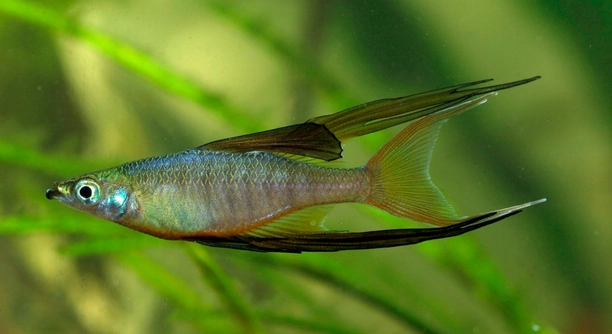
Have you ever watched your threadfin rainbowfish swim gracefully and wondered how much their environment truly affects their overall well-being each day?
Threadfin rainbowfish can adapt to different lighting conditions, though the intensity, duration, and spectrum of light directly influence their coloration, behavior, and health. Properly balanced lighting supports natural activity, breeding patterns, and overall vitality in captive settings.
From subtle shifts in brightness to the long-term impact of spectrum choice, lighting plays a larger role than many aquarists may realize.
How Lighting Shapes Threadfin Rainbowfish
Lighting influences how threadfin rainbowfish display their colors, behave, and interact in their environment. Brighter, balanced lighting often enhances their natural iridescence, making their delicate fins and slender bodies more striking. In aquariums, consistent lighting helps create stability, as these fish thrive in predictable conditions. Too much brightness, however, can stress them, while poor or dim lighting may dull their colors and lower activity. Natural daylight is often replicated with specialized aquarium lights that provide both intensity and spectrum similar to what they experience in the wild. For aquarists, understanding this balance means creating a space where the fish can thrive without stress. When lighting is managed well, rainbowfish display smoother swimming patterns, greater confidence, and stronger feeding responses. This shows how light is more than just a visual factor—it is a major influence on health and overall well-being.
Proper lighting encourages natural behavior patterns that allow threadfin rainbowfish to remain active, social, and visibly healthy.
When aquarists provide lighting that mimics natural rhythms, the fish respond with brighter coloration, active swimming, and improved breeding readiness. Inconsistent or inappropriate lighting, on the other hand, can disrupt these patterns and lead to stress-related issues.
Adjusting Light for Healthy Conditions
Threadfin rainbowfish need consistency, so sudden changes in lighting should always be avoided to reduce unnecessary stress in their habitat.
Aquarium setups benefit from a structured lighting schedule, typically around ten to twelve hours of light each day. This allows threadfin rainbowfish to regulate their activity in a way that mirrors natural conditions. Timers are particularly useful, as they provide a steady pattern the fish can adapt to without disruption. The type of bulb also plays a role; full-spectrum lights support both fish health and plant growth within the tank. Since rainbowfish are naturally drawn to plant-covered environments, combining proper lighting with live plants creates a healthier, more balanced setup. It also reduces algae overgrowth when managed properly. Careful placement of the lights helps prevent glare and harsh brightness, both of which may cause stress. Over time, aquarists can observe how their fish respond to these conditions, making small adjustments as needed. By maintaining consistency, avoiding extremes, and paying attention to the visual and behavioral cues of the fish, lighting can become an effective tool for ensuring long-term health and stability.
Light Intensity and Coloration
Threadfin rainbowfish show their most vibrant colors under moderate to strong lighting. Softer light may cause them to appear duller, while harsh light can overwhelm their delicate appearance and lead to visible stress over time.
Balanced intensity encourages their natural shimmer to stand out without overwhelming their eyes. Aquarists often notice that under proper lighting, males display brighter fins, while females show healthy, subtle tones. This difference helps highlight natural dimorphism. Consistency is important, since sudden intensity shifts may cause hiding or skittish movements. Controlled adjustments create a stable environment that supports both health and appearance.
Light intensity also influences social interactions. In balanced light, rainbowfish are more active and engage with their group confidently. When the tank is too dark, they may become less lively, while overexposure to brightness can make them hide more often. Controlled conditions allow their personality to come through naturally.
Spectrum and Daily Cycles
The light spectrum influences both coloration and well-being. Full-spectrum lighting, which closely mimics daylight, supports vibrant displays and natural activity. Blue and red tones also affect how fish perceive each other, shaping social behaviors and even breeding responses in aquarium conditions.
Threadfin rainbowfish benefit from a cycle that mirrors day and night patterns. About ten to twelve hours of light followed by consistent darkness allows them to regulate activity, rest, and feeding naturally. Sudden lighting changes, like switching lights on or off abruptly, can startle them and cause unnecessary stress. Gradual adjustments, such as dimmers or timers, help them adapt smoothly. A regular cycle encourages confidence, consistent swimming behavior, and healthy interaction with plants and other tank mates. By respecting these daily rhythms, aquarists support both physical health and balanced behavior, giving their rainbowfish a stable environment to thrive in comfortably.
Behavior Under Different Lighting
Threadfin rainbowfish become more active and social when lighting is steady and balanced. Inconsistent lighting can cause hiding, erratic swimming, or reduced feeding activity, showing how strongly their behavior depends on stable conditions each day.
Under proper lighting, their natural schooling instinct is more noticeable. They swim together smoothly, display brighter colors, and engage with their surroundings. Poor lighting reduces these interactions, making them appear withdrawn or less energetic, which can affect their overall health and confidence within the aquarium.
Breeding Responses to Lighting
Breeding behavior in threadfin rainbowfish is influenced by both light intensity and spectrum. Softer lighting encourages courtship displays, as males spread their fins and show vibrant colors to attract females. Consistency in timing also supports spawning activity, as predictable light cycles create the right environmental cues. A balanced setup with live plants and steady lighting often results in healthier egg laying and higher survival rates of fry. In contrast, harsh or inconsistent lighting may discourage breeding altogether, making it harder to observe natural reproductive behavior in these fish.
Stress Factors from Lighting
Too much brightness can create stress, leading to hiding and loss of color. Inconsistent schedules cause similar issues, reducing natural activity. Careful balance in both spectrum and duration helps reduce these stress responses, supporting long-term health and stability.
FAQ
How long should I keep lights on for threadfin rainbowfish?
A consistent schedule of 10 to 12 hours of light each day works best. This mimics natural daylight, allowing your fish to remain active, feed properly, and maintain their color. Timers are very helpful for keeping this schedule steady without manual intervention.
What type of lighting is best for their colors?
Full-spectrum lighting is ideal. It closely resembles natural sunlight, enhancing both the fish’s iridescence and the colors of plants in the aquarium. Avoid bulbs that are too harsh, as these can stress the fish and cause them to hide frequently.
Can sudden changes in lighting harm them?
Yes. Abrupt changes in brightness or duration can startle rainbowfish and increase stress levels. Gradually adjusting intensity or using timers to mimic sunrise and sunset helps the fish adapt smoothly and maintain normal behavior.
Do they need specialized bulbs for breeding?
Not strictly, but full-spectrum bulbs and moderate lighting improve courtship displays. Consistent light cycles encourage males to show brighter fins and promote natural spawning behavior. Plants and a calm environment also support successful breeding.
Will dim lighting make them healthier?
Dim lighting alone does not improve health. While it may reduce stress temporarily, insufficient light can dull colors, lower activity, and interfere with feeding patterns. Balanced lighting is necessary to support overall health and natural behaviors.
Can lighting affect aggression in a tank?
Indirectly, yes. Poor lighting can increase stress and cause fish to act skittish or hide, which may trigger territorial disputes. Consistent, moderate lighting helps reduce stress-related aggression and keeps group dynamics calmer.
Is it necessary to adjust light for tank size?
Yes. Larger tanks often need more evenly distributed lighting to prevent dark areas where fish may hide. Small tanks can use less intense light, but consistency and spectrum quality remain important for maintaining health and coloration.
Do live plants need different lighting than the fish?
Some plants require higher intensity or specific spectrums, but full-spectrum lighting generally supports both plants and rainbowfish. Ensuring balance prevents algae overgrowth while providing the necessary light for fish coloration and plant health.
Can natural sunlight replace aquarium lights?
Direct sunlight is not recommended, as it can overheat the water and encourage algae growth. Indirect natural light can be helpful but should be supplemented with artificial full-spectrum lighting for consistent intensity and proper day-night cycles.
How do I know if the lighting is correct?
Healthy fish behavior and vibrant coloration are the best indicators. Active swimming, proper feeding, confident social interaction, and natural coloration show the lighting is well-suited. Dull colors, hiding, or erratic movement suggest adjustments are needed.
What should I do if my fish seem stressed under the current lighting?
Gradually reduce brightness or adjust timing. Introduce shaded areas or floating plants for shelter. Monitor behavior and color over several days to ensure the changes are effective without disrupting the natural cycle.
Are timers essential for lighting management?
They are highly recommended. Timers create a predictable pattern that supports regular activity, feeding, and breeding. Without them, irregular lighting may increase stress and reduce overall vitality in threadfin rainbowfish.
Can different spectra affect sleep patterns?
Yes. Fish rely on light cues for rest. Blue-heavy or overly bright lights during the “night” period can disrupt sleep, leading to stress and decreased immune response. Maintaining a full-day cycle with proper darkness ensures natural rest and recovery.
Is it safe to use LED lights?
LED lights are safe and energy-efficient. They provide consistent intensity, adjustable spectrums, and lower heat output, making them ideal for threadfin rainbowfish tanks. Care should be taken to avoid glare or sudden changes in brightness.
How often should I check and adjust lighting?
Regular monitoring is key. Observe your fish weekly for behavior and color changes. Adjust intensity, duration, or placement gradually if any stress signs appear. Consistency is more important than frequent modifications.
Can improper lighting shorten their lifespan?
Indirectly, yes. Stress, weakened immunity, and reduced activity from poor lighting can negatively impact health over time. Providing steady, balanced light ensures longevity, better coloration, and overall well-being.
Are all aquarium bulbs suitable for rainbowfish?
No. Bulbs designed specifically for freshwater aquariums, ideally full-spectrum or daylight-mimicking, are best. Avoid very high-wattage or overly colored bulbs that may cause stress or disrupt natural coloration.
How do I transition from one lighting type to another?
Introduce the new light gradually over several days or weeks. Start with short periods at the new intensity and increase slowly. This prevents shock, maintains normal behavior, and ensures the fish adapt without stress.
Does lighting influence feeding behavior?
Yes. Proper lighting encourages normal swimming and social interaction, making feeding easier and more consistent. Poor lighting can reduce activity, cause hiding, and lead to missed meals or uneven feeding among tank mates.
Can I combine natural and artificial light safely?
Yes, if indirect sunlight is used and artificial lights maintain a consistent cycle. The combination should avoid excessive brightness and prevent water temperature spikes or algae overgrowth. Controlled integration supports natural behavior and healthy coloration.
What signs indicate lighting adjustments are working?
Increased activity, brighter coloration, confident swimming, regular feeding, and social interaction all suggest lighting is appropriate. Watch for consistent behavior over several days rather than immediate changes for the most accurate assessment.
How do I prevent algae when increasing light intensity?
Balance light duration and intensity, avoid overexposure, and maintain regular water changes. Adding plants or algae-eating species can help manage growth while keeping conditions favorable for rainbowfish.
Can lighting affect fry survival?
Yes. Proper intensity and spectrum encourage normal development and activity in fry. Too much light can stress young fish, while too little can slow growth and reduce feeding efficiency. Consistency is key to healthy early life stages.
Should I adjust lighting seasonally?
Small adjustments are acceptable to mimic natural seasonal changes, but abrupt or large shifts can stress fish. Maintain a predictable schedule and gradual transitions to keep the tank stable and the fish comfortable.
Are reflective surfaces helpful in aquariums?
They can enhance light distribution but should be used carefully to avoid glare or overly bright spots. Even light coverage supports coloration, activity, and social behavior without creating stressful extremes.
How does tank background color interact with lighting?
Darker backgrounds often make colors appear more vibrant, while light backgrounds can diffuse intensity. Adjust lighting to complement the background without creating harsh contrast, ensuring natural coloration and reduced stress.
Can I use a dimmer to adjust intensity?
Yes. Dimmer switches allow gradual adjustments to intensity, helping fish acclimate to changes and maintain consistent behavior. Sudden shifts should still be avoided, even with dimming technology.
Do fish notice changes in spectrum more than intensity?
Both matter, but spectrum influences coloration and perception of other fish, while intensity affects activity and stress. Balanced attention to both ensures healthy behavior and appearance.
Is there an ideal placement for lights in the tank?
Place lights evenly across the tank to avoid dark corners or overly bright zones. Adjust height and angle to provide uniform coverage without glare, supporting consistent swimming, feeding, and coloration.
Can lighting influence plant growth in the aquarium?
Yes. Full-spectrum lighting supports photosynthesis, keeping plants healthy. Healthy plants provide cover and reduce stress for rainbowfish while contributing to a balanced ecosystem. Properly timed light cycles benefit both fish and plants simultaneously.
How often should I replace bulbs?
Replace bulbs according to the manufacturer’s recommendations, usually every 6–12 months, as intensity and spectrum degrade over time. Dull or uneven lighting can reduce fish health, coloration, and plant growth.
What’s the safest way to test new lighting setups?
Introduce new lights gradually and observe fish behavior closely. Monitor activity, coloration, and feeding over several days before finalizing placement or intensity. Gradual testing minimizes stress and ensures a smooth transition.
Are all full-spectrum lights equally effective?
No. Quality varies between brands. Choose lights specifically rated for freshwater aquariums and verify spectrum coverage for both fish and plants. Inconsistent quality may fail to support natural coloration or plant health.
How do I maintain a natural day-night cycle?
Use timers and avoid sudden light changes. Ten to twelve hours of light followed by darkness works well. This routine encourages natural rest, feeding patterns, and social interaction, keeping rainbowfish healthy and stress-free.
Can reflective tank walls replace lighting adjustments?
Not entirely. Reflections help distribute existing light but cannot replace proper intensity, spectrum, or duration. Consistent lighting remains essential for health, coloration, and natural behavior.
Do cloudy or tinted water affect lighting needs?
Yes. Cloudy or colored water can reduce light penetration, requiring slightly higher intensity or adjusted placement to maintain consistent illumination throughout the tank. Regular maintenance helps ensure lighting effectiveness.
Is it necessary to track light exposure over time?
Yes. Logging hours, intensity, and spectrum helps identify patterns that affect fish health. Consistency and careful tracking make it easier to spot issues and make precise adjustments when needed.
Can improper lighting affect long-term growth?
Yes. Chronic stress, low activity, and poor feeding caused by unsuitable lighting can slow growth and reduce vitality. Balanced, consistent light supports proper development and overall fitness of threadfin rainbowfish.
How do I combine multiple lighting types safely?
Use compatible spectrums and intensity levels, ensuring the total light does not overwhelm the tank. Gradual adjustments and timers help integrate multiple sources without causing stress.
Do different life stages require different lighting?
Young fish benefit from slightly dimmer, stable light to reduce stress, while adults display better coloration under moderate intensity. Consistent cycles remain important at all stages for normal activity and feeding.
Are motion sensors a good alternative to timers?
No. Motion sensors create unpredictable lighting, which can stress rainbowfish. Timers and gradual adjustments remain the most effective way to maintain consistent light cycles.
How do I balance aesthetics and health in lighting?
Prioritize natural light intensity and full-spectrum coverage to support behavior and coloration. Adjust placement, duration, and spectrum carefully to enhance visual appeal without compromising fish well-being.
Can lighting alone improve coloration?
Lighting helps, but nutrition, water quality, and overall health are equally important. Balanced lighting enhances natural iridescence, but it works best alongside proper care and environment management.
What’s the best way to monitor stress related to lighting?
Watch for hiding, erratic swimming, loss of color, and reduced feeding. Consistent observation allows timely adjustments before prolonged stress affects health or behavior.
How do I integrate supplemental lights safely?
Introduce them gradually, check fish reactions, and maintain overall light consistency. Avoid sudden changes, and ensure total intensity remains within safe levels for both fish and plants.
Can lighting affect oxygen levels in the tank?
Indirectly. Strong lights can increase water temperature, reducing dissolved oxygen. Balanced lighting and proper aeration maintain healthy oxygen levels while supporting activity and plant growth.
Should lighting differ for community tanks?
Yes. Balance intensity and spectrum to suit all species present. Avoid extremes that stress more sensitive fish, ensuring stable conditions for threadfin rainbowfish and other inhabitants.
Do reflective or metallic decorations impact lighting?
They can create glare or hotspots. Adjust placement to ensure light is evenly distributed, preventing stressful brightness while enhancing overall visual appeal.
Can lighting affect algae growth long-term?
Yes. Excessive or prolonged light encourages algae, which can compete with plants and reduce water quality. Managing intensity, duration, and spectrum helps control growth naturally.
How do I safely increase light gradually?
Increase intensity in small increments over several days while observing fish behavior. Combine with shaded areas or floating plants to reduce stress during adjustment periods.
What’s the best way to balance fish health and aesthetic lighting?
Focus on full-spectrum, moderate intensity, and consistent cycles. Adjust placement and duration to highlight natural coloration without causing stress, maintaining both visual appeal and well-being.
Can lighting affect disease susceptibility?
Yes. Chronic stress from improper lighting can weaken the immune system, making rainbowfish more vulnerable to infection. Proper intensity, spectrum, and consistent schedules reduce stress and support resilience.
How often should I evaluate lighting setup?
At least monthly. Check intensity, spectrum, bulb condition, and placement. Observing fish behavior alongside these adjustments ensures long-term stability and optimal health.
Does lighting influence territorial behavior?
Indirectly. Poor or inconsistent lighting increases stress, which can exacerbate territorial disputes. Stable, moderate lighting reduces tension and promotes peaceful schooling.
Can I use colored lights for effect?
Yes, but sparingly. Subtle accents may enhance appearance temporarily, but full-spectrum lighting remains essential for health, natural behavior, and coloration consistency.
Are there signs of overexposure to light?
Yes. Fish may hide, lose color, swim erratically, or reduce feeding. Observing these signs early allows for quick adjustments to restore comfort and natural behavior.
Can lighting compensate for poor water conditions?
No. Proper lighting supports health, but water quality, diet, and habitat stability are equally critical. Lighting alone cannot fix underlying environmental issues.
How does aquarium size affect lighting choices?
Larger tanks require more even distribution and slightly higher intensity, while small tanks need careful control to avoid hotspots. Consistency and spectrum quality remain crucial for all sizes.
What is the safest way to upgrade to LED lights?
Introduce gradually, use timers for consistent cycles, and monitor behavior for stress. Ensure spectrum and intensity suit both fish and plants for safe integration.
Can lighting alone trigger spawning?
It supports spawning behavior, but other factors like water quality, temperature, and presence of plants also influence reproductive success. Lighting provides cues but is not sufficient by itself.
Do reflective surfaces help reduce stress?
They can improve light distribution but should not create glare. Even lighting with gentle reflections supports comfort, coloration, and natural behavior without adding stress.
How long before I see improvements after adjusting lighting?
Behavior and color improvements may appear within a few days to a week. Consistency and careful monitoring are key to ensuring positive, lasting changes.
Are there risks with multiple lighting types in one tank?
Yes. Conflicting spectrums or intensity extremes can stress fish. Gradual integration and even coverage are necessary for a safe and comfortable environment.
Can lighting impact appetite?
Yes. Proper, consistent lighting encourages normal feeding behavior, while poor light can reduce activity and make fish less likely to eat. Regular schedules support consistent appetite.
Does tank decoration influence lighting effects?
Yes. Plants, rocks, and ornaments create shaded areas that interact with light. Proper placement ensures consistent illumination while providing natural hiding spots to reduce stress.
What’s the role of timers versus manual control?
Timers provide predictability, reducing stress and maintaining consistent cycles. Manual adjustments risk irregular exposure, which may affect coloration, activity, and health.
Are there visual cues that indicate light is too strong?
Fish may dart quickly, hide frequently, or show paler colors. Observing these behaviors helps determine if intensity needs adjustment.
Can long-term low lighting harm growth?
Yes. Reduced activity, dull coloration, and lower feeding efficiency can slow development. Balanced light supports proper growth and overall vitality.
How do I combine aesthetic and functional lighting?
Prioritize health and natural behavior first. Supplement with accent lights carefully to enhance appearance without affecting stress levels or activity patterns.
Is morning versus evening lighting important?
Gradual transitions in the morning and evening mimic natural conditions, reduce stress, and support consistent activity. Sudden on/off changes should be avoided.
Does water clarity affect lighting effectiveness?
Yes. Clear water allows light to penetrate fully, supporting color and activity. Cloudy or tinted water reduces effectiveness, requiring adjustments in intensity or placement.
Are all full-spectrum lights equally beneficial?
Quality varies. Look for lights rated for freshwater aquariums with balanced spectrums to support both fish and plant health. Low-quality bulbs may fail to enhance coloration or growth.
Can I use motion sensors instead of timers?
No. Motion sensors create unpredictable light patterns, which can stress rainbowfish. Consistent, timed cycles are necessary for healthy behavior and well-being.
Do fish notice color changes in lighting?
Yes. Spectrum affects how fish see each other, influencing social interactions, aggression, and courtship behavior. Balanced full-spectrum lighting ensures natural perception.
How do I prevent overheating when using bright lights?
Monitor water temperature, maintain circulation, and avoid direct sunlight. LEDs produce less heat, but placement and duration still require attention to keep conditions stable.
Can floating plants help moderate light?
Yes. They diffuse intensity, create shaded areas, and reduce stress while maintaining natural behaviors. Floating plants also provide hiding spots and contribute to water quality.
What’s the ideal combination of light spectrum and intensity?
Moderate intensity with full-spectrum coverage best supports coloration, activity, and breeding. Subtle blue and red tones enhance appearance without overwhelming the fish.
How do I safely test light placement?
Observe fish for several days after adjustments, checking behavior, coloration, and hiding frequency. Gradual changes prevent stress and ensure even illumination across the tank.
Are reflective or mirrored tank surfaces recommended?
Use with caution. They can enhance brightness but may cause glare or hotspots. Balanced distribution without harsh reflections supports comfort and natural activity.
Can lighting influence water temperature significantly?
Strong or poorly placed lights can increase temperature, especially in small tanks. Monitor closely and ensure circulation to maintain stable conditions for rainbowfish.
How do I maintain lighting consistency over months?
Use timers, check bulb condition regularly, and monitor intensity. Small, gradual changes are preferable to abrupt adjustments to maintain healthy behavior and coloration.
Do all life stages require the same spectrum?
Spectrum should remain consistent, but younger fish may benefit from slightly dimmer, less intense light to reduce stress while maintaining natural cues for growth and activity.
Can colored accent lights stress rainbowfish?
Yes, if too bright or frequent. Use sparingly for aesthetic purposes while maintaining primary full-spectrum lighting to support health and natural behavior.
Is there a maximum safe intensity for threadfin rainbowfish?
Moderate intensity is ideal. Extremely bright or concentrated light can cause stress, hiding, or loss of color. Gradual increases and even distribution help avoid overexposure.
How often should I monitor behavioral changes?
Weekly observations are sufficient. Track swimming patterns, feeding, social interactions, and coloration. Prompt adjustments prevent long-term stress or health issues.
Can improper lighting affect immune response?
Yes. Chronic stress from unsuitable light can weaken immunity, making fish more susceptible to disease. Balanced intensity, spectrum, and cycle timing help maintain resilience.
Does lighting affect schooling behavior?
Indirectly. Balanced lighting promotes confidence and visibility, encouraging schooling. Poor or inconsistent lighting may cause isolation or erratic movements within the group.
Can I combine daylight and LED lighting safely?
Yes, if indirect sunlight
Threadfin rainbowfish are sensitive to their environment, and lighting is one of the most important factors that influences their health, behavior, and appearance. The right light helps bring out their natural colors and keeps them active and confident in the aquarium. When lighting is balanced and consistent, rainbowfish show smoother swimming patterns, interact well with each other, and maintain their feeding schedules. It is important to provide a predictable day-night cycle, as sudden changes in brightness or duration can stress them. Consistency is not just about maintaining color but also about supporting natural rhythms that affect their overall well-being. Aquarists often notice that even subtle changes in intensity or spectrum can lead to visible differences in behavior. Fish may hide more often, become less active, or display duller colors when lighting is inadequate or inconsistent. By carefully managing both intensity and spectrum, and providing a stable schedule, the tank becomes a more comfortable environment where fish can thrive.
Choosing the proper type of lighting requires consideration of more than just brightness. Full-spectrum lights are ideal because they closely resemble natural sunlight, helping rainbowfish display their best colors while also supporting live plants. A healthy planted tank benefits the fish by creating shaded areas, reducing stress, and improving water quality. Live plants work in harmony with light to make the environment feel more natural, allowing rainbowfish to exhibit behaviors they would in the wild, such as schooling, exploring, and resting in calm areas. Additionally, light spectrum affects social interactions and even breeding behavior, with males displaying brighter fins during courtship under appropriate lighting. A balanced approach ensures that both physical health and natural behaviors are supported. Overly bright lights or poor spectrum choices can cause stress, hiding, or loss of color, which is why aquarists should monitor how fish respond to any changes. Gradual adjustments, timers, and careful observation are essential to maintaining a stable setup.
Maintaining proper lighting is a long-term commitment, but it pays off by keeping rainbowfish healthy and vibrant. Stress from inappropriate lighting can weaken their immune system, reduce appetite, and interfere with natural activity, all of which can affect longevity. Regular observation is key—watch for hiding, erratic swimming, loss of color, or changes in feeding behavior. Adjust intensity, spectrum, or duration gradually to correct problems while maintaining consistent conditions. Lighting works in combination with other environmental factors like water quality, temperature, and diet, so it cannot be considered in isolation. A thoughtful approach that balances aesthetic appeal with functional health ensures that rainbowfish are not only visually striking but also thriving in their habitat. With careful planning, attention to detail, and consistent care, aquarists can create an environment that supports the long-term well-being and natural behavior of threadfin rainbowfish, helping them flourish and display their full potential in both color and activity.

Hello,
If you enjoy the content that we create, please consider saying a "Thank You!" by leaving a tip.
Every little bit helps us continue crafting quality advice that supports the health, happiness, and well-being of pets around the world, for pets of all shapes, sizes, and species.
We really appreciate the kindness and support that you show us!