
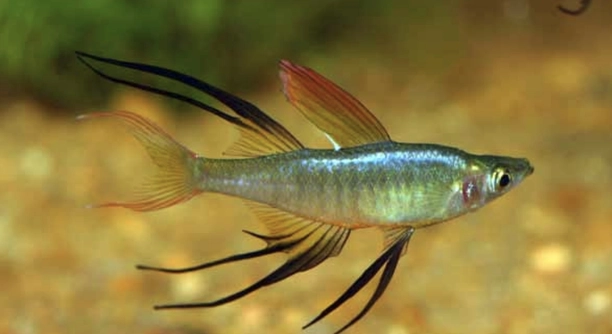
Threadfin Rainbowfish are known for their energetic chasing behavior, which is often a sign of social interaction and establishing hierarchy within their group. Observing this activity can be both entertaining and informative for aquarium enthusiasts.
Threadfin Rainbowfish may stop chasing each other due to stress, overcrowding, illness, or changes in water quality. Maintaining stable tank conditions, appropriate population density, and monitoring health are essential to encourage natural social behaviors in this species.
Monitoring these behaviors can provide valuable insight into your fish’s well-being. Understanding their activity patterns will help maintain a healthy and balanced aquarium environment.
Understanding Stress in Threadfin Rainbowfish
Stress is one of the most common reasons Threadfin Rainbowfish stop chasing each other. Changes in water temperature, sudden loud noises, or frequent tank disturbances can make them anxious. When stressed, fish may hide more often or become lethargic. Observing your tank carefully can help identify stress triggers. Providing plenty of hiding spaces and maintaining a consistent environment can reduce stress levels. Even minor changes in light or water flow can impact their behavior. It’s important to keep water parameters stable, including pH, temperature, and hardness, to ensure a calm environment. Overcrowding can also contribute to stress, as fish may feel threatened or unable to establish proper territory. Regular monitoring of the group’s behavior can help you detect early signs of stress. Healthy fish are more likely to chase, interact, and display natural social behavior, so addressing these stress factors is crucial for a lively tank environment.
Maintaining consistent water quality and avoiding sudden changes can significantly reduce stress in Threadfin Rainbowfish.
Stress management requires daily observation and careful tank maintenance. Simple measures, like gradual water changes, proper spacing, and reducing disturbances, support natural behavior and overall fish health. By keeping the environment stable and predictable, your fish are more likely to remain active and social.
Impact of Water Quality
Poor water quality can stop Threadfin Rainbowfish from interacting normally. High ammonia or nitrite levels, improper pH, or unclean tanks affect their health and behavior.
Keeping water clean, with regular monitoring and maintenance, is essential to encourage natural chasing behavior.
Water parameters directly influence the well-being of Threadfin Rainbowfish. Ammonia and nitrite are toxic, even at low levels, and can cause lethargy, hiding, or loss of appetite. Filtration and partial water changes are critical to maintaining stable conditions. pH and temperature fluctuations also affect metabolism and activity. Providing a tank environment that closely resembles their natural habitat helps them feel secure and encourages social interactions. Additionally, uneaten food and decaying plant matter should be removed promptly to prevent contamination. Consistent monitoring of water parameters ensures problems are identified before they impact behavior. Maintaining cleanliness and stability not only supports chasing and social behavior but also reduces the risk of illness and long-term stress. Healthy water quality leads to more active, vibrant, and interactive fish.
Overcrowding Effects
Too many fish in a tank can reduce chasing behavior among Threadfin Rainbowfish. Limited space creates tension, causing fish to hide or avoid each other. Proper population density allows them to establish territory and maintain natural social interactions.
Overcrowding not only increases stress but also affects water quality, which can worsen behavioral issues. Fish that feel crowded may show aggression, fin nipping, or lethargy, reducing chasing activity. Providing adequate space and proper tank size allows each fish to move freely and interact naturally. Balanced group sizes promote a healthier social structure where chasing and playful behavior occur without constant stress or competition for resources.
Separating fish into appropriately sized tanks or reducing group size can restore natural behavior. Ensuring there is enough space for swimming and hiding helps maintain social order and encourages active interaction among Threadfin Rainbowfish.
Illness and Health Issues
Illness can cause Threadfin Rainbowfish to stop chasing each other. Sick fish often become inactive, hide, or lose appetite, making social behavior minimal.
Common issues include parasites, bacterial infections, and fin rot, all of which impact activity levels. Early detection through observation of swimming patterns, coloration, and appetite is essential. Treating infections promptly can restore health and normal behavior. Quarantining affected fish prevents disease spread and protects the rest of the group.
Maintaining a clean tank, providing a balanced diet, and observing daily behavior are key preventive measures. Fish showing unusual signs should be checked for symptoms of illness immediately. Healthy fish are more likely to chase, interact, and display normal social behavior. Regular monitoring and timely interventions ensure the group remains active, reducing stress and promoting overall well-being. Consistent care allows Threadfin Rainbowfish to thrive and maintain their natural chasing patterns, reflecting a stable and supportive tank environment.
Changes in Tank Environment
Sudden changes in lighting, decorations, or water flow can make Threadfin Rainbowfish stop chasing each other. They rely on a familiar environment to feel secure, and disruptions may cause hiding or reduced activity.
Even minor shifts in tank setup can stress fish. Consistency helps them maintain natural behavior and social interactions.
Diet and Nutrition
Poor nutrition can affect chasing behavior. Threadfin Rainbowfish need a balanced diet with high-quality flakes, pellets, and occasional live or frozen foods. Nutritional deficiencies can lead to low energy, weakened immunity, and reduced social interactions. Feeding small portions multiple times daily supports activity and natural chasing behavior. Consistency in diet, along with variety, ensures fish remain healthy and active. Overfeeding can also cause lethargy or water quality issues, which indirectly impacts chasing. Observing how fish respond to different foods helps determine if diet adjustments are needed to restore normal energy levels and behavior.
Seasonal Behavior
Threadfin Rainbowfish may slow down chasing during seasonal changes. Temperature shifts and light variations can influence activity levels and social interactions.
FAQ
Why have my Threadfin Rainbowfish suddenly stopped chasing each other?
This usually happens due to stress, illness, overcrowding, or changes in water quality. Fish need a stable environment to maintain natural behavior. Even small disruptions, like sudden temperature shifts, rearranged decorations, or inconsistent feeding, can make them less active and reduce social chasing.
How can I tell if stress is affecting my fish?
Signs include hiding, lethargy, loss of appetite, or faded coloration. Fish may avoid other tankmates and swim less. Observing their daily routine helps identify triggers. Providing hiding spaces, consistent lighting, and stable water conditions usually reduces stress.
Can overcrowding prevent chasing behavior?
Yes, too many fish in a tank can limit movement and cause tension. Overcrowded fish may hide or become aggressive. Proper tank size and population density allow them to establish territory and engage in normal chasing. Reducing group size or increasing tank space restores natural social interactions.
What role does water quality play in chasing behavior?
Poor water quality, such as high ammonia, nitrite, or inconsistent pH, can reduce activity and stress fish. Clean, stable water encourages natural behavior. Regular water testing, partial water changes, and proper filtration are essential to maintain an environment that promotes chasing.
Could diet affect their activity levels?
Yes. Threadfin Rainbowfish need a balanced diet of high-quality flakes, pellets, and occasional live or frozen foods. Poor nutrition lowers energy and social interaction. Overfeeding can also reduce activity and degrade water quality, indirectly affecting chasing behavior. Feeding small portions multiple times daily supports health and natural activity.
Do seasonal changes influence behavior?
Temperature and light changes can affect activity levels. Cooler water may slow metabolism, while longer daylight periods can increase activity. Maintaining consistent temperature and lighting helps fish stay active and encourages chasing, even during seasonal shifts.
How can I detect illness early?
Watch for unusual swimming patterns, faded coloration, frayed fins, or loss of appetite. Sick fish may isolate themselves. Quarantining affected fish and treating infections promptly prevents disease spread and allows healthy fish to continue normal social behavior.
Will adding more hiding spots help?
Yes. Hiding spaces reduce stress and allow fish to establish territory. Plants, rocks, or decorations give them security, which can encourage chasing once they feel comfortable. Balancing open swimming areas with safe hiding spots supports natural social interactions.
Is it normal for chasing behavior to fluctuate?
Yes. Chasing intensity can vary with age, group dynamics, and environmental conditions. Juvenile fish may chase more actively, while older or tired fish may reduce activity. Observing long-term patterns rather than short-term changes provides a better understanding of natural behavior.
What is the best way to restore chasing behavior?
Maintain stable water parameters, appropriate population density, balanced diet, and a consistent environment. Address stressors, prevent illness, and provide hiding spots. Gradual improvements in tank conditions usually lead to increased activity and restored social interactions among Threadfin Rainbowfish.
Can aggressive tankmates affect chasing?
Yes. Aggressive or overly dominant fish can intimidate Threadfin Rainbowfish, reducing chasing behavior. Ensuring compatible tankmates and observing interactions helps maintain a peaceful environment, encouraging normal social activity.
How long does it take for behavior to return to normal?
Depending on the cause, recovery can take a few days to a few weeks. Stress reduction, proper diet, stable water conditions, and treatment of illness all contribute to regaining natural chasing behavior. Patience and careful observation are essential.
Is chasing behavior important for their health?
Yes. Chasing helps establish social hierarchy, provides exercise, and stimulates mental activity. Reduced chasing can indicate problems with environment, health, or social dynamics. Maintaining conditions that encourage natural behavior supports overall well-being and longevity.
Can lighting changes improve activity?
Proper lighting mimics natural day-night cycles and encourages activity. Sudden changes or inconsistent lighting can stress fish. Gradual adjustments or using timers ensures Threadfin Rainbowfish remain active and social, which supports chasing behavior consistently.
Are water changes necessary to maintain activity?
Yes. Regular partial water changes remove waste, maintain water quality, and prevent stress. Clean water supports health and encourages natural behaviors, including chasing. Avoid sudden large changes, as these can shock fish and reduce activity temporarily.
Do juvenile and adult fish behave differently?
Juveniles tend to chase more actively as they establish social hierarchies. Adults may chase less but still interact. Monitoring both age groups helps ensure all fish remain active and healthy, and it identifies any environmental issues that may reduce chasing.
How important is tank size for chasing?
Tank size directly affects movement and social interactions. Larger tanks allow fish to swim freely, establish territories, and chase naturally. Overcrowding limits these behaviors and increases stress, while an appropriately sized tank promotes healthy activity and interaction.
Can sudden changes in temperature stop chasing behavior?
Yes. Threadfin Rainbowfish are sensitive to temperature fluctuations. Sudden increases or drops can reduce activity, stress fish, and temporarily halt chasing. Maintaining a consistent, species-appropriate temperature ensures energy levels and social interactions remain normal.
How can I balance social dynamics in a group?
Observe interactions to identify dominant or passive fish. Adjust population density, provide hiding spots, and maintain stable conditions. Ensuring all fish feel secure encourages chasing and reduces stress-related behavior issues.
Are there behavioral signs that chasing will resume soon?
Increased swimming, curiosity toward tankmates, and exploration of open areas often indicate returning activity. Gradual improvements in behavior reflect reduced stress and better health, suggesting normal chasing behavior will resume once conditions stabilize.
What precautions prevent chasing from stopping again?
Maintain stable water parameters, a balanced diet, proper tank population, hiding spots, and consistent lighting. Regular observation for stress or illness ensures quick intervention. These measures keep Threadfin Rainbowfish active and maintain their natural social behavior.
Can introducing new fish disrupt chasing behavior?
Yes. New additions can cause temporary stress and hierarchy changes, reducing chasing. Quarantine new fish and introduce them gradually to minimize disruption, allowing the group to adapt while maintaining social interactions.
Does the type of substrate affect chasing?
Soft substrates or natural plants reduce stress and encourage free movement. Hard, bare substrates may make fish more cautious. A balanced tank layout supports chasing and other natural behaviors.
How can I ensure long-term activity and social behavior?
Regular maintenance, stable water, balanced diet, proper tank size, and observation for illness or stress are key. Consistent care ensures Threadfin Rainbowfish remain active, healthy, and continue chasing naturally.
Are certain times of day better for observing chasing?
Yes. Fish are usually more active during morning and late afternoon. Observing them during these periods provides insight into natural social behavior and overall health.
Can stress from other species in the tank affect chasing?
Aggressive or overly active tankmates can intimidate Threadfin Rainbowfish, reducing chasing. Ensuring compatible species and providing hiding spaces supports normal social interactions.
Is chasing behavior linked to breeding?
Chasing can increase during breeding periods as males establish dominance. Observing seasonal patterns helps differentiate between normal social activity and stress-related behavior changes.
What is the impact of poor water circulation on chasing?
Insufficient water flow reduces oxygen levels and creates stagnant areas. Fish may avoid these areas, limiting chasing. Proper filtration and circulation maintain activity and encourage social interactions.
How can I encourage natural behavior after illness?
Gradually restore optimal water conditions, provide a balanced diet, and monitor interactions. Reduced stress and stable conditions allow fish to regain energy and resume chasing.
Are chasing and schooling behavior related?
Yes. Chasing often occurs within the context of schooling. Healthy, active fish school together and chase naturally, reflecting strong social bonds and stable environmental conditions.
Can adding live plants improve chasing behavior?
Live plants provide hiding spots and reduce stress, encouraging exploration and interaction. A planted tank supports natural chasing and overall well-being.
What is the best way to monitor chasing behavior?
Daily observation during active periods, noting swimming patterns, interactions, and energy levels, helps detect changes. Early detection of issues allows quick intervention and maintains natural behavior.
Does tank size relative to group number matter?
Yes. Proper space ensures fish can chase, explore, and establish territory without stress. Overcrowding reduces chasing, while appropriately sized tanks promote healthy activity.
Can temporary isolation help restore chasing behavior?
Isolating stressed or sick fish allows recovery without disrupting the group. Once healthy, reintroducing them gradually restores normal social interactions and chasing behavior.
How important is consistency in routine?
Daily feeding, water checks, and lighting schedules create a predictable environment. Consistency reduces stress and supports active chasing among Threadfin Rainbowfish.
Can overfeeding affect chasing behavior?
Yes. Overfeeding can lead to lethargy, poor water quality, and reduced activity. Controlled feeding schedules maintain energy levels and encourage natural social behavior.
Does chasing behavior vary between individuals?
Yes. Some fish are naturally more active, while others are timid. Providing space and hiding spots allows all fish to participate in social interactions according to their personality.
Can introducing new decorations help or harm behavior?
Gradual additions can provide hiding spots and stimulate activity. Sudden, drastic changes may stress fish, temporarily reducing chasing. Balance is key for maintaining natural behavior.
Are water parameters more important than tank size?
Both are essential. Clean, stable water supports health, while adequate space allows free movement. Together, they ensure Threadfin Rainbowfish remain active and chase naturally.
Can chasing behavior predict overall tank health?
Yes. Regular chasing indicates low stress, proper nutrition, and stable conditions. Sudden reduction signals potential issues, allowing timely intervention to maintain a healthy environment.
How does light intensity affect chasing?
Moderate, consistent lighting encourages exploration and interaction. Too bright or dim lighting may reduce activity. Timers help maintain a natural day-night cycle, promoting social behavior.
Is chasing behavior more common in certain ages?
Juveniles chase more actively as they establish hierarchy. Adults may chase less but still interact. Observing age differences helps manage group dynamics and ensures all fish remain active.
What should I do if chasing never resumes?
Check water quality, population density, diet, tank conditions, and health. Address stressors and provide hiding spots. Persistent inactivity may indicate illness or environmental issues requiring intervention.
Can seasonal lighting adjustments affect chasing?
Gradual changes in light mimic natural conditions and help maintain activity. Sudden alterations may stress fish and reduce chasing temporarily.
Does chasing help reduce aggression?
Yes. Healthy chasing establishes hierarchy and reduces conflict. Fish that cannot chase may become aggressive or stressed. Providing space and social balance promotes peaceful interaction.
How often should I observe chasing behavior?
Daily monitoring during active periods ensures early detection of issues. Observing patterns over time helps maintain healthy social interactions and prevents prolonged inactivity.
Can tankmates influence energy levels?
Yes. Calm, compatible tankmates encourage chasing, while aggressive or overly active species may suppress it. Proper group selection maintains a lively, interactive environment.
Are there environmental cues that trigger chasing?
Light cycles, water flow, and tank structure can influence activity. Stable and natural conditions encourage normal chasing behavior consistently.
Does chasing decrease with age?
Older fish may chase less frequently but remain socially interactive. Monitoring all age groups ensures balanced social dynamics and overall health.
How can I tell if chasing is normal or stress-induced?
Normal chasing occurs regularly, without signs of hiding, color fading, or lethargy. Stress-induced chasing is irregular, accompanied by avoidance or aggression. Observing overall behavior helps distinguish the cause.
Can behavioral enrichment improve chasing?
Yes. Adding plants, rocks, or varying flow patterns provides stimulation, reduces boredom, and encourages natural chasing among Threadfin Rainbowfish.
How does water hardness affect activity?
Extreme hardness levels can stress fish and reduce chasing. Maintaining species-appropriate parameters supports energy levels and normal social behavior.
Do breeding conditions increase chasing?
Yes. Males often chase to establish dominance and attract females. Recognizing this pattern helps differentiate normal social behavior from stress-related inactivity.
Can chasing be used to assess fish health?
Regular, active chasing indicates good health, stable environment, and proper nutrition. Sudden decreases suggest stress, illness, or environmental problems needing attention.
Is it safe to rearrange the tank for more chasing?
Small, gradual changes can stimulate activity. Avoid drastic rearrangements, which may stress fish and temporarily reduce chasing. Gradual improvements encourage exploration and social interaction.
Does chasing contribute to overall fitness?
Yes. Chasing provides exercise, helps establish hierarchy, and supports mental stimulation, contributing to healthier, more active Threadfin Rainbowfish.
Can water temperature extremes halt chasing?
Yes. Too hot or cold water reduces energy levels. Maintaining a stable, species-appropriate temperature ensures active chasing and healthy social interactions.
How can I differentiate between playful and aggressive chasing?
Playful chasing is brief, with fish returning to swimming freely. Aggressive chasing involves constant pursuit, nipping, or stress signs. Observation helps maintain a peaceful, active environment.
Are there signs chasing will not resume naturally?
Persistent hiding, color fading, or refusal to eat may indicate illness or chronic stress. Immediate intervention is needed to restore normal behavior.
Does chasing affect tank hierarchy?
Yes. Regular chasing helps establish social order, reducing conflict and supporting stable group dynamics. Without it, dominance disputes may arise.
Can lighting duration influence chasing?
Yes. Longer daylight encourages activity, while short or inconsistent lighting may reduce social interactions. Timed lighting supports predictable behavior.
How important is gradual adjustment to new tankmates?
Essential. Sudden introductions can stress fish and halt chasing. Quarantining and gradual integration allows adaptation and preserves social behavior.
Is chasing linked to energy levels?
Yes. Low energy from poor diet, illness, or stress reduces chasing. Maintaining nutrition and health supports active social interactions.
Can water aeration improve chasing behavior?
Yes. Proper oxygenation supports metabolism and energy, encouraging active chasing and overall well-being.
Does chasing frequency vary by individual personality?
Yes. Some fish are naturally more active, while others are timid. Providing space and hiding spots ensures all fish can interact safely.
Are there indicators that chasing is returning?
Increased swimming, curiosity toward tankmates, and exploration suggest returning activity. Consistent care restores normal social behavior over time.
Can environmental enrichment prevent chasing from stopping?
Yes. Plants, rocks, and varied flow create stimulation, reduce stress, and encourage natural chasing. A dynamic, yet stable, environment supports social interactions.
How do I balance multiple factors affecting chasing?
Monitor water quality, population, diet, tank setup, lighting, and health. Adjust gradually, address stressors, and observe daily to maintain active, social Threadfin Rainbowfish.
Can chasing behavior predict reproductive readiness?
Yes. Increased chasing and activity often indicate breeding behavior, especially among males establishing dominance. Observing patterns helps differentiate normal social activity from stress responses.
Are there preventive measures to avoid chasing reduction?
Maintain stable water conditions, proper diet, compatible tankmates, adequate space, hiding spots, and consistent lighting. Regular monitoring prevents stress, illness, or overcrowding from reducing chasing.
Does chasing frequency indicate tank stability?
Yes. Active, consistent chasing reflects healthy, stable conditions. Sudden changes signal potential issues with environment, health, or social dynamics.
Can chasing behavior return after temporary stress?
Yes. Once water parameters, diet, and social environment stabilize, fish regain energy and resume normal chasing. Patience and careful observation support recovery.
Is chasing linked to mental stimulation?
Yes. Chasing provides mental engagement, helping reduce boredom and promoting natural social interactions among Threadfin Rainbowfish.
How does hiding behavior relate to chasing?
Fish that hide frequently are less likely to chase. Providing safe spaces while ensuring enough open areas promotes balanced activity.
Can temperature adjustments restore chasing behavior?
Gradual, species-appropriate adjustments help fish regain energy and resume normal social interactions. Sudden changes can worsen inactivity.
How can I encourage group cohesion?
Stable environment, proper population, hiding spots, and balanced diet reduce stress and encourage chasing. Observing interactions ensures peaceful social behavior.
Is chasing energy-dependent?
Yes. High-energy fish chase actively, while fatigue, poor diet, or illness reduces activity. Supporting overall health maintains social interactions.
Can chasing behavior vary throughout the day?
Yes. Morning and late afternoon are typically more active periods. Observing during these times provides insight into natural behavior patterns.
Do environmental cues like water flow stimulate chasing?
Moderate, consistent flow encourages swimming and chasing. Stagnant or overly turbulent water can reduce activity.
How long does it take for chasing to fully normalize?
Depending on the cause, recovery may take days or weeks. Stable conditions, proper diet, and stress reduction support natural social interactions.
Can chasing behavior help detect hidden health issues?
Yes. Reduced chasing often signals illness, stress, or poor water quality. Early observation allows timely intervention to maintain healthy fish.
Does the number of hiding spots affect chasing?
Balanced hiding spots reduce stress and support natural social interactions. Too few or too many can disrupt behavior patterns.
Are sudden behavioral changes a concern?
Yes. A sudden stop in chasing often indicates environmental, social, or health issues needing immediate attention to restore normal activity.
Can chasing behavior predict overall energy levels?
Yes. Active chasing indicates good energy, health, and a stable environment. Reduced chasing signals potential problems.
How do I maintain chasing long-term?
Provide stable water, balanced diet, proper tank population, hiding spots, consistent lighting, and regular monitoring. Address issues promptly to support ongoing activity.
Can chasing behavior be influenced by tank size?
Yes. Larger tanks allow free movement and natural social interaction, promoting active chasing. Crowded tanks reduce behavior and increase stress.
Does chasing relate to exercise?
Yes. Chasing provides physical activity, supporting health, energy, and mental stimulation for Threadfin Rainbowfish.
Can chasing behavior vary seasonally?
Yes. Seasonal light and temperature changes can temporarily reduce activity, but stable conditions help maintain behavior.
Are tankmates a factor in chasing intensity?
Yes. Compatible, calm tankmates encourage chasing, while aggressive or dominant fish can suppress activity. Proper selection supports natural behavior.
How do I reintroduce chasing after illness?
Treat illness, restore water quality, provide nutrition, and observe interactions. Gradual improvements help fish regain social behavior naturally.
Can chasing be encouraged through environmental enrichment?
Yes. Plants, decorations, and moderate flow stimulate activity, reduce stress, and encourage natural chasing patterns among fish.
Does chasing behavior vary with age or size?
Juveniles chase more actively to establish hierarchy, while adults chase less but maintain social interaction. Observation ensures balanced group dynamics.
**Can chasing predict
Final Thoughts
Threadfin Rainbowfish are naturally active and social, and their chasing behavior is a clear indicator of their well-being. When this behavior stops, it is usually a sign that something in the tank environment or their health has changed. Stress, overcrowding, poor water quality, illness, or sudden changes in tank setup can all contribute to reduced chasing. Observing your fish closely on a daily basis can help identify any issues early. Small details, like hiding spots, water temperature, and lighting, play an important role in maintaining their natural activity. Providing a stable, predictable environment gives fish a sense of security, which encourages them to engage in normal social interactions, including chasing.
Proper tank management is essential for maintaining healthy chasing behavior. This includes monitoring water parameters regularly, ensuring the tank is not overcrowded, and providing a balanced diet. Threadfin Rainbowfish respond well to gradual changes rather than sudden disruptions. Overfeeding, irregular water changes, or rapid adjustments in temperature or lighting can all have a negative impact. It is also important to observe the group dynamics, as dominant or aggressive fish can suppress activity in others. By maintaining consistency and addressing small issues before they escalate, fish are more likely to display their natural behaviors. Even minor improvements, like adding a few plants or decorations, can make the environment more comfortable and stimulating.
Chasing behavior is not just about movement; it reflects the overall health and mental well-being of your fish. Healthy fish that are properly cared for will show regular interaction, explore the tank, and maintain energy throughout the day. While occasional reductions in chasing may be normal due to age, seasonal changes, or brief stress, persistent inactivity usually signals a problem that needs attention. Maintaining proper care, monitoring health, and creating a supportive environment ensures that your Threadfin Rainbowfish remain active, social, and engaged. Paying attention to their behavior and meeting their needs consistently will help sustain natural chasing patterns, making the tank a balanced and lively habitat.

Hello,
If you enjoy the content that we create, please consider saying a "Thank You!" by leaving a tip.
Every little bit helps us continue crafting quality advice that supports the health, happiness, and well-being of pets around the world, for pets of all shapes, sizes, and species.
We really appreciate the kindness and support that you show us!