
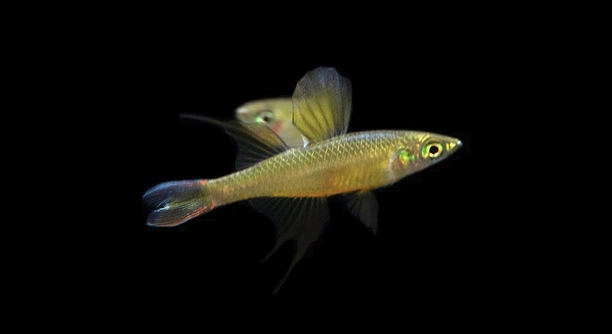
Have you ever noticed your Threadfin Rainbowfish reacting quickly, almost as if they are aware of movements happening outside their tank? These delicate and colorful fish often display fascinating behaviors that capture attention and curiosity.
Threadfin Rainbowfish can indeed detect movement outside their tank. Their sharp vision allows them to pick up on subtle motions beyond the glass. This sensitivity comes from their natural instincts, as they rely heavily on sight to remain alert in their environment.
This ability adds an interesting layer to their behavior, showing how their awareness extends beyond water. Understanding this can help in creating a calm and comfortable space for your Threadfin Rainbowfish.
How Threadfin Rainbowfish Sense Movement
Threadfin Rainbowfish have remarkable eyesight that helps them detect movement outside their tank. Their eyes are adapted to notice even slight shifts, making them highly responsive to what happens beyond the water. This is an instinctive behavior tied to survival. In their natural habitat, these fish rely on vision to avoid predators and locate food, so being aware of external motion keeps them alert. When kept in aquariums, they continue to respond to their surroundings, sometimes reacting to people walking by or sudden changes in light. Their awareness goes beyond the glass and into their environment.
Their sharp vision allows them to recognize small details, such as shadows or fast gestures near their tank. They rely on this sensitivity to stay attentive, which often explains their quick and sudden movements when someone approaches.
While their eyes are crucial, the clarity of tank glass and lighting also affect how well they notice movement. Adjustments in these areas can influence how strongly your fish react to outside activity, making their responses appear more noticeable.
Why This Behavior Matters
Being aware of movement outside the tank can cause Threadfin Rainbowfish to stay more cautious and active. Their natural instincts remain strong even in captivity, shaping how they interact with their surroundings.
Understanding this behavior highlights the importance of creating a stress-free environment. If Threadfin Rainbowfish are exposed to constant or unpredictable activity around their tank, they may become nervous or restless. This stress can affect their health and behavior over time. By placing the aquarium in a quieter space and limiting sudden external motion, you can help them feel secure. Their ability to detect movement also shows why it is essential to handle their environment with care, avoiding sharp changes in light or frequent disturbances. Allowing them to settle into a calm setting not only reduces unnecessary stress but also supports their natural beauty and graceful swimming patterns, helping them thrive in an aquarium setting.
Factors That Influence Their Sensitivity
The placement of the tank plays a big role in how sensitive Threadfin Rainbowfish appear. When positioned in busy areas, they may react more often to movement, while a quieter location keeps them calmer.
Lighting also influences how well they detect external motion. Bright, direct light can increase reflections on the glass, causing them to react to shadows or sudden movements more strongly. On the other hand, balanced lighting reduces distractions and helps them feel more comfortable. Choosing the right level of brightness helps minimize stress while maintaining their natural awareness.
Another factor is the clarity of the tank glass. Clean, well-maintained glass allows them to see clearly, making them more likely to pick up on subtle details outside. Smudged or dirty glass reduces visibility, which can make their environment feel less stimulating. Paying attention to these small details ensures their sensitivity works in a way that supports their natural instincts.
How This Affects Their Behavior
Heightened awareness often leads Threadfin Rainbowfish to swim quickly or change directions when they notice movement outside. These reactions show their natural instinct to stay alert, even in a safe tank environment. When movement becomes frequent, their behavior can seem restless or overly cautious.
This sensitivity can also influence their feeding habits and interactions with other fish. If they feel unsettled by external motion, they may eat less or become less active during feeding time. Creating stability around their tank helps maintain calm behavior. Ensuring minimal disturbance allows them to focus on natural activities, like exploring and swimming gracefully, instead of staying on edge. This balance is important in helping Threadfin Rainbowfish thrive and stay healthy in a home aquarium.
Creating a Calm Environment
Placing the aquarium in a low-traffic area helps reduce sudden movements that might startle Threadfin Rainbowfish. A consistent environment allows them to feel more secure and display their natural swimming patterns with greater ease.
Using background covers or plants around the tank provides shelter and reduces visible motion. These additions help create a sense of safety while maintaining a visually pleasing setup. A calm setting supports their health and encourages them to remain active without appearing stressed.
The Role of Tank Mates
Tank mates play an important role in how Threadfin Rainbowfish respond to movement. Peaceful companions reduce tension and allow them to focus on natural activities rather than being distracted by aggressive interactions. Choosing calm species prevents unnecessary stress while supporting a balanced environment. Overly active or territorial fish can amplify their sensitivity, making them nervous and restless. Selecting compatible tank mates not only enhances harmony but also keeps their reactions to external movement more manageable, allowing them to adapt better to life in captivity.
Balancing Awareness and Comfort
A balance between their natural sensitivity and a stable environment helps Threadfin Rainbowfish thrive. Reducing external stress while allowing them to stay alert ensures both comfort and healthy behavior within the aquarium.
FAQ
Can Threadfin Rainbowfish see clearly through thick glass?
Threadfin Rainbowfish can see through aquarium glass, but the thickness and clarity of the glass affect their perception. Thick or tinted glass can slightly distort images and reduce sharpness, making it harder for them to detect fine movements outside the tank. Clean, clear glass allows them to notice subtle changes in their environment. Their vision remains strong enough to observe shadows, reflections, and gestures near the tank.
Do reflections on the glass confuse them?
Yes, reflections can sometimes confuse Threadfin Rainbowfish. When light hits the tank at certain angles, they may see their reflection or other reflections as movement. This can trigger quick swimming responses or sudden changes in direction. Adding a background or adjusting lighting reduces confusing reflections and creates a more comfortable environment for them.
How do they react to people walking by the tank?
Threadfin Rainbowfish often respond to people moving near the tank with alertness or sudden swimming. Their reactions are instinctive, rooted in survival behaviors. Quick movements may make them dart or freeze temporarily. Frequent exposure to calm, predictable activity generally reduces extreme responses over time, helping them feel safer while remaining naturally aware.
Does tank decoration affect their sensitivity?
Yes, plants, rocks, and other decorations provide visual barriers that limit how much movement they detect outside the tank. Dense decoration creates hiding spaces, making them feel secure. Open tanks with minimal decoration can make them more reactive to external stimuli. Balanced decoration supports both exploration and a sense of safety.
Can other fish influence their response to outside movement?
Other tank mates can amplify or reduce sensitivity. Calm, non-aggressive fish encourage relaxed behavior, while territorial or hyperactive fish may increase stress. Threadfin Rainbowfish often mimic group reactions, so observing how companions respond to external movement affects their own behavior. Careful selection of compatible species helps maintain a stable environment.
Does lighting affect how much they notice outside movement?
Lighting plays a major role in their perception. Bright, uneven light can cast shadows or create reflections, making them react more frequently. Soft, consistent lighting reduces stress and helps them distinguish actual movement from visual distractions. Adjusting light intensity and positioning enhances both comfort and natural alertness.
Are sudden noises outside the tank a concern?
While vision is primary, loud or sudden noises can also startle Threadfin Rainbowfish. Vibrations through the water and air may trigger quick swimming or hiding. Keeping noise levels moderate around the tank ensures they remain calm while still attentive to visual cues.
Do they eventually get used to outside movement?
Yes, gradual exposure to predictable, non-threatening activity helps them adapt. Over time, Threadfin Rainbowfish may react less dramatically to people or movement near the tank. Consistency and stability around their environment allow them to balance natural awareness with comfort, supporting long-term well-being.
How can I reduce their stress from external movement?
Placing the tank in a quieter location, using background covers, maintaining clean glass, and choosing calm tank mates are effective ways. These adjustments minimize startling reactions while preserving their natural alertness. Observing behavior and making small changes ensures they feel secure and continue to thrive in captivity.
Is this sensitivity a sign of health or stress?
Heightened awareness is a normal part of their behavior and shows their instincts are intact. However, constant frantic responses or excessive hiding may indicate stress. Monitoring reactions alongside feeding, swimming, and interactions with tank mates helps identify whether sensitivity is healthy or a sign of discomfort.
Can Threadfin Rainbowfish distinguish between humans and other movements?
They can recognize general shapes and motion but do not fully differentiate humans from other moving objects. Their reactions are driven by motion and speed rather than identity. Consistent, calm human presence usually results in milder responses, while sudden gestures trigger instinctive alert behavior.
How often should the tank be adjusted to minimize reactions?
Minimal frequent changes work best. Avoid moving the tank, decorations, or lighting too often. Small, gradual adjustments allow Threadfin Rainbowfish to acclimate, maintaining both comfort and natural alertness. Stability helps them respond appropriately without constant stress or unnecessary reactions.
Final Thoughts
Threadfin Rainbowfish are naturally alert and sensitive to their surroundings, which makes them fascinating to observe. Their ability to detect movement outside the tank is part of their instinctive behavior, rooted in survival skills developed in the wild. This sharp awareness allows them to respond quickly to changes and potential threats. Even in a home aquarium, these responses remain strong, showing how closely their instincts are tied to their natural environment. While this sensitivity may sometimes seem startling, it is a normal and healthy trait for the species. Observing these reactions can be rewarding, as it provides insight into how the fish perceive and interact with the world around them. Recognizing that this behavior is instinctive helps in understanding their needs and ensuring they feel safe and secure.
Creating a calm and stable environment is key to supporting Threadfin Rainbowfish. The placement of the tank, level of lighting, and type of decorations all contribute to how comfortable and confident they feel. Low-traffic areas reduce sudden movements that can startle them, while soft, balanced lighting prevents reflections and shadows that may cause unnecessary reactions. Adding plants, rocks, or backgrounds provides hiding spaces and visual barriers, giving the fish a sense of security. Even tank mates influence their behavior, as calm companions encourage relaxed responses while aggressive or highly active fish can increase stress. Attention to these factors allows the fish to maintain their natural alertness without experiencing constant stress. Small adjustments to the tank environment can make a significant difference in their overall well-being, ensuring they remain healthy and display natural, graceful behaviors.
Maintaining this balance between awareness and comfort is essential for long-term care. Threadfin Rainbowfish benefit from an environment that allows them to observe their surroundings without feeling overwhelmed. Monitoring their reactions to external movement, lighting changes, and the presence of other fish helps ensure their needs are met. While their sensitivity is a normal part of their behavior, excessive stress can affect feeding, swimming, and overall health. Consistency, thoughtful tank placement, and gradual adjustments to their environment support both their natural instincts and sense of security. By paying attention to these details, it is possible to provide a home where Threadfin Rainbowfish can thrive, remaining alert yet calm, and displaying the full range of their natural behaviors in a safe and supportive setting.

Hello,
If you enjoy the content that we create, please consider saying a "Thank You!" by leaving a tip.
Every little bit helps us continue crafting quality advice that supports the health, happiness, and well-being of pets around the world, for pets of all shapes, sizes, and species.
We really appreciate the kindness and support that you show us!