
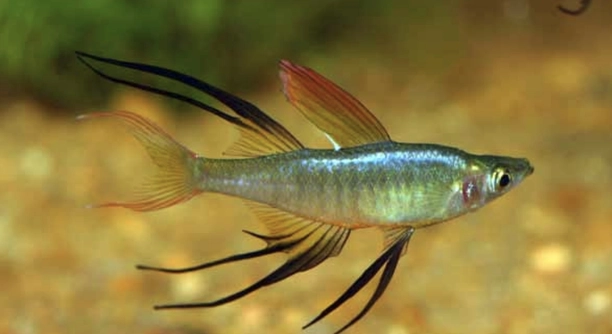
Have you ever watched threadfins swim and wondered if their unusual behavior might be linked to mating season approaching in their natural habitat?
Threadfins display clear behavioral and physical signals when they are preparing to mate. These clues include changes in swimming patterns, body coloration, and group movements. Recognizing these signs can provide valuable insight into their reproductive habits.
Learning these subtle signals helps you understand their world better and offers a fascinating glimpse into how these unique fish prepare for reproduction.
A Change in Swimming Patterns
Threadfins often begin to swim differently when they are preparing to mate. Their movements become more synchronized, as males and females group together, swimming in tighter circles or forming smaller schools. This change in swimming is a strong indication of courtship behavior starting to take place. You may also notice that their swimming appears more restless, with males chasing females in short bursts. These changes help establish pair bonds and also play a role in attracting suitable mates. Observing these swimming shifts provides an easy way to identify when threadfins are entering this important stage of reproduction.
This swimming behavior is not random but carefully connected to reproductive needs. By moving together in new patterns, they build stronger connections and improve the chances of successful spawning.
Recognizing these subtle swimming shifts gives you a reliable clue that threadfins are actively preparing to mate, making their behavior easier to understand.
Brightening of Body Colors
As mating season approaches, threadfins often display more vibrant body colors. This change is especially visible in males, who may develop brighter hues to attract females. Such colors are not only for display but also signal health and reproductive readiness.
Coloration changes play a significant role in communication during courtship. Bright colors show off the fish’s strength, making them more appealing to potential mates. These signals also help females choose partners who are more likely to produce healthy offspring. During this time, threadfins often become more competitive, with males displaying their strongest colors while swimming near each other to demonstrate dominance. Females use these displays to evaluate which males are suitable for reproduction. This transformation can be brief, lasting only as long as the mating season, but it is a noticeable and important change. Observing brighter colors alongside behavioral differences provides another clear clue that threadfins are moving toward reproduction.
Formation of Smaller Groups
Threadfins often separate from larger schools and form smaller groups when preparing to mate. These smaller gatherings allow males and females to interact more closely, creating better opportunities for courtship behaviors and pairing. This change in grouping is a reliable clue.
In these smaller groups, males frequently compete for the attention of females. Their movements may become more intense, with short chases and displays of agility. Females usually respond by choosing the strongest or most vibrant males. This selective behavior ensures healthier offspring. Grouping in smaller numbers also reduces distractions and makes it easier for threadfins to focus on courtship rituals, rather than foraging or escaping predators. Watching for this shift in grouping can reveal when threadfins are nearing the peak of their reproductive season.
Noticing smaller groups forming provides a clear indicator that threadfins are focused on reproduction. Their social structure temporarily changes, prioritizing courtship interactions over their usual schooling behaviors.
Increased Restlessness
Restlessness is another sign that threadfins are preparing to mate. Their behavior becomes more energetic, with frequent movement, quick bursts of speed, and occasional chasing. This heightened activity signals that they are entering an active stage of courtship.
This restlessness can serve multiple purposes. Males may chase females as part of their courtship display, showing agility and endurance. Females may respond by testing the persistence of their suitors before accepting them as mates. At the same time, males may also chase each other to establish dominance. This activity is not aggression but rather a way of proving strength and stamina. Such displays are critical during the mating season, as they help determine which males are most likely to produce strong offspring. Recognizing this restless behavior alongside other signs helps confirm that threadfins are entering their reproductive phase.
Territorial Displays
Threadfins sometimes show territorial behavior during mating preparation. Males may guard certain areas, swimming more aggressively to keep rivals away. These actions help them secure a safe space for courtship and spawning, signaling their readiness to females.
Such displays are usually short-lived but are important indicators. The guarded areas become temporary stages for courtship, where males show strength and persistence. By defending these small territories, males increase their chances of attracting and keeping female attention.
Frequent Surface Activity
When preparing to mate, threadfins often spend more time near the water’s surface. This behavior is linked to spawning, as many fish release eggs and sperm in open water. Observing increased surface activity provides another strong clue that mating behavior is beginning.
Subtle Fin Movements
Threadfins may display unique fin movements as part of their courtship. These motions are often delicate, signaling attention toward a mate rather than aggression. Spotting these subtle gestures offers another helpful way to recognize when mating preparation is underway.
FAQ
How can I tell if threadfins are preparing to mate?
You can identify mating preparation by observing changes in behavior and appearance. Threadfins may form smaller groups, swim more restlessly, or display brighter colors. Males may also show territorial behavior and unique fin movements that signal courtship intentions toward females.
Do both male and female threadfins change their appearance?
Yes, but males usually show more noticeable changes. They often develop brighter body colors and may appear more vibrant during the season. Females, on the other hand, may look slightly fuller as they carry eggs, which is another sign of readiness.
Why do threadfins swim closer to the surface when mating?
This behavior is linked to spawning. Many threadfins release eggs and sperm in open water, often near the surface, where fertilization occurs more effectively. Increased surface activity is one of the clearest signs that reproduction is about to take place.
What does restlessness mean during mating preparation?
Restlessness shows that threadfins are becoming more active in courtship. Males may chase females to show endurance, while females test their persistence. Males may also chase each other to display strength. This increased activity helps ensure only the strongest fish reproduce successfully.
Do threadfins always form smaller groups before mating?
Yes, smaller groups are common during this period. Leaving larger schools helps them focus on reproduction without distractions. In these groups, males display courtship behaviors and compete for attention, while females select mates based on strength, color, and overall fitness.
Are territorial displays aggressive?
They may look aggressive, but they are mostly competitive rather than harmful. Males guard areas to attract females and keep rivals away. This behavior is temporary and usually ends after the mating season. It is a way to secure better reproductive success.
Why do body colors become brighter in males?
Brighter colors act as signals of health and reproductive fitness. Females prefer males with stronger, more vibrant coloration because it suggests better chances of producing healthy offspring. The bright hues also help males stand out against rivals during the mating process.
How long does the mating season last for threadfins?
The exact timing can vary depending on environmental conditions, such as temperature and food supply. However, the period usually lasts several weeks. During this time, behavioral and physical changes are most visible, with threadfins showing their strongest courtship signals.
Do threadfins stop schooling completely while mating?
Not entirely. While they often leave larger schools to form smaller groups, they may still display schooling tendencies. These smaller gatherings are more focused on courtship, allowing males and females to interact closely without the distractions of larger groups.
Can threadfins show more than one mating clue at once?
Yes, multiple signs often appear together. For example, a male may brighten in color, show restless swimming, and defend a territory all at the same time. Observing several behaviors together provides the strongest confirmation that mating preparation is underway.
Do fin movements really matter in courtship?
Yes, subtle fin movements are part of communication during mating preparation. These gentle gestures help males signal interest in females. Unlike aggressive fin displays, these motions are calm and deliberate, showing intent without triggering fights among other males.
Why do females sometimes ignore males during mating season?
Females are selective and may ignore males who lack vibrant colors or strength. Ignoring certain males helps them choose better partners, which increases the likelihood of producing strong offspring. This behavior ensures that only the fittest males are successful.
Can environmental conditions affect mating behavior?
Absolutely. Factors like water temperature, food supply, and habitat quality play an important role. If conditions are not favorable, mating behavior may be delayed or reduced. Healthy environments support stronger courtship displays and increase the success of reproduction among threadfins.
What happens after threadfins finish mating?
After spawning, males and females usually return to their normal schooling behavior. The vibrant colors fade, restlessness decreases, and group sizes expand again. The temporary changes seen during courtship are replaced by their usual behaviors centered on feeding and survival.
Is it possible to predict exactly when threadfins will mate?
It is difficult to predict with complete accuracy, but by recognizing the combination of clues—smaller groups, bright colors, restlessness, territorial displays, and surface activity—you can closely estimate when they are entering their reproductive stage. These signs together provide the best guidance.
Final Thoughts
Understanding the mating behaviors of threadfins is not only fascinating but also valuable for anyone interested in observing or caring for these fish. Their behaviors may seem subtle at first glance, but once you recognize the patterns, it becomes easier to interpret what is happening beneath the surface. Threadfins display a variety of signals when preparing to mate, from forming smaller groups and showing brighter colors to becoming more restless and spending more time near the surface. Each of these changes has an important role in ensuring successful reproduction. By paying attention to these details, you gain a clearer view of their natural processes, which can help deepen your appreciation for their behavior. Recognizing these clues also provides insights into how fish communicate and interact in ways that may not be obvious to casual observation.
Another important aspect to note is that these behaviors do not occur in isolation. Instead, threadfins often display several signs at once, creating a combination that makes their intentions much clearer. For example, when you see males with brighter colors defending small territories while also chasing females in bursts of speed, it is a strong indication that mating preparation is underway. These overlapping clues show that reproduction is a complex process involving both competition and cooperation. Males must compete for female attention, while females carefully choose the best mates. This balance ensures that the offspring are healthy and strong. Observing these dynamics can be rewarding because it reveals how much thought and energy nature puts into sustaining species. For those who keep threadfins in aquariums, noticing these behaviors can also help in adjusting care and environment to support natural cycles.
In the end, watching threadfins prepare to mate offers more than just an interesting look at aquatic life. It provides an opportunity to learn about the importance of behavior, communication, and environmental influence in reproduction. Their restlessness, subtle fin movements, and surface activity highlight how instinct guides even the smallest details of courtship. While these behaviors may last only for a short season, they play a vital role in the survival of the species. Whether you are observing them in the wild or within an aquarium, knowing what to look for makes the experience more meaningful. It allows you to see beyond the surface and understand the rhythms of their lives. Threadfins may appear simple at first, but their reproductive behaviors reveal a depth that reminds us of how intricate and purposeful natural processes can be.

Hello,
If you enjoy the content that we create, please consider saying a "Thank You!" by leaving a tip.
Every little bit helps us continue crafting quality advice that supports the health, happiness, and well-being of pets around the world, for pets of all shapes, sizes, and species.
We really appreciate the kindness and support that you show us!