
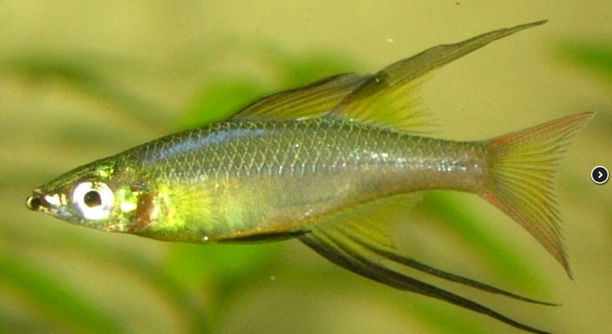
Do your threadfin rainbowfish spend most of their time swimming close to the filter, leaving you unsure if this behavior is normal or a sign of something wrong?
Threadfin rainbowfish often stay near the filter because it provides higher oxygen levels and a steady water flow, which are essential for their health. This area also offers comfort, simulating natural river currents they instinctively seek in captivity.
Learning the reasons behind this behavior will help you create a healthier aquarium environment and keep your threadfin rainbowfish happy and stress-free.
Common Reasons Threadfin Rainbowfish Stay Near the Filter
Threadfin rainbowfish are naturally drawn to moving water, and in aquariums, the filter often becomes their preferred spot. The flow it provides helps mimic the currents of their natural environment, which brings them comfort and security. Additionally, filters circulate oxygen-rich water, making it easier for fish to breathe. If your aquarium is not well-aerated, rainbowfish may gather near the filter where oxygen levels are higher. They may also stay close to this area if the rest of the tank feels too warm, since water near the filter tends to be slightly cooler. This behavior can also indicate they are stressed by overcrowding, poor water conditions, or a lack of hiding spaces. Observing these patterns can give you important insights into their health and the aquarium’s overall balance, allowing you to make adjustments before small problems turn into larger issues.
Sometimes rainbowfish may simply enjoy swimming against the steady flow, using it as a form of exercise.
It’s also possible that staying near the filter is linked to feeding habits. Food particles often get pushed toward the filter, and rainbowfish may gather there in hopes of catching something to eat. If your fish are displaying this pattern consistently, it can mean they are associating the filter with an easy food source. This type of behavior is not harmful, but it may suggest that the fish are either not receiving enough food during feedings or are seeking out extra nutrition. Watching them closely during mealtimes can help you determine if they are truly feeding well or just scavenging. By understanding these small details, you can make better choices about their diet and overall environment, keeping their activity balanced and natural in your tank.
How Water Quality Influences Behavior
Poor water quality can cause threadfin rainbowfish to stay near the filter, as this area provides cleaner, oxygen-rich flow compared to other parts of the tank.
Maintaining good water quality is one of the most important parts of keeping rainbowfish healthy. Ammonia, nitrites, and nitrates can quickly build up in the tank, making the water uncomfortable or even dangerous for your fish. Since the filter pushes cleaner water into the tank, fish instinctively move toward it for relief. This is why regular water testing and water changes are so crucial. If rainbowfish are spending too much time near the filter, it might be an early sign that something is off with the tank conditions. Adding live plants, adjusting the filter flow, and cleaning the substrate can also improve water circulation and quality. When the water is properly balanced, rainbowfish feel more at ease exploring the whole tank instead of sticking to one area.
The Role of Tank Setup
A poorly designed tank can encourage threadfin rainbowfish to stay near the filter. Limited swimming space, lack of plants, or improper decorations may push them toward the flow, where they feel safer and more comfortable.
Creating a balanced tank setup is essential for healthy rainbowfish behavior. These fish prefer open swimming areas combined with hiding spots, such as live plants or driftwood. Without this balance, they may crowd near the filter, seeking both flow and a sense of safety. Rearranging tank décor to include plants at the sides and open space in the center can help distribute their movement more evenly. It also reduces stress by giving them more options for where to swim and rest. A tank that mimics their natural habitat allows rainbowfish to explore more freely instead of staying in one corner.
The size of the aquarium also influences this behavior. Threadfin rainbowfish need enough space to feel secure, and a cramped environment can make them cling to areas with higher water flow. A small tank increases stress and limits their ability to swim in groups naturally. Choosing an aquarium that gives them room to move, ideally 20 gallons or more, helps them thrive. Combine this with proper lighting, live plants, and gentle water movement across the whole tank. This type of setup spreads oxygen and flow throughout, encouraging fish to use the entire space. By creating a natural and spacious environment, you will notice your rainbowfish spending less time near the filter and more time enjoying the tank.
Stress and Environmental Factors
Stress plays a large role in why threadfin rainbowfish linger near the filter. Overcrowding, aggressive tankmates, and sudden changes in water temperature often increase their stress, making them seek comfort in areas with steady flow.
Environmental stability is key to preventing this type of behavior. Threadfin rainbowfish thrive in peaceful community tanks with species that are not aggressive. Sudden fluctuations in temperature, lighting, or water chemistry can make them feel insecure and push them closer to the filter. Keeping a consistent routine with water changes, feeding, and light cycles helps reduce unnecessary stress. Overcrowding is another major factor, as rainbowfish prefer to swim in groups but still need adequate space. Adding too many fish increases competition and forces them to retreat toward flow-heavy areas. By creating a calm and predictable environment, you reduce stress triggers and allow your rainbowfish to feel comfortable exploring every part of the aquarium.
Feeding Habits and Behavior
Threadfin rainbowfish may stay near the filter if leftover food collects in that area. They quickly learn that the current pushes small particles there, making it an easy spot to catch food without competing too much.
Inconsistent feeding can also lead to this habit. If fish are underfed or meals are too light, they may gather near the filter hoping for scraps. Ensuring regular, balanced feeding prevents this behavior and helps keep their swimming patterns more natural across the tank.
Oxygen Levels in the Tank
Oxygen plays a major role in rainbowfish behavior, and they instinctively seek areas with stronger flow when levels drop elsewhere. Poor aeration, high temperatures, or overcrowding can reduce oxygen throughout the tank. The filter becomes a lifeline in these situations. Adding air stones or improving circulation can balance oxygen, encouraging your fish to explore the entire tank.
Signs to Monitor
If rainbowfish consistently linger near the filter, watch for other signs like rapid gill movement or reduced activity. These behaviors may indicate water quality or oxygen issues. Addressing them early ensures your rainbowfish remain healthy and active throughout the tank.
FAQ
Why do my threadfin rainbowfish stay at the filter all day?
Threadfin rainbowfish often stay near the filter because it provides steady water flow and higher oxygen levels. This behavior is natural when the rest of the tank does not offer similar conditions. However, if they remain there constantly, it could also signal problems such as poor water circulation, overcrowding, or elevated tank temperatures. Checking your setup and water quality will help you understand whether this is normal behavior or something that needs attention.
Can poor water quality make rainbowfish cling to the filter?
Yes, poor water quality is one of the most common reasons. Ammonia, nitrites, or high nitrates can create stressful conditions for rainbowfish. Since the filter pushes cleaner and more oxygenated water into the tank, fish instinctively move closer to it for relief. This is why regular testing and maintenance are so important. Weekly water changes, gravel cleaning, and ensuring your filter media is working properly will keep conditions stable and prevent your rainbowfish from being forced into one area.
Do rainbowfish need a strong current in the tank?
Threadfin rainbowfish enjoy moderate water movement because it mimics their natural habitat in streams and rivers. A steady current helps them exercise and feel comfortable, but too much flow can become stressful. They may struggle if the current is too strong, forcing them to constantly fight against it. The key is balance—create enough movement to keep oxygen levels high without exhausting the fish. Adjusting filter output or adding a spray bar can help distribute flow more evenly.
Could my rainbowfish be near the filter because of feeding habits?
Yes, feeding habits play a role. Food particles often get carried by the current and settle near the filter. Rainbowfish quickly learn to hover in this spot to catch stray bits of food. If this happens regularly, it may indicate that the fish are either not getting enough food during feeding times or are opportunistically seeking extra bites. Ensuring you feed them the right amount and spreading food across the surface can prevent them from gathering exclusively near the filter.
How can I tell if staying near the filter is a problem?
Observing your fish closely will give you the answer. If they are near the filter but still active, eating well, and showing vibrant colors, it is likely normal behavior. However, if you notice rapid gill movement, lethargy, clamped fins, or refusal to leave the filter area, this suggests stress or health concerns. In such cases, it is best to test the water, review tank conditions, and correct any issues before they escalate.
Does tank size affect this behavior?
Tank size plays an important role. Threadfin rainbowfish need room to swim and explore, ideally in tanks of 20 gallons or larger. In smaller aquariums, they may feel confined and gravitate toward the filter because it offers more stimulation and oxygen flow. An undersized tank can also lead to overcrowding, which adds stress. Giving them ample space and a well-decorated environment with plants and open swimming areas helps distribute their activity more evenly throughout the tank.
Can oxygen levels influence where rainbowfish swim?
Yes, oxygen levels are a major factor. Fish instinctively seek the most oxygen-rich areas when the tank is lacking proper circulation. The filter outlet is often the best oxygen source, which is why rainbowfish gather there. Low oxygen can result from high temperatures, lack of aeration, or too many fish in the tank. Adding air stones, adjusting the filter flow, or lowering the water temperature slightly can increase oxygen availability and encourage fish to spread out more naturally.
What role does stress play in this behavior?
Stress often drives rainbowfish to stay near the filter. Overcrowded tanks, aggressive tankmates, or sudden environmental changes can make them uneasy. The filter’s flow and oxygen-rich water provide a sense of security, which explains their tendency to linger there. Creating a calm environment with peaceful companions, stable water conditions, and a predictable routine reduces stress. A stress-free rainbowfish will feel more confident exploring the tank instead of clustering around one spot.
How can I encourage my rainbowfish to explore the whole tank?
The best way is to improve their environment. Ensure the water is clean, oxygen levels are stable, and tankmates are peaceful. Adding live plants, creating open swimming space, and offering hiding spots with driftwood or rocks will help them feel secure. Feeding them in different parts of the tank also encourages them to spread out. Once their needs are met, rainbowfish naturally explore and display their full range of behaviors instead of staying near the filter.
Is this behavior ever completely normal?
Yes, sometimes it is simply a normal preference. Rainbowfish may choose to swim near the filter because they enjoy the water flow, or because they find it stimulating. As long as they remain active, display healthy coloration, and eat properly, there is no need to worry. Problems only arise if the behavior is constant and accompanied by stress signals. In that case, adjustments to water quality, feeding, or tank setup should be made. Otherwise, occasional time near the filter can be considered natural behavior.
Final Thoughts
Threadfin rainbowfish are beautiful and delicate fish that often show their needs through their behavior. When they spend time near the filter, it can sometimes be a natural choice, as they enjoy water flow and the comfort of oxygen-rich areas. However, this habit can also signal that something in the tank requires adjustment. Paying attention to small changes in how your rainbowfish act is one of the best ways to ensure their health. These fish rely on a stable environment, and their behavior provides important clues. Observing them daily, even for a few minutes, can help you identify early signs of stress or poor conditions. By staying aware, you can quickly correct problems before they become harmful. In many cases, a small change to water flow, feeding, or tank design is enough to bring noticeable improvement.
Maintaining balance in the aquarium is key to keeping threadfin rainbowfish happy. Good water quality, stable oxygen levels, and proper feeding routines form the foundation of their health. Regular water changes, proper filtration, and testing for ammonia, nitrites, and nitrates prevent conditions that might push them toward the filter. The right tank setup also matters. These fish need a mix of open swimming areas and hiding spots created by plants or decorations. Too much crowding or the wrong companions can lead to stress, which shows in their behavior. Keeping the environment stable helps rainbowfish feel safe enough to explore the entire tank instead of staying in one area. A well-maintained aquarium not only benefits them but also allows you to enjoy their natural beauty more fully.
Creating a suitable home for threadfin rainbowfish is not about large changes but about consistency. They thrive when the water is clean, the temperature stable, and their space thoughtfully arranged. Even though their behavior near the filter may seem concerning at first, it is often a useful sign that guides you to improve their care. These fish are sensitive but rewarding, showing bright colors and lively movement when they are content. By meeting their needs and addressing the factors that cause stress, you create a healthier environment where they can thrive. In return, you enjoy a vibrant and active aquarium filled with their graceful presence. Paying attention to their habits and making thoughtful adjustments ensures your rainbowfish remain healthy, comfortable, and a joy to watch for years to come.

Hello,
If you enjoy the content that we create, please consider saying a "Thank You!" by leaving a tip.
Every little bit helps us continue crafting quality advice that supports the health, happiness, and well-being of pets around the world, for pets of all shapes, sizes, and species.
We really appreciate the kindness and support that you show us!