
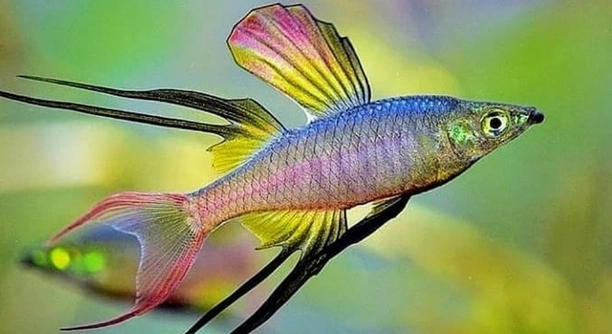
Are your threadfins showing unusual behavior lately, like darting around the tank or hiding in corners more than usual? Observing their reactions carefully can help identify when they are experiencing stress or overstimulation.
Threadfins often display overstimulation through rapid swimming, sudden color changes, frequent hiding, increased aggression, or refusal to eat. Recognizing these signals is essential for maintaining their well-being and preventing long-term health or behavioral issues.
Understanding these signs can help you create a calmer environment and improve your threadfins’ overall comfort and happiness in their habitat.
Rapid Swimming and Restlessness
Threadfins often begin to swim more quickly than usual when they feel overstimulated. You may notice them darting from one side of the tank to another, seemingly unable to stay in one place. This behavior is usually accompanied by sudden, jerky movements or changes in direction, indicating that the fish is trying to escape perceived stressors. Environmental factors, such as strong currents, bright lighting, or frequent disturbances near the tank, can trigger this response. Observing your threadfins during these episodes helps you understand what might be causing stress. It is essential to monitor their swimming patterns daily, as prolonged restlessness can lead to exhaustion or injury. Adjusting the tank environment by reducing noise, dimming lights, or limiting interactions can help calm the fish. Creating areas with plants or hiding spots provides them with safe spaces to recover from overstimulation, improving overall tank harmony and reducing health risks.
Reducing tank disturbances and providing shelters can significantly decrease restlessness and help threadfins feel secure in their environment.
When threadfins are overstimulated, their nervous systems become highly sensitive. Rapid swimming is a physical manifestation of stress and can lead to fatigue if not addressed. Environmental adjustments, including softening light exposure, minimizing sudden movements around the tank, and ensuring proper water quality, help the fish regain calm. Consistent observation allows for early detection, preventing long-term effects such as weakened immunity or behavioral changes. Threadfins respond positively to predictable routines, such as regular feeding schedules and stable water conditions. Incorporating hiding spots and gentle filtration reduces agitation. Additionally, separating aggressive tank mates or reducing overcrowding can further minimize triggers. Observing these changes over time enables caretakers to understand individual temperaments, helping to maintain both mental and physical well-being. Careful attention to these details ensures the fish remain healthy, comfortable, and less prone to stress-related complications, creating a balanced aquatic environment.
Color Changes and Fading
Color shifts in threadfins can indicate overstimulation. Fading, darkening, or patchy patterns often accompany stress responses in these fish.
When threadfins feel overwhelmed, their pigmentation may change due to hormonal fluctuations caused by stress. These color variations are not permanent but signal that the fish is experiencing discomfort. Stress-induced color changes can result from environmental factors such as improper lighting, sudden noise, or aggressive tank mates. Observing the tank for consistent color changes allows caretakers to identify triggers and adjust conditions accordingly. Providing shaded areas, reducing direct light exposure, and limiting external disturbances can help restore natural coloration. It is also crucial to maintain stable water parameters, including temperature, pH, and oxygen levels, as fluctuations can exacerbate stress. Proper nutrition supports overall health and can accelerate the recovery of natural colors. By addressing these factors, you help threadfins maintain their vibrant appearance and reduce the physical and emotional impact of overstimulation, ensuring their well-being over time.
Frequent Hiding
Threadfins often retreat to corners or behind decorations when overstimulated. This behavior signals discomfort and a need for security, especially if it becomes persistent.
Hiding is a protective response that allows threadfins to avoid stressors in their environment. Frequent disturbances, such as sudden movement around the tank or aggressive tank mates, can trigger this behavior. Prolonged hiding can affect feeding habits and overall health. Providing adequate shelter, such as plants or small caves, helps the fish feel safe. Observing where and when they hide offers insight into potential stress sources. Adjusting lighting, reducing noise, and limiting interactions can gradually encourage the fish to explore more.
Consistent hiding may indicate that the fish feels overwhelmed or threatened. Water quality, temperature, and tank layout should be carefully monitored. Overstimulated threadfins benefit from quiet, stable conditions and predictable routines. Introducing environmental enrichment slowly allows them to regain confidence and reduces stress-related behaviors, ultimately supporting their health and comfort.
Aggressive Behavior
Threadfins may show increased aggression toward tank mates when overstimulated, including chasing or nipping. This is often temporary but can escalate.
Overstimulation can heighten territorial instincts, causing threadfins to act defensively or competitively. Environmental stressors, such as overcrowding or abrupt changes in lighting, often trigger these behaviors. Aggression can result in injury or prolonged stress, affecting the overall tank dynamics. Monitoring interactions and adjusting conditions is essential to minimize conflicts. Separating overly aggressive individuals or rearranging the tank layout can help reduce tension. Providing ample hiding spaces and visual barriers allows all fish to feel secure while reducing the frequency of aggressive encounters.
Managing aggression requires consistent observation and intervention. Ensuring stable water conditions, adequate space, and compatible tank mates reduces triggers for aggressive displays. Gradual acclimation to environmental changes helps threadfins adjust without overstimulation. Offering enrichment, such as plants or driftwood, provides distractions and territories, lowering stress levels. In some cases, temporary separation of aggressive fish is necessary to prevent harm. By carefully balancing environmental and social factors, threadfins can coexist peacefully, maintaining healthy behaviors and minimizing the impact of overstimulation on the tank ecosystem.
Loss of Appetite
Overstimulated threadfins may eat less or refuse food entirely. This is a common sign that the fish is stressed and needs a calmer environment.
A decrease in appetite can lead to weakened immunity and slower growth. Ensuring stable water conditions and minimizing disturbances often restores normal feeding habits.
Erratic Swimming Patterns
Threadfins may swim in irregular, jerky motions when they feel overwhelmed. Sudden stops, sharp turns, or repeated darting are signs of overstimulation. This behavior can increase the risk of injury or stress-related illness, so careful observation and adjustment of the tank environment are necessary to prevent long-term effects.
Gill Flaring
Threadfins may flare their gills excessively when stressed. This is often a response to perceived threats or sudden changes in their surroundings.
What causes overstimulation in threadfins?
Overstimulation in threadfins is usually caused by environmental factors that overwhelm their senses. Bright lighting, strong water currents, loud vibrations, or frequent disturbances around the tank can all trigger stress. Overcrowding and aggressive tank mates also contribute, as threadfins may feel constantly threatened. Sudden changes in water temperature, pH, or oxygen levels can add to their discomfort. Even well-intentioned handling, like frequent netting or moving the fish, can provoke overstimulation. It is important to observe their daily behavior to identify triggers and gradually make adjustments that help the fish feel secure. Providing hiding spots and maintaining stable water conditions often reduces these stressors.
How can I tell if my threadfins are overstimulated?
Signs of overstimulation include rapid or erratic swimming, frequent hiding, color changes, loss of appetite, gill flaring, and aggression toward tank mates. Observing their routine behavior helps detect abnormalities. A normally active threadfin that suddenly becomes withdrawn or hyperactive may be signaling stress. Color fading or darkening often accompanies other signs, reflecting hormonal changes due to stress. A decline in feeding habits is another clear indicator. Overstimulated threadfins may also display repeated darting, jerky movements, or excessive interaction with tank decorations, which is not typical. Documenting these behaviors allows caretakers to make timely adjustments to the environment and prevent long-term health issues.
Can overstimulation affect threadfin health?
Yes, prolonged overstimulation can have significant effects on threadfin health. Chronic stress weakens their immune system, making them more vulnerable to infections and disease. It can also slow growth and affect reproductive health in adult fish. Overstimulation can cause behavioral changes, including aggression or withdrawal, which may disrupt tank harmony. Physical injuries may occur from frantic swimming or constant hiding. Long-term stress can affect gill function, appetite, and overall vitality. Addressing overstimulation quickly is critical to prevent these consequences. Creating a calm, stable environment with proper hiding spaces, reduced disturbances, and consistent water parameters supports both physical health and mental well-being.
What changes can I make in the tank to reduce overstimulation?
Reducing overstimulation often starts with the tank environment. Lowering light intensity or providing shaded areas helps threadfins feel secure. Softening water currents and avoiding sudden temperature fluctuations reduces physical stress. Introducing plants, rocks, or other hiding spots gives fish safe retreats. Limiting noise and movement near the tank also minimizes sensory overload. Overcrowding should be avoided, and aggressive tank mates may need separation. Maintaining stable water parameters, including pH, oxygen, and temperature, is essential. Consistent feeding schedules and gentle handling further reduce stress. By making gradual adjustments, threadfins can regain confidence and exhibit more natural, healthy behaviors.
Should I separate overstimulated threadfins from others?
In some cases, temporary separation is helpful, especially if aggression or hiding is extreme. Overstimulated threadfins may feel threatened by other fish, increasing the risk of injury. Using a divider or separate tank allows the stressed fish to recover without constant interaction. During this period, maintaining calm water conditions and providing hiding spots is essential. Once the fish shows signs of normal behavior, such as regular swimming, feeding, and coloration, reintroduction can be gradual. Separation should be temporary and part of a broader strategy to address environmental stressors, not a permanent solution.
Can diet help calm overstimulated threadfins?
Nutrition plays a supportive role in managing stress. A balanced diet rich in vitamins and proteins strengthens immunity and improves resilience. Feeding small, frequent meals reduces competition and prevents stress from overcrowding at feeding times. Offering high-quality foods suited to threadfin species ensures proper nutrition and supports recovery from overstimulation. Avoid sudden changes in diet, as this can create additional stress. Consistent, nutritious feeding routines, combined with environmental adjustments, help threadfins maintain both physical and behavioral health. Observing appetite changes can also serve as an early indicator of overstimulation.
How long does it take for threadfins to recover from overstimulation?
Recovery time varies depending on the severity of stress and environmental adjustments. Minor overstimulation may be resolved in a few days once conditions are stabilized. More severe cases may take several weeks for normal behavior, appetite, and coloration to return. Consistent care, including reduced disturbances, stable water parameters, and proper nutrition, accelerates recovery. Monitoring daily behavior is important to track progress and identify ongoing stressors. Recovery is gradual, and patience is necessary to ensure the fish fully adapts to a calmer, more secure environment.
Are there long-term consequences if overstimulation is ignored?
Ignoring overstimulation can have lasting effects on threadfins. Chronic stress can compromise immunity, increase susceptibility to disease, and reduce lifespan. Behavioral issues such as aggression, withdrawal, or abnormal swimming may become persistent. Physical injuries from frantic movements can lead to scarring or infections. Poor feeding habits may result in nutritional deficiencies, affecting growth and vitality. Over time, the fish may become less active and more prone to stress in response to minor changes. Addressing overstimulation promptly is essential to maintain health, behavior, and quality of life for threadfins in captivity.
Can environmental enrichment help prevent overstimulation?
Yes, environmental enrichment helps threadfins manage stress. Adding plants, rocks, and shelters creates hiding spots and territories, reducing anxiety. Proper layout allows for exploration without confrontation. Gentle water currents and consistent lighting contribute to a stable environment. Rotating or changing enrichment gradually keeps the fish engaged without causing stress. Enrichment combined with routine care improves overall well-being and reduces the likelihood of overstimulation.
Is monitoring necessary even after adjustments?
Monitoring remains important after changes are made. Threadfins may still react to subtle stressors or new tank conditions. Observing swimming patterns, coloration, feeding habits, and social interactions helps identify lingering issues. Ongoing vigilance ensures that adjustments continue to support a calm environment and prevent overstimulation from recurring.
Overstimulation in threadfins is a common issue that can affect their health, behavior, and overall comfort in a tank. These fish are sensitive to changes in their environment, including lighting, water flow, and the presence of other fish. Sudden disturbances, loud noises, or overcrowding can all contribute to stress, causing the fish to display a variety of signals such as rapid swimming, hiding, or color changes. Recognizing these signs early is important for preventing long-term effects and ensuring the fish remain healthy and active. By carefully observing their daily behavior, caretakers can identify when threadfins are experiencing stress and take steps to adjust the environment accordingly. Small changes, like providing hiding spots, adjusting water conditions, or reducing external disturbances, can make a significant difference in their well-being.
Addressing overstimulation also involves creating a calm and stable tank environment. Threadfins benefit from consistent lighting, gentle water flow, and a predictable routine for feeding and care. Hiding spots such as plants, rocks, or small caves give them a sense of security and allow them to retreat when feeling overwhelmed. Ensuring compatible tank mates is equally important, as aggressive or overly active fish can increase stress levels. Regularly monitoring water parameters, including temperature, pH, and oxygen levels, prevents conditions that may contribute to overstimulation. A balanced diet supports overall health and strengthens the fish’s ability to cope with environmental stress. By combining environmental management with attentive observation, caretakers can reduce the chances of overstimulation and promote natural behaviors, ensuring threadfins thrive in their habitat.
It is important to understand that recovery from overstimulation may take time, depending on the severity of the stress and the adjustments made. Minor stressors can be addressed quickly, but more serious cases may require weeks of careful monitoring and gradual environmental changes. During this time, observing behaviors such as feeding, swimming, and social interaction provides insight into how well the fish are adjusting. Long-term attention to the tank setup, water quality, and overall care is essential for maintaining a healthy, stable environment. By taking these steps, caretakers can ensure that threadfins are less likely to experience stress in the future and are able to display natural, healthy behaviors. Focusing on their comfort, security, and consistent care ultimately supports their physical and mental well-being, making the tank a safe and balanced space for the fish to live and grow.

Hello,
If you enjoy the content that we create, please consider saying a "Thank You!" by leaving a tip.
Every little bit helps us continue crafting quality advice that supports the health, happiness, and well-being of pets around the world, for pets of all shapes, sizes, and species.
We really appreciate the kindness and support that you show us!