
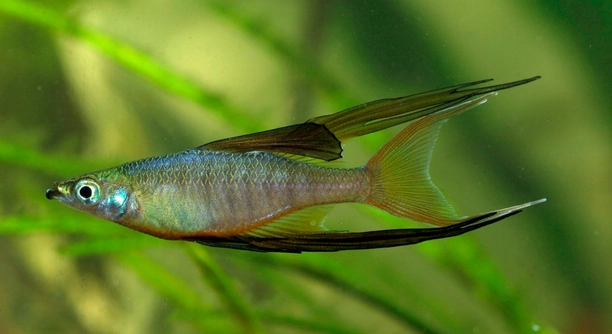
Do you ever find yourself watching your Threadfin Rainbowfish swim gracefully and wondering about their senses? These small, vibrant fish have more to them than just their beautiful colors and energetic movements. Their world is richer than it seems.
Threadfin Rainbowfish possess the ability to detect certain sounds through specialized inner ear structures. These auditory capabilities allow them to respond to environmental cues, potential predators, and social interactions, although their hearing range differs significantly from that of humans.
Exploring how these fish perceive sounds reveals intriguing aspects of their behavior and communication within aquariums and natural habitats. This knowledge helps improve care and enhances understanding of their interactions.
How Threadfin Rainbowfish Hear
Threadfin Rainbowfish hear through tiny bones in their inner ears called otoliths. These structures detect vibrations in the water and help the fish sense movements around them. Sound travels faster in water than in air, so even small noises can reach them. Their lateral line system, a line of sensory organs along their sides, also contributes. It picks up changes in water pressure, letting them detect nearby swimming fish or sudden disturbances. This combination of inner ear and lateral line detection gives them a practical way to monitor their environment. While humans rely mostly on air-conducted sound, these fish rely on water vibrations, which makes their hearing specialized. They are sensitive to low-frequency sounds, which often indicate predators or other fish. Observing them, you can see how they react to sudden taps or water movements. This ability is essential for their survival, schooling behavior, and social interactions within the tank or in natural rivers and streams.
Their hearing helps them respond to both potential threats and signals from other fish, creating a safer environment.
Understanding these sensory systems is useful for aquarium care. Tank noises, water filters, or sudden splashes can affect their stress levels. By controlling vibrations and maintaining calm conditions, you encourage healthy behavior. It also explains why they sometimes scatter suddenly or swim toward certain areas of the tank. Observing reactions gives insight into how fish communicate through subtle vibrations. This knowledge can improve feeding, social interactions, and habitat design. Aquarists often notice that fish respond more readily to low-frequency vibrations than visual cues, highlighting the importance of sound in their lives. Overall, their unique hearing system plays a major role in shaping behavior, ensuring survival, and maintaining social dynamics. These traits make them both fascinating to watch and important to care for properly.
Sensitivity to Sound Levels
Threadfin Rainbowfish react to moderate sounds but can become stressed with constant loud vibrations. Their hearing range is limited, so not all noises are detected.
Excessive noise in aquariums, such as heavy tapping or loud room sounds, can disrupt their natural behavior. Fish may hide, swim erratically, or reduce feeding if stressed by constant vibrations. Even mechanical equipment, like filters or pumps, can create low-frequency noise that affects them subtly over time. Managing sound exposure in the tank helps maintain calm conditions and encourages natural swimming patterns. Placement of tanks away from high-traffic areas and minimizing sudden water disturbances can improve their well-being. Aquarists often notice that quieter tanks result in more active schooling behavior and consistent feeding routines. By understanding how Threadfin Rainbowfish perceive sound, caretakers can adjust their environments to reduce stress. This awareness is important for long-term health and for fostering visible, natural behaviors, such as playful swimming, territorial displays, and responsive interactions with other fish. Creating a balanced environment respects their sensory capabilities and supports thriving fish populations.
Responding to Vibrations
Threadfin Rainbowfish detect water vibrations through their lateral line and inner ear, reacting quickly to sudden movements. These responses help them avoid predators and stay coordinated within their groups, ensuring safety and stability in their environment.
Vibrations in the water trigger rapid movements in Threadfin Rainbowfish. They can sense changes from nearby swimming fish, objects falling into the tank, or even slight water currents. This sensitivity helps them react before a potential threat reaches them. In aquariums, they often respond to taps on the glass or sudden splashes by darting to the other side. These reactions are not just instinctive; they are essential survival behaviors carried from their natural habitats. Observing these responses gives insight into their alertness and how they use vibrations to communicate with one another. Maintaining calm water conditions reduces unnecessary stress while allowing natural behavior to occur.
Their ability to detect vibrations also plays a role in schooling. When one fish moves quickly due to a stimulus, others often follow in synchronized motion. This coordinated movement helps the group stay together and reduces the risk of individual harm. Vibrations serve as subtle communication cues between fish, enabling them to react almost instantly to environmental changes. Over time, Threadfin Rainbowfish learn to distinguish between harmless disturbances, like gentle water movement, and real threats, such as predators or sudden impacts. This skill ensures both survival and social cohesion, demonstrating how their sensory systems are finely tuned to their surroundings.
Sound and Social Behavior
Threadfin Rainbowfish use auditory cues for social interactions, including mating displays and establishing territories. Low-frequency sounds often guide their movements and influence behavior within the group.
Sound plays a significant role in the social behavior of Threadfin Rainbowfish. They use subtle noises to coordinate schooling, communicate stress levels, and engage in mating rituals. Males may respond to vibrations from females or rivals, adjusting their displays accordingly. Group cohesion depends on these auditory cues, as synchronized swimming and mutual alertness reduce the risk of predation. In aquariums, observing these behaviors can help caretakers understand social dynamics and maintain a balanced group. Fish may also react to vibrations generated by feeding or tank cleaning, further demonstrating the influence of sound on daily routines.
Auditory sensitivity affects hierarchy and interaction patterns. Dominant males often assert their presence through specific movements and vibrations, while subordinate fish respond accordingly to avoid conflict. Females may use subtle responses to choose mates based on activity levels or responsiveness. Even minor changes in the tank environment, like a new decoration or moving equipment, can alter the sound landscape, temporarily shifting social behavior. Recognizing these cues allows aquarists to anticipate stress points, manage compatibility among fish, and support natural interactions. Properly tuned sound and vibration levels help preserve social balance, encourage natural mating behavior, and reduce aggression. Monitoring these responses provides insight into both individual fish and overall group dynamics.
Environmental Sounds
Threadfin Rainbowfish are sensitive to both natural and artificial sounds in their surroundings. Sudden noises can cause stress, while consistent background sounds often go unnoticed, allowing them to swim and interact normally.
Aquarium filters, pumps, and gentle water flow produce vibrations that these fish quickly adapt to. Constant low-level sounds help them establish routines and maintain normal activity without distress.
Impact of Loud Noises
Excessive noise in the tank can trigger erratic swimming, hiding, or reduced feeding in Threadfin Rainbowfish. Loud disturbances interfere with their natural behaviors and social interactions, making them uneasy.
Using Sound to Encourage Activity
Subtle water vibrations can stimulate swimming and playful behavior. Threadfin Rainbowfish respond best to gentle, rhythmic movements in the water that mimic natural conditions.
Observation Tips
Noting their reactions to different sounds helps aquarists adjust the environment. Quiet, calm conditions support healthy behavior and reduce stress.
FAQ
Can Threadfin Rainbowfish hear like humans?
Threadfin Rainbowfish cannot hear exactly like humans. Their hearing is specialized for detecting vibrations in water rather than airborne sounds. They rely on inner ear structures and the lateral line system to sense movements and low-frequency sounds. This allows them to respond to nearby fish, predators, or sudden changes in water conditions.
What types of sounds do they detect?
They are most sensitive to low-frequency sounds and vibrations. Rapid movements in water, splashes, or even small taps on the aquarium can be detected. High-frequency sounds, such as those in human conversation, are mostly outside their range. Their hearing is adapted to detect environmental cues relevant for survival and social interaction.
Do loud noises stress Threadfin Rainbowfish?
Yes, loud or constant noises can stress these fish. Stress manifests as hiding, erratic swimming, or reduced feeding. Mechanical equipment, heavy tapping on the tank, or loud household sounds can disturb them. Minimizing abrupt disturbances helps maintain calm and healthy behavior.
How does sound affect their social behavior?
Sound plays a key role in schooling and interactions. Fish respond to vibrations from movement within the group. Dominant and subordinate fish communicate through subtle cues, maintaining social balance. Low-level water vibrations help coordinate swimming, alert the group to danger, and support mating behaviors.
Can Threadfin Rainbowfish detect predators through sound?
Yes, detecting vibrations is crucial for survival. Sudden water movement or changes in pressure often signal nearby predators. Their lateral line system and inner ear allow them to respond quickly, darting away or moving in coordinated group patterns to avoid threats.
Do aquarium sounds disturb them?
Artificial sounds, such as pumps and filters, are usually tolerated if consistent and low-level. Sudden or irregular noises can cause stress. Observing their reactions helps aquarists identify which sounds are disruptive and adjust equipment placement or operation accordingly.
How can I use sound to encourage activity?
Gentle, rhythmic water movements can stimulate swimming. Fish often respond to natural-feeling vibrations with playful behavior and increased movement. Controlled interaction, like gentle splashes during feeding, can also encourage activity while maintaining a low-stress environment.
Do Threadfin Rainbowfish communicate through sound?
While they do not produce sounds like mammals, they use vibrations to convey information. Schooling patterns, mating readiness, and alert signals are transmitted through water movements. Subtle responses to vibrations help maintain social cohesion and group coordination.
How do they adapt to a noisy environment?
Over time, they can become accustomed to consistent background vibrations. Constant low-level sounds, like filtration, usually do not cause distress. Sudden, irregular disturbances remain stressful. Observing behavior helps determine if the environment is adequately calm.
Can I improve their well-being with sound control?
Yes, creating a quiet, stable environment helps reduce stress and supports natural behavior. Avoid sudden loud noises, and maintain consistent background sounds. Proper sound management enhances feeding routines, social interactions, and overall health.
Do they react differently to water changes?
Yes, sudden water changes produce vibrations that they detect immediately. Gentle and gradual water additions are less stressful and allow them to adjust without panic. Observing their response during maintenance helps ensure minimal disruption.
Are there signs of hearing problems in Threadfin Rainbowfish?
Hearing issues are rare but can occur if the lateral line or inner ear is damaged. Signs include reduced responsiveness to vibrations, unusual swimming patterns, or failure to react to sudden water movements. Maintaining a safe, clean environment prevents injury and supports sensory health.
Does tank size affect their sensitivity to sound?
Smaller tanks amplify vibrations and sound reflections, making them more noticeable. Larger tanks provide more space for dispersion, reducing stress from minor disturbances. Proper tank setup helps regulate exposure to vibrations and supports natural behavior.
Can I use sound for enrichment?
Controlled, gentle water movements can serve as enrichment. Introducing natural-feeling vibrations encourages exploration, swimming, and interaction without causing stress. This simulates conditions closer to their natural habitat and supports mental and physical well-being.
How quickly do they react to sudden sounds?
Reactions are almost instantaneous. Sudden splashes or taps trigger rapid darting or schooling responses. These reflexive movements demonstrate the importance of vibration detection for survival and social coordination.
Can stress from noise impact their health?
Chronic stress from excessive noise can reduce appetite, weaken immunity, and affect growth. Consistently calm environments help prevent these issues and promote long-term health and vitality.
Is it important to monitor their reactions regularly?
Yes, observing responses to environmental sounds provides insight into their comfort levels. Regular monitoring allows adjustments to tank placement, equipment operation, and maintenance practices to ensure a low-stress habitat.
Do they respond differently to human presence?
They may detect vibrations from footsteps, hand movements, or tapping near the tank. While some fish adapt over time, sudden or frequent disturbances can cause stress or alter normal behavior patterns.
How can I simulate natural sound conditions?
Gentle water flow, consistent filtration, and minimal abrupt disturbances create conditions similar to natural streams. These practices help maintain activity, social interactions, and overall well-being, supporting the fish’s natural instincts in captivity.
Do they learn to distinguish between safe and harmful vibrations?
Yes, over time, they respond differently to routine versus threatening vibrations. Fish often ignore harmless, repetitive disturbances while reacting immediately to unusual or potentially dangerous stimuli. This learning improves survival and reduces unnecessary stress.
Are there specific sounds that encourage feeding?
Low-level splashes during feeding, or the movement of water from a feeder, can signal food presence. Fish often associate these vibrations with meals and respond with increased swimming and activity.
Can sound influence breeding behavior?
Vibrations play a subtle role in courtship and mating readiness. Males and females use water movements to communicate interest, establish territories, and coordinate reproductive behaviors. Controlled environmental conditions support successful breeding.
Do different age groups respond differently to sound?
Juveniles are often more reactive to vibrations, while adults may tolerate consistent background noise. Young fish rely heavily on sound cues for schooling and predator detection, making calm conditions particularly important for their development.
Can I use sound monitoring to check tank health?
Observing reactions to normal vibrations can indicate fish comfort. Unusual sensitivity or lack of response may suggest stress, illness, or environmental issues. Monitoring sound reactions helps maintain a healthy and balanced tank.
Does the type of substrate affect sound perception?
Yes, gravel, sand, or other substrates transmit vibrations differently. Hard surfaces may amplify vibrations, while softer substrates can dampen them. Choosing the right substrate can reduce unnecessary stress and support natural movement patterns.
How often should I assess sound levels in the tank?
Regular observation during daily maintenance is sufficient. Monitoring reactions to filtration, pumps, or environmental disturbances ensures that noise does not negatively impact behavior or health. Adjustments can be made as needed to maintain calm conditions.
Can other aquatic species affect Threadfin Rainbowfish through sound?
Yes, active or large tank mates can produce vibrations that disturb them. Observing interactions and choosing compatible species helps maintain a stress-free environment. Managing activity levels ensures that vibrations do not interfere with natural behavior.
Does light interact with sound perception?
Indirectly, yes. Sudden changes in lighting can trigger movements that create vibrations, which the fish detect. Gradual lighting changes combined with consistent sound conditions minimize stress and promote calm behavior.
Can I train them using vibrations?
Threadfin Rainbowfish respond better to natural cues than formal training. Gentle, repeated vibrations during feeding or interaction may encourage routine behaviors but should not be stressful or abrupt. Consistency is key to positive responses.
How critical is sound for overall care?
Sound and vibration awareness is essential for maintaining a healthy environment. Properly managing these factors reduces stress, supports natural behavior, encourages social interaction, and promotes well-being. Small adjustments can have a significant impact on fish health and comfort.
What are the most common mistakes related to sound?
Frequent tapping, sudden loud noises, and inconsistent filtration vibrations are common stressors. Observing behavior and adjusting environmental factors prevents these mistakes and creates a stable, healthy tank.
Can they habituate to occasional loud sounds?
Yes, occasional, non-threatening disturbances may be tolerated over time. However, frequent or extreme noises remain stressful. Gradual exposure with minimal intensity allows adaptation without compromising health.
Does water temperature affect sound sensitivity?
Temperature indirectly affects sensitivity by influencing activity levels. Warmer water increases movement and responsiveness, while cooler water slows reactions. Stable temperature helps maintain predictable responses to vibrations.
Are there tools to measure vibrations in aquariums?
Yes, vibration meters and sensors can detect low-frequency movements. While not always necessary, these tools help aquarists monitor and adjust tank conditions for sensitive species like Threadfin Rainbowfish.
Is noise management more important in small tanks?
Yes, smaller tanks amplify vibrations, making noise control more critical. Large tanks disperse vibrations more effectively, reducing stress and supporting calmer behavior. Proper placement of equipment and decorations further minimizes disruptive sounds.
Can Threadfin Rainbowfish become stressed without obvious loud noises?
Yes, subtle vibrations, irregular water flow, or erratic tank activity can cause stress. Observing behavior is the best indicator of discomfort, allowing adjustments before problems escalate.
Do different Threadfin Rainbowfish species respond differently?
Responses can vary slightly based on size, habitat preference, or schooling tendencies. While all share basic hearing and vibration detection, subtle differences may exist in sensitivity or social behavior.
Can sound detection be used to monitor health changes?
Yes, reduced responsiveness to normal vibrations or exaggerated reactions can indicate illness, injury, or stress. Tracking behavior over time helps identify potential issues early.
How do breeding setups consider sound?
Quiet conditions with gentle water movement are preferred. Vibrations from aggressive equipment or frequent handling can disrupt courtship, reduce spawning success, and stress both males and females.
Are there long-term effects of constant noise?
Chronic exposure may reduce appetite, weaken immunity, and disrupt social behavior. Maintaining consistent, calm conditions supports longevity and overall vitality.
Do fish adjust their position based on sound sources?
Yes, they may swim closer or farther from vibration sources. Positioning near preferred areas helps reduce stress and maintain comfort in the tank.
Does diet influence response to sound?
Indirectly, yes. Healthy, well-fed fish are more resilient to stress and respond predictably to vibrations. Malnourished fish may overreact or become lethargic.
Can sound help in training for feeding routines?
Associating gentle vibrations with feeding can create predictable routines. Fish learn to respond without stress, improving feeding efficiency and activity levels.
Are there signs that indicate adaptation to tank sounds?
Calm swimming, consistent feeding, and stable social behavior suggest adaptation. Reduced startle responses indicate the fish are comfortable with consistent background vibrations.
Do seasonal changes affect hearing sensitivity?
Natural seasonal changes in habitat can influence activity and responsiveness. In aquariums, maintaining stable conditions minimizes stress and ensures predictable reactions.
Can Threadfin Rainbowfish detect human handling vibrations?
Yes, footsteps, hand movements, and tank tapping are noticeable. Gradual, minimal disturbance during maintenance reduces stress and supports calm behavior.
Are vibrations more important than visual cues?
For Threadfin Rainbowfish, vibrations are often more immediate than visual signals. Rapid detection of water movement allows faster reactions to threats and coordination within the group.
Can noise reduction improve growth rates?
Indirectly, yes. Lower stress from controlled sound supports regular feeding, normal activity, and overall health, which can positively influence growth and development.
Do fish from different tanks react differently to the same sound?
Yes, previous exposure and tank conditions influence reactions. Fish in calm tanks may be more sensitive to sudden noises, while those accustomed to moderate vibrations show less stress.
How does water chemistry interact with sound perception?
Water density and composition slightly affect vibration transmission. Stable parameters ensure predictable sound propagation and consistent behavioral responses.
Can sudden temperature or chemical changes exaggerate sound sensitivity?
Yes, abrupt changes can heighten reactions to vibrations. Gradual adjustments help maintain calm behavior and reduce stress responses.
Is sound awareness necessary for breeding success?
Yes, calm and predictable vibrations support natural courtship, mating, and egg-laying behaviors. Excessive noise can disrupt reproductive activities.
Are juveniles more sensitive than adults?
Juvenile Threadfin Rainbowfish often react more strongly to vibrations. Their schooling behavior and predator avoidance depend heavily on detecting subtle movements.
Do visual and auditory cues work together?
Yes, fish combine sight and vibration detection to respond efficiently to threats and interact socially. Both systems enhance survival and coordinated behavior.
Can sudden water changes mimic predator presence?
Yes, rapid water movement can trigger defensive responses similar to predator detection. Gradual maintenance prevents unnecessary stress and panic.
Does schooling reduce stress from noise?
Yes, staying in a group helps buffer stress from environmental vibrations. Cohesive swimming provides safety and stability in uncertain conditions.
Are certain equipment types quieter for sensitive fish?
Yes, low-vibration filters and pumps minimize stress. Equipment with stable flow and minimal noise supports healthy behavior and reduces startle responses.
Can fish become habituated to noisy rooms?
Partial habituation is possible, but frequent loud disturbances still cause stress. Predictable, consistent background conditions are best for long-term well-being.
Do vibrations affect territorial behavior?
Yes, males may respond to perceived disturbances in their territory. Low-level vibrations help maintain awareness without triggering aggressive encounters.
Is it possible to overdo vibration enrichment?
Yes, excessive or abrupt stimulation can cause stress rather than benefit. Gentle, controlled vibrations are most effective for promoting activity.
Do fish recover quickly from brief loud noises?
Typically, yes. Short-term disturbances cause temporary reactions, and fish return to normal behavior once calm conditions resume.
Are Threadfin Rainbowfish more sensitive during breeding?
Yes, they are more reactive to vibrations during courtship and spawning. Stable, quiet conditions support successful reproduction.
Do tank decorations influence vibration transmission?
Yes, rocks, plants, and substrate can absorb or amplify vibrations. Proper arrangement reduces stress and supports natural swimming patterns.
Can multiple fish create confusing vibrations?
Yes, too many active tank mates may generate overlapping vibrations. Observing behavior helps manage tank population and activity levels to maintain calm.
Do they respond differently to vertical vs. horizontal vibrations?
Subtle differences exist. Vertical movements, like splashes, trigger immediate darting, while horizontal water currents influence swimming direction and schooling coordination.
Is it possible to measure stress from vibrations visually?
Yes, erratic swimming, hiding, reduced feeding, and disrupted schooling indicate stress. Regular observation helps identify and correct environmental issues.
Does age influence reaction speed?
Yes, younger fish are faster to respond to vibrations. Adults may tolerate minor disturbances but still react to sudden or threatening stimuli.
Are reactions consistent across tanks?
Reactions vary based on tank size, setup, equipment, and prior exposure. Observing fish individually ensures accurate understanding of behavior.
Can vibrations replace visual stimuli?
Not entirely, but vibrations provide immediate environmental information. Visual cues complement auditory and lateral line detection for effective responses.
Do fish ignore harmless repeated vibrations?
Yes, they can learn to ignore predictable, non-threatening vibrations while remaining alert to unusual or dangerous changes.
Does temperature affect response timing?
Yes, warmer water increases activity and faster responses, while cooler water slows reactions. Stable temperatures ensure predictable behavior.
Can vibrations influence hierarchy?
Yes, subtle responses to movement help establish dominance and submission, maintaining social balance within the group.
Are there species differences in vibration detection?
Yes, sensitivity varies slightly among rainbowfish species. Threadfin Rainbowfish rely heavily on low-frequency cues, while others may respond differently based on habitat adaptation.
Do feeding schedules help manage vibration stress?
Yes, predictable feeding associated with gentle vibrations reduces anxiety and encourages regular activity.
Can sudden light and sound changes combine to stress fish?
Yes, abrupt changes in both can amplify stress responses. Gradual adjustments in lighting and sound maintain calm behavior.
Does water depth affect sound perception?
Yes, vibrations travel differently at varying depths. Consistent depth helps maintain predictable responses to environmental cues.
Can aquarists use sound to detect illness early?
Yes, abnormal reactions to vibrations may indicate sickness or injury. Monitoring behavior supports early intervention and care.
Are breeding pairs more sensitive to noise than groups?
Often, yes. Focused reproductive behavior increases alertness, making quiet conditions essential for successful spawning.
Do vibrations affect sleep or rest periods?
Yes, constant disturbances can disrupt resting behavior. Calm, low-noise conditions support natural cycles and overall health.
Can fish adapt to routine human activity?
Yes, gradual, consistent exposure allows acclimation, reducing stress from regular movement near the tank.
Is it necessary to measure vibration frequency?
Not always, but awareness of low-frequency sensitivity helps optimize tank conditions. Observing behavior is often sufficient for practical care.
Do fish react differently to internal vs. external vibrations?
Yes, vibrations from inside the tank, like pumps, are often tolerated more than sudden external impacts, such as footsteps or taps.
Can sound detection improve breeding outcomes?
Yes, stable and predictable vibrations reduce stress and allow normal courtship, increasing the likelihood of successful spawning.
Are there long-term behavioral adaptations to tank vibrations?
Yes, over time, fish may ignore harmless, repetitive disturbances while remaining sensitive to sudden, meaningful changes.
Does stress from sound influence lifespan?
Chronic stress can negatively affect health, immunity, and longevity. Maintaining calm environments supports overall well-being and longevity.
Can vibrations interfere with feeding behavior?
Excessive or irregular vibrations may distract fish, causing slower feeding or skipped meals. Controlled, gentle stimulation encourages normal appetite.
Do juveniles learn from adults about vibration cues?
Yes, observing adults helps young fish learn which vibrations indicate threats, food, or social signals.
Can sound monitoring improve aquarium design?
Yes, understanding vibration patterns helps place equipment, decorations, and plants to reduce stress and promote natural behavior.
Are Threadfin Rainbowfish more sensitive in certain tank locations?
Yes, corners or areas with amplified vibration may cause stronger reactions. Strategic placement of equipment and decor minimizes these effects.
Do vibrations affect color display or health?
Indirectly, yes. Stress from frequent or loud vibrations can dull color, reduce activity, and impact overall health.
Can aquarists safely test fish hearing?
Yes, gentle, non-threatening vibrations can be used to observe reactions. Extreme or sudden tests should be avoided to prevent stress.
Do seasonal changes in lighting or temperature alter sound sensitivity?
Minor changes may influence alertness and responsiveness. Maintaining consistent conditions minimizes unnecessary stress and ensures predictable reactions.
Are there behavioral signs that a fish is over-stimulated by sound?
Yes, frantic swimming, hiding, aggression, or refusal to feed are indicators of
Final Thoughts
Threadfin Rainbowfish are fascinating creatures with highly specialized sensory systems that help them navigate their environment. Their ability to detect vibrations and low-frequency sounds is crucial for survival, social behavior, and overall well-being. Unlike humans, they rely primarily on the inner ear and lateral line system to perceive changes in water movement. These adaptations allow them to detect predators, coordinate schooling, and respond to subtle environmental cues. Observing their reactions to different stimuli provides valuable insight into their natural behaviors and communication methods. Understanding how they perceive sound helps aquarists create conditions that support both physical health and psychological comfort, which are essential for maintaining a thriving aquarium.
Managing sound and vibration in an aquarium is an important part of care for Threadfin Rainbowfish. Sudden loud noises or inconsistent vibrations can trigger stress, causing behaviors such as erratic swimming, hiding, or reduced feeding. Even gentle mechanical sounds, like those from filters or pumps, can affect fish if they are too strong or irregular. Maintaining calm, consistent conditions allows the fish to adapt and exhibit normal behaviors. Aquarists can enhance the environment by minimizing sudden disturbances, controlling water flow, and ensuring that background vibrations are stable. By doing this, fish are able to swim, socialize, and feed naturally. Observing how Threadfin Rainbowfish respond to environmental vibrations also allows caretakers to monitor health, detect stress early, and make adjustments before issues develop.
Sound and vibration also play an important role in social interactions and reproduction. These fish use subtle vibrations to coordinate schooling, establish dominance hierarchies, and communicate readiness for mating. Gentle environmental cues can stimulate activity and encourage natural behaviors, while excessive noise can disrupt social dynamics and reproductive patterns. By understanding these interactions, aquarists can provide spaces that promote calm schooling behavior, healthy competition, and successful breeding. Overall, paying attention to how Threadfin Rainbowfish perceive and react to sounds leads to better care practices and more stable, stress-free aquarium conditions. Creating an environment that respects their sensory abilities ensures they remain active, healthy, and well-adjusted, allowing caretakers to enjoy observing their unique and lively behaviors.

Hello,
If you enjoy the content that we create, please consider saying a "Thank You!" by leaving a tip.
Every little bit helps us continue crafting quality advice that supports the health, happiness, and well-being of pets around the world, for pets of all shapes, sizes, and species.
We really appreciate the kindness and support that you show us!