
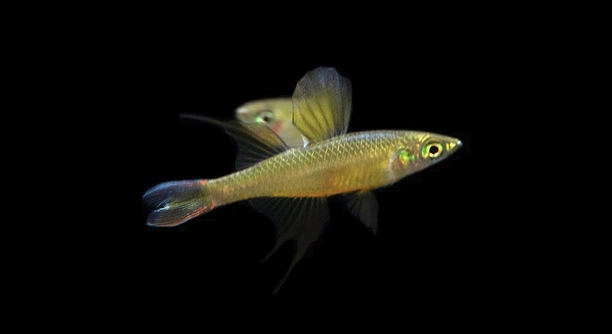
Do you ever find yourself fascinated by the bright colors of rainbowfish but wonder how easy they are to care for in an aquarium?
Threadfin rainbowfish are generally considered hardy but do best in stable, well-maintained environments. They are sensitive to poor water quality and sudden changes, yet with proper care, they adapt well and thrive in home aquariums.
Learning the key factors that influence their care can help you keep these graceful fish healthy and vibrant for years.
Water Conditions Matter Most
Threadfin rainbowfish may be considered hardy, but their true strength lies in living within the right conditions. These fish prefer clean, soft, slightly acidic to neutral water with gentle movement. Consistency is key, as sudden changes in temperature or pH can quickly affect their health. They thrive best in well-established aquariums where water parameters remain steady over time. Their delicate fins and peaceful nature also make them sensitive to stress from overcrowding or strong currents. Regular water changes and proper filtration are essential, ensuring waste and toxins are kept at minimal levels. Providing this environment not only supports their health but also allows their colors to fully shine. Observing them swimming gracefully under stable conditions will reveal just how rewarding their care can be. With a thoughtful approach to water quality, their hardy reputation becomes far more evident and reliable.
Threadfin rainbowfish can tolerate slight fluctuations, but ongoing stability ensures they remain healthy, stress-free, and display their natural beauty.
Balanced water quality gives these fish a strong foundation. By keeping the tank stable, aquarists can avoid unnecessary stress and enjoy their shimmering fins. It’s not only about survival but creating an environment where they can thrive for years.
Diet and Feeding Habits
Threadfin rainbowfish are omnivores, meaning they need both plant and protein-based foods for balanced nutrition.
Feeding them correctly is vital for long-term health. While they may accept flakes or pellets, their delicate mouths are better suited for smaller foods. Live and frozen options such as daphnia, baby brine shrimp, and micro worms are excellent protein sources, while finely chopped vegetables or spirulina-based flakes help provide necessary plant matter. Feeding in small amounts multiple times daily keeps them energized and prevents waste from accumulating in the tank. Overfeeding can quickly spoil water quality, so moderation is always important. These fish are active but gentle eaters, often picking food mid-water rather than scavenging at the bottom. Watching their graceful feeding behavior is a reminder of how their diet supports both appearance and vitality. A varied menu brings out their best colors, enhances immune strength, and contributes to their hardy reputation, making feeding practices an important part of their overall care.
Tank Size and Setup
Threadfin rainbowfish do best in spacious aquariums with plenty of swimming room. A minimum of 20 gallons is ideal, especially if keeping a group, since they feel safer and more comfortable when housed with their own kind.
A well-planned setup is important for their overall well-being. These fish thrive in tanks with open areas for swimming and plants that provide shelter. Fine-leaved or floating plants work best, as they mimic their natural habitat and offer comfort. Gentle filtration is preferred to avoid strong currents that could damage their fins.
Aquascaping plays a role in keeping them stress-free. Sand or smooth gravel substrates prevent injuries, while driftwood and natural decorations provide cover. Lighting should be moderate to highlight their shimmering colors. Maintaining a balance between open space and hiding spots makes them feel secure and encourages natural behavior. A carefully designed tank creates a healthier and more active group.
Temperament and Tankmates
Threadfin rainbowfish are peaceful and non-aggressive, making them an excellent choice for community tanks. They are most comfortable in groups of six or more, as this reduces stress and brings out their social behavior.
Choosing the right tankmates is important to avoid stress or fin damage. They should be paired with other small, peaceful fish that share similar water requirements. Good companions include rasboras, small tetras, dwarf corydoras, and other gentle rainbowfish species. Avoid fin-nipping or aggressive species, as the threadfin’s delicate fins are easily harmed. Their calm nature adds balance to a community tank, making them a graceful addition. Ensuring compatible tankmates supports their hardy reputation and allows them to display natural behavior without fear.
Breeding Behavior
Threadfin rainbowfish are egg scatterers that breed best in heavily planted tanks. Fine-leaved plants or spawning mops encourage egg laying, while separating adults afterward prevents them from eating the eggs. Stable conditions support successful spawning.
Fry are delicate and require special care. Infusoria or other tiny live foods should be offered during their early stages. Clean water and minimal disturbance are important for growth. With patience, the fry develop their striking fins and colors over time.
Lifespan and Health
Threadfin rainbowfish can live up to five years when cared for properly, though many average around three to four years. Their lifespan depends on stable water quality, balanced diet, and reduced stress. Regular monitoring helps detect health issues early, preventing long-term damage and keeping them active.
Activity Levels
These fish are active swimmers with graceful, flowing movements. They spend much of their time in the middle of the tank, adding beauty and calm energy to a peaceful aquarium setup.
FAQ
How often should I feed threadfin rainbowfish?
Feeding should be done once or twice a day in small amounts they can consume within a few minutes. Overfeeding can pollute the tank and harm water quality. A balanced mix of flakes, pellets, and occasional live or frozen foods works best to maintain health and vibrant coloration.
Can threadfin rainbowfish live with other fish?
Yes, they are peaceful and thrive in community tanks with other small, non-aggressive species. Ideal companions include tetras, rasboras, dwarf corydoras, and other gentle rainbowfish. Avoid large, aggressive, or fin-nipping fish, as threadfins have delicate fins that are easily damaged.
What water parameters are ideal?
These fish prefer a temperature range of 74–82°F (23–28°C), pH between 6.5 and 7.5, and soft to moderately hard water. Maintaining stable water conditions is essential, as sudden changes in temperature or pH can cause stress, illness, or even death.
How large should the tank be?
A minimum of 20 gallons is recommended for a small group. Larger tanks are better for active swimming and group behavior. Open swimming areas combined with plants for shelter create a safe and comfortable environment. Groups of six or more reduce stress and encourage natural behavior.
Do they require special filtration?
Gentle filtration is best. Strong currents can damage their delicate fins, so a filter that provides adequate water movement without overwhelming the tank is ideal. Regular maintenance and water changes are necessary to keep water clean and support their hardy nature.
How do I breed threadfin rainbowfish?
They are egg scatterers and prefer heavily planted tanks or spawning mops. Adults should be separated after spawning to prevent eating eggs. Fry need small live foods like infusoria in their early days and clean water to grow strong and healthy.
What health issues should I watch for?
Common issues include fin rot and stress-related illnesses caused by poor water quality or aggressive tankmates. Regular monitoring, consistent water parameters, and a balanced diet help prevent most problems. Prompt treatment at the first sign of illness keeps the fish healthy and vibrant.
How long do threadfin rainbowfish live?
With proper care, they can live up to five years, though the average is around three to four. Lifespan depends on stable water conditions, diet, tank size, and reduced stress. Active monitoring ensures they remain healthy throughout their life.
Can they tolerate cooler water?
They are somewhat adaptable but thrive in slightly warmer, stable water. Sudden drops in temperature can cause stress or illness. Maintaining a consistent environment that mimics their natural tropical habitat ensures longevity and good health.
Do they need a specific diet to enhance color?
A varied diet with high-quality flakes, pellets, and occasional live or frozen protein foods will maintain health and vibrancy. Some plant matter like spirulina-based flakes enhances coloration. Regular feeding in small amounts prevents overfeeding while keeping colors bright and fins strong.
Are they suitable for beginner aquarists?
Yes, if basic requirements are met, including stable water, proper diet, and peaceful tankmates. Their hardy nature makes them forgiving, but attention to water quality and tank setup ensures long-term health and reduces stress. Proper preparation increases the chances of a successful and enjoyable experience.
Can they handle a slightly crowded tank?
While hardy, overcrowding increases stress, reduces swimming space, and worsens water quality. Maintaining proper stocking levels allows natural behavior and reduces aggression. Groups of six or more in an adequately sized tank are ideal for social interaction without overcrowding.
How often should I perform water changes?
Weekly water changes of 20–30% are recommended to maintain optimal water quality. Regular maintenance prevents toxin buildup, supports healthy gill function, and keeps the fish active and vibrant. Consistent water care is key to their hardy reputation and long-term health.
Do they require special lighting?
Moderate lighting works best. Too much light can stress them or encourage excessive algae growth, while too little reduces color vibrancy. A balance between natural light periods and plant growth creates a comfortable environment that highlights their shimmering fins.
Can they adapt to different tank decorations?
Yes, but smooth substrates, plants, and safe decorations are preferred. Sharp or rough objects can damage fins, while plants provide hiding spots and comfort. Proper arrangement of open swimming areas and shelter enhances their natural behavior and reduces stress.
Is it necessary to quarantine new fish?
Quarantining is recommended. Even hardy fish like threadfins can catch diseases from new arrivals. A separate quarantine tank for two to three weeks helps identify potential issues before introducing new fish to the main tank, protecting the established group’s health.
Do they school naturally?
Yes, threadfin rainbowfish are social and feel safer in groups. A group of six or more encourages schooling behavior, reducing stress and displaying more natural, active movement. Smaller groups may hide more or show nervous behavior.
Are they suitable for planted tanks?
They thrive in planted tanks, which offer hiding spots and mimic natural habitats. Fine-leaved plants or floating vegetation reduce stress, provide security, and encourage natural behaviors like foraging and exploring. Healthy plants also improve water quality and complement their colors beautifully.
What is the best temperature range for long-term health?
Maintaining 74–82°F (23–28°C) ensures optimal metabolism, immune function, and activity. Stable temperatures prevent stress, support growth, and allow the fish to display bright colors. Sudden fluctuations should always be avoided.
Do they interact with other species?
They are peaceful and curious, often swimming alongside compatible tankmates. Their calm nature avoids conflict, making them excellent additions to community tanks with similarly gentle species. Proper tankmate selection enhances activity and reduces stress, supporting long-term health.
How can I prevent fin damage?
Avoid aggressive or fin-nipping fish, sharp decorations, and strong currents. Gentle filtration, smooth substrates, and careful tankmate selection are key to preserving delicate fins. Healthy fins contribute to overall appearance and stress reduction.
Are there any seasonal care adjustments?
Maintaining stable water and temperature is more important than seasonal changes. Heating or cooling may be needed depending on the environment. Consistency ensures ongoing health and avoids stress-related illness or color loss.
What is the easiest way to tell if they are healthy?
Active swimming, bright colors, smooth fins, and regular feeding indicate good health. Dull colors, lethargy, or torn fins signal stress or illness, requiring immediate attention. Observing behavior daily helps detect issues early.
Do they require a varied diet or will flakes suffice?
Flakes alone are not sufficient long-term. Combining flakes with live, frozen, or plant-based foods ensures proper nutrition, supports immune function, and maintains vibrant colors. Variety also encourages natural foraging behaviors and reduces the risk of dietary deficiencies.
Can they tolerate slightly hard water?
Yes, they can adapt to moderately hard water but prefer soft to slightly hard conditions. Sudden shifts should be avoided. Consistency in hardness helps maintain health, breeding potential, and natural coloration.
How quickly do they grow?
Growth is steady under ideal conditions, with juveniles reaching near adult size in several months. Proper feeding, stable water, and sufficient swimming space encourage healthy development and vibrant fins. Stress or poor care slows growth significantly.
Are they sensitive to tank lighting changes?
Gradual lighting adjustments are best. Sudden bright light can stress them, while low lighting reduces color vibrancy. Mimicking natural day-night cycles supports natural behavior, coloration, and overall well-being.
Can they live alone?
They prefer groups and may become stressed or hide when kept alone. Social interaction improves health, activity, and coloration. A minimum of six individuals is recommended for optimal well-being and natural schooling behavior.
Do they need hiding spots in the tank?
Yes, plants, driftwood, or decorations provide security and reduce stress. Hiding spots encourage natural behavior and give refuge during rest or if the fish feel threatened, supporting overall health and comfort.
Is water pH critical to their health?
Maintaining a pH between 6.5 and 7.5 is important. Sudden changes can stress them and increase susceptibility to disease. Stable pH supports digestion, immune function, and overall vitality.
Can they tolerate mild algae growth?
Yes, mild algae is generally harmless and can even provide natural grazing. Excessive algae indicates water imbalance and may stress the fish, so it should be controlled with proper maintenance and moderate feeding.
Do they require special care during breeding?
Separate adults after spawning to protect eggs, provide heavily planted areas, and feed fry small live foods. Clean water and minimal disturbance are essential for successful development.
Are they hardy for beginners?
Yes, with proper water maintenance, diet, and peaceful tankmates, they are suitable for beginners. Attention to water stability and careful tank planning ensures long-term success.
How often should I check water quality?
Regular monitoring is essential. Weekly testing for ammonia, nitrites, nitrates, and pH helps maintain a healthy environment and supports the fish’s hardy nature.
Do they respond to humans?
They may show curiosity but are generally shy. Over time, they may recognize regular feeding routines and swim closer during feeding, showing mild interaction without aggressive behavior.
Can their colors fade in poor conditions?
Yes, dull colors often indicate stress, poor water quality, or inadequate diet. Maintaining optimal conditions and providing proper nutrition ensures bright, healthy coloration.
Are they prone to diseases?
Healthy, well-maintained fish are generally resistant to disease. Common issues arise from poor water, overfeeding, or aggressive tankmates. Preventive care and observation reduce risks and maintain vitality.
Do they need supplements for growth?
Supplements are generally unnecessary if the diet is varied and balanced. High-quality food and live or frozen proteins naturally provide essential nutrients.
Can they tolerate slight fluctuations in temperature?
Minor fluctuations are tolerated, but large or sudden changes cause stress and may lead to illness. Consistent water temperature ensures long-term health.
How fast do they breed?
Under ideal conditions, spawning can occur regularly. Eggs hatch within a week, and fry grow quickly with proper care, feeding, and stable water parameters.
Are they compatible with snails or shrimp?
Yes, peaceful invertebrates like small snails or shrimp coexist well. Avoid large or aggressive species that may be disturbed or eaten.
Do they require seasonal changes in diet?
No special seasonal changes are needed. A consistent, varied diet throughout the year supports growth, color, and immune function.
How important is tank cover?
A secure lid prevents jumping and reduces stress. These active swimmers occasionally leap, so covering the tank helps keep them safe.
Can they tolerate tap water?
Tap water is acceptable if properly treated and parameters adjusted. Chlorine, chloramines, and heavy metals must be neutralized before use to prevent stress or health issues.
Are they active during the day or night?
They are diurnal, most active during daylight hours. Observing their swimming, feeding, and social behaviors is best during this time, while they rest at night.
Do they need special acclimation when introduced to a new tank?
Yes, slow acclimation using floating bags or drip methods reduces stress. Gradual adjustment to temperature, pH, and hardness ensures a smooth transition and maintains health.
Are they sensitive to noise or vibrations?
Moderate noise is usually tolerated, but sudden vibrations or loud disturbances can stress them. A calm environment supports natural behavior and reduces the risk of illness.
Do they interact with each other socially?
Yes, they exhibit schooling and coordinated swimming. Social interaction strengthens bonds within the group, reduces stress, and encourages natural activity patterns.
Can they tolerate brackish water?
No, they are strictly freshwater fish. Exposure to brackish or salty water can cause stress, illness, or death. Maintaining freshwater conditions is critical for survival.
Are juveniles more sensitive than adults?
Yes, fry and juveniles are more vulnerable to water quality changes, aggressive tankmates, and feeding mistakes. Extra care is required until they reach maturity and become more resilient.
Do they need regular tank cleaning?
Yes, regular maintenance, including substrate cleaning, filter checks, and water changes, keeps the tank healthy and prevents stress-related illnesses, supporting their hardy nature.
How do I know if they are stressed?
Signs include hiding, dull coloration, clamped fins, erratic swimming, or reduced appetite. Prompt adjustments to water, tankmates, or diet help reduce stress and restore health.
Can they tolerate small community tanks?
Yes, as long as space, water quality, and social group sizes are adequate. Overcrowding or insufficient swimming space increases stress and reduces overall health.
Do they require special attention in winter?
Temperature stability is more important than seasonal changes. Heaters or consistent indoor conditions prevent stress and support immune function during cooler months.
Are they suitable for planted tanks with delicate vegetation?
Yes, they are gentle and do not uproot plants. Fine-leaved plants, floating vegetation, and moderate aquascaping provide hiding spots and reduce stress without damaging plants.
Can they live with fast-moving fish?
Fast, aggressive swimmers may outcompete them for food or cause stress. Pairing them with similarly paced, peaceful species ensures optimal activity and comfort.
Do they need special quarantine when purchased?
Yes, quarantining new fish for two to three weeks prevents introducing diseases to the main tank and protects established fish from potential illness.
Can they tolerate slightly acidic water?
Yes, they thrive in mildly acidic to neutral water, but extremes can cause stress. Stability in pH is more important than exact values.
How do I maintain their vibrant colors?
Balanced diet, proper lighting, clean water, and low-stress environments enhance coloration. Regular observation ensures adjustments are made if colors fade.
Are they sensitive to medication?
Yes, always follow dosage instructions and ensure treatments are safe for their species. Stress or incorrect medication can harm delicate fins or overall health.
Do they need regular observation?
Daily or frequent monitoring helps detect early signs of stress, illness, or environmental issues, ensuring long-term health and vibrancy.
How important is tank water circulation?
Moderate circulation is important for oxygenation, but strong currents should be avoided. Gentle flow maintains water quality without stressing the fish.
Can they tolerate other rainbowfish species?
Yes, many small, peaceful rainbowfish species are compatible, provided similar water parameters and social group sizes are maintained.
Do they require specific substrate types?
Smooth sand or fine gravel is ideal. Sharp or rough substrates can damage fins, while soft substrates complement plant growth and natural behavior.
Can they live in tanks with fluctuating light cycles?
Gradual adjustments are better. Abrupt changes in lighting may stress them, reduce color vibrancy, and disrupt natural activity patterns.
Are they good for display aquariums?
Yes, their bright colors, active swimming, and peaceful nature make them ideal for visually appealing, calm community tanks.
Do they respond well to consistent feeding routines?
Yes, consistent feeding reduces stress, encourages activity, and maintains optimal health. Irregular schedules can lead to anxiety or poor feeding behavior.
Can they tolerate temporary neglect?
Minor lapses in care are usually tolerated due to their hardy nature, but prolonged neglect affects water quality, diet, and overall health, increasing susceptibility to disease.
Are they suitable for beginner breeders?
Yes, with proper preparation, heavily planted tanks, and small live foods for fry, beginners can successfully breed threadfin rainbowfish. Patience and stable conditions are key.
Do they show signs of aging?
Older fish may slow down, show duller colors, or develop minor fin wear. Proper care throughout life mitigates these effects, keeping them active longer.
Can they adapt to slightly different water hardness?
Yes, they tolerate moderate variations but sudden changes should be avoided. Gradual adjustments support health and reduce stress.
How resilient are they to minor environmental changes?
They are fairly resilient, but stability in temperature, water quality, and diet ensures peak health. Sudden shifts can cause stress or illness.
Do they need extra care during transport?
Yes, maintaining oxygen levels, minimal movement, and stable temperatures reduces stress. Careful handling ensures survival and reduces fin damage.
Are they compatible with live plants?
Yes, they coexist well without uprooting or damaging vegetation, benefiting from cover and mimicking natural habitats for security and activity.
Can they live in tanks with fluctuating temperatures?
They tolerate minor fluctuations, but stable temperatures prevent stress, illness, and color fading. Extreme changes must be avoided for long-term health.
Do they prefer shaded or brightly lit areas?
Moderate lighting with shaded areas is best. Bright light should be gradual, and shaded spots provide security, reduce stress, and encourage natural behavior.
Are they prone to jumping out of tanks?
Occasionally, yes. A secure lid is recommended to prevent escape, especially during feeding or sudden disturbances.
Can they tolerate seasonal indoor temperature variations?
Yes, as long as water temperature remains consistent. Sudden cold drafts or heat spikes can cause stress or illness.
Do they interact with plants or decorations?
Yes, they use plants for shelter and decorations as hiding spots, promoting natural behaviors and reducing stress within the tank.
Are they suitable for community tanks with larger fish?
No, large or aggressive species can stress or harm threadfins. Stick to small, peaceful species to maintain safety and activity levels.
Do they require regular water testing?
Yes, routine checks of pH, hardness, ammonia, nitrites, and nitrates prevent health issues and maintain a stable environment conducive to long-term well-being.
Can they tolerate occasional fluctuations in diet?
They may adapt temporarily, but consistent, varied feeding ensures health, color, and immune function. Long-term irregular diets can weaken vitality.
Are they sensitive to chemical cleaners?
Yes, exposure to soaps, detergents, or chemicals can be fatal. Always wash hands thoroughly and avoid chemical residues when performing maintenance.
Do they need aeration in the tank?
Moderate aeration helps oxygenation but excessive bubbles or strong currents should be avoided. Gentle water movement is sufficient for healthy fish.
Can they thrive in nano tanks?
Not recommended. They need swimming space and social groups. Small tanks may cause stress, poor water quality, and stunted growth.
Do they respond to feeding by swimming actively?
Yes, they often swim to the surface or mid-water during feeding, showing alertness and natural behavior, which indicates health and comfort.
Are they tolerant of occasional minor water parameter changes?
Yes, they are moderately tolerant, but prolonged instability can cause stress or illness. Maintaining steady conditions ensures long-term health.
Can they coexist with small shrimp species?
Final Thoughts
Threadfin rainbowfish are a striking and resilient addition to freshwater aquariums. While they are considered hardy, their well-being depends on providing stable water conditions, a balanced diet, and proper tank setup. Consistent maintenance, including regular water changes and monitoring, ensures that these fish remain healthy and active. Their peaceful nature allows them to coexist with other non-aggressive species, making them suitable for a variety of community tanks. Observing a well-cared-for group swim together reveals not only their natural beauty but also the results of proper care. Over time, their vibrant colors and graceful movements can become a centerpiece in the tank, creating a calm and attractive environment. Although they are forgiving, neglecting the basic requirements such as water quality, diet, and social grouping can quickly lead to stress or illness, emphasizing that even hardy fish need attentive care.
Providing the right environment involves more than just clean water and feeding. Threadfin rainbowfish benefit from carefully designed tank setups that balance open swimming areas with hiding spots. Fine-leaved plants, driftwood, and smooth substrates offer security and encourage natural behavior. Gentle filtration maintains water quality without creating strong currents that may damage delicate fins. Lighting should be moderate, highlighting their colors without creating stress or encouraging excessive algae growth. When these factors are thoughtfully considered, the fish thrive, display natural behavior, and maintain vibrant coloration. Attention to social dynamics is also important. Keeping them in groups of six or more reduces stress and promotes schooling behavior, which contributes to their overall activity and comfort. Tankmates should be peaceful and compatible, avoiding species that are aggressive or fin-nipping. A well-planned tank setup, combined with proper care, supports their hardy reputation and allows aquarists to enjoy their presence for years.
Breeding and long-term care also require careful consideration. Threadfin rainbowfish are egg scatterers, and separating adults from eggs or providing heavily planted areas ensures successful fry development. Juveniles are delicate and require specific feeding with small live foods, clean water, and minimal disturbances. Following these practices enhances survival rates and supports healthy growth. Lifespan can reach up to five years with proper care, although most average three to four years. Their active, graceful swimming and peaceful temperament make them a rewarding species for both beginners and experienced aquarists. Overall, threadfin rainbowfish demonstrate that even hardy species need consistent attention, suitable conditions, and thoughtful planning to flourish. By maintaining stable water, offering a varied diet, and creating a balanced tank environment, aquarists can enjoy the beauty and elegance of these fish while ensuring their long-term health and vitality.

Hello,
If you enjoy the content that we create, please consider saying a "Thank You!" by leaving a tip.
Every little bit helps us continue crafting quality advice that supports the health, happiness, and well-being of pets around the world, for pets of all shapes, sizes, and species.
We really appreciate the kindness and support that you show us!